
Asia
Chiang Mai Beyond the Tourist Trail: 12-Visit Local’s Guide to Thailand’s Spiritual Heart (2026)
Discover authentic Chiang Mai with this insider travel guide revealing temples, markets, and Northern Thailand’s spiritual culture away from crowds.

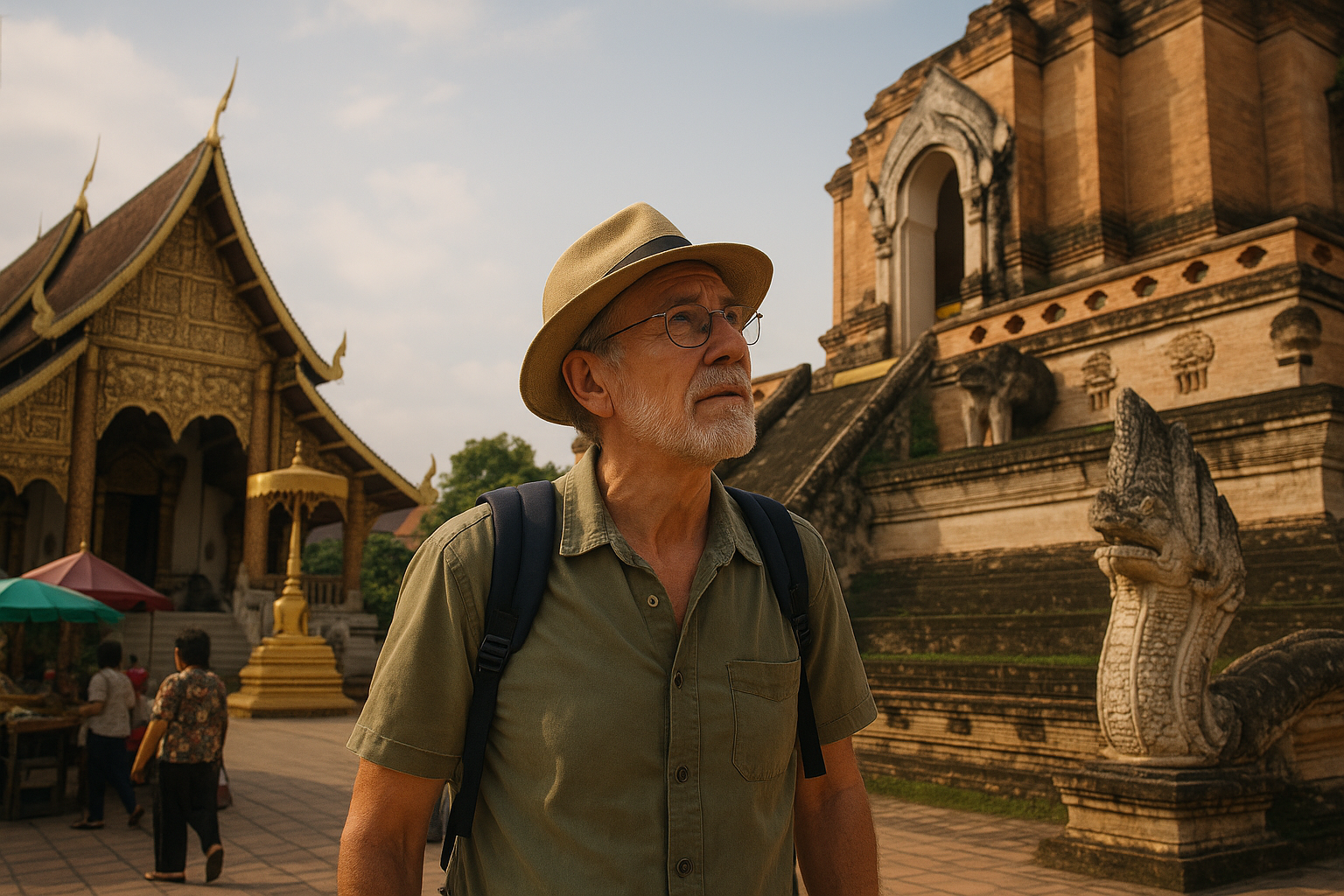
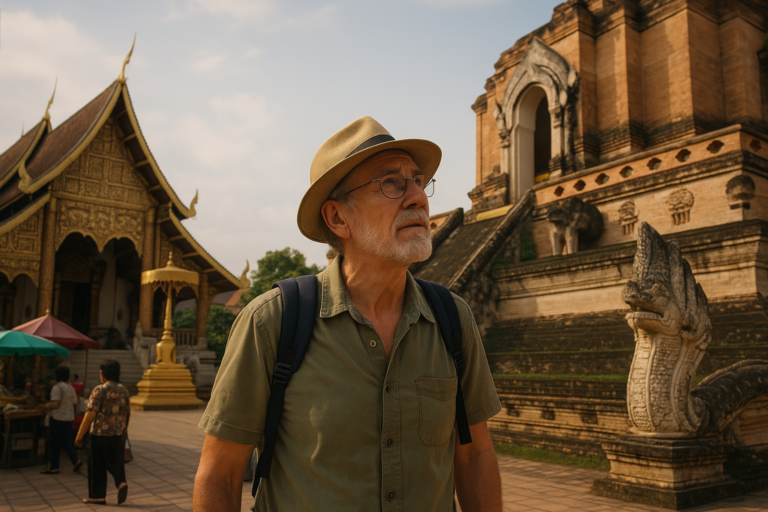
Your Complete Chiang Mai Travel Guide: Thailand’s Northern Gem Worth Discovering
There’s a moment that happens to almost every traveler who arrives in Chiang Mai. You step out of your accommodation, the morning air is cooler than you expected, the smell of street food is already drifting from somewhere nearby, and you think — I could stay here a lot longer than I planned. This Chiang Mai travel guide exists because that moment deserves preparation. Not the kind of preparation that turns a trip into a checklist, but the kind that helps you slow down, look in the right directions, and actually connect with a city that rewards curiosity far more than it rewards rushing. Chiang Mai, located in Northern Thailand, is one of Southeast Asia’s most layered destinations — and most people only scratch the surface.
Why Chiang Mai Belongs on Your Travel Map
Chiang Mai is not Bangkok. That’s the first thing worth understanding. Where Bangkok is relentless, electric, and overwhelming in the best possible way, Chiang Mai moves at a different pace. It breathes. The city sits in a valley surrounded by mountains, and that geography shapes everything — the climate, the culture, the food, and the feeling of the place.
Northern Thailand has its own identity, its own cuisine, its own artistic traditions, and its own spiritual energy. Chiang Mai is the heartbeat of all of it. The city has a deeply rooted relationship with Buddhism, with hundreds of temples scattered across its streets and surrounding hills. It has a creative community that draws artists, craftspeople, and thinkers from across Thailand and the world. And it has a food scene that many travelers quietly argue is the best in the country.
Whether you’re a first-time visitor to Southeast Asia or someone returning to Thailand for the fourth time, Chiang Mai has a way of offering something new. That’s not a cliché — it’s just the nature of a city with this much depth.
Navigating the Old City: Where History Lives in Every Corner
The Old City is the natural starting point for any visit. Enclosed by a moat and the remnants of ancient walls, this square-shaped district is where Chiang Mai’s historical identity is most visible. Walk in any direction and you’ll encounter temples, traditional wooden shophouses, local cafés, and small galleries.
The temples here aren’t museum pieces — they’re living, active spaces. Monks go about their daily routines. Locals come to pray and offer flowers. Incense smoke drifts through courtyards in the early morning. If you visit during quieter hours, ideally just after sunrise, you’ll experience something that feels genuinely removed from the tourist trail.
Spend at least a full day wandering the Old City without a fixed agenda. Get lost in its lanes. Follow the sound of bells. Stop when something catches your eye. The city rewards this kind of open, unhurried exploration far more than a rushed temple-to-temple sprint.
Tips for Exploring the Old City Respectfully
- Dress modestly when entering temples — shoulders and knees covered is the standard expectation.
- Remove your shoes before entering any temple building.
- Speak quietly inside sacred spaces and be mindful of ongoing ceremonies.
- Ask before photographing monks or locals in prayer.
- Visit early morning or late afternoon to avoid both crowds and the midday heat.
Doi Suthep: The Temple That Watches Over the City
No Chiang Mai travel guide would be complete without talking about Doi Suthep. Perched on a forested mountain that rises above the city’s western edge, this temple is one of Northern Thailand’s most significant spiritual sites. The views from the temple complex stretch across the entire Chiang Mai valley — on a clear day, you can see for miles.
Getting there is part of the experience. A winding road climbs through jungle-covered slopes, and the final approach to the temple involves a staircase flanked by serpentine naga sculptures. The ascent is worth every step. Once you’re at the top, you’ll find gilded chedis, prayer bells, monks in saffron robes, and a panoramic perspective that reframes the whole city below you.
Try to visit Doi Suthep early in the morning if you can manage it. The light is softer, the air is cooler, and the atmosphere is more meditative. By midday, tour groups arrive in volume. There’s nothing wrong with that — but if you want a quieter, more personal experience, the early hours are your friend.
You can hire a songthaew (a shared red truck that functions as a local taxi) from the city to get there, or rent a scooter if you’re comfortable riding one on mountain roads. Either way, the journey up and the views from the top make this one of the most memorable experiences in all of Northern Thailand.
Chiang Mai’s Markets: Eating, Shopping, and Connecting
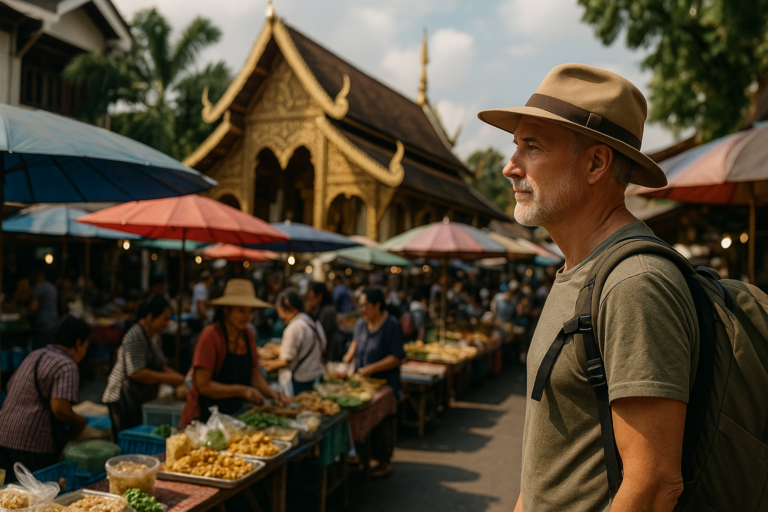
Markets are where Chiang Mai comes alive in the most immediate, sensory way. The city has several, each with its own personality, and spending time at them is one of the best ways to understand local life.
The Night Bazaar
The Night Bazaar is the most well-known and the most tourist-friendly. You’ll find handicrafts, clothing, street food, and live music. It’s lively and fun, and while it’s undeniably commercial, it still offers good opportunities to find handmade goods produced by local artisans. Go with an open mind, be willing to browse without pressure, and don’t be afraid to negotiate politely.
The Sunday Walking Street
Every Sunday evening, the Wualai Road area transforms into a walking street market that draws both locals and visitors. The atmosphere here feels a little more rooted in local culture than the Night Bazaar. You’ll find silverwork, textiles, ceramics, street food, and live performances. It’s a great place to buy meaningful souvenirs — things actually made in the region rather than mass-produced elsewhere.
Warorot Market
If you want to see where locals actually shop, Warorot Market is the place. It’s busy, a little chaotic, and completely authentic. You’ll find fresh produce, dried goods, local snacks, traditional fabrics, and household items. This is not a tourist market — it’s a working market. Wander through it, try things you don’t recognize, and let yourself be curious.
Northern Thai Food: A Cuisine Worth Exploring Seriously
The food in Chiang Mai is distinct from what you’ll find in the rest of Thailand, and it deserves your full attention. Northern Thai cuisine has its own flavor profile — earthier, less sweet, more herbal, and often spicier than central Thai food. It draws on influences from neighboring regions and reflects centuries of local agricultural tradition.
Look for khao soi, the region’s signature dish: a rich, coconut-based curry noodle soup topped with crispy fried noodles and served with pickled mustard greens, shallots, and lime. It’s one of those dishes that ruins you for lesser versions of itself. Find a local spot — not a restaurant on the main tourist strip — and eat it for breakfast or lunch.
Sai oua, a fragrant Northern Thai sausage made with lemongrass, galangal, and kaffir lime leaves, is another must. So is nam prik noom, a roasted green chili dip served with sticky rice and fresh vegetables. These dishes won’t all appear on menus in English, which is part of the adventure.
Eat at markets, at small family-run restaurants, and at the street stalls that set up around temple grounds in the early morning. Follow where locals eat. That’s the most reliable compass you have.
Spiritual Activities and Meaningful Experiences
Chiang Mai’s connection to Buddhism runs deep, and for travelers who are curious about spiritual practice, the city offers genuine opportunities to engage — not as a spectator, but as a participant in a respectful way.
Many temples in and around the city offer meditation sessions open to visitors. Some monasteries run multi-day retreats where you can learn basic mindfulness practices in a traditional setting. These experiences are not performances — they’re invitations to slow down and pay attention in a different way than travel usually demands.
You can also participate in the alms-giving ceremony that takes place in the early morning hours, when monks walk through the streets collecting offerings from locals. If you choose to participate, do so with proper guidance and genuine respect. There are resources available locally that explain the etiquette clearly, and it’s worth seeking them out before joining in.
For a broader overview of religious and spiritual activities available in Northern Thailand, GetYourGuide’s Northern Thailand listings offer a useful starting point for planning this side of your trip.
Day Trips from Chiang Mai: Expanding Your Northern Thailand Experience
One of Chiang Mai’s great strengths as a base is how well-positioned it is for exploring the wider region. Northern Thailand is full of destinations worth discovering, and many of them are within a half-day’s journey from the city.
The mountain town of Pai, several hours to the northwest, has a distinct character — slower, more bohemian, and surrounded by valleys and hot springs. The drive there on a rented scooter is itself an adventure, winding through mountain passes with views that stop you in your tracks.
Chiang Rai, further north, offers its own temple culture and a gateway to the Golden Triangle region where Thailand, Laos, and Myanmar meet. The White Temple there is one of the most visually striking pieces of contemporary architecture you’ll encounter in Southeast Asia.
Doi Inthanon National Park, home to Thailand’s highest peak, is ideal for hiking, waterfall chasing, and bird-watching. The cool temperatures at altitude make it feel like a completely different world from the city below.
For practical ideas on structuring day trips from the city, AirAsia’s Chiang Mai travel blog has a solid overview of options worth considering.
Getting Around Chiang Mai
The city is navigable and relatively compact, especially in the Old City area. Here’s what you need to know about moving around:
- Songthaews are the classic local option — shared red trucks that function as informal buses. Agree on the fare before you get in.
- Tuk-tuks are available for shorter journeys and are fun for the experience, though negotiate the price upfront.
- Scooter rental gives you the most freedom, especially for reaching Doi Suthep or exploring areas outside the city center. Only rent one if you’re genuinely comfortable riding in traffic.
- Ride-hailing apps work well in Chiang Mai and offer transparent pricing without negotiation.
- Walking is entirely viable within the Old City — and often the best way to discover unexpected things.
When to Visit and What to Expect
Chiang Mai’s climate varies more than you might expect for a tropical destination. The cool season, roughly from November through February, is the most popular time to visit. Temperatures are genuinely pleasant, the air is clear, and the city feels energized. If you’re planning your first visit, this is the window to aim for.
The hot season, from March through May, brings intense heat and — particularly in March and April — smoke from agricultural burning in the surrounding hills. This can significantly affect air quality and visibility, so it’s worth checking conditions before you travel during this period.
The rainy season, from June through October, brings lush green landscapes and fewer tourists. Rain usually falls in heavy afternoon showers rather than all-day downpours, which means mornings are often clear and explorable. Accommodation prices tend to drop, and the city has a different, quieter energy that some travelers prefer.
Practical Tips Before You Go
- Learn a few basic Thai phrases. Even simple greetings are appreciated and open doors.
- Carry cash — many smaller restaurants and market stalls don’t accept cards.
- Bargaining is acceptable at markets but should be done with a smile and good humor, not aggression.
- Stay hydrated. The heat can catch you off guard, especially if you’re walking a lot.
- Download an offline map before you arrive — it’ll save you in the moments when data is slow.
- Be patient and flexible. Things don’t always run on a fixed schedule in Chiang Mai, and that’s part of the charm.
The Chiang Mai State of Mind
The best Chiang Mai travel guide isn’t really a list of places — it’s a way of approaching the city. Chiang Mai rewards travelers who slow down, who follow their instincts, who say yes to the unexpected conversation or the unmarked alley or the temple that isn’t in any top-ten list. It’s a city that has been drawing curious, open-minded people for decades, and it has a kind of quiet confidence about what it offers.
You’ll come for the temples and the food. You’ll stay because the city gets under your skin in a way that’s hard to explain until you’ve experienced it. You’ll leave already thinking about coming back.
That’s the thing about Chiang Mai. It doesn’t announce itself loudly. It doesn’t need to. It just waits for you to pay attention — and when you do, it gives you more than you came looking for. Pack light, keep your schedule flexible, and let Northern Thailand show you what it’s actually made of. Your next great journey is already waiting.
This article was produced with AI assistance and reviewed editorially.


Quito, Ecuador: From Stopover to 10-Day Adventure in the Andes

Ecuador & South America’s Gateway: Quito as a Base for Adventure


