
Roaming Around the World
Overtourism and You: How to Explore Popular Destinations Responsibly
Learn responsible travel overtourism tactics: visit iconic destinations without harming communities. Timing, alternatives, and ethical exploration tips.

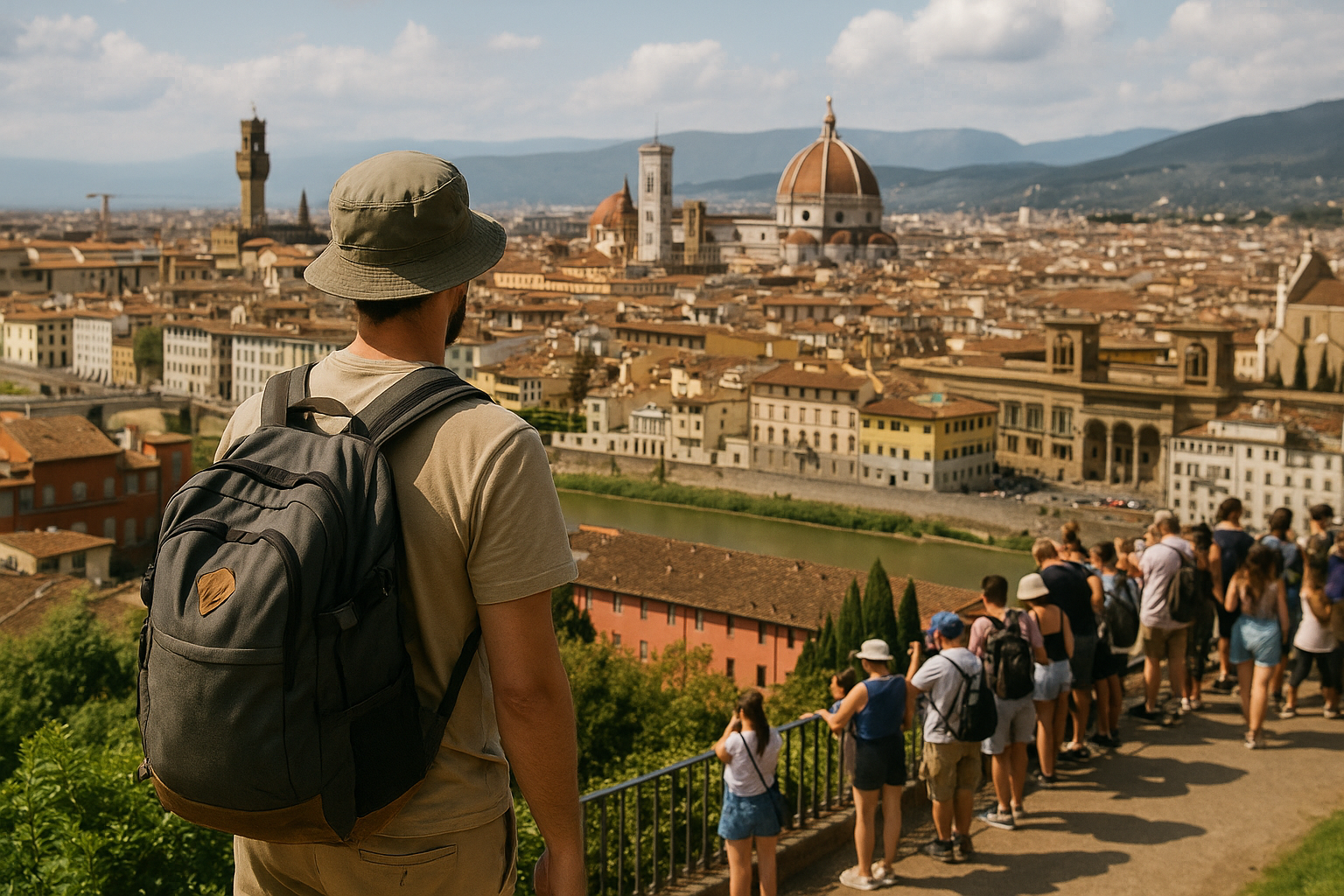
Overtourism and You: How to Explore Popular Destinations Responsibly
Responsible travel overtourism is one of the most pressing conversations happening in the travel world right now — and if you’re someone who genuinely loves exploring new places, it’s a conversation worth joining. Because here’s the thing: the destinations you dream about visiting are often the ones suffering the most from being loved too hard, too fast, and by too many people at once.
Venice is sinking — literally and figuratively. Barcelona residents have taken to the streets with signs asking tourists to go home. Machu Picchu now requires timed entry permits just to manage the daily flood of visitors. These aren’t isolated incidents. They’re symptoms of a global pattern that’s reshaping how we need to think about travel.
The good news? You can still explore the world’s most iconic places. You just need to do it smarter.
What Overtourism Actually Looks Like on the Ground
Overtourism isn’t just about crowded selfie spots. It runs deeper than that. When millions of visitors pour into a city or a natural site, the pressure ripples outward in ways that aren’t always visible to tourists.
Local housing prices spike as apartments get converted into short-term rentals, pushing long-term residents out of their own neighborhoods. Fragile ecosystems — coral reefs, ancient forest trails, mountain paths — erode under the weight of constant foot traffic. Cultural traditions get flattened into performances designed for tourist consumption rather than genuine expression.
And ironically, the experience suffers for travelers too. Standing in a queue for two hours to glimpse a famous painting through a sea of phone screens isn’t exactly the unforgettable memory you were chasing.
According to the UN World Tourism Organization’s sustainable development framework, tourism must be managed to remain beneficial for both host communities and visitors over the long term. When that balance tips, everyone loses.
Timing Is Everything: The Power of Going Off-Peak
One of the simplest shifts you can make toward responsible travel overtourism habits is rethinking when you go, not just where.
Shoulder seasons — the weeks just before or after peak tourist periods — are often the sweet spot. The weather is usually still great, prices drop, and the streets actually breathe. Visiting Rome in late October instead of July means you’ll wander the Colosseum without fighting through a wall of tour groups. Exploring Bali in November means you’ll find the real rhythm of the island, not the tourist version of it.
Early mornings are your secret weapon for iconic sites. Arrive at Angkor Wat before sunrise. Walk across Charles Bridge in Prague at 7am. Show up to the Trevi Fountain just as the city wakes up. These aren’t just crowd-avoidance tactics — they’re genuinely different, quieter, more atmospheric experiences that most visitors never get to have.
Discover the Places Just Off the Map
Here’s a perspective shift worth considering: the world is enormous, and the places that appear on every travel influencer’s feed represent a tiny fraction of what’s actually out there.
While everyone rushes to Santorini, the Greek island of Naxos offers dramatic landscapes, authentic villages, and a fraction of the crowds. While the crowds descend on Machu Picchu, the nearby Choquequirao ruins — accessible only by a multi-day hike — offer a similarly awe-inspiring experience with almost no one else around. While Barcelona struggles with overtourism, cities like Valencia and Bilbao offer vibrant culture, world-class food, and locals who are genuinely happy to see you.
Choosing alternative destinations isn’t settling for less. It’s often how you find more — more connection, more authenticity, more of those unexpected moments that become the stories you keep telling.
Responsible Travel Overtourism Habits You Can Start Today
Shifting toward more responsible travel doesn’t require a complete overhaul of how you explore. Small, consistent choices add up to real impact.
- Stay longer in fewer places. Instead of rushing through five cities in ten days, spend a week in one neighborhood. You’ll spend less on transport, reduce your carbon footprint, and actually get to know a place rather than just photograph it.
- Eat where locals eat. Skip the tourist-menu restaurants near major landmarks and walk a few streets further. Your money goes directly to people who live there, not to international chains or extractive tourism businesses.
- Use public transport. Trains, local buses, and metro systems connect you to places tour buses never stop at — and they’re better for the environment and the local economy.
- Book with local operators. When you’re choosing a tour or experience, look for guides and companies that are actually based in the community. Responsible Travel’s guide to sustainable tourism is a solid starting point for finding operators who genuinely give back.
- Respect permit systems and visitor caps. They exist for a reason. If a site requires advance booking, don’t try to work around it. Those limits protect the place you came to see.
- Leave things as you found them. This sounds obvious, but it extends beyond not littering. It means not picking wildflowers, not touching ancient stonework, not feeding wildlife, and not contributing to the slow erosion of places that belong to everyone.
The Community Behind Every Destination
Every place you visit is someone’s home. That’s easy to forget when you’re navigating a new city with a map in one hand and a coffee in the other, but it’s the most important thing to remember.
Responsible travel overtourism awareness means asking a simple question before you arrive: does my visit benefit the people who live here, or does it extract value from their community while giving little back? The answer shapes every decision that follows — where you stay, where you eat, what you buy, and how you move through a place.
When you buy a handmade piece of jewelry from a local artisan instead of a mass-produced souvenir from a chain shop, that’s a real impact. When you choose a family-run guesthouse over a large international hotel, that’s a real impact. These aren’t grand gestures. They’re just conscious choices, made one trip at a time.
Travel That Lasts
The places you want to explore deserve to still be there for the next generation of curious, adventurous people. Practicing responsible travel overtourism awareness isn’t about guilt — it’s about being the kind of traveler who adds something to the places they visit rather than just passing through. Go to the iconic spots if they call to you. But go thoughtfully, go at the right time, and make sure the community you’re visiting feels your presence as a benefit, not a burden. That’s how you collect stories worth telling — and how you help make sure those stories are still possible for the travelers who come after you.
This article was produced with AI assistance and reviewed editorially.


Luxury Train Travel Doesn’t Have to Break the Bank: The Eastern & Oriental Express Explained

Southeast Asia Spiritual Retreats: Luang Prabang & Cusco Hostels for Solo Travelers


