
Roaming Around the World
Budget Travel Hacks That Actually Work (Without Feeling Broke the Whole Time)
Budget travel tips for smart spending: cheap flights, local food, free walking tours, and strategic splurges. Travel more, spend less.

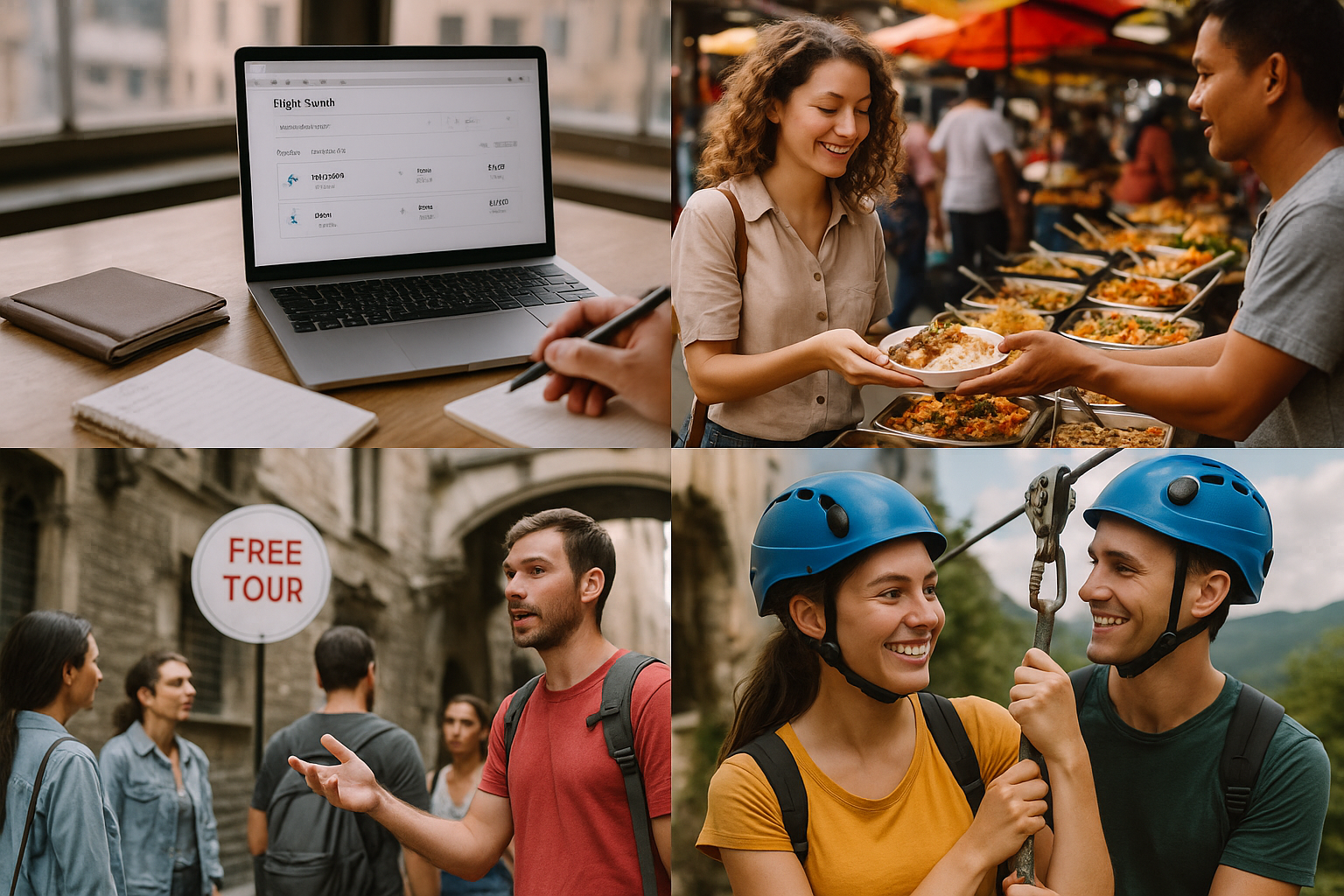
Budget Travel Tips That Actually Work (Without Feeling Broke the Whole Time)
The best budget travel tips aren’t about suffering through bad hostels or surviving on gas station snacks — they’re about spending smarter so you can experience more. There’s a real difference between being cheap and being value-conscious, and once you understand that distinction, the whole game changes. You stop counting every cent and start making deliberate choices about where your money actually matters.
Here’s how to stretch your travel budget without sacrificing the experiences that made you want to travel in the first place.
Start With Flights: Flexibility Is Your Superpower
Flights are usually the biggest expense, so this is where small decisions create the biggest impact. The most consistent advice from experienced travelers? Be flexible — with your dates, your destination, and even your departure airport.
Tools like Google Flights let you explore entire months at a glance, showing you which days are cheapest. That midweek flight on a Tuesday or Wednesday? Often significantly cheaper than the Friday evening rush. If you can leave a day earlier or later, you’ll frequently save enough to cover a few nights of accommodation.
- Set fare alerts for routes you’re watching — prices shift constantly.
- Check nearby airports. Flying into a secondary city and taking a train can be cheaper overall.
- Travel during shoulder season — the weeks just before or after peak tourist periods. The weather is still good, the crowds are thinner, and prices drop noticeably.
- Consider layovers as mini-adventures rather than inconveniences. A long layover in a city you’ve never visited? That’s a free bonus stop.
Booking too early or too late can both cost you. The sweet spot for most international flights tends to be one to three months in advance, though regional routes vary. Stay curious, keep checking, and don’t panic-book.
Eat Well Without Overpaying
Food is one of the most enjoyable parts of travel — and one of the easiest places to either waste money or discover something genuinely memorable. The rule is simple: go where the locals go.
Tourist restaurants near major landmarks charge a premium for convenience and atmosphere. Walk a few streets away, find a place with handwritten menus and regulars eating lunch, and you’ll often pay half the price for food that’s twice as good. Local markets are another brilliant option — fresh produce, regional specialties, and a real sense of how people in that city actually live.
Street food gets an unfairly bad reputation. In most parts of the world, street food is where the real culinary culture lives. Look for stalls with high turnover, fresh ingredients being prepared in front of you, and a queue of local customers. Those are your quality indicators.
If you’re staying somewhere with a kitchen — a hostel common room or an Airbnb — cooking a few meals yourself can free up budget for the dining experiences that genuinely matter. You don’t need to cook every meal. Just the ones where eating out wouldn’t add much to your experience.
Free Activities That Are Actually Worth Your Time
Some of the most memorable travel experiences cost nothing. The challenge is knowing how to find them and how to make the most of them.
Free walking tours exist in almost every major city, and they’re genuinely excellent — not just a budget compromise. These tours are typically tip-based, led by passionate local guides who know their city inside out. You’ll hear stories that don’t appear in any guidebook. Come prepared with good questions, engage with your guide, and tip generously if the tour was worth it. It supports local guides and keeps the model sustainable.
Many world-class museums offer free entry on specific days or evenings. The Smithsonian Magazine’s guide to free museums worldwide is a useful starting point, but always check local museum websites directly — policies change seasonally. Beyond museums, natural attractions, public parks, historic neighborhoods, and local festivals often require nothing more than your presence and curiosity.
- Research free museum days before you arrive — plan your schedule around them.
- Look for community events: outdoor concerts, markets, cultural festivals.
- Explore on foot. Some of the best discoveries happen when you’re not following a map.
- Ask hostel staff or locals for their genuine recommendations — not the tourist trail.
Know Where to Splurge (This Is the Part People Get Wrong)
Being budget-conscious doesn’t mean choosing the cheapest option every single time. That mindset actually costs you more in the long run — in money, comfort, and missed experiences.
Spending a little more on accommodation in a well-located neighborhood saves you money on transport and gives you back hours of your day. A slightly better hostel with a social atmosphere can lead to friendships, shared adventures, and travel companions you wouldn’t have found otherwise. That’s not a luxury — that’s good value.
The same logic applies to experiences. If there’s something you’ve genuinely been looking forward to — a cooking class, a guided hike, a boat trip at sunrise — don’t skip it to save thirty euros. These are the moments you’ll still be talking about years later. Cut costs on the things that don’t matter to you, and invest in the things that do.
Avoid what experienced travelers call “false economy” — booking the cheapest possible option only to spend more fixing the consequences. The overnight bus that saves you a hotel night but leaves you exhausted for two days. The no-name airline with hidden fees that ends up costing more than the original flight you passed on. Sometimes the slightly more expensive choice is genuinely the smarter one.
The Mindset Behind Smart Budget Travel
The best budget travel tips share a common thread: they’re about intention, not deprivation. You’re not trying to spend as little as possible — you’re trying to make sure every euro, dollar, or pound you spend is working hard for your experience. That means being strategic about flights, eating where the locals eat, taking advantage of free cultural experiences, and being willing to spend meaningfully on the moments that define your trip.
Travel doesn’t have to be expensive to be extraordinary. It just has to be thoughtful. Plan with purpose, stay curious, and remember — the stories you come home with have nothing to do with how much you spent getting there.
This article was produced with AI assistance and reviewed editorially.


Luxury Train Travel Doesn’t Have to Break the Bank: The Eastern & Oriental Express Explained

Southeast Asia Spiritual Retreats: Luang Prabang & Cusco Hostels for Solo Travelers


