
Tips & Tricks
Budget Travel Hacks That Actually Work (No Clickbait)
Discover the budget travel hacks that actually work — from finding cheap flights and free experiences to eating well for less. Real strategies for travelers aged 16–30 who want more adventure and fewer regrets.

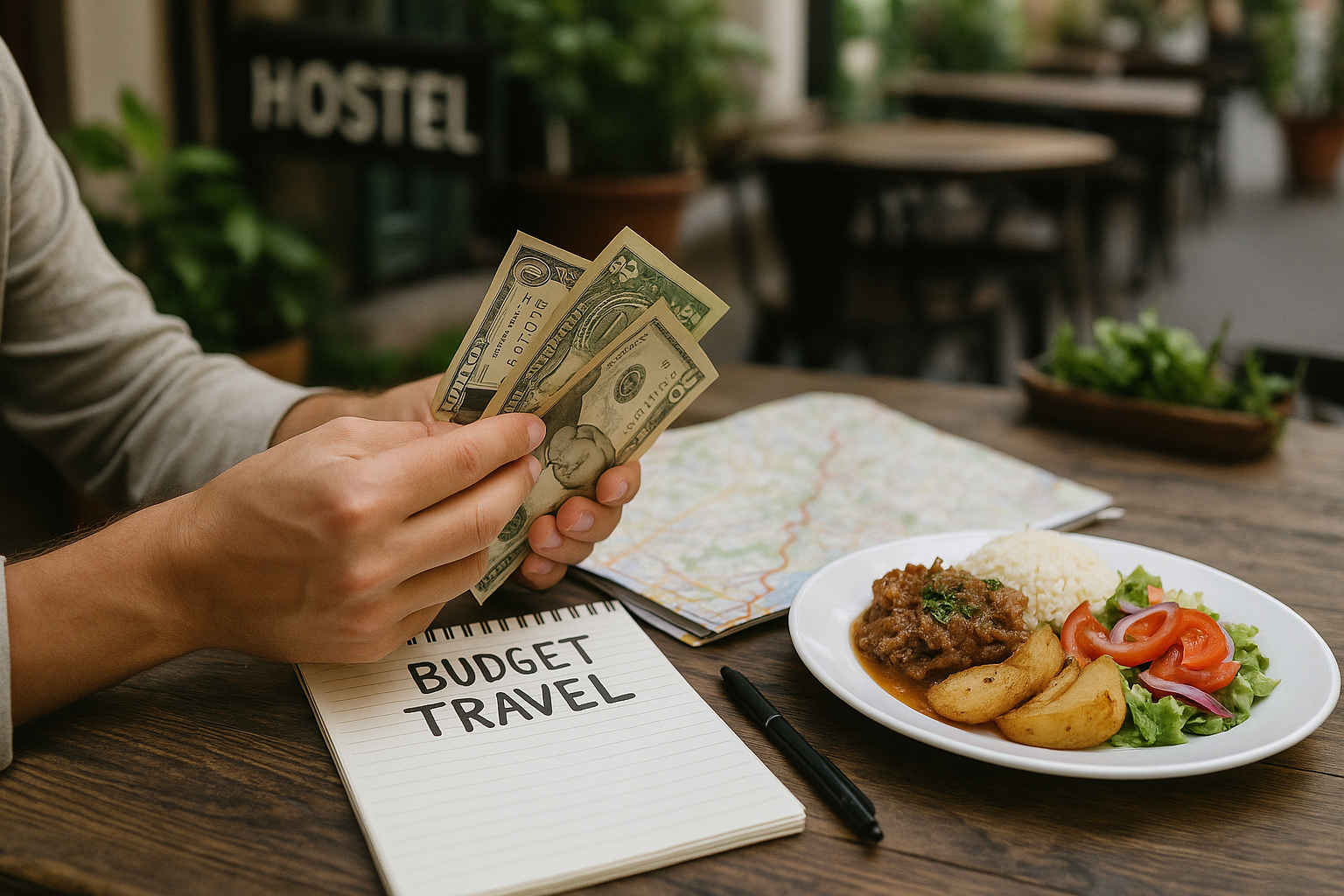
Budget Travel Hacks That Actually Work (No Clickbait)
The best budget travel hacks aren’t secrets buried in obscure travel forums — they’re practical strategies that experienced travelers use consistently, and they work because they’re built around smart choices rather than luck. If you’ve ever looked at your bank account after a trip and wondered where it all went, this is for you. Not a list of vague tips about “avoiding tourist traps,” but real, actionable approaches to stretching your money further without sacrificing the experiences that made you want to travel in the first place.
Because here’s the truth: traveling on a budget doesn’t mean traveling poorly. It often means traveling better.
Rethink Where You Sleep
Accommodation is almost always the biggest line item in a travel budget. Cut it smartly, and everything else gets easier.
Hostels Are Not What You Think
The hostel reputation from older travel culture — chaotic dorms, thin mattresses, questionable bathrooms — doesn’t reflect what most modern hostels actually offer. In cities like Lisbon, Medellín, and Chiang Mai, you’ll find beautifully designed spaces with rooftop bars, co-working areas, organized social events, and private rooms that cost a fraction of what a hotel charges. The community aspect is genuinely one of the best parts. You’ll meet people heading in the same direction, share tips over breakfast, and sometimes end up on an unplanned adventure with someone you met two hours ago.
If shared dorms aren’t your style, many hostels now offer private rooms with en-suite bathrooms. You get the social environment without giving up privacy. Check platforms like Hostelworld and filter by review score — anything above 8.5 is usually a solid bet.
House-Sitting and Work Exchanges
House-sitting is one of the most underrated budget travel hacks in circulation right now. Platforms like TrustedHousesitters connect homeowners who need someone to look after their property (and often their pets) with travelers who want free accommodation in exchange. The stays can last anywhere from a few days to several months. Verification systems on reputable platforms include background checks and review histories, so it’s safer than it might initially sound.
Work-exchange programs take a similar approach. Through organizations like WWOOF (World Wide Opportunities on Organic Farms), you contribute a few hours of work per day — farming, cooking, building — in exchange for accommodation and meals. It’s not for everyone, but if you’re open to it, you’ll leave with skills, stories, and friendships that no hotel can offer.
Travel in the Shoulder Season
Peak season prices exist because demand is high. Shoulder season — the weeks just before or after the most popular travel window — often gives you 30 to 50 percent lower accommodation costs, thinner crowds, and weather that’s still perfectly pleasant. Southern Europe in late September, Southeast Asia in April, or Japan outside of cherry blossom season are all examples where traveling slightly off-peak transforms your budget without compromising the experience.
Eat Well Without Overspending
Food is where a lot of travel budgets quietly collapse — not through one extravagant meal, but through a dozen mediocre tourist-menu lunches that cost twice what they should.
Follow the Locals, Not the Signs
The restaurants with the biggest signs, the most translated menus, and the hosts standing outside trying to wave you in are almost never the best value. Walk one or two streets back from the main tourist drag, look for places where the clientele is clearly local, and you’ll usually find better food at half the price. This isn’t a secret — it’s just observation.
Markets are your best friend. In Morocco, Mexico, Vietnam, Greece, and dozens of other destinations, local markets sell fresh produce, street food, and prepared dishes at prices that make restaurant menus look absurd. Grab breakfast and lunch from a market, and you’ve freed up your food budget for a genuinely memorable dinner.
Street Food Done Right
Street food gets an unfair reputation for being risky. In reality, high-turnover street stalls — the ones with long queues of local customers — often serve food that’s fresher than what you’d find in a mid-range restaurant, because the ingredients move fast. Look for stalls where food is cooked in front of you, where the equipment looks clean, and where locals are clearly regulars. In cities like Bangkok, Istanbul, and Mexico City, some of the most celebrated food in the world is served from a cart.
The Street Food Finder platform and local food blogs are useful for identifying well-reviewed vendors before you arrive.
Use Your Accommodation Kitchen
If your hostel, apartment, or guesthouse has a kitchen, use it — even occasionally. Cooking one or two meals a week from local market ingredients saves a meaningful amount over a longer trip, and the experience of shopping at a neighborhood supermarket or produce market is genuinely interesting. You’ll notice things tourists rarely see: what locals actually eat, how food is priced, which ingredients are seasonal. It’s a small window into everyday life that you can’t get from a restaurant menu.
Move Smarter, Not Faster
Transportation costs are directly tied to how often you move. One of the most effective budget travel hacks is also one of the simplest: slow down.
👉 Read also: Travel on a Shoestring: How to Explore More by Spending Less
The Case for Slow Travel
Rushing between five cities in ten days sounds impressive, but it’s expensive and exhausting. Every move costs money — flights, trains, taxis to and from airports, luggage storage. When you stay somewhere for a week or two instead of two nights, your daily cost drops significantly. You also get to actually know a place. You find the coffee shop you’ll go back to every morning. You discover the neighborhood park that doesn’t show up on any tourist map. You start to feel like you live there, even briefly, and that feeling is worth more than any highlight reel of quick stops.
Longer stays often unlock better accommodation rates too. Many hosts and guesthouses offer weekly discounts that aren’t advertised — just ask.
Buses Over Flights for Regional Travel
For distances under six or seven hours, regional buses are almost always cheaper than flying — especially when you factor in airport transfers, check-in time, and luggage fees. In Central America, the Balkans, Southeast Asia, and much of South America, bus networks are reliable, affordable, and often scenic. You’ll pass through countryside and small towns that you’d completely miss at 35,000 feet.
Night buses deserve a special mention. An overnight journey saves you a night’s accommodation cost and means you arrive somewhere new in the morning, ready to explore. Not every route is comfortable enough to sleep on, but on well-traveled backpacker routes, night buses are a legitimate strategy.
Public Transit Over Taxis
Most cities have public transit that works perfectly well, costs a fraction of a taxi, and takes you exactly where you need to go. Multi-day or weekly transit passes are almost always better value than paying per journey. In cities like Tokyo, Berlin, Prague, and Buenos Aires, the metro and bus systems are efficient, safe, and easy to navigate even without speaking the local language. Google Maps works offline in most destinations — download the map before you arrive and you’re set.
Walking is free and often the best way to discover a city anyway. If the distance is under forty minutes on foot, consider walking it. You’ll stumble across things no app would have shown you.
Book Flights Like a Savvy Traveler
Flights are often where the biggest savings hide — if you know where to look. A few smart habits can shave a serious amount off your airfare before you even leave home.
Be Flexible With Dates and Airports
Flying on a Tuesday or Wednesday is almost always cheaper than flying on a Friday or Sunday. If you can shift your departure by even a day or two, the price difference can be significant. Similarly, check nearby airports. Flying into a secondary hub — think Eindhoven instead of Amsterdam, or Oakland instead of San Francisco — can cut your fare considerably, especially for budget carriers.
Use flight search tools like Google Flights and enable the calendar view. It shows you the cheapest days at a glance, which makes flexible planning genuinely easy.
Set Fare Alerts and Be Ready to Move
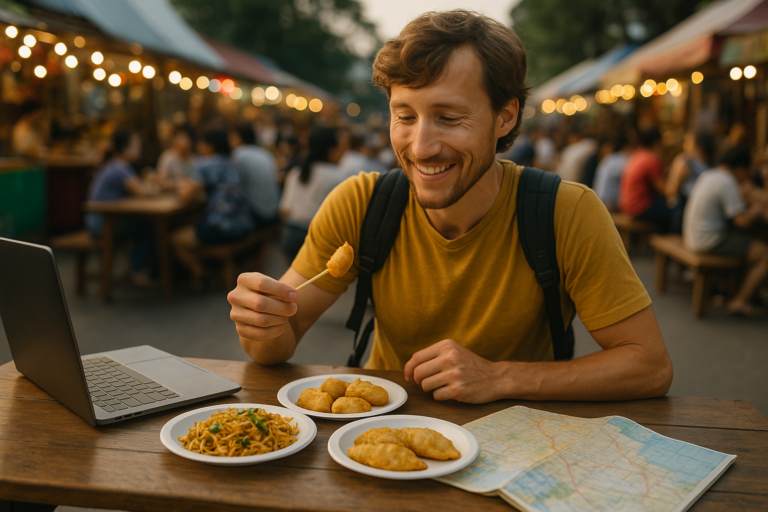
One of the most practical budget travel hacks for flights is setting up price alerts on routes you’re watching. Google Flights, Skyscanner, and Hopper all let you track a route and notify you when prices drop. The key is being ready to book quickly when a deal appears — good fares don’t last long. If your travel dates are flexible, this approach alone can save you hundreds.
Pack Light and Avoid Baggage Fees
Budget airlines make a significant portion of their revenue from add-on fees — and checked baggage is one of the biggest. Mastering carry-on-only travel is one of the most underrated money-saving travel tips out there. A well-packed 20-litre backpack can carry everything you need for weeks. You’ll also move faster, skip baggage claim, and never worry about lost luggage. It changes the whole rhythm of travel in the best way.
Experience More for Less
The best experiences of any trip often cost very little. That’s not a romantic exaggeration — it’s consistently what travelers report when they reflect on their journeys.
Free Walking Tours
Free walking tours operate on a tipping model: a local guide leads a two to three hour walk through the city, and you pay what you think it was worth at the end. They exist in almost every major destination now, from Cape Town to Copenhagen. The guides are typically passionate, knowledgeable, and genuinely invested in showing you something real about their city. It’s also a great way to orient yourself on your first day and meet other travelers.
The quality varies, so check reviews before joining. But a well-rated free walking tour is often better than a paid group tour that rushes you through the same ten landmarks.
Museums, Culture, and Timing
Many world-class museums offer free entry on specific days or during certain hours. The British Museum in London is permanently free. The Smithsonian institutions in Washington D.C. don’t charge admission. In Paris, national museums are free for anyone under 26 from the EU, and many offer free first-Sunday-of-the-month access. Research the museums you want to visit before you go — you’ll often find that the entry cost you budgeted for isn’t necessary at all.
👉 Read also: How to Actually Fund a Year of Travel: Real Jobs, Real Numbers, Real Stories
Cultural passes are worth looking at for longer stays. City tourist cards often bundle public transit with museum access and come out cheaper than paying separately, especially if you’re planning to visit multiple sites.
Natural Attractions Are Often Free
Some of the most memorable experiences you’ll have while traveling don’t have a ticket booth. Hiking in national parks, swimming in natural lakes, watching the sunrise from a hilltop, wandering through a neighborhood market, sitting in a public square and watching the world go by — none of these cost anything. When you shift your mindset away from “what can I pay to do” and toward “what can I go and discover,” your budget opens up considerably and your experiences often get richer.
Plan Smart, Stay Flexible
Book the Essentials, Leave Room for the Unexpected
The most effective approach to budget travel combines a little planning with a lot of flexibility. Book your first night’s accommodation in each new city before you arrive — it removes the stress of landing somewhere unfamiliar without a plan. But don’t lock in every day of your trip in advance. Prices for accommodation and transport often drop when you book locally and in person, and some of the best experiences come from following a recommendation you heard the night before.
Track Your Spending in Real Time
You don’t need a complicated system. A simple daily budget tracker — even a notes app on your phone — helps you see where your money is actually going. Most travelers who go over budget don’t blow it on one big thing; they lose it gradually through small, untracked expenses. Knowing your daily average spend lets you adjust before it becomes a problem, not after.
Apps like Trail Wallet or even a basic spreadsheet work well. The goal isn’t to obsess over every cent — it’s to stay aware enough that you can make conscious choices rather than reactive ones.
Use Cards That Don’t Charge Foreign Transaction Fees
This is one of those practical budget travel hacks that saves money quietly in the background. Many standard bank cards charge one to three percent on every foreign transaction, plus ATM withdrawal fees on top. Over a month of travel, that adds up. Travel-friendly cards — Wise, Revolut, and Charles Schwab in the US are popular options — offer much better rates and lower or zero fees. Set one up before you leave home.
Use Student and Youth Discounts — They’re Everywhere
If you’re between 16 and 30, you’re sitting on a discount goldmine that most travelers forget to use. An ISIC card (International Student Identity Card) unlocks reduced prices on transport, museums, tours, and accommodation in over 130 countries. Many attractions offer youth pricing that isn’t prominently advertised — it’s always worth asking at the door. Rail networks across Europe, including Eurail, offer significant youth fares. These small savings stack up fast over a longer trip.
The Mindset Behind the Money
Traveling on a budget isn’t about deprivation. It’s about intention. Every time you choose a local market over a tourist restaurant, a night bus over a flight, or a hostel common room over a hotel lobby, you’re not just saving money — you’re choosing a different kind of experience. One that puts you closer to the place, the people, and the reality of wherever you are.
The travelers who come home with the best stories aren’t usually the ones who spent the most. They’re the ones who stayed curious, stayed flexible, and made smart choices that left room for the unexpected. That’s what real budget travel hacks deliver — not just a lower bill at the end of the trip, but a richer one from start to finish. Pack light, spend smart, and go find something worth remembering.
Budget Travel Hacks: Frequently Asked Questions
What is the single most effective budget travel hack?
Slowing down. Staying in one place longer dramatically reduces your daily costs — fewer transport moves, better accommodation rates, and a deeper experience of wherever you are. It’s the hack that makes every other hack easier.
How do I find cheap flights as a young traveler?
Be flexible with your dates and use the calendar view on Google Flights or Skyscanner to spot the cheapest days. Set fare alerts on routes you’re watching, consider nearby airports, and always check whether flying carry-on only saves you extra on budget airlines.
Is it safe to use budget accommodation like hostels?
Yes — especially if you book through reputable platforms and filter by review score. Modern hostels in popular travel destinations are well-run, social, and often surprisingly comfortable. Read recent reviews and look for scores above 8.5 for a reliable experience.
How much should I budget per day for backpacker travel?
It varies hugely by region. Southeast Asia and Central America can be very comfortable on $30–$50 a day. Western Europe typically runs $60–$100 depending on your accommodation choice. The key is tracking your actual spend from day one so you can adjust early rather than scramble later.
Are there discounts specifically for young travelers?
Absolutely. An ISIC card opens up youth and student discounts in over 130 countries. Many museums, rail networks, and tour operators offer reduced pricing for under-26 travelers — sometimes without any card required. Always ask before you pay full price.
What’s the best way to avoid overspending on food while traveling?
Eat where locals eat. Markets, street stalls, and neighborhood restaurants away from the main tourist areas consistently offer better food at lower prices. Using your accommodation kitchen occasionally and grabbing breakfast and lunch from a market frees up your budget for the meals that really matter.
This article was produced with AI assistance and reviewed editorially.


Planning Your First Solo Trip: A Step-by-Step Blueprint for Unforgettable Travel

Teaching English Abroad in 2026: Top Countries, Visa Requirements & Real Salaries


