
Tips & Tricks
Solo Travel in Your 20s: How to Build Confidence and Stay Safe
Thinking about solo travel in your 20s? Discover how to plan your first trip, stay safe, meet people, travel on a budget, and build the confidence to explore the world on your own terms.

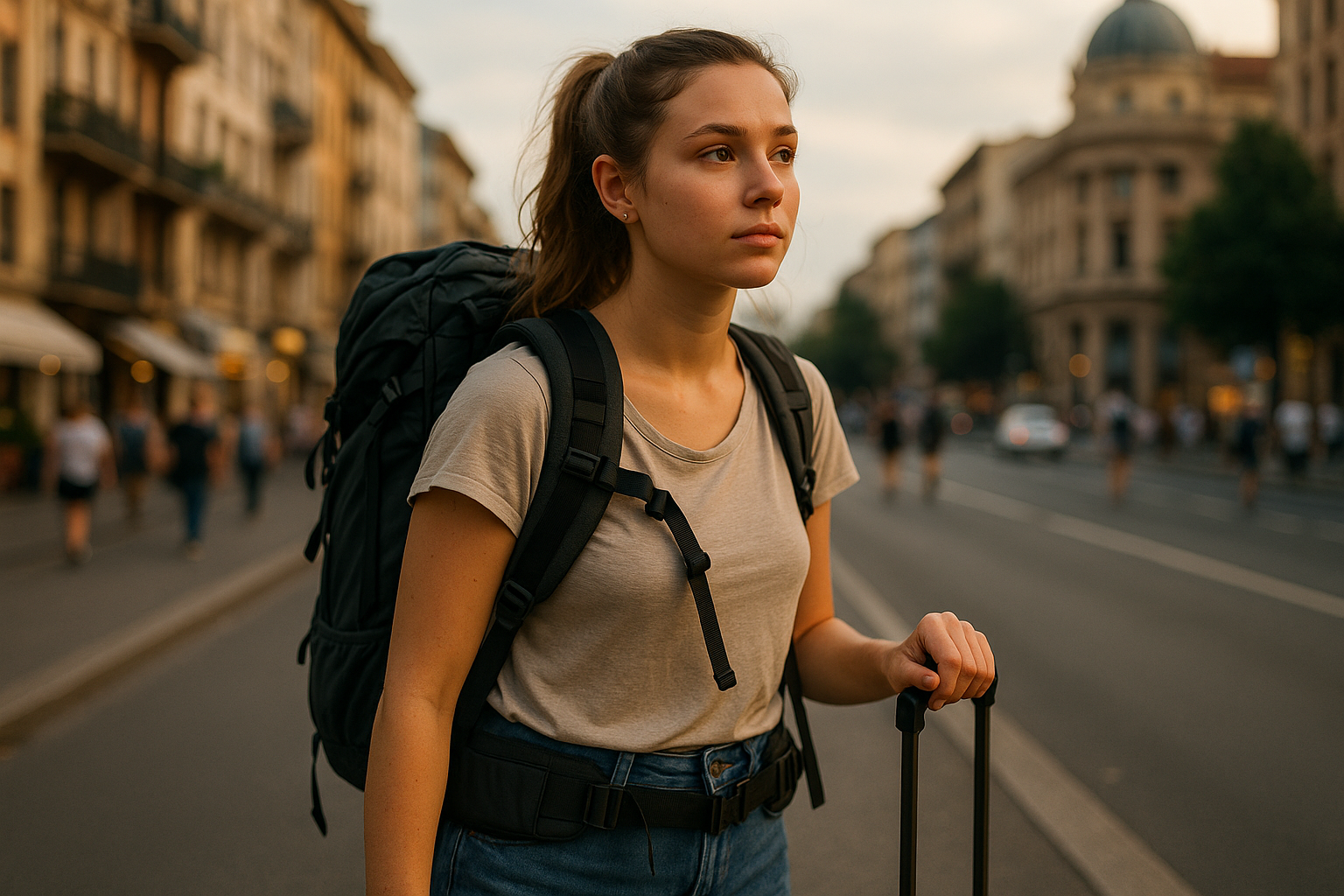
Solo Travel in Your 20s: How to Build Confidence and Stay Safe
Solo travel in your 20s is one of the most genuinely transformative things you can do for yourself — and that’s not a cliché. There’s something that shifts when you navigate a foreign city alone for the first time, figure out a missed connection, or share a meal with strangers who become friends by midnight. You come back different. Not because a travel brochure told you so, but because you actually lived it.
This guide is for anyone who’s been tempted by the idea of going solo but isn’t quite sure where to start. Maybe you’re anxious about safety. Maybe you’re worried you’ll be lonely. Maybe you just don’t know how to begin. All of that is completely normal — and all of it is manageable. Let’s get into it.
Why Solo Travel in Your 20s Hits Differently
Your 20s are a strange, exciting, sometimes chaotic stretch of life. You’re figuring out who you are, what you want, and where you fit. Solo travel accelerates that process in the best possible way.
When you travel alone, every decision is yours. Where to eat. Which street to turn down. Whether to stay an extra day or catch an early bus. That kind of freedom sounds simple, but it builds something real — a quiet confidence in your own judgment that carries into every other area of your life.
Research consistently shows that young adults who engage in independent travel develop stronger problem-solving skills, greater emotional resilience, and a more defined sense of identity. You’re not just collecting passport stamps. You’re building a version of yourself that knows how to adapt, communicate, and stay calm when things don’t go to plan.
And things will not always go to plan. That’s part of it.
Starting Small: Building Confidence Before You Go Big
You don’t have to book a six-month backpacking trip across Southeast Asia as your first solo adventure. Starting smaller is genuinely the smarter move — not because you can’t handle more, but because smaller trips teach you the skills you’ll need when you do go bigger.
Take a Weekend Trip Somewhere Familiar-ish
Your first solo trip doesn’t need to be far. A city a few hours away, a coastal town you’ve always been curious about, a country where you speak the language — these are all perfect starting points. The goal isn’t to test your limits immediately. It’s to get comfortable with the rhythm of traveling alone: booking accommodation, navigating transport, eating at restaurants by yourself, and filling your own time.
Once you’ve done that once, the anxiety drops significantly. You realize you’re capable. That realization is everything.
Use the Right Tools to Reduce Anxiety
A lot of travel anxiety comes from fear of the unknown. Practical tools close that gap.
- Offline maps: Download your destination on Google Maps or Maps.me before you arrive. You’ll never feel lost even without mobile data.
- Translation apps: Google Translate’s camera function can translate menus, signs, and instructions in real time. It’s genuinely useful.
- Travel insurance: This one isn’t optional. A solid policy covers medical emergencies, trip cancellations, and stolen belongings. It’s not expensive, and it completely changes your peace of mind.
- Currency apps: Know the exchange rate before you arrive so you’re not doing mental math under pressure at a market stall.
None of these tools make you less of a “real” traveler. They make you a smarter one.
How to Plan a Solo Trip in Your 20s (Without Over-Planning It)
There’s a sweet spot between winging it completely and over-scheduling every hour. Finding that balance is one of the most useful skills you’ll develop as a solo traveler — and it starts before you even pack your bag.
Choose a Destination That Matches Your Comfort Level
Not every destination is equally easy to navigate solo, especially for the first time. Think about language barriers, transport infrastructure, and how well-established the backpacker scene is. A place with a strong solo travel community means you’ll find hostels with social events, well-worn routes, and plenty of people in the same position as you.
If you’re newer to solo travel in your 20s, lean toward destinations with reliable public transport, English-friendly signage, and a reputation for being welcoming to independent travelers. You can always push into more challenging territory once you’ve built your confidence.
Set a Realistic Budget — Then Add a Buffer
Solo travel can actually be more budget-friendly than group travel. You make every spending decision yourself, which means no compromising on a pricier hotel because someone else wants more comfort. But costs do add up, especially when you’re eating every meal out and paying for activities alone.
Research the average daily cost for your destination before you go. Factor in accommodation, food, local transport, activities, and a buffer for unexpected expenses — a missed bus, a spontaneous day trip, a meal that was too good to pass up. Having that financial cushion means you can say yes to the things that matter without stressing about every purchase.
Build a Loose Framework, Not a Rigid Itinerary
Book your first night’s accommodation and your arrival transport. Know roughly what you want to see and do. Then leave room for the unexpected — because the unexpected is usually the best part. Some of the most memorable moments in solo travel happen when you follow a tip from someone you met at breakfast, or when you stumble down a side street that wasn’t on any map.
The itinerary you made at home is a suggestion, not a contract. Give yourself permission to change it.
👉 Read also: Solo Travel in 2026: The Best Destinations for First-Timers Going It Alone
Safety Fundamentals Every Solo Traveler Should Know
Safety is the topic most people are nervous to bring up because it can feel like acknowledging danger makes it more real. But preparation is the opposite of fear — it’s what allows you to travel freely and confidently.
Before You Leave Home
Share your itinerary with someone you trust. Not every detail, but enough — where you’re staying, how to reach you, and a rough plan of where you’ll be. This takes five minutes and provides enormous peace of mind for both you and the people who care about you.
Many countries offer free registration services for travelers. The U.S. Smart Traveler Enrollment Program (STEP) is one example — it allows American travelers to register their trip with the nearest embassy, receive safety alerts, and make it easier to be located in an emergency. Similar services exist for travelers from the UK, Australia, Canada, and most European countries. Use them.
Research your destination before you go. Not obsessively, but enough to understand local customs, which areas to avoid at night, how to dress respectfully, and what the emergency numbers are. The UK Foreign Travel Advice portal offers destination-specific safety guidance that’s regularly updated and genuinely useful regardless of your nationality.
On the Ground
Situational awareness is your most valuable safety tool. It doesn’t mean being paranoid — it means being present. Look up from your phone when you’re walking. Notice who’s around you. Trust your instincts. If something feels off, move away from the situation. You don’t owe anyone an explanation.
Keep digital copies of your important documents — passport, insurance, bookings — stored somewhere accessible like a cloud drive or email folder. If your bag gets stolen, you’ll still have everything you need to get help.
Be thoughtful about what you share on social media in real time. Posting your exact location while you’re still there, or sharing that you’re traveling alone, can attract the wrong kind of attention. Post the beautiful photos — just consider doing it after you’ve moved on.
Digital Safety
Use strong, unique passwords for your accounts and enable two-factor authentication before you travel. Avoid using public Wi-Fi for anything sensitive like banking. A VPN is worth considering if you plan to be on public networks regularly. These habits take minutes to set up and protect you from risks that most travelers don’t think about until it’s too late.
Finding Your People on the Road
Here’s something nobody tells you enough: solo travel doesn’t actually mean being alone all the time. In fact, traveling alone makes it far easier to meet people than traveling in a group. You’re more approachable, more open, and more likely to say yes to unexpected invitations.
Hostels Are Still One of the Best Decisions You Can Make
If you haven’t stayed in a hostel, you’re missing something genuinely special. The common room of a good hostel is one of the most socially vibrant spaces in travel. You’ll find people from every corner of the world, all in the same position as you — curious, open, and looking for connection.
You don’t have to be an extrovert to thrive in a hostel. Show up to a free walking tour organized by the hostel. Grab a seat at the communal dinner table. Ask someone where they’ve just come from. That’s usually enough to spark a conversation that turns into a shared day trip, and occasionally, a friendship that lasts years.
Group Tours and Experiences
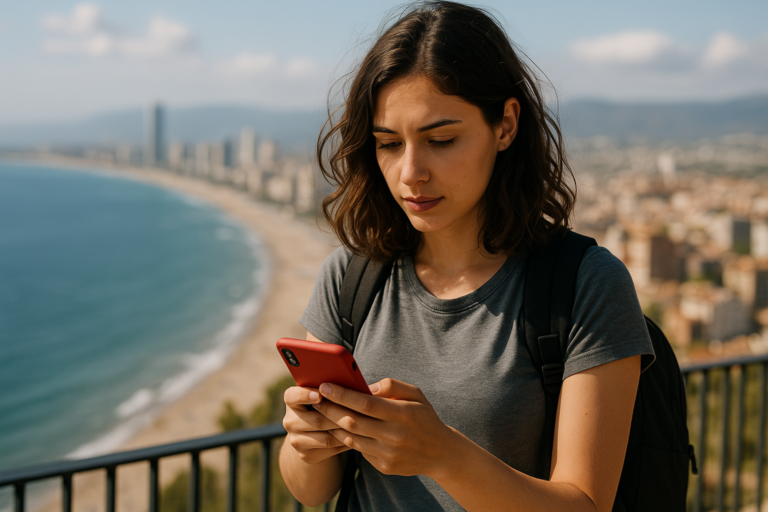
Joining a guided tour for a day — a cooking class, a hike, a street art walk — is one of the easiest ways to meet people when you’re traveling solo. You have a built-in shared experience, which is the fastest shortcut to genuine conversation. These don’t have to be expensive. Many cities offer free or low-cost walking tours run by local guides who work on tips.
Online Communities
Before you arrive somewhere, tap into the communities that already exist. Subreddits like r/solotravel are full of honest, practical advice from people who’ve been exactly where you’re going. Travel forums, Facebook groups for solo travelers, and apps like Meetup can help you find events or connect with other travelers in the same city at the same time.
These communities are also a great place to ask questions without judgment. No question is too basic. Everyone was a first-time solo traveler once.
Handling Loneliness and the Hard Moments
Solo travel in your 20s isn’t all golden-hour sunsets and spontaneous adventures. Some moments are genuinely hard. You’ll have a bad travel day — a delayed train, a hostel that doesn’t match its photos, a moment where you just wish someone else was there to figure it out with you.
Those moments matter too. Not because suffering is romantic, but because getting through them teaches you something important about yourself. You problem-solve. You adapt. You realize that you’re more capable than you thought.
Loneliness is real, and it’s okay to acknowledge it. Call someone from home. Write in a journal. Give yourself permission to have a slow day in a café with a book. You don’t have to be “on” every single moment. Some of the best travel memories come from quiet afternoons where nothing particularly exciting happened — you were just present somewhere new, and that was enough.
How Solo Travel Shapes Who You Become
The effects of solo travel in your 20s don’t stay on the road. They come home with you.
👉 Read also: Solo Travel Safety: Real Talk About Staying Smart Without Staying Scared
People who travel solo regularly report greater confidence in social situations, stronger decision-making abilities, and a broader perspective on the world. When you’ve navigated a language barrier, managed a travel emergency, or found your way through an unfamiliar city alone, everyday challenges start to feel more manageable.
There’s also something that happens to your values. You meet people living completely different lives from yours, and it quietly dismantles assumptions you didn’t even know you had. About what success looks like. About what you actually need to be happy. About what kind of life you want to build.
Many solo travelers describe a shift in how they approach relationships too. You become a better communicator, more comfortable with discomfort, and more genuinely curious about other people’s stories. Those are qualities that improve every relationship in your life — friendships, romantic partnerships, professional connections.
Practical Tips to Make Your First Solo Trip Smoother
- Book your first night in advance. Arriving in a new place with nowhere to go is stressful. Even if you plan to be spontaneous after that, knowing where you’re sleeping on night one removes a lot of pressure.
- Pack lighter than you think you need to. You’ll thank yourself every time you don’t have to wrestle an oversized bag through a crowded train station.
- Learn a few words in the local language. Hello, thank you, please, excuse me. That’s it. Locals appreciate the effort, and it opens doors that staying in English-only mode keeps closed.
- Have a backup payment method. Keep a small amount of emergency cash separate from your wallet. If your card gets blocked or your bag gets stolen, you’ll be grateful for it.
- Give yourself permission to change the plan. Some of the best travel experiences happen when you follow a recommendation from someone you met that morning.
- Check in with yourself regularly. Are you tired? Hungry? Overstimulated? Solo travel means you’re the only one looking out for you. Take that seriously.
- Stay flexible with accommodation. Booking a few nights at a time rather than locking in your entire trip gives you the freedom to stay longer somewhere you love or move on when you’re ready.
The Best Destinations for Solo Travel in Your 20s
Some places are particularly well-suited to solo travel in your 20s — not because they’re the easiest or the safest in an absolute sense, but because they have strong backpacker infrastructure, active solo traveler communities, and an energy that makes it easy to connect.
Portugal is consistently popular for good reason. Lisbon and Porto are walkable, affordable, and genuinely welcoming to solo travelers. The hostel scene is excellent, the food is extraordinary, and the pace of life encourages you to slow down and actually experience where you are.
Japan is another standout. It’s remarkably safe, incredibly well-organized, and endlessly fascinating. The cultural experience is unlike anywhere else in the world, and solo travel is completely normalized there — you’ll find restaurants with single-seat counters designed specifically for people eating alone.
Colombia, Vietnam, Georgia (the country), and New Zealand are all destinations that solo travelers return to raving about. Each offers a different kind of adventure, a different culture, and a different set of experiences — but all share that quality of being genuinely rewarding for people exploring independently.
If you’re looking for somewhere to start closer to home, consider cities like Barcelona, Kraków, or Medellín — vibrant, affordable, and full of other young travelers doing exactly what you’re doing. The solo travel community in these places is alive and welcoming, which makes the whole experience feel less daunting and a lot more fun.
Solo Travel on a Budget in Your 20s: What You Actually Need to Know
One of the biggest myths about solo travel in your 20s is that it’s expensive. It doesn’t have to be. With the right approach, you can explore incredible places without draining your savings — and in some cases, traveling solo is actually cheaper than staying home.
Where Your Money Goes Furthest
Southeast Asia, Central America, Eastern Europe, and parts of South America offer some of the best value for young solo travelers. In destinations like Vietnam, Albania, or Colombia, a daily budget of $40–$60 can cover a comfortable hostel bed, three meals, local transport, and an activity or two. That’s not roughing it — that’s traveling smart.
How to Cut Costs Without Cutting Experiences
- Travel during shoulder season. You’ll find lower prices, fewer crowds, and a more authentic local atmosphere. Late spring and early autumn are often the sweet spot for many popular destinations.
- Eat where locals eat. Street food markets, neighborhood restaurants away from tourist squares, and local lunch spots almost always offer better food at a fraction of the price.
- Use overnight transport. An overnight bus or train saves you a night’s accommodation and gets you to your next destination at the same time. It’s one of the oldest budget travel tricks — and it still works.
- Look for free experiences. Many of the most memorable moments in travel cost nothing — hiking a trail, exploring a neighborhood, visiting a free museum day, watching the sunset from a rooftop.
- Book flights with flexibility. If your dates are flexible, use fare comparison tools to find the cheapest windows. Flying mid-week or choosing less obvious routes can save you significantly.
You’re More Ready Than You Think
The biggest barrier to solo travel in your 20s isn’t money, or language, or safety — it’s the story you tell yourself about not being ready yet. The truth is, you learn by doing. The first trip is always the hardest, and it’s never as hard as you imagined it would be.
Start somewhere. Start small if you need to. But start. Because the version of you that comes back from even a single solo trip is already different — more confident, more curious, and more certain that the world is bigger and more welcoming than it looks from home. That’s not a sales pitch. That’s just what happens when you go.
Pack your bag. Trust yourself. The journey is waiting.
Frequently Asked Questions About Solo Travel in Your 20s
Is solo travel in your 20s actually safe?
Yes — with the right preparation. Research your destination, share your itinerary with someone at home, get travel insurance, and stay aware of your surroundings. Millions of young people travel solo every year without incident. Preparation is what makes the difference, not avoiding travel altogether.
How much money do I need to travel solo in my 20s?
It depends entirely on where you go and how you travel. Budget destinations in Southeast Asia or Eastern Europe can cost as little as $30–$50 a day including accommodation, food, and activities. Western Europe and Oceania will cost more. The key is researching your destination’s average daily costs before you go and building in a buffer for unexpected expenses.
What if I get lonely traveling alone?
Loneliness happens, and it’s completely normal. The good news is that solo travel actually makes it easier to meet people — you’re more approachable and more open to spontaneous connections. Staying in hostels, joining day tours, and tapping into online travel communities are all reliable ways to find your people on the road. And on the quieter days, give yourself permission to just be — sometimes that’s the most valuable part of the trip.
What’s the best age to start traveling solo?
There’s no perfect age, but your 20s are genuinely one of the best windows. You likely have more flexibility than you will later, fewer fixed commitments, and enough life experience to handle challenges independently. Many solo travelers wish they’d started earlier — so if you’re thinking about it, now is a great time.
Do I need to speak the local language to travel solo?
Not at all. A few key phrases go a long way — hello, thank you, please, excuse me — and translation apps handle the rest. Most popular travel destinations have enough English signage and speakers to make navigation straightforward. The effort of learning even a handful of local words is always appreciated, though, and often opens up warmer interactions with the people you meet.
Is solo travel in your 20s worth it?
Genuinely, yes. The confidence, perspective, and self-awareness you build through solo travel are difficult to develop any other way. Most people who take their first solo trip describe it as one of the best decisions they’ve made — and almost everyone says they wish they’d done it sooner. The experiences you collect, the people you meet, and the version of yourself you discover along the way are worth every moment of pre-trip nerves.
This article was produced with AI assistance and reviewed editorially.


Planning Your First Solo Trip: A Step-by-Step Blueprint for Unforgettable Travel

Teaching English Abroad in 2026: Top Countries, Visa Requirements & Real Salaries


