
Argentina
Buenos Aires 2026: Tango, Steak & the Neighborhoods Where Locals Actually Live
Explore Buenos Aires beyond tourist clichés with this travel guide covering authentic neighborhoods, tango venues, local parrillas, and how to experience the city like lo

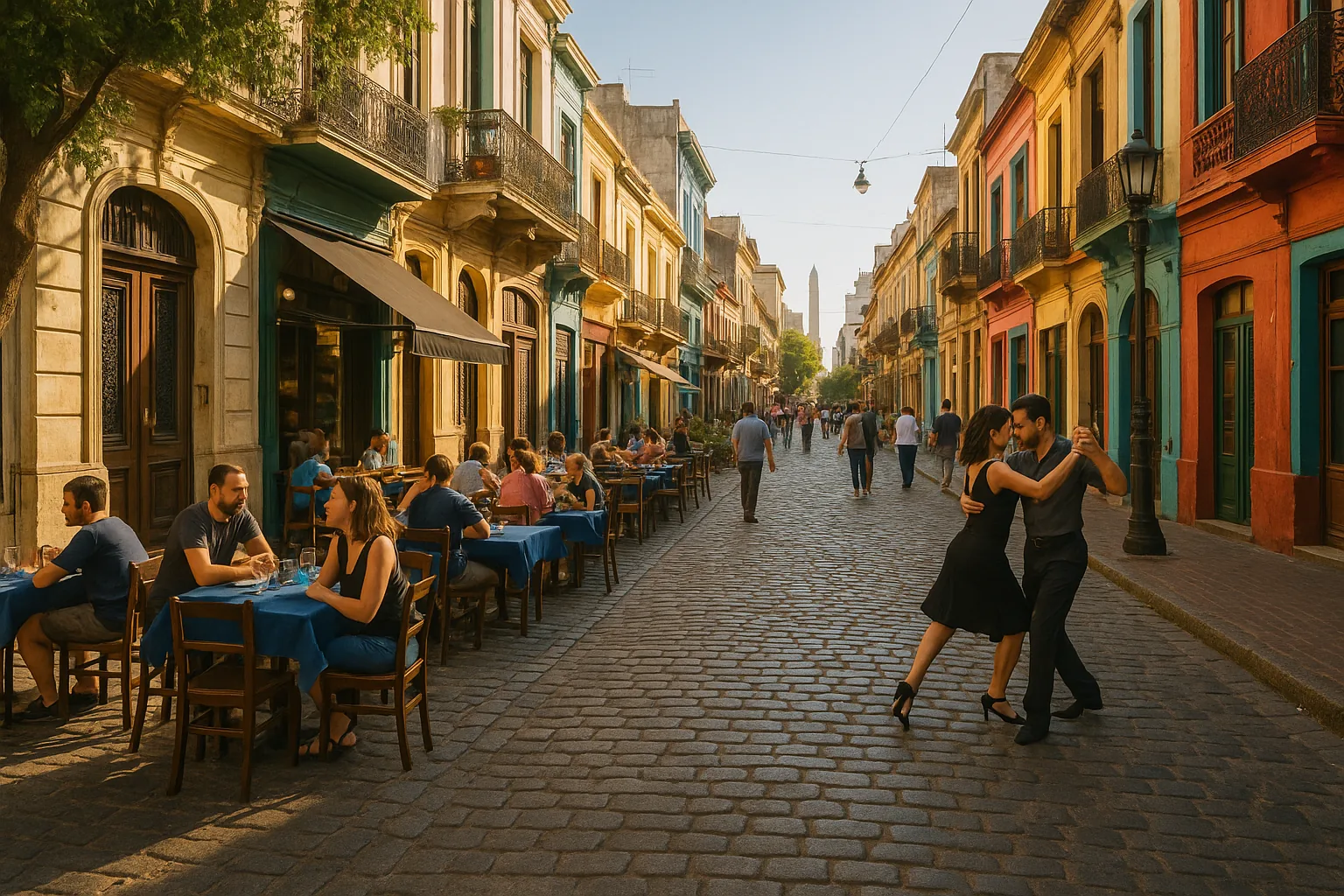
Buenos Aires is one of those cities that gets under your skin from the very first day. The streets are alive with conversation, the smell of grilling meat drifts through open doorways, and somewhere nearby, a pair of dancers are locked in a slow, electric tango. If you’re putting together a Buenos Aires travel guide for 2026, you’ve already made a great call — this city rewards curious, open-minded travelers who are willing to wander beyond the obvious and let the rhythm of the place pull them in. Here’s how to actually experience it.
Why Buenos Aires Belongs on Your Travel List Right Now
There’s a reason Buenos Aires keeps showing up on lists of the world’s most captivating cities. It’s not just one thing — it’s the combination of European architecture, Latin American energy, world-class food, and a cultural scene that refuses to slow down. Buenos Aires concentrates Argentina’s steak, wine, and tango culture into one sprawling, endlessly walkable metropolis, and it does so with a confidence that feels completely effortless.
For young travelers, the city offers something rare: the feeling that you’ve arrived somewhere genuinely alive. People here eat dinner at ten at night, dance until sunrise, and debate philosophy over coffee that takes an hour to finish. It’s not performative. It’s just how life is lived here. And once you settle into that rhythm, going back to anywhere else feels slightly less interesting.
The city also operates on a predominantly card-based payment system, which makes daily transactions easier than you might expect in South America. That said, it’s always smart to carry a small amount of local currency for markets, smaller cafés, and street food vendors who may not have card readers.
Navigating the Neighborhoods: Where to Actually Spend Your Time
Buenos Aires is a city of distinct neighborhoods — called barrios — and each one has its own personality. Getting to know a few of them properly is far more rewarding than trying to tick every corner of the map in a single trip.
San Telmo: Where Tango Was Born
If you only have time for one neighborhood, make it San Telmo. It’s widely described as the birthplace of tango, and that history is still very much present in the cobblestone streets, the antique markets, and the intimate performance venues tucked into old colonial buildings. The Window Tango Show, located right in San Telmo, is one of the more atmospheric ways to experience a live tango performance — especially if you combine it with dinner and let the evening unfold at its own pace.
Wander the Sunday market along Defensa Street, where vendors sell vintage goods, handmade crafts, and street food. Stop for a coffee at one of the old-school cafés. Watch the street performers. San Telmo doesn’t rush you, and you shouldn’t rush it either.
La Boca: Color, Art, and Tourist Energy
La Boca is one of the most visually striking neighborhoods in the city — a riot of color along the famous Caminito street, where painted tin houses line narrow lanes and street artists perform tango for passing visitors. It’s vibrant and very touristy, which is worth knowing before you go. That doesn’t make it less worth visiting — the murals, the energy, and the sheer visual impact are genuinely memorable — but it does mean you should keep your wits about you and stay in the well-trafficked areas, particularly if you’re exploring on your own.
La Boca is best visited during the day. Come for a few hours, soak up the color and the atmosphere, grab a bite, and then move on to somewhere with a bit more local texture in the evening.
Palermo: The Neighborhood That Has Everything
Palermo is where a lot of young travelers end up spending most of their time, and it’s not hard to see why. It’s one of the largest and most diverse barrios in the city, split into sub-neighborhoods like Palermo Soho and Palermo Hollywood, each with its own vibe. You’ll find independent boutiques, excellent restaurants, rooftop bars, parks, and a nightlife scene that genuinely delivers.
👉 Read also: City Guides for Young Travelers: Buenos Aires, Quito, and Trujillo (Culture, Food & Adventure)
During the day, the Bosques de Palermo — the large park area in the neighborhood — is perfect for a slow morning walk or a picnic. In the evenings, the streets around Palermo Soho come alive with people heading out for dinner, drinks, and live music. If you want to feel like you’re living in Buenos Aires rather than just visiting it, Palermo is a strong base.
Recoleta: Architecture, History, and a Famous Cemetery
Recoleta is the city’s most elegant neighborhood, known for its beautiful houses and palaces that give the area a distinctly Parisian feel. It’s also home to the Recoleta Cemetery, which sounds like an odd tourist attraction until you actually walk through it and realize it’s one of the most extraordinary places in the city — a labyrinth of ornate mausoleums and family vaults that tells the story of Argentina’s history through its architecture.
The neighborhood itself is great for an afternoon stroll. There are excellent museums nearby, leafy plazas, and some of the city’s best traditional cafés. It’s a slightly slower, more refined pace compared to Palermo, and that contrast is part of what makes Buenos Aires so interesting to explore.
Eating Your Way Through the City
Let’s be honest: the food is one of the main reasons to visit Buenos Aires. The city takes eating seriously, and it shows in everything from the quality of the ingredients to the sheer amount of time people dedicate to a meal.
A parrilla — a traditional Argentine steakhouse — is a non-negotiable experience. These aren’t fancy restaurants with elaborate menus. They’re places where meat is the point, where it arrives on a wooden board, perfectly cooked over open flames, and where the only decision you really need to make is which cut you want. Asado culture is central to Argentine identity, and sitting down to a proper parrilla meal is one of the most authentic things you can do in the city.
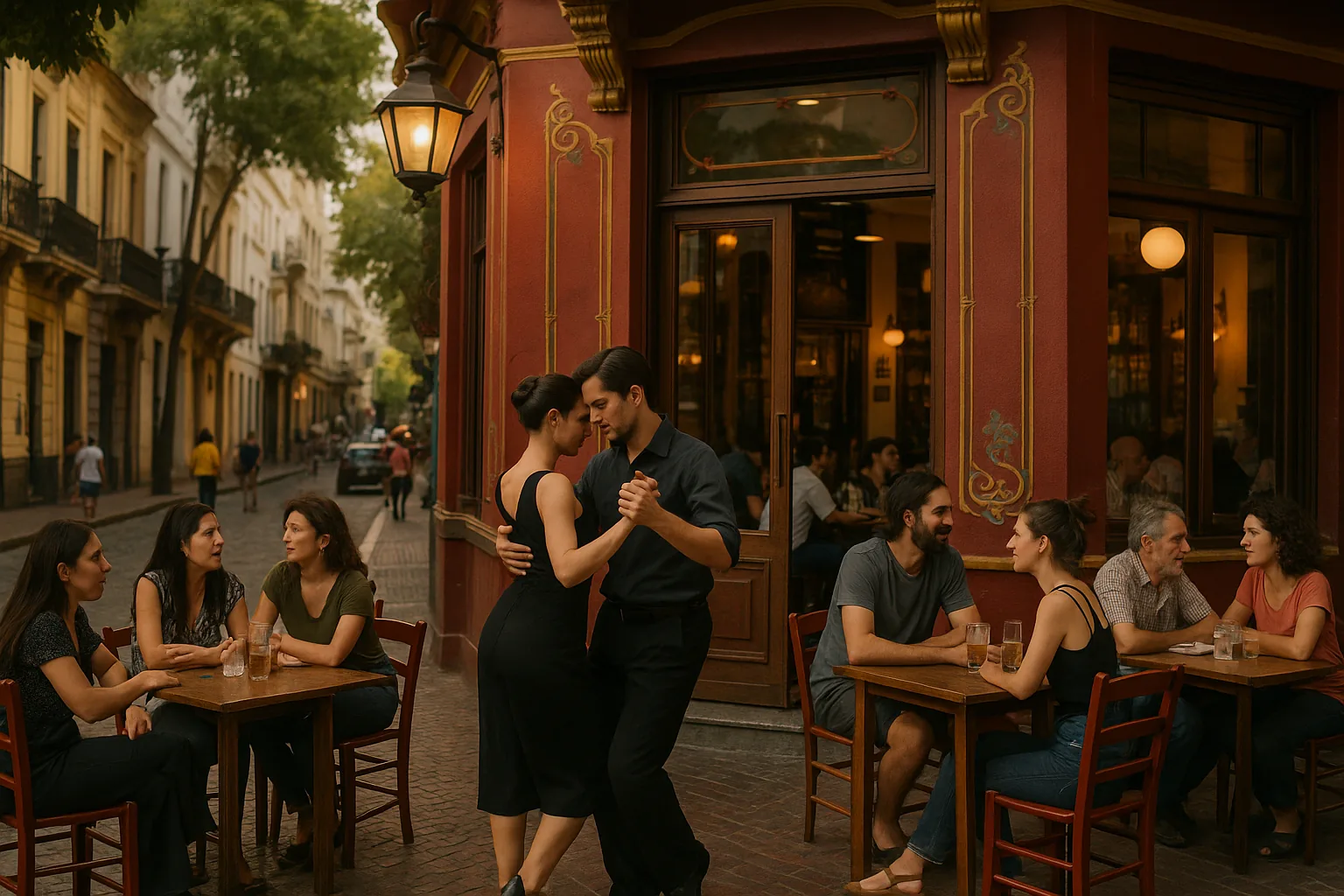
Beyond steak, the food scene is genuinely diverse. You’ll find excellent Italian-influenced pasta (Argentina has a huge Italian heritage), creative modern restaurants in Palermo, empanada shops on almost every corner, and heladerías — ice cream shops — that are genuinely some of the best in the world. Don’t skip the ice cream. Seriously.
Mealtimes here run late by most standards. Lunch is typically around two in the afternoon, and dinner rarely starts before nine. If you show up at a restaurant at seven, you may find yourself eating alone in an empty room. Lean into the local schedule and your evenings will feel much more alive.
Tango: How to Experience It the Right Way
Tango is everywhere in Buenos Aires, but not all tango experiences are created equal. There’s a difference between a polished tourist show and the real thing, and it’s worth knowing how to find both — because both have their place.
For a theatrical introduction, a dinner tango show in San Telmo is a great starting point. The performances are professional, the atmosphere is beautiful, and you leave with a genuine sense of what tango looks and feels like when it’s done well. Think of it as an entry point rather than the whole story.
The deeper experience is at a milonga — a social tango event where locals go to actually dance. These happen in community halls, cultural centers, and dedicated dance spaces throughout the city, several nights a week. You don’t need to be an expert to go. Many milongas welcome beginners, and watching experienced dancers on the floor is an education in itself. The energy in a good milonga is unlike anything else: focused, intimate, and quietly electric.
👉 Read also: Barcelona's Best Cafes & Cocktail Bars: A Local's 2026 Guide to Living Like a Catalan
If you’re visiting in late August or early September, you’re in for something special. From 19 August to 2 September 2026, Buenos Aires hosts the Tango BA Festival y Mundial, widely recognized as the world’s largest tango festival and championship. The city fills with dancers from around the globe, and free performances and workshops pop up across multiple venues. It’s one of the most extraordinary cultural events you can witness anywhere in South America, and the energy it brings to the city is genuinely unforgettable. You can find more information through the official Buenos Aires city tourism portal.
Getting Around and Staying Smart
Buenos Aires is a large city, but it’s not an intimidating one to navigate. The subte — the city’s subway system — covers many of the main neighborhoods and is one of the easiest and most affordable ways to get around. Buses are also extensive and cheap, though the route system takes a little getting used to. Apps that show real-time routes make this much easier.
For shorter distances, walking is often the best option. Buenos Aires is a city that reveals itself on foot. You’ll stumble across bookshops, street murals, hidden plazas, and impromptu music performances that you’d completely miss from the back of a taxi. Ride-hailing apps also work well here and are generally affordable by international standards.
Like any major city, Buenos Aires has areas that are more relaxed and areas where you should stay alert. The neighborhoods covered in this guide — San Telmo, Palermo, Recoleta, and the tourist-facing parts of La Boca — are all well-frequented and generally comfortable to explore. Standard travel common sense applies: keep your phone in your pocket rather than in your hand, be aware of your surroundings, and don’t flash expensive gear unnecessarily. The vast majority of travelers have completely smooth experiences here.
Budgeting for Buenos Aires in 2026
Buenos Aires can be genuinely affordable for travelers coming from outside Argentina, though exchange rates and local economic conditions shift, so it’s worth checking the current situation before you go. What you can count on is that the city rewards travelers who eat where locals eat, use public transport, and explore on foot rather than relying on tourist packages for everything.
A meal at a local parrilla or a neighborhood restaurant will cost significantly less than the equivalent quality meal in most European or North American cities. Coffee culture is also strong and inexpensive — and sitting in a café for two hours over a single cortado is not just acceptable, it’s expected. Markets, public parks, free cultural events, and street performances mean there’s always something to do without spending much at all.
Accommodation ranges from excellent budget hostels — particularly in Palermo and San Telmo — to boutique hotels and guesthouses that offer real character without the price tag of a chain hotel. Booking a few months ahead, especially if you’re visiting during the Tango Festival period, is a smart move.
The Mindset That Makes Buenos Aires Click
The travelers who love Buenos Aires most are usually the ones who slow down enough to let it happen. This isn’t a city you conquer with a checklist. It’s a city you settle into — neighborhood by neighborhood, meal by meal, conversation by conversation.
Learn a few words of Spanish. Even basic phrases — gracias, por favor, una cerveza, por favor — open doors and warm people up immediately. Porteños, as Buenos Aires locals are called, are proud of their city and genuinely enjoy sharing it with visitors who show curiosity and respect.
Go to a football match if you get the chance. Sit in a café and read for an afternoon. Walk across a neighborhood you haven’t planned to visit. Say yes to the invitation you didn’t expect. This Buenos Aires travel guide can point you in the right direction, but the city itself will do the rest — and it does it remarkably well.
Buenos Aires is the kind of place that stays with you long after you’ve left. You’ll find yourself thinking about the way the evening light hit the cobblestones in San Telmo, or the sound of a bandoneon drifting out of an open window, or the taste of a steak that made every other steak feel slightly inadequate. Come with an open schedule, a curious mind, and a genuine appetite — for food, for culture, for the unexpected — and Buenos Aires will give you more than you came looking for.
This article was produced with AI assistance and reviewed editorially.


Buenos Aires and Capri: Navigating Iconic Destinations Without the Crowds

Buenos Aires 2026: Tango, Steak & the Neighborhoods Where Locals Actually Live


