
Colombia
Colombia’s Caribbean Coast: Hostels, Beaches, and Adventures in Tayrona and the Rosarios Islands
Explore top hostels near Tayrona National Park on Colombia’s Caribbean coast. Compare options, snorkeling trips, and hiking adventures for backpackers.

Colombia’s Caribbean coast has a way of pulling you in before you’ve even packed your bag. From the moment you start reading about Tayrona National Park hostels tucked between jungle and sea, or picture yourself snorkeling above coral reefs off the Rosario Islands, something shifts — suddenly, the trip stops feeling optional. This stretch of coastline runs from the windswept dunes of La Guajira all the way south to the colonial grandeur of Cartagena, and in between, it offers one of the most varied, affordable, and genuinely exciting backpacker routes in all of South America. Whether you’ve got a week or a month, this is a coast that rewards the curious and the spontaneous in equal measure.
Why Colombia’s Caribbean Coast Belongs on Your Radar
There’s a reason so many young travelers end up extending their stays here. The Caribbean coast of Colombia isn’t a single destination — it’s a whole mood. You move from dense jungle to white sand beaches to mountain cloud forests to colonial plazas, sometimes within the same day. Santa Marta, Tayrona, Palomino, and Cartagena form the backbone of the classic north coast trail, and each one brings something completely different to the table.
Santa Marta acts as the natural gateway. It’s a real city — chaotic, colorful, and full of life — and it gives you easy access to both Tayrona National Park and the mountain village of Minca, where coffee farms and waterfalls wait above the coastal heat. Head east and you’ll find Palomino, a laid-back beach town beloved by surfers and hammock enthusiasts. Head west and Cartagena opens up like a film set, with its walled old city, Caribbean sunsets, and the jumping-off point for the Rosario Islands.
The beauty of this route is how naturally it flows. You don’t need to rush. You don’t need a rigid itinerary. The coast has its own rhythm, and once you fall into it, a few days can turn into a few weeks without any regret.
Tayrona National Park Hostels: Where to Rest Between Adventures
Let’s talk about the part that makes or breaks a Tayrona trip: where you actually sleep. Finding the right base near the park shapes your entire experience, and the good news is that the options around here are genuinely special — far more interesting than a generic hotel room.
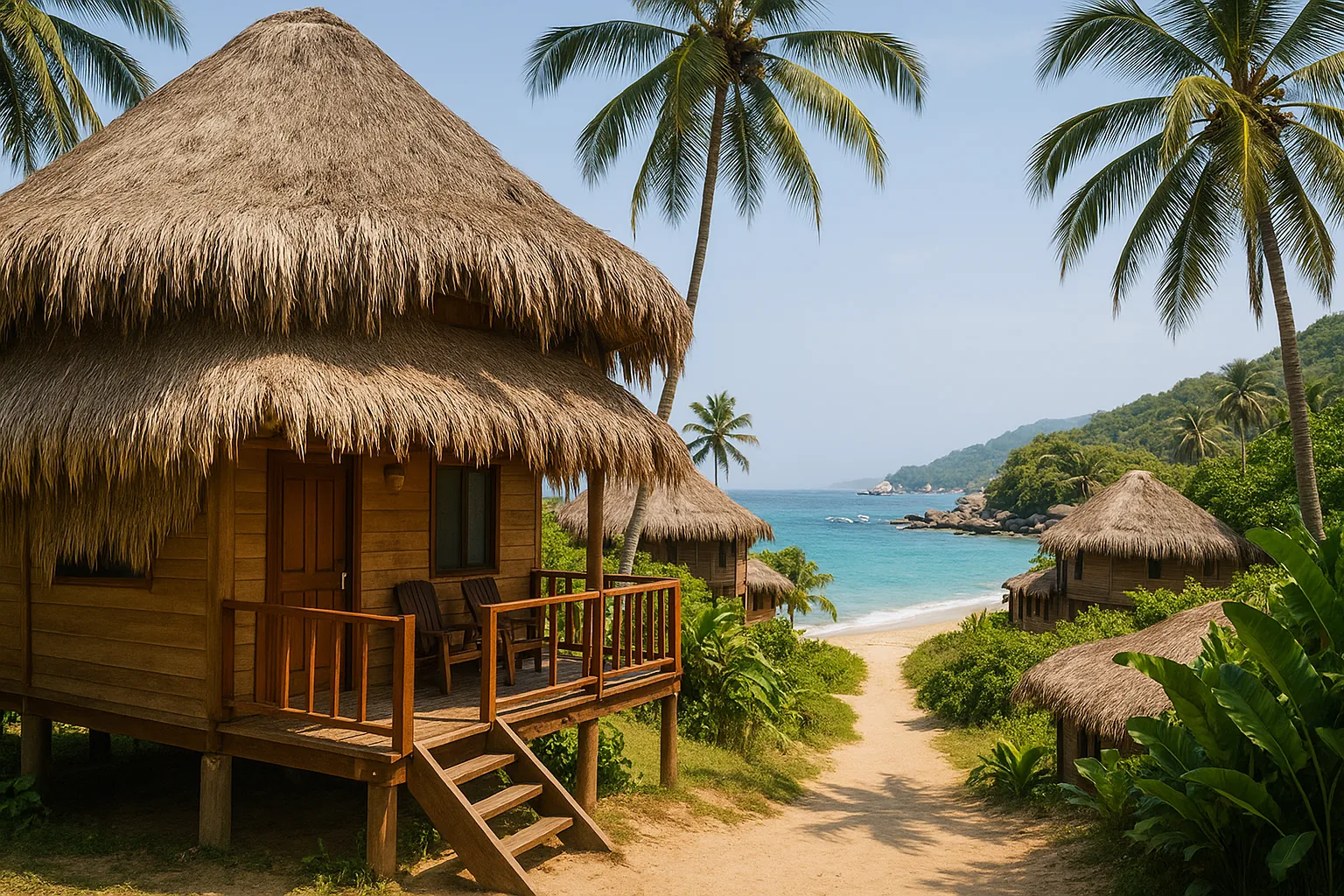
One of the most talked-about Tayrona National Park hostels is Viajero Tayrona Hostel, an eco-friendly, socially-oriented boutique hostel located right within the park itself on Colombia’s Caribbean coast. The fact that it sits inside Tayrona rather than on its outskirts is a real advantage — you wake up to jungle sounds, step outside into the park’s atmosphere, and feel genuinely embedded in the environment rather than just visiting it. Boutique-style hostels like this tend to attract travelers who care about the experience as much as the price tag, and Viajero has built a reputation for exactly that kind of community feel.
If you prefer to stay just outside the park boundary, Valley Tayrona Hostel is another strong option. Located just outside Santa Marta along the Caribbean coast of northern Colombia, it offers access to wildlife, jungle hikes, beaches, and rivers — essentially everything Tayrona is famous for, with the added bonus of being close enough to the city when you need it. It’s the kind of place where you might arrive planning to stay two nights and end up booking four.
When choosing between Tayrona National Park hostels, think about what kind of traveler you are. If you want total immersion — hiking at dawn, swimming at dusk, no city noise — staying inside or as close to the park as possible makes sense. If you like having a bit more flexibility, a hostel near Santa Marta gives you access to transport, restaurants, and the option to day-trip into Tayrona at your own pace. Neither choice is wrong; they just offer different versions of the same adventure.
Inside the Park: Hiking, Beaches, and the Wild Side of Tayrona
Tayrona National Park is a major destination on Colombia’s Caribbean coast for good reason. It’s one of those rare places where the jungle meets the sea in a way that feels almost theatrical — mossy boulders tumbling into turquoise water, palm trees arching over coves, howler monkeys making their presence known from somewhere in the canopy above.
👉 Read also: Tayrona National Park, Colombia: Best Hostels & How to Base Yourself on the Caribbean Coast
The park’s trails connect a series of beaches, and walking between them is part of the experience. The paths range from easy coastal walks to more demanding jungle hikes, and the reward at the end — a quiet bay, a hammock strung between palms, a cold drink from a park vendor — feels genuinely earned. Some beaches within Tayrona are safe for swimming; others have strong currents and are better for sitting and staring. Pay attention to the local signs and ask your hostel staff before diving in.
One of the most memorable things about Tayrona is how it manages to feel wild even when it’s busy. The park limits visitor numbers and restricts certain activities to protect its ecosystems, which means you’re unlikely to find the kind of overcrowding that ruins other popular natural areas. The jungle stays loud, the water stays clear, and the sense of being somewhere genuinely untouched remains intact — as long as you respect the environment in return.
For hikers, the trail to the Ciudad Perdida (the Lost City) starts from the Santa Marta region and is one of the most legendary multi-day treks in South America, though it requires a separate guided tour and several days to complete. If that’s on your list, plan your Tayrona stay around it — the two experiences complement each other perfectly.
The Rosario Islands: Snorkeling, Island Hopping, and Slowing Down
About an hour’s boat ride from Cartagena, the Rosario Islands — Las Islas Rosarios — offer a completely different flavor of Caribbean adventure. Where Tayrona is jungle and drama, the Rosarios are calm, clear water and coral reefs. The pace drops. The colors shift. You spend your days in the sea.
The islands feature genuine snorkeling opportunities and reefs that reward anyone willing to put on a mask and slip beneath the surface. Isla Grande, the largest island in the archipelago, includes a snorkeling bay called La Playita — a sheltered spot where the water is shallow enough for beginners but interesting enough to keep experienced snorkelers happy. Coral formations, tropical fish, and the general feeling of floating in a warm, blue dream make this one of the most accessible marine experiences on the Colombian coast.
Island hopping around the Rosarios is easy enough to organize through boat tours departing from Cartagena. Most trips visit multiple islands in a single day, giving you a taste of the archipelago’s variety — some islands are more developed, with restaurants and accommodation options, while others feel almost deserted. If you want to stay overnight, Isla Grande has a handful of guesthouses and small eco-lodges that let you experience the islands after the day-trippers have gone home, which is when they’re at their most beautiful.
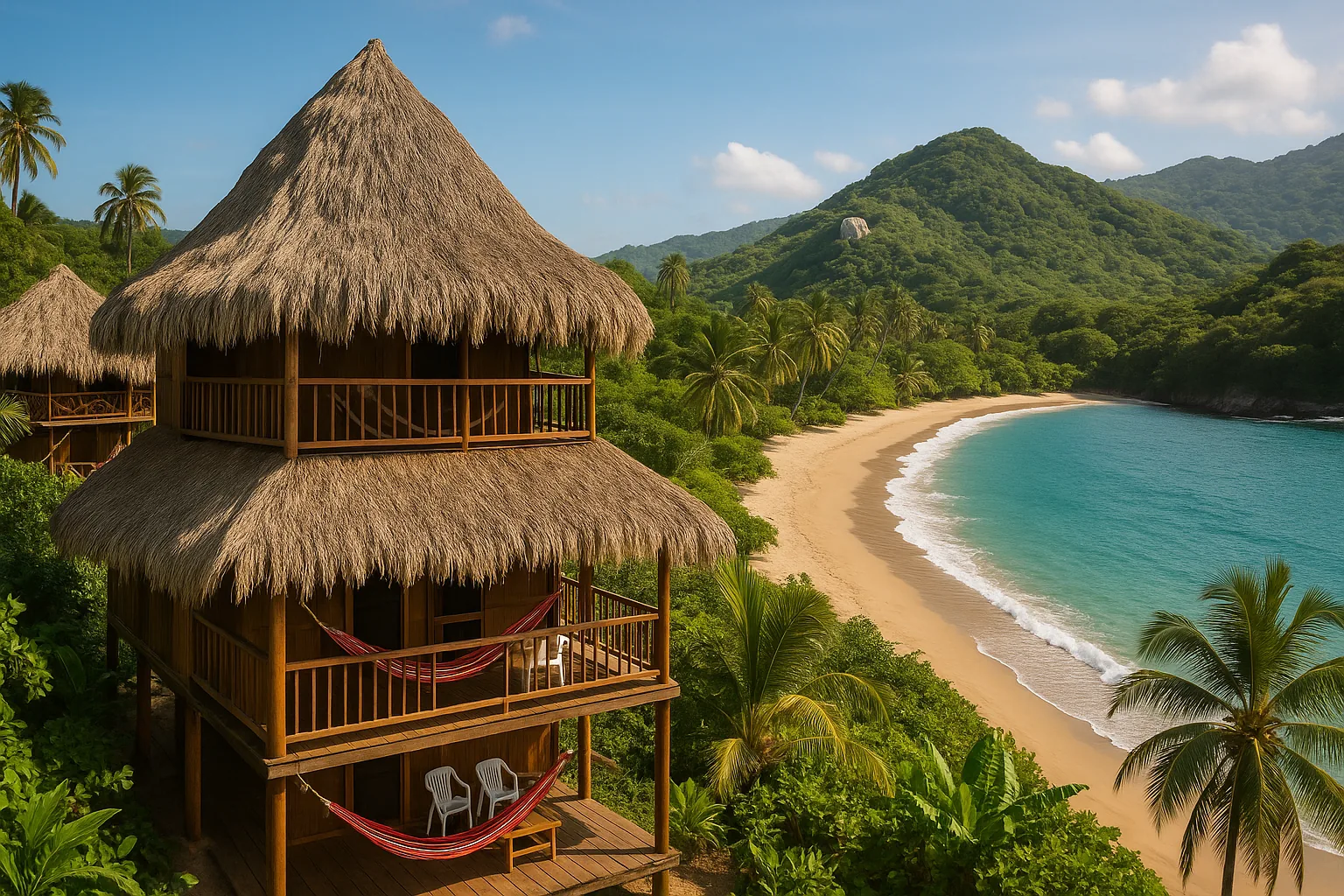
The Rosarios work brilliantly as a two-to-three day detour from Cartagena, and they pair naturally with the rest of the Caribbean coast route. After days of jungle hiking in Tayrona, floating above a coral reef feels like exactly the right kind of contrast.
Building Your North Coast Route: From La Guajira to Cartagena
The full Caribbean coast experience can stretch across two weeks or more. A 15-day itinerary that explores destinations from the La Guajira desert to the mountain village of Minca, including Tayrona, Cartagena, and the Rosario Islands, gives you a genuine cross-section of everything this region offers. That’s the kind of trip that stays with you.
Here’s how a typical north coast backpacker route tends to unfold:
👉 Read also: Central America's Caribbean Coast: Where to Stay in Santa Marta, Bacalar & Tayrona
- La Guajira Peninsula — the remote, wind-sculpted desert at Colombia’s northeastern tip, home to the indigenous Wayuu people and some of the most surreal landscapes in the country. It requires a bit more planning to reach, but it’s worth it.
- Santa Marta and Minca — use Santa Marta as your base for Tayrona day trips or as a launching point for the Lost City trek. Take a day or two to head up to Minca for cooler air, coffee farm tours, and waterfalls.
- Tayrona National Park — spend at least two to three nights here, staying at one of the park’s hostels to make the most of early morning hikes and quiet evenings on the beach.
- Palomino — a mellow beach town east of Tayrona, known for river tubing, surf lessons, and the kind of laid-back atmosphere that makes it hard to leave on schedule.
- Cartagena — end the route in Colombia’s most iconic city. Wander the walled old town, eat well, and use it as the base for your Rosario Islands day trip or overnight stay.
The beauty of this route is its flexibility. You can do it in either direction, skip sections based on your interests, or slow down wherever feels right. The backpacker infrastructure along the coast is well-developed — hostels, shared minibuses, boat connections, and local guides are all easy to find without pre-booking every detail.
Practical Things Worth Knowing Before You Go
Colombia’s Caribbean coast is generally welcoming and well-set-up for independent travelers, but a few practical points will make your trip smoother.
Entry to Tayrona National Park requires a fee and, during peak periods, advance registration. The park does limit daily visitor numbers to protect the ecosystem, so if you’re planning to go during Colombian holiday periods or the dry season (roughly December through March and July through August, though conditions can vary), it’s worth checking the current entry requirements before you arrive. Your hostel will usually have up-to-date information on this.
When it comes to choosing Tayrona National Park hostels, book ahead if you’re traveling during high season. The most popular options fill up quickly, and showing up without a reservation during a busy period can mean a long, hot journey back to Santa Marta to find a bed. Off-season travel — particularly in the shoulder months — tends to be quieter, cheaper, and in some ways more rewarding, since you’ll share the trails and beaches with fewer people.
For the Rosario Islands, boat tours from Cartagena typically depart in the morning and return in the afternoon. If you want to stay overnight on Isla Grande, arrange accommodation in advance, as options are limited and tend to book out. Bring reef-safe sunscreen — the coral reefs are protected, and standard chemical sunscreens can cause real damage to marine ecosystems.
Spanish will get you far on the north coast. English is spoken in many hostels and tourist areas, but venturing off the main trail — into local restaurants, small villages, or more remote areas — is much richer when you can communicate directly. Even a basic level of Spanish opens doors that stay closed otherwise.
Who Thrives on This Route (Hint: Almost Everyone)
The Caribbean coast of Colombia works for a surprisingly wide range of travelers. Solo adventurers find the hostel community welcoming and easy to plug into — the kind of place where you arrive alone and leave with a group of people you’ll stay in touch with for years. Small groups of friends can split costs on private rooms in boutique hostels and still spend far less than they would in comparable destinations in Europe or Southeast Asia. Couples find the mix of adventure and beauty genuinely romantic without being contrived.
It’s also a route that rewards both the planners and the spontaneous. You can map out every stop in advance and book your Tayrona National Park hostels weeks ahead, or you can show up in Santa Marta with a rough idea and figure it out as you go. The coast accommodates both approaches, which is part of what makes it so enduringly popular with young travelers from all over the world.
For more detailed planning resources, Indie Traveller’s Rosario Islands guide is a solid starting point for understanding the island-hopping logistics before you arrive.
Colombia’s Caribbean coast doesn’t ask you to choose between adventure and relaxation, between nature and culture, between budget travel and genuine comfort. It gives you all of it — jungle mornings, turquoise afternoons, warm evenings in colonial plazas — and sends you home with the kind of memories that don’t fade. The only real question is when you’re going.
This article was produced with AI assistance and reviewed editorially.


Cusco and Peru’s Sacred Valley: Choosing the Right Hostel for Your Altitude Adventure

Colombia’s Caribbean Coast: Hostels, Beaches, and Adventures in Tayrona and the Rosarios Islands


