
Nicaragua
Granada, Nicaragua: The Colorful Colonial City Young Travelers Are Just Discovering
Discover Granada, Nicaragua’s oldest colonial city in the New World. Explore colorful architecture, Lake Nicaragua adventures, and authentic culture away from crowded bac

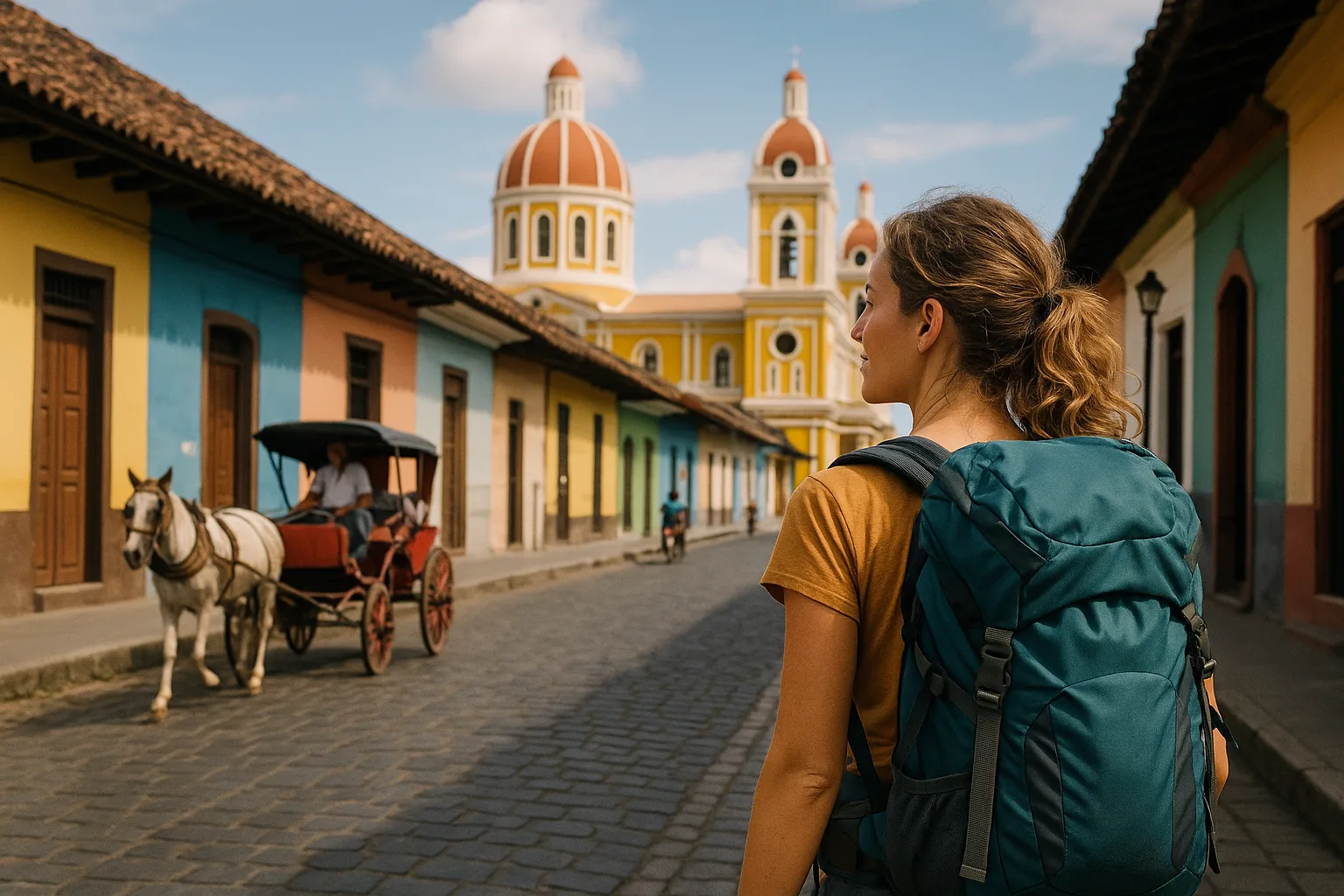
There’s a moment, somewhere between stepping off a chicken bus and turning a corner onto a sun-drenched cobblestone street, when Granada, Nicaragua grabs you completely. The colors hit first — ochre walls, turquoise doors, crimson bougainvillea spilling over colonial facades — and then the sounds follow: church bells, street vendors, the distant shimmer of the largest lake in Central America catching the afternoon light. This is a city that feels genuinely alive, genuinely itself, and genuinely ready to be discovered by travelers who are tired of following the same worn-out backpacker trail.
Why Granada, Nicaragua Deserves a Spot on Your Central America Route
Central America is full of beautiful places, but Granada occupies a category all its own. It holds the distinction of being the oldest occupied colonial city in the New World — a title that carries real weight when you’re standing in its central plaza, watching pigeons scatter across centuries-old stone. This isn’t a reconstructed heritage site or a tourist-facing imitation of history. It’s a working, breathing city where colonial architecture and everyday life exist side by side in a way that feels completely natural.
What makes Granada particularly compelling for young travelers right now is the combination of depth and accessibility. You don’t need weeks to understand it, but you’ll want them anyway. The city rewards curiosity — the kind that leads you down a side street, into a local comedor, or up a church bell tower just to see what the view looks like from up there. And because it hasn’t been fully absorbed into the mainstream backpacker circuit yet, it still has that rare quality: the feeling that you’re discovering something rather than consuming it.
Walking Through History: The Architecture and Streets
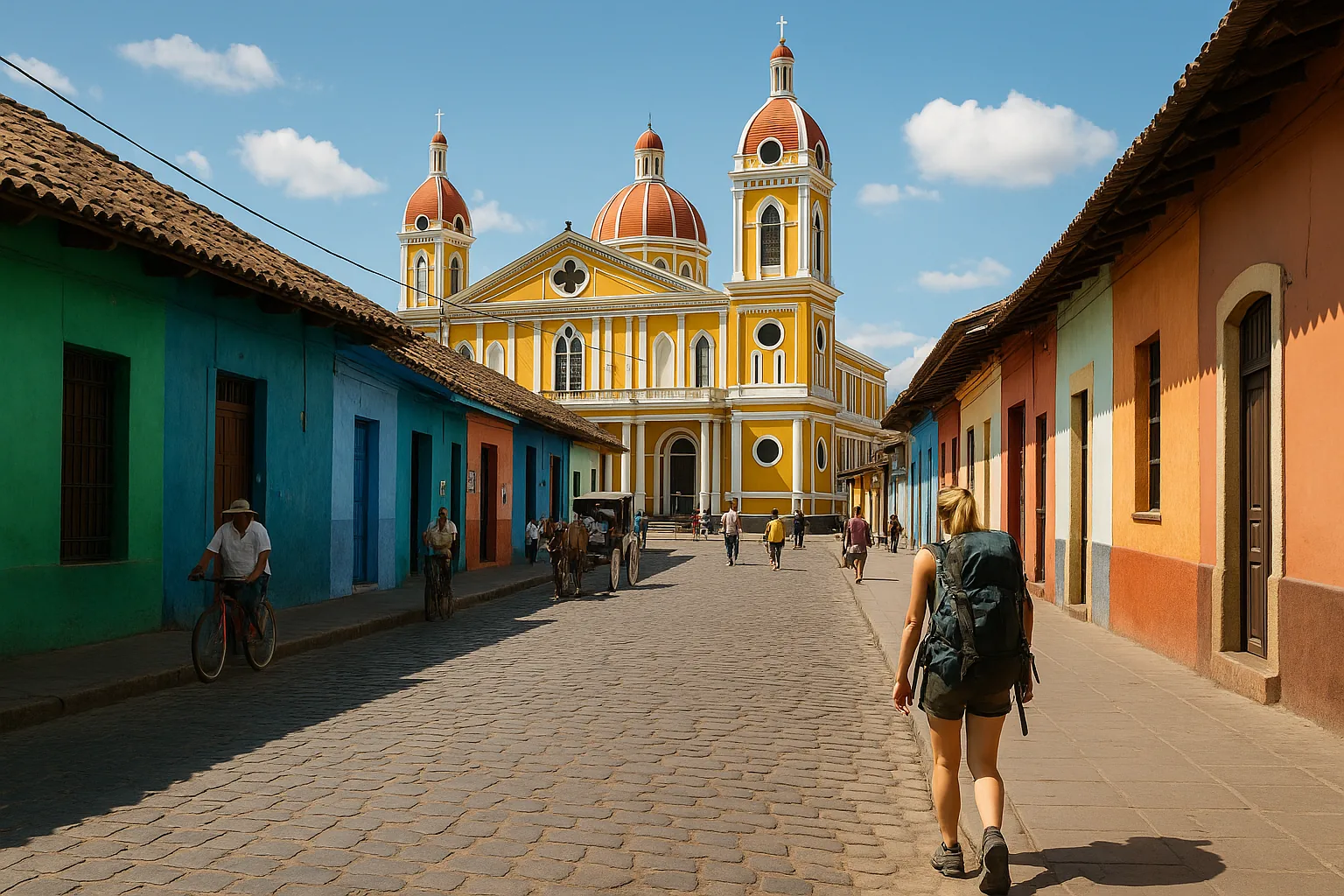
The first thing you’ll want to do in Granada is simply walk. The city’s layout is classic Spanish colonial — a central park anchored by a cathedral, streets radiating outward in a grid, and buildings that tell their stories through color and form rather than plaques and museums. Granada’s colorful colonial buildings, many built in a neoclassical style, line the streets in shades that seem almost impossibly vivid under the Nicaraguan sun.
The cathedral itself is worth a long look. Its pale yellow facade dominates the central park, and if you can arrange to climb the bell tower — something many visitors do — the panoramic view over the rooftops and out toward Lake Nicaragua is genuinely stunning. You see the city’s geometry from above, the patchwork of terracotta tiles and painted walls, and beyond it all, the water. It reframes everything you’ve seen at street level.
Wandering the cobblestone streets without a fixed agenda is one of the best ways to spend a morning here. You’ll pass courtyards hidden behind heavy wooden doors, catch glimpses of interior gardens lush with tropical plants, and find small shops and workshops where people are simply getting on with their day. There’s no performance of authenticity here — it just is authentic, which is increasingly rare and increasingly valuable.
Lake Nicaragua: The Adventure Waiting Just Beyond the City
Granada sits directly on the shores of Lake Nicaragua, one of the largest lakes in the Americas and a landscape unlike anything most travelers have seen before. The lake is enormous — you can stand at the waterfront and look out toward what feels like an open sea, with volcanic peaks rising from the water in the distance. It’s dramatic in the best possible way.
👉 Read also: Central America's Hidden Cities: Santa Ana and Estelí Beyond the Beaten Path
The Las Isletas archipelago — a cluster of small islands formed by an ancient volcanic eruption — sits just offshore and is one of the most memorable experiences the area offers. You can kayak through these jungle islands, paddling past dense vegetation and catching glimpses of howler monkeys moving through the canopy overhead. It’s one of those experiences that sounds almost too good to be true until you’re actually doing it, water dripping from your paddle, a monkey watching you from thirty feet above with total indifference.
Boat tours through the islands are another popular option, giving you a more relaxed way to take in the landscape and the wildlife. Some of the islands are inhabited, with small homes and fishing communities that have existed there for generations. It adds a human dimension to what could otherwise be a purely scenic experience.
For those who want to push a bit further, the volcanic landscape around Granada offers hiking opportunities that range from manageable to genuinely challenging. The volcanoes visible from the lakeshore aren’t just decoration — they’re climbable, and the views from the summit reward every step of the effort it takes to get there. This is adventure travel at its most elemental: physical, wild, and deeply satisfying.
Eating and Sleeping: What to Expect on a Young Traveler’s Budget
Granada is generally considered one of the more affordable cities in Central America, which makes it particularly appealing if you’re stretching a travel budget across multiple countries. While specific prices shift with exchange rates and seasons, the overall picture is encouraging: you can eat well, sleep comfortably, and spend your money on experiences rather than logistics.
Local comedores — small, family-run restaurants that serve straightforward Nicaraguan food — are where you’ll eat the best meals for the least money. Expect rice, beans, plantains, and whatever protein is on offer that day, usually served with freshly made tortillas and a cold drink. It’s simple, filling, and genuinely delicious. The Mercado Municipal area and streets around the central park tend to have the highest concentration of these spots, though part of the fun is finding your own favorites as you explore.
Accommodation options cover a wide range. Granada has a solid network of hostels aimed at backpackers, with dormitory beds available at budget-friendly rates and common areas that make it easy to meet other travelers. There are also guesthouses and small boutique hotels housed in restored colonial buildings — staying in one of these is an experience in itself, with interior courtyards, high ceilings, and a sense of history that no chain hotel can replicate. Prices vary, but Granada generally offers good value compared to more heavily touristed Central American destinations.
How Long Should You Stay — and When to Go
The honest answer to how long you need in Granada is: longer than you think. A two-day itinerary is absolutely workable if your schedule is tight — you can cover the main colonial streets, climb a church tower, and get out on the lake in that time. But two days will leave you wanting more, which is arguably the best possible outcome for a travel destination.
👉 Read also: Central America's Underrated Highland Cities: Santa Ana & Estelí (2026)
Three to five days gives you space to breathe. You can take a half-day kayaking trip through the islands, spend a morning wandering without an agenda, visit a volcano, and still have time to sit in the central park in the evening and watch the city wind down. That slower pace is where Granada really reveals itself.
In terms of timing, Nicaragua has a dry season and a rainy season, and both have their merits. The dry season brings reliable sunshine and makes outdoor activities like hiking and kayaking more straightforward. The rainy season — which typically runs roughly from May through October — brings lush green landscapes and fewer visitors, which means a more intimate experience of the city. Afternoons may bring heavy downpours, but mornings are often clear, and the light after rain has a quality that photographers genuinely love. Neither season is a bad time to visit; it depends on what kind of experience you’re after.
Practical Things Worth Knowing Before You Arrive
Getting to Granada is straightforward from the Nicaraguan capital, Managua. Buses run regularly between the two cities, and the journey takes roughly an hour, making Granada an easy first stop after landing or a natural base for exploring the southwestern part of the country.
Spanish is the language of daily life here, and while you’ll find English speakers in hostels and tourist-facing businesses, knowing even a handful of Spanish phrases will transform your experience. Locals genuinely appreciate the effort, and it opens doors — sometimes literally — that stay closed to travelers who don’t try.
Cash is important. While some businesses in Granada accept cards, many smaller restaurants, market vendors, and local transport options operate on a cash-only basis. Make sure you have enough on hand before heading out for the day, especially if you’re planning an excursion to the lake or islands where ATMs won’t be an option.
- Carry a reusable water bottle — staying hydrated in the heat is essential, and it reduces plastic waste.
- Wear light, breathable clothing; the heat and humidity are real, especially midday.
- Hire a local guide for lake excursions — they know the waterways, the wildlife, and the stories behind the islands in ways that no map or app can replicate.
- Respect the pace of local life — Granada moves at its own rhythm, and the best experiences come when you match it rather than fight it.
- Check current travel advisories from your home country’s foreign affairs department before visiting, as conditions can change.
For deeper background on the city’s history and geography, Notes from the Road’s Granada guide offers a thoughtful starting point.
The Kind of Traveler Granada Is Made For
Granada isn’t trying to be something it isn’t. It doesn’t have the party infrastructure of some Central American beach towns, and it doesn’t have the polished tourist machinery of more heavily visited cities. What it has is something harder to manufacture: genuine character. The kind that comes from centuries of history, from a community that has lived in and around these streets for generations, and from a landscape — volcanoes, lake, jungle islands — that is simply, unambiguously extraordinary.
If you’re the kind of traveler who gets more excited by a conversation with a local fisherman than by a rooftop bar, who would rather spend an afternoon kayaking through monkey-inhabited islands than lying by a hotel pool, and who believes that the best travel memories come from places that surprised you — Granada, Nicaragua is going to feel like exactly what you were looking for. It’s a city that rewards curiosity, respects your intelligence, and sends you home with stories that don’t start with “so I found this place on a listicle.” It’s the real thing. And right now, while it’s still finding its footing on the wider travel map, is a genuinely good time to go.
This article was produced with AI assistance and reviewed editorially.


Cusco and Peru’s Sacred Valley: Choosing the Right Hostel for Your Altitude Adventure

Colombia’s Caribbean Coast: Hostels, Beaches, and Adventures in Tayrona and the Rosarios Islands


