
Tips & Tricks
How to Travel Smarter: Photography, Transportation & Planning Tips (2026)
Master practical travel planning tips for better photos, smooth transportation, and effortless trip planning. Learn budgeting, safety research, and logistics.

Travel Smarter in 2026: The Guide You Actually Need Before You Go
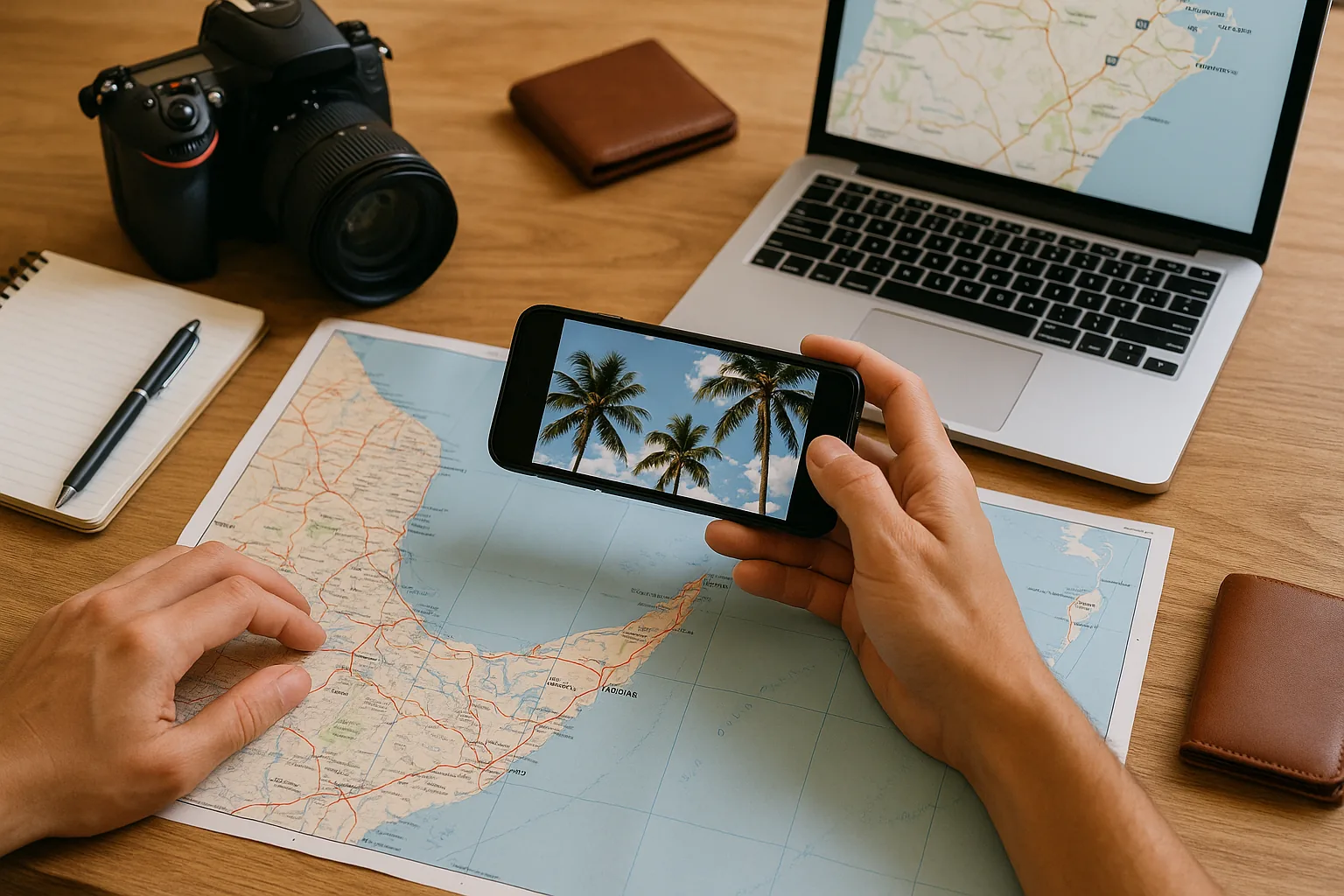
There’s a certain kind of traveler who seems to glide through every trip — stunning photos, smooth connections, no panic at the bus station, no regret about what they missed. The good news? That’s not luck. It’s preparation, a decent eye, and a handful of solid travel planning tips that make the whole experience feel effortless. Whether you’re heading to a coastal town in Mexico, backpacking through Southeast Asia, or road-tripping across a continent, the fundamentals are the same. This guide breaks them down — from capturing memories that actually do the journey justice, to navigating transport between destinations, to building a plan that gives you structure without killing your spontaneity.
Why Smart Planning Changes Everything
Planning a trip isn’t about filling every hour with scheduled activities. It’s about giving yourself the freedom to say yes to the unexpected — because the basics are already sorted. When you know your budget, your rough route, and your key logistics, you stop spending energy on stress and start spending it on actually being present.
According to travel experts, the best travel planning tips all point to the same starting principle: begin earlier than you think you need to. Flights get cheaper when you book ahead. Accommodations fill up. Popular experiences sell out. The earlier you start thinking about your trip, the more options you have — and the more money stays in your pocket for the things that actually matter.
Set a Real Budget (and Stick to It)
Before you book anything, sit down and work out what you can realistically spend. Not just on flights and accommodation — think about food, transport within the destination, activities, souvenirs, and a buffer for the unexpected. A genuine budget gives you clarity. It also forces you to prioritise, which is actually a good thing. Knowing you have a set amount for a week in a new city makes you more creative, more local, and often more adventurous.
Break your budget into categories: getting there, sleeping, eating, doing, and moving around. Once you can see the numbers clearly, you can start making smarter trade-offs — maybe a cheaper hostel means you can afford that cooking class or that boat trip you’d otherwise skip.
Research Your Destination’s Safety
The world in 2026 is, broadly speaking, safer for travelers than it has ever been. That doesn’t mean you should skip the research — it means you can approach it with confidence rather than anxiety. Check current travel advisories from your government’s official travel portal. Look into local laws, cultural norms, and any areas worth avoiding. Talk to people who’ve been there recently. Join travel communities online and ask real questions.
Safety research isn’t about fear. It’s about respect — for the place you’re visiting and for yourself. A traveler who understands the local context moves through a destination more confidently, more respectfully, and almost always has a richer experience for it.
Buy Travel Insurance Before You Leave
This one isn’t glamorous, but it belongs in every list of essential travel planning tips. Travel insurance covers you when things go sideways — a missed connection, a medical situation, a cancelled flight, a lost bag. The cost is usually modest compared to what it protects you from. Think of it as the one practical thing you do so that everything else can stay fun. Experienced travel planners consistently recommend buying insurance as one of the first steps after booking your flights.
Getting Between Destinations: How to Navigate Like a Local
One of the most underrated parts of any trip is figuring out how to actually move between places. Flights between major cities are easy enough, but the real adventure often starts when you’re trying to get from a coastal hub to a smaller town, or from the mainland to an island, or between two cities that aren’t connected by a direct route.
The key is to research your options before you arrive — not because you need to book everything in advance, but because knowing what exists gives you confidence. Most destinations have a mix of public transport, shared shuttles, private transfers, ferries, and local buses. Each comes with its own trade-offs in cost, comfort, and flexibility.
👉 Read also: Travel Photography for Your Phone: 7 Tips to Capture Better Memories (Not Just Selfies)
Embrace Local Transport
Shared minibuses, local ferries, and regional train lines are almost always cheaper than private transfers — and they’re often more interesting. You end up sitting next to people who live there. You stop at places that aren’t on any tourist map. You get a sense of how the place actually functions, not just how it presents itself to visitors.
That said, local transport requires a little more patience and flexibility. Schedules aren’t always precise. Routes can be confusing if you don’t speak the language. The trick is to embrace the uncertainty as part of the experience rather than a problem to solve. Missed the last bus? You’ve just discovered a quiet local café where you’ll spend an unexpectedly perfect hour.
Plan Your Key Connections in Advance
For the legs of your trip that really matter — airport transfers, ferry crossings, overnight journeys — it’s worth booking ahead. Not because spontaneity is bad, but because some connections have limited capacity and missing them can throw off your whole itinerary. Research the options a week or two before you arrive, understand what’s available, and book the ones where timing is critical.
For everything else, give yourself room to adapt. Travel rarely goes exactly to plan, and that’s often where the best stories come from.
Consider Alternative Accommodation on the Road
If you’re planning a longer journey — especially a road trip across a region or continent — the way you sleep can transform the experience. In 2026, RV rentals have emerged as one of the most flexible and affordable lodging options for travelers who want to move at their own pace. An RV means you’re not locked into hotel check-in times, you can stop wherever the view looks good, and your accommodation travels with you. It’s not for everyone, but if you’re planning a multi-stop overland journey, it’s worth considering alongside hostels, guesthouses, and camping.
Travel Photography: Capturing Memories That Actually Last
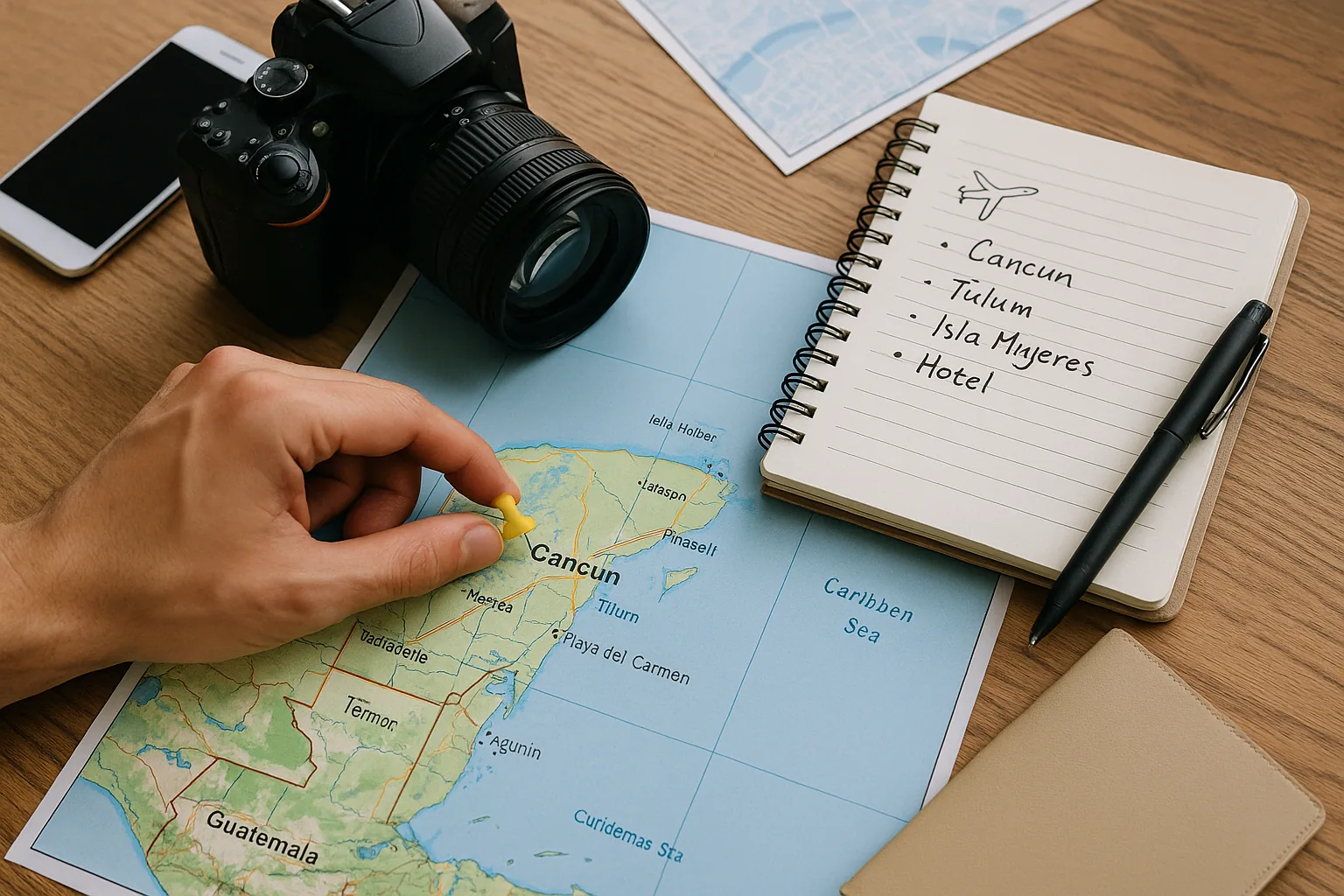
Photography and travel have always been inseparable. There’s something about arriving somewhere new that makes you want to hold onto it — the light, the colour, the faces, the feeling. And while the best memories live in your body and your mind, a great photo can bring all of that flooding back years later.
The good news is you don’t need expensive gear to take photos worth keeping. What you need is intention, timing, and a willingness to slow down and actually look at what’s in front of you.
Timing Is Everything
The single most impactful thing you can do for your travel photography is pay attention to light. Early morning and early evening — what photographers call the golden hour — produce warm, soft, directional light that makes almost any scene look extraordinary. The harsh midday sun, on the other hand, flattens everything and creates unflattering shadows.
According to photography experts, the best times to photograph are early morning and the period from early evening into night. Early morning has an added bonus: the streets are quiet. You get the architecture, the landscape, the market — without the crowds. You see the place as it actually is before the day gets busy. That’s not just good for photos. It’s one of the most rewarding ways to experience a destination.
Use Photography as a Reason to Explore More
Here’s something that experienced travel photographers will tell you: carrying a camera — or even just being intentional about your phone camera — changes how you move through a place. You start looking for interesting angles. You wander down side streets to find better light. You sit still in a square long enough to notice the details you’d have otherwise walked past.
👉 Read also: Documenting Your Journey: Travel Photography Tips for Every Budget
Photography encourages you to explore more deeply and pay closer attention. It turns observation into a habit. And the memories you save aren’t just images — they’re proof that you were genuinely present. In 2026, as travel trends continue to evolve, capturing those moments through photography remains as meaningful as ever, regardless of whatever platform or format you share them on.
Tell a Story, Not Just a Location
The most memorable travel photos aren’t always the iconic landmarks. They’re the small moments — a street vendor arranging fruit at dawn, a narrow alley lit by a single lamp, a ferry crossing with the horizon behind it. Think about what you want to remember about a place, not just what it looks like. Photograph the feeling, not just the view.
Mix wide shots that establish where you are with close-ups that capture texture and detail. Include people — with their permission where appropriate — to add life and scale. And don’t be afraid to put the camera down sometimes. Some moments are better lived than photographed.
Communicate, Connect, and Travel with Intention
One of the most overlooked travel planning tips is communication — both before you leave and while you’re on the road. If you’re traveling with others, align on expectations before you go. Discuss budget, pace, must-sees, and deal-breakers. Misaligned expectations are one of the most common sources of travel friction, and a single honest conversation before departure can prevent days of tension.
If you’re traveling solo, communication means something different: staying in touch with someone at home, sharing your rough itinerary, and checking in regularly. It’s not about being tracked — it’s about having someone who knows where you are in case something goes wrong.
Pack Smart, Not Heavy
Packing is where a lot of travelers make their first mistake. The instinct is to prepare for every possible scenario, which leads to a bag that’s too heavy, too full, and too stressful to carry between destinations. The smarter approach is to pack for the most likely scenarios and trust that you can buy or borrow anything you forgot.
Think about the climate, the activities you’ve planned, and the type of transport you’ll be using. A backpacker moving between hostels has different needs from someone doing a road trip in an RV. Lay everything out before you pack it, then put half of it back. You almost certainly don’t need it.
Stay Curious and Stay Flexible
The best travel experiences rarely come from following a plan perfectly. They come from the conversation you have with a local that leads you somewhere unexpected, the weather that forces you to change your plans and discover something better, the wrong turn that ends up being the right one. Good planning gives you a foundation. Flexibility gives you the freedom to build something better on top of it.
Stay curious about the places you visit. Ask questions. Learn a few words in the local language — even a basic greeting goes a long way. Eat where the locals eat. Walk streets that aren’t on the tourist map. The more you engage with a place on its own terms, the more it gives back.
Bringing It All Together: Your 2026 Travel Mindset
Smart travel in 2026 isn’t about having the most sophisticated itinerary or the best camera. It’s about combining thoughtful preparation with genuine openness — knowing enough to feel confident, but staying curious enough to be surprised. Apply these travel planning tips to your next trip: start planning early, set a real budget, research your transport options, photograph with intention, and communicate clearly with the people you’re traveling with or leaving behind.
The world is more accessible than it’s ever been. The tools, the information, the communities of travelers willing to share what they know — all of it is there for you. What makes the difference isn’t the destination. It’s the mindset you bring to it. Pack that first, and everything else falls into place.
This article was produced with AI assistance and reviewed editorially.


How to Travel Smarter: Photography, Transportation & Planning Tips (2026)

European City Guides for Foodies and Explorers: Barcelona’s Cafes and Cocktail Bars, London’s Hidden Walks


