
Europe
Escape the Tourist Trail: Capri, Cornwall & London’s Best-Kept Secrets for Adventurous Travelers
Discover hidden gems travel destinations in three iconic European spots. Skip the crowds with insider tips for Capri, Cornwall, and London’s best-kept secrets.

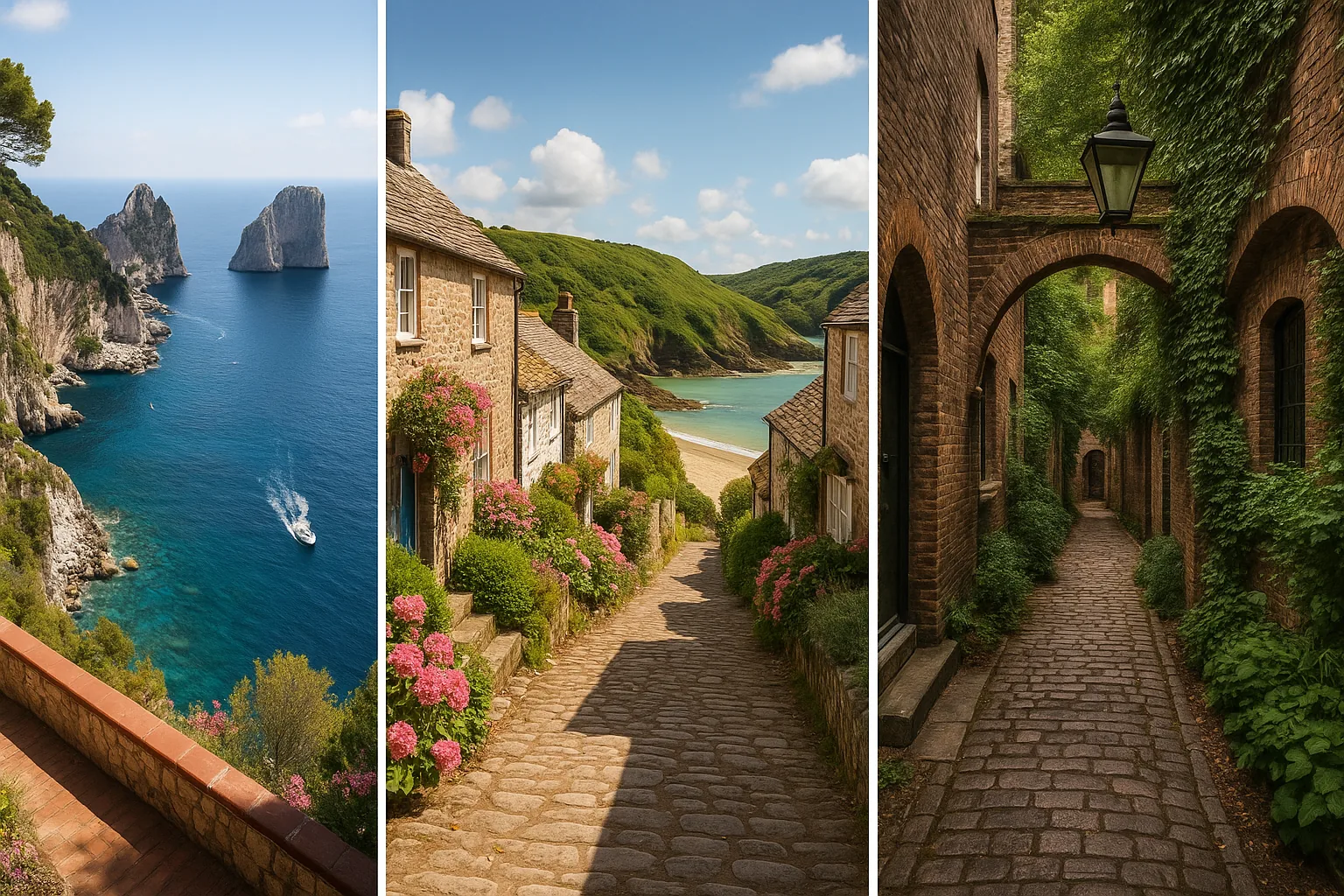
Why the Best Travel Experiences Are the Ones Nobody Talks About
There’s a certain kind of travel magic that happens when you step off the well-worn path. You round a corner you weren’t supposed to find, stumble into a café where nobody speaks your language, or discover a stretch of coastline so quiet you wonder if you’re the first person to ever stand there. That’s the promise of hidden gems travel destinations — places that reward curiosity over convenience. And three of Europe’s most iconic spots — Capri, Cornwall, and London — are absolutely full of them, if you know where to look.
Most people visit these destinations and see the postcard version. The crowded marina, the packed beach, the tourist-trap restaurant with the laminated menu. But beneath the surface of each of these places lives something richer, quieter, and far more memorable. This guide is for the traveler who wants to go deeper — who’d rather eat where the locals eat than queue for an hour at the most-reviewed spot on the map.
Capri: Beyond the Instagram Crowds
Capri is one of those places that almost needs no introduction. The turquoise water, the dramatic cliffs, the sense that you’ve somehow landed inside a painting — it’s all real. But it’s also incredibly popular, and if you arrive without a plan, you’ll spend most of your time navigating selfie sticks and tour groups rather than actually experiencing the island.
The secret? Timing and movement. The majority of day-trippers arrive mid-morning and leave by late afternoon. That means the early hours and the evening hours belong to a completely different Capri — one that’s slower, softer, and infinitely more beautiful. If you can stay overnight on the island rather than visiting as a day trip, you’ll experience something most visitors never do: Capri at dawn, when the light hits the water and the streets are still empty.
Getting Off the Main Route
Most visitors stick to the central areas of Capri town and the famous viewpoints. But the island is surprisingly walkable, and its network of footpaths leads to places that feel genuinely undiscovered. Boat tours and walking tours are widely available and can take you to corners of the coastline that you simply can’t reach on foot — sea caves, hidden coves, and vantage points that don’t appear in the standard guidebooks. Choosing a smaller, more specialized tour over a mass-market excursion makes an enormous difference in the kind of experience you’ll have.
You can explore more about off-the-beaten-path Capri experiences through resources like Excursion Mania’s guide to Capri’s hidden side, which covers some of the lesser-visited areas of the island in detail.
Eating and Wandering Like a Local
Skip the restaurants that have outdoor menus translated into six languages. Instead, walk uphill — literally. The higher you climb from the main piazza, the fewer tourists you’ll encounter and the more authentic the experience becomes. Look for small family-run spots, grab a glass of local limoncello, and take your time. Capri rewards slowness. The more you rush, the less you see.
Consider spending time in Anacapri, the island’s quieter, higher village. It has its own distinct character — more local, less performative — and the views from up there are extraordinary. It’s the kind of place where you can sit with a coffee and feel like you’ve genuinely escaped, rather than simply relocated your stress to a more scenic backdrop.
Cornwall: Four Thousand Years of History, Still Waiting to Be Discovered
Cornwall has over 4,000 years of fascinating history woven into its landscape — ancient stone circles, dramatic clifftops, fishing villages that look like they’ve barely changed in centuries. And yet, so many visitors arrive, head to the most famous beaches, queue for a pasty, and leave feeling like they’ve seen it all. They haven’t even scratched the surface.
👉 Read also: Beyond the Crowds: Hidden Gems in Capri, Italy (2026)
The county stretches out across the far southwestern tip of England, and its geography alone is enough to keep a curious traveler busy for weeks. Rocky coastlines give way to sheltered estuaries. Moorland drops suddenly into lush river valleys. Each small town has its own identity, its own accent, its own story. Cornwall doesn’t feel like England — and that’s entirely the point.
Finding the Quieter Coastline
Everyone knows about the famous surfing beaches on the north coast. They’re genuinely stunning, but in summer they’re also genuinely packed. The south coast of Cornwall offers something different — calmer waters, smaller coves, and villages that see a fraction of the foot traffic. If you’re willing to walk a little further along the coastal path, you’ll regularly find yourself on stretches of cliff or sand that feel almost entirely your own.
The South West Coast Path, which runs through much of Cornwall, is one of the great walking routes of Europe. It’s long, it’s sometimes steep, and it’s absolutely worth it. Even a short section of it — a few hours between two small villages — will give you views and experiences that no tour bus can replicate. Pack decent footwear, fill a water bottle, and just go.
Villages That Actually Feel Lived In
The most memorable places in Cornwall tend to be the ones that still function as real communities rather than tourist attractions. Look for villages with working harbors, local pubs that have been serving the same families for generations, and art galleries run by the artists themselves. Cornwall has a deep creative tradition — painters, sculptors, potters — and many of them are still working in small studios that you can visit without booking months in advance.
If you’re planning a more structured exploration of the region, it’s worth knowing that programs like the Road Scholar Cornwall program offer guided ten-day itineraries that begin in Salisbury and conclude at London Heathrow, covering a wide range of historical and cultural highlights across the county. It’s a great option if you want depth and context alongside the scenery.
The Food Scene Nobody Talks About Enough
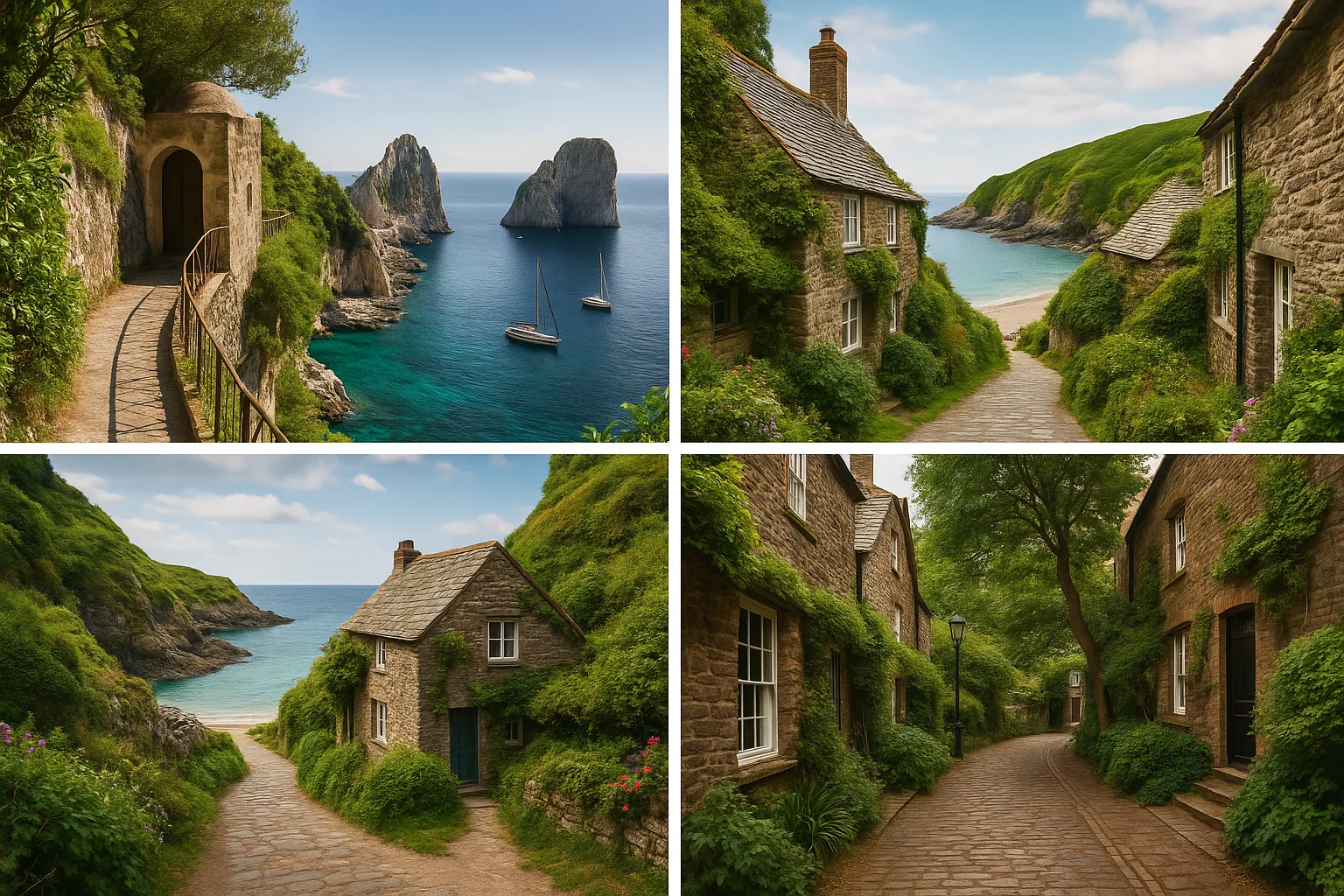
Yes, the Cornish pasty is iconic and absolutely worth eating — but Cornwall’s food scene goes far beyond that. The county has a thriving independent restaurant culture built around exceptional local seafood, farm produce, and a genuine commitment to sustainability. Smaller towns often have weekly farmers’ markets where you can buy directly from producers. Grab some local cheese, a loaf of bread, and head to a clifftop. That’s a meal you’ll remember longer than any restaurant booking.
Cider and ale from local producers are also worth seeking out. Cornwall has a growing craft drinks scene that flies completely under the radar of most visitors. Ask at your accommodation, or simply wander into a pub that looks like it hasn’t been renovated for Instagram, and you’ll likely find something worth trying.
London: A City That Never Stops Hiding Things From You
London is one of the most visited cities on earth, and it’s also one of the most inexhaustible. No matter how many times you go, it keeps revealing new layers. The challenge isn’t finding things to do — it’s finding the things that aren’t on every list, that don’t involve queuing for an hour, and that actually give you a sense of the city as it’s lived rather than as it’s packaged for tourists.
The good news is that London’s neighborhoods are where the real action happens. The famous landmarks are worth seeing, but they’re not where you’ll find the city’s soul. That lives in the quieter streets, the local markets, the canal towpaths, the parks that aren’t Hyde Park, and the galleries that don’t charge admission and don’t have a gift shop on the way out.
👉 Read also: Hidden Gems You've Never Heard Of: Guanajuato, Capri Without Crowds, and UK's Isles of Scilly
Walking Routes That Most Visitors Miss
London is an extraordinarily walkable city, and some of its most rewarding experiences happen on foot. The Thames Path runs along both banks of the river for miles, and while sections of it are well-known, others pass through neighborhoods that most tourists never reach. Walking east from the city center along the South Bank, for instance, takes you through areas that shift rapidly from tourist-dense to genuinely local — with street art, independent cafés, and river views that feel completely different from the polished stretch near the Tate Modern.
The city’s canal network is another hidden gem travel destination in its own right. The Regent’s Canal, in particular, cuts through some of London’s most interesting neighborhoods, from the markets of Camden through to the quieter, leafier stretches near Victoria Park. Walking the towpath on a weekend morning — coffee in hand, no particular agenda — is one of the best ways to feel like you actually live there, at least for a few hours.
Neighborhoods Worth Getting Lost In
Every few years, a new London neighborhood gets “discovered” and promptly becomes crowded. The trick is to arrive slightly ahead of the wave, or to look for areas that are genuinely residential rather than being positioned as destinations. Some of the most rewarding afternoons in London happen in places that don’t have a hashtag yet — streets full of independent bookshops, small music venues, community gardens, and the kind of corner café where the owner knows every regular by name.
East London remains one of the richest areas for this kind of exploration, but it’s a big place with enormous variety. The further you walk from the obvious entry points, the more interesting it tends to get. South London — particularly areas south of the river that aren’t Brixton — offers similar rewards for the curious traveler willing to take the overground rather than sticking to the tube map.
Free Culture and Unexpected Experiences
London’s world-class museums are free, and that’s genuinely remarkable — but it’s also something most travelers already know. What fewer people realize is how much culture happens outside those institutions. Free lunchtime concerts in churches, open-air cinema screenings, community arts festivals, pop-up exhibitions in empty buildings — the city runs on cultural energy, and a huge amount of it is accessible without spending anything.
Check local listings when you arrive rather than booking everything in advance. Some of the best London experiences are the ones you couldn’t have planned — the street performance that turns into something extraordinary, the market stall conversation that leads to a recommendation, the unexpected event that makes you rearrange your entire afternoon.
Practical Tips for Traveling Off the Beaten Path
- Go early or go late. The best hours at any popular destination are the first and last of the day. Crowds thin, light improves, and the place starts to feel like itself again.
- Talk to people. The best recommendations almost never come from travel websites. Ask your host, the person behind the café counter, the local you get chatting to on a walk. People love sharing the places they actually care about.
- Resist the urge to over-plan. Leave gaps in your itinerary. Some of the most memorable travel moments happen when you have nowhere specific to be and you follow your instincts instead.
- Walk more than you think you need to. Whether it’s Capri’s footpaths, Cornwall’s coastal trail, or London’s canal towpaths, the best discoveries in all three destinations tend to happen on foot.
- Visit in shoulder season. Late spring and early autumn offer the best balance of good weather and manageable crowds at all three destinations. You’ll pay less, queue less, and experience more.
- Stay somewhere local. A small guesthouse, a rented room, or a family-run B&B will give you access to knowledge and context that no hotel chain can provide. It also puts your money directly into the local community.
The Mindset That Changes Everything
Ultimately, the difference between a tourist experience and a traveler experience isn’t really about the destination — it’s about the approach. Hidden gems travel destinations exist everywhere, including in the most visited places on earth. Capri, Cornwall, and London are all genuinely famous for good reason. They’re extraordinary places. But they’re also places that reward the traveler who slows down, looks sideways, and resists the pull of the obvious.
You don’t need to go somewhere obscure to have an authentic experience. You just need to be curious enough to look beyond the first layer. Ask the question nobody else is asking. Take the path that doesn’t appear on the map. Order the thing you’ve never heard of. Stay an extra day in a place that surprised you.
The stories you’ll tell when you get home won’t be about the famous viewpoints or the well-reviewed restaurants. They’ll be about the morning you had the entire beach to yourself, the conversation that changed how you thought about something, the small street in a city you thought you knew that turned out to be the most beautiful thing you’d seen all trip. That’s the kind of travel worth chasing — and it’s available to anyone willing to look for it.
This article was produced with AI assistance and reviewed editorially.


Luxury Train Travel Doesn’t Have to Break the Bank: The Eastern & Oriental Express Explained

Southeast Asia Spiritual Retreats: Luang Prabang & Cusco Hostels for Solo Travelers


