
Tips & Tricks
Travel Gear for Young Adventurers: The Best Backpacks Tested in 2026
Find the right travel backpack for your trip length. Our 2026 guide reviews top models like Tortuga and Matador, with sizing tips for 1-week to 6-month journeys.

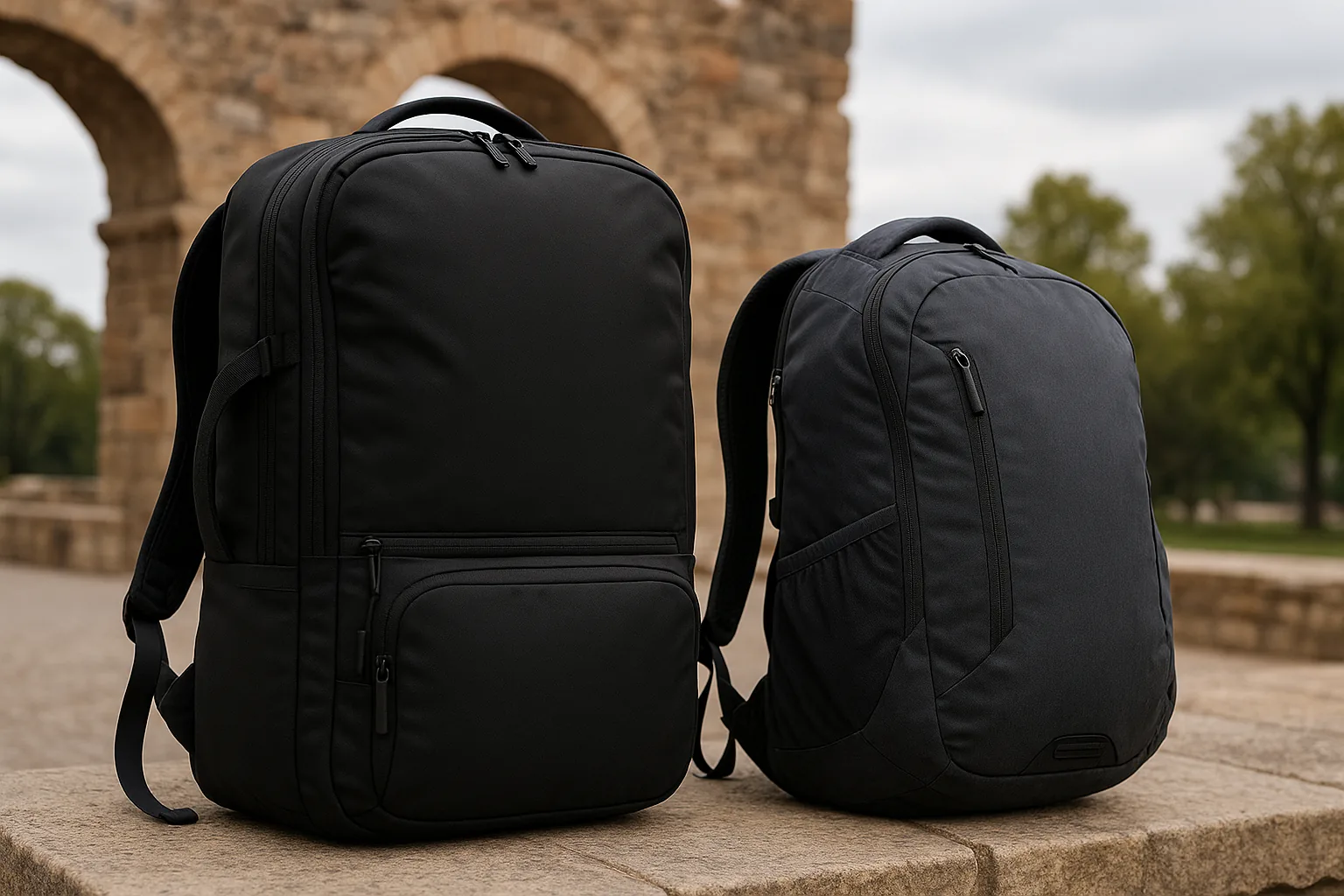
Why Your Backpack Is the Most Important Decision You’ll Make Before You Travel
Before you book the flight, before you plan the route, before you even think about what to pack — you need to figure out what you’re packing into. Travel backpacks are the foundation of any serious adventure, and choosing the wrong one can turn an otherwise incredible journey into a daily struggle of aching shoulders, overstuffed compartments, and airport stress you really didn’t sign up for.
This guide is for young travelers who want to move freely — whether you’re heading off for a ten-day trip through Southeast Asia or a six-month backpacking adventure across multiple continents. We’ve pulled together everything you need to know about sizing, features, comfort, and which bags are actually worth your money in 2026, drawing on testing from some of the most trusted gear reviewers out there.
How to Choose the Right Size Travel Backpack
Size is the first conversation you need to have with yourself — honestly. Most people overpack. Most first-time travelers bring twice what they actually need. The good news is that once you commit to the right bag size, it naturally forces you to pack smarter.
Short Trips: 1 to 10 Days
For a week or less, a bag in the 25L to 35L range is usually more than enough. You can move fast, skip checked baggage fees entirely, and squeeze onto any bus or train without drama. Bags like the Cotopaxi Allpa 35L — which Wirecutter recommends as the best small carry-on travel backpack — sit right in this sweet spot. They’re carry-on compliant on most airlines and roomy enough for a week of thoughtful packing.
At this size, you’ll want a bag that opens clamshell-style (like a suitcase) rather than top-loading. It makes finding your stuff infinitely easier, especially when you’re digging through your bag at 6am in a hostel dorm room trying not to wake everyone else up.
Medium Trips: 2 to 6 Weeks
This is where the 35L to 45L range really earns its place. You’ve got enough room to pack for varied climates, carry a few extra layers, and still keep things manageable. This range is the most popular among young travelers for good reason — it’s the sweet spot between freedom and practicality.
In March 2026, the travel channel Away Together compared ten top-rated backpacks in this 35L–45L category, including the Matador Globerider 35L, the Peak Design Travel Backpack, the Tortuga Travel Backpack 40L, the Osprey Daylite 35L, and the Cotopaxi Allpa 35L, among others. The comparison showed just how much variation exists even within the same volume range — different suspension systems, organizational layouts, and carry styles can make two 40L bags feel completely different on your back.
If you’re leaning toward the larger end of carry-on compliance, the Peak Design Travel Backpack 45L is Wirecutter’s pick for best large carry-on travel backpack — a bag that’s earned consistent praise for its modular organization and clean, versatile design.
Long Hauls: 2 to 6 Months
If you’re going long — we’re talking extended travel, working holidays, or open-ended adventures — you’ll still want to resist the urge to go massive. A 40L to 50L bag is usually the ceiling you should consider if you plan to move often. Anything larger and you’ll start checking it, which slows you down and adds costs.
The Tortuga Travel Backpack 40L is specifically recommended for dedicated single-bag travelers — people who’ve made the commitment to live out of one bag no matter how long they’re on the road. It’s built with that philosophy in mind: maximum organization in a carry-on-sized frame.
For longer trips, comfort becomes even more critical. Look for padded hip belts that actually transfer weight off your shoulders, adjustable torso lengths, and breathable back panels. You’ll be wearing this bag for months. Treat the fit like you’d treat a pair of shoes — it has to feel right from the start.
👉 Read also: The 10 Best Budget Destinations for Young Travelers in 2026
The Backpacks That Keep Coming Up in 2026 Reviews
The travel gear space moves quickly, but a handful of bags consistently rise to the top across multiple independent reviews and comparison tests. Here’s what the most trusted reviewers are talking about right now.
Matador Globerider 35L
The Matador Globerider 35L has appeared in multiple 2026 roundups, including Pack Hacker’s comprehensive test of dozens of travel backpacks and Away Together’s head-to-head comparison. It’s a bag that generates real conversation — people either love its compact efficiency or wish it had a bit more structure.
What makes it interesting for young travelers is its packability. Matador has always been known for making gear that folds down small, and the Globerider carries that DNA into a full-sized travel bag. If you’re the kind of traveler who hops between modes of transport constantly — buses, trains, tuk-tuks, overnight ferries — a bag that can compress and flex with your lifestyle has real appeal.
At 35L, it sits comfortably in carry-on territory for most airlines, though as always, check the specific dimensions against the airline you’re flying. The organizational layout is designed for travel rather than hiking, meaning you’ll find laptop sleeves, quick-access pockets, and a clamshell opening rather than a traditional top-load design.
Tortuga Travel Backpack 40L
The Tortuga brand has built a loyal following among the one-bag travel community, and the 40L version remains one of the most recommended options for travelers who want to move light but not sacrifice comfort on longer trips. It’s consistently highlighted as a strong choice for people who are serious about single-bag travel as a philosophy, not just a convenience.
The bag is built around a suitcase-style clamshell opening that gives you full access to your main compartment without digging. There’s a dedicated laptop sleeve, a front organization panel for smaller items, and a hip belt that can be tucked away when you don’t need it — useful when you’re navigating crowded markets or cramped transit hubs.
It’s worth noting that Tortuga positions this bag for urban travel rather than trail use. If your adventure involves hiking with significant elevation gain, you’ll want something with a more technical suspension system. But for city-hopping, island-hopping, and everything in between, it’s a seriously capable travel companion.
Osprey Daylite Expandable Travel Pack 26+6
Pack Hacker included the Osprey Daylite Expandable Travel Pack 26+6 in their 2026 testing, and it’s a bag worth knowing about if you’re traveling light or need a versatile day bag that can occasionally moonlight as a carry-on. The expandable design gives you flexibility — pack it down for day trips, expand it when you need a bit more space.
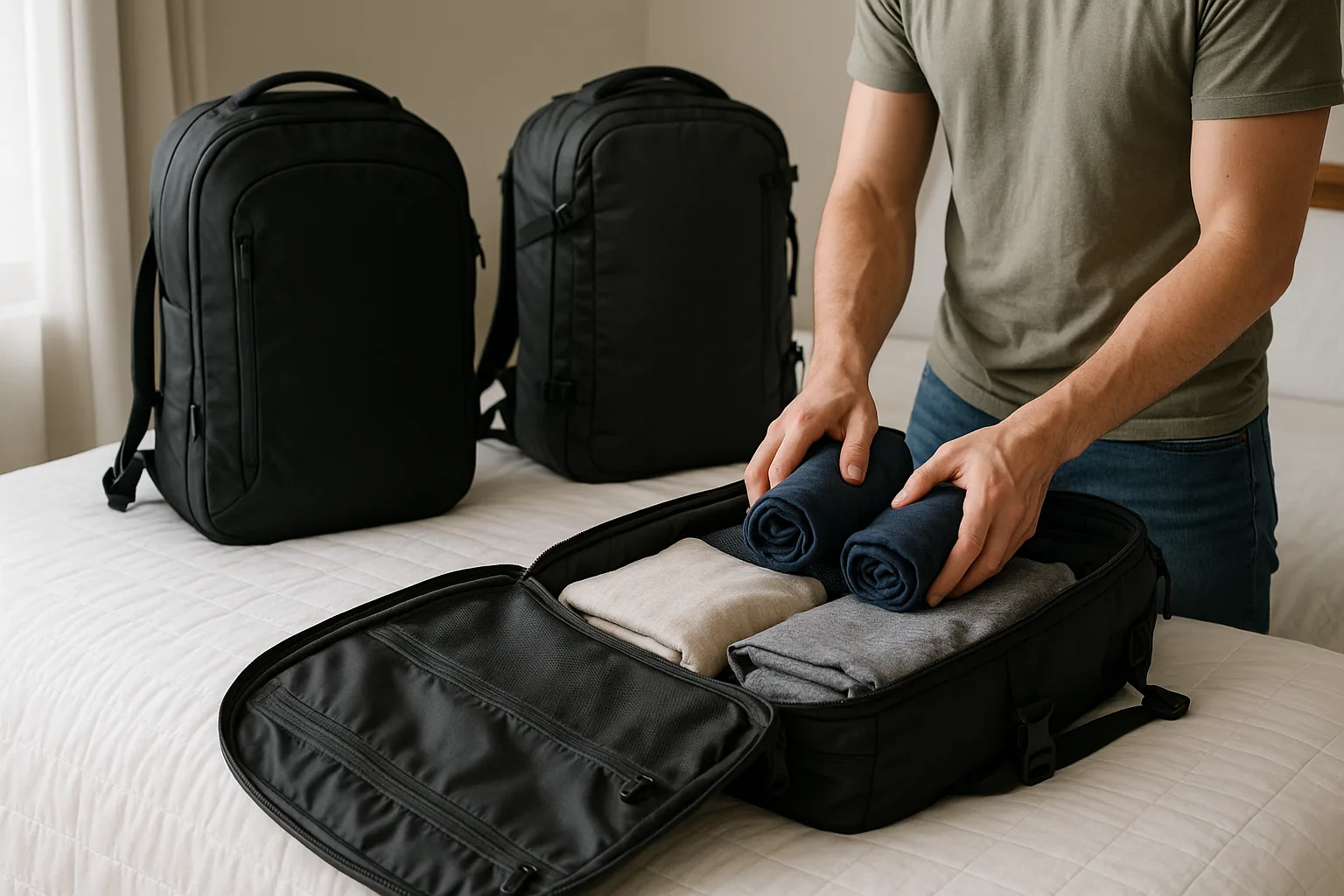
Osprey’s reputation for comfort and build quality is well-earned. Their suspension systems and back panels are consistently among the best in the industry, which matters a lot when you’re spending full days on the move.
Cotopaxi Allpa 35L Travel Pack Del Dia
The Cotopaxi Allpa has earned genuine fans in the young traveler community, partly because of its performance and partly because of Cotopaxi’s approach to sustainability and social impact. The Del Dia colorway — made from leftover fabric, so every bag is unique — has become something of a signature.
As a travel backpack, it’s thoughtfully designed: clamshell opening, external compression straps, a lockable zipper system, and a comfortable harness. At 35L, it fits most airline carry-on requirements. Wirecutter’s endorsement as the best small carry-on travel backpack reflects how well it balances organization, comfort, and portability.
👉 Read also: Epic Hiking Trails for Young Adventurers: Valbona-Theth, Kumano Kodo & More
Patagonia Terravia Pack 36L and Kelty Redwing Traveler 40
Both of these bags appeared in Pack Hacker’s 2026 testing and represent different ends of the travel backpack spectrum. The Patagonia Terravia leans into Patagonia’s environmental commitments and outdoor heritage, offering a bag that works as well on a trail as it does in a city. The Kelty Redwing Traveler 40 offers excellent value for budget-conscious travelers who want a dependable, no-fuss bag without a premium price tag.
Features That Actually Matter (And Ones That Don’t)
Marketing copy for travel gear can get overwhelming fast. Here’s a practical breakdown of what to actually pay attention to.
Features Worth Prioritizing
- Clamshell opening: Far more practical for travel than top-loading. You can see everything at once and pack more efficiently.
- Hip belt: Essential for bags over 30L if you’re carrying any real weight. Make sure it’s padded and positioned correctly on your hips, not your waist.
- Lockable zippers: Not foolproof, but a meaningful deterrent in crowded spaces. Worth having on at least the main compartment.
- Laptop sleeve: If you’re traveling with a laptop — and most young travelers are — a dedicated, padded sleeve keeps it protected and accessible at security.
- Carry-on compliance: Check the exact dimensions against your most common airline. Budget carriers in particular can be strict.
- Breathable back panel: If you’re in hot climates, a mesh panel that creates airflow between the bag and your back makes a real difference over long days.
Features That Sound Good But Matter Less
- Excessive pockets: More pockets means more places to lose things. A well-organized bag with fewer, well-placed pockets beats a bag with twenty compartments you’ll never use.
- Built-in rain covers: Useful in theory, but a lightweight dry bag or packing cubes with water-resistant material often serve you better.
- Molle webbing and tactical aesthetics: Unless you’re actually going into the field, this adds weight and bulk without benefit.
Durability and Warranty: What to Look For
A travel backpack is an investment. You want it to last years, not months. Here’s what to look for when evaluating build quality.
Start with the fabric. Bags made from ballistic nylon or high-denier polyester (generally 400D and above) tend to hold up well against the abuse of travel — being thrown into overhead bins, dragged across cobblestones, and stuffed into tight spaces repeatedly. Ripstop fabrics add another layer of tear resistance.
Zippers are another critical point. YKK zippers are the industry standard for a reason — they’re reliable, smooth, and durable. Bags that cut corners on zippers often fail at the worst possible moments, like when you’re trying to catch a bus and your main compartment won’t close.
Most reputable travel backpack brands offer warranties ranging from limited lifetime coverage to several years of manufacturer’s defect protection. Before you buy, look up the specific warranty terms — and more importantly, look up reviews of how the brand actually handles warranty claims. A generous warranty is only as good as the customer service behind it.
Resources like Outdoor Gear Lab’s travel backpack testing put bags through extended real-world use specifically to assess durability alongside comfort and features, which makes their long-term reviews particularly useful when you’re trying to gauge how a bag holds up over time.
Packing Smart: Making Any Backpack Work Harder
The bag matters, but how you use it matters just as much. A few habits make a significant difference regardless of which bag you choose.
- Use packing cubes. They compress your clothes, keep categories organized, and make repacking in the morning genuinely fast. Once you travel with them, going back feels impossible.
- Pack heavy items close to your back. Weight distribution directly affects how comfortable a bag feels on your shoulders. Shoes, books, and electronics should sit against the back panel.
- Leave space. Packing a bag to its absolute limit means no room for souvenirs, no flexibility when your plans change, and a bag that’s harder to search through every time you need something.
- Do a test run. Before your trip, pack your bag fully and walk around with it for a few hours. You’ll quickly discover what’s uncomfortable, what’s missing, and what you can leave behind.
- Wear it properly. Adjust the shoulder straps, sternum strap, and hip belt so the bag sits correctly on your body. Most people never bother and then wonder why their back hurts after an hour.
Budget vs. Premium: Is the Price Difference Worth It?
Travel backpacks span a wide price range, and the honest answer is that more expensive doesn’t always mean better for your specific needs. Budget bags from brands like Kelty offer solid performance for travelers who don’t need premium features. Mid-range options from Cotopaxi and Osprey hit a strong balance of quality and value. Premium bags from Peak Design and Tortuga cost more but offer refined organization systems, premium materials, and often stronger warranty support.
The question to ask yourself isn’t “how much should I spend?” but rather “how often will I use this, and what will I be putting it through?” If you’re planning one two-week trip, a mid-range bag is probably the right call. If you’re going to be living out of a backpack for months at a time, investing in quality upfront usually saves money — and frustration — in the long run.
Finding the Right Bag for Your Adventure
There’s no single best travel backpack. There’s only the best one for how you travel, where you’re going, and how long you’ll be out there. The good news is that the options available in 2026 are genuinely excellent across multiple price points and travel styles. Whether you go for the packable efficiency of the Matador Globerider, the single-bag philosophy of the Tortuga 40L, the award-winning organization of the Peak Design 45L, or the sustainable appeal of the Cotopaxi Allpa — you’re choosing from bags that have been tested, compared, and validated by some of the most thorough gear reviewers in the space.
Take your time with this decision. Try bags on in person if you can. Read the long-form reviews from sources like Outdoor Gear Lab and GearJunkie. Watch comparison videos. And then commit — because once you find the right bag and pack it thoughtfully, the only thing left to do is go somewhere worth writing home about.
This article was produced with AI assistance and reviewed editorially.


Hidden Gems You’ve Never Heard Of: Guanajuato, Capri Without Crowds, and UK’s Isles of Scilly

The Best Travel Backpacks for 2026: Honest Reviews of Tortuga, Matador & More


