
Asia
Ecotourism in Vietnam: 4 Real Destinations and Why ‘Eco’ Isn’t Always What It Seems (2026)
Discover genuine ecotourism in Vietnam with 4 sustainable destinations worth visiting. Learn how to spot greenwashing and make real environmental impact while traveling.

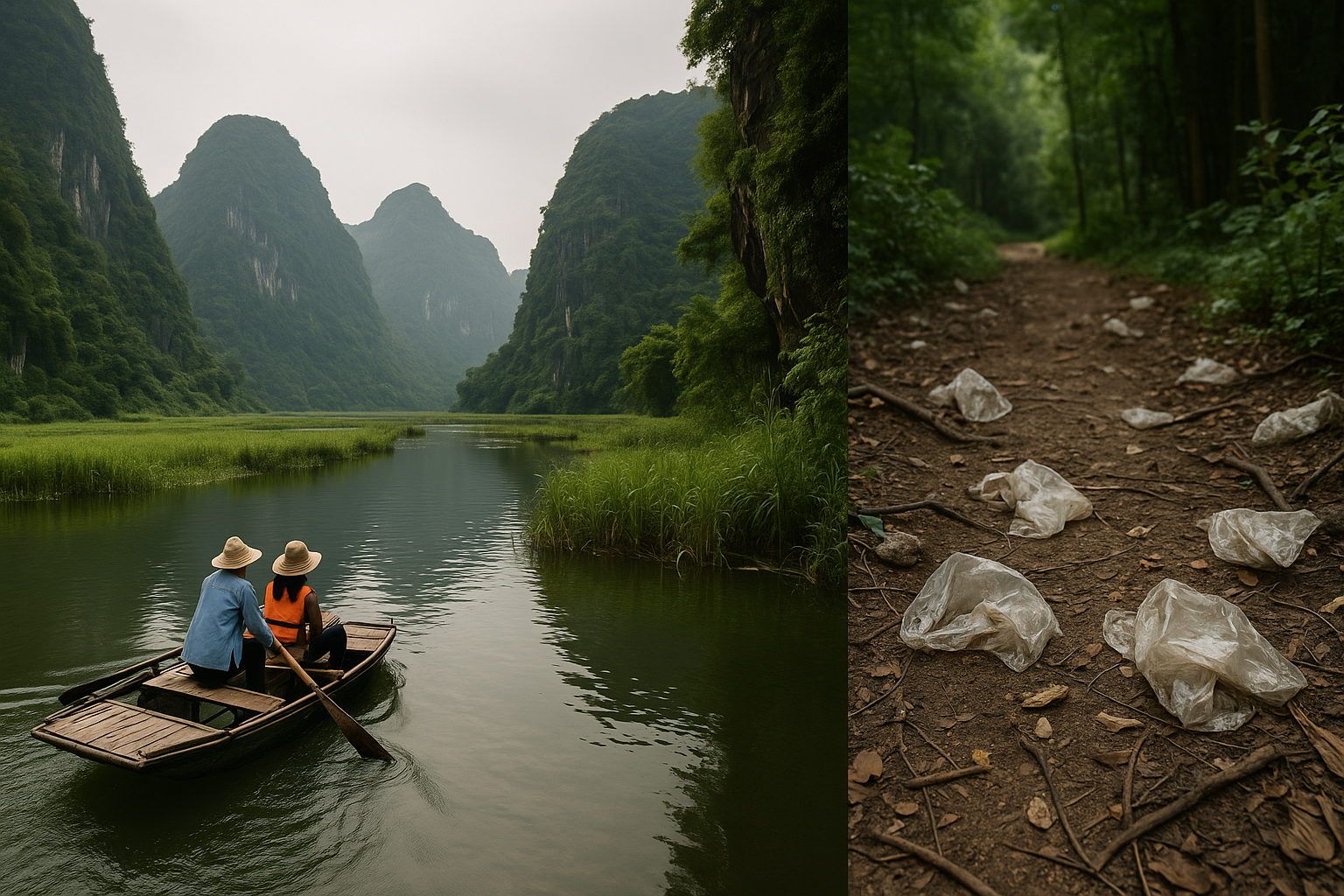
Ecotourism in Vietnam: What’s Real, What’s Not, and Where to Actually Go
Vietnam has been pulling travelers in for decades — the food, the landscapes, the chaos of city streets giving way to rice paddies and limestone karsts. But in recent years, a new kind of traveler has been showing up with different questions. Not just “where should I go?” but “how do I travel here without making things worse?” Ecotourism in Vietnam has exploded as a concept, with operators, guesthouses, and tour agencies all rushing to slap the word “eco” on their marketing. The problem? Most of it doesn’t mean what you think it means. This guide is for travelers who want the real thing — four destinations genuinely worth your time, plus an honest look at why the word “eco” has become one of the most abused terms in the travel industry.
Why Vietnam Is at the Center of the Ecotourism Conversation
Vietnam’s natural diversity is staggering. You’ve got dense highland forests in the north, a coastline stretching over three thousand kilometers, river deltas teeming with wildlife, and national parks that protect some of Southeast Asia’s most threatened ecosystems. It’s a country that practically begs to be explored slowly and thoughtfully.
The numbers reflect a growing appetite for that kind of travel. Vietnam’s ecotourism market reached nearly a billion US dollars in 2025, and projections suggest it could more than double to around USD 2.5 billion by 2034, growing at a compound annual rate of over ten percent. That’s not just a trend — that’s a structural shift in how people want to experience this country.
And it makes sense. Since the pandemic, experience-led travel has surged globally. Travelers — especially younger ones — are increasingly seeking meaningful journeys and genuine connections with local people, culture, and landscapes rather than just ticking off famous sights. Vietnam, with its rich culture and extraordinary natural environments, sits right at the intersection of everything that movement stands for.
But growth also brings problems. When a market expands that fast, standards slip. Definitions blur. And “ecotourism” starts meaning whatever someone needs it to mean to sell a tour.
The Greenwashing Problem: When “Eco” Is Just a Label
Here’s the uncomfortable truth, backed up by people who’ve spent serious time researching this: most of what’s marketed as ecotourism in Vietnam is greenwashed mainstream tourism. That’s not a fringe opinion — it’s a conclusion drawn by travel writers and researchers who’ve looked closely at what’s actually happening on the ground.
So what does greenwashing look like in practice? It can be subtle. A tour company adds “eco” to its name without changing any of its operations. A resort plants a few trees on its grounds and calls itself sustainable while still pumping out single-use plastics. A boat tour through a national park advertises itself as a nature experience while the engine fumes drift over a fragile wetland ecosystem.
The key questions to ask before booking anything that calls itself “eco” are simple but powerful:
- Does the operation actively work with local communities, or does it extract profit from an area while locals see little benefit?
- Is there a genuine effort to minimize environmental impact, or is “nature” just the backdrop for a standard tourist experience?
- Are guides trained in conservation and ecology, or are they just tour guides operating in a natural setting?
- Does the business reinvest in the local environment and community, or does revenue flow out to larger corporations?
- Is visitor numbers managed to reduce pressure on ecosystems, or is the goal to get as many people through as possible?
If you can’t find clear answers to these questions on an operator’s website or from their team directly, that’s already a red flag. Genuine ecotourism operators are usually proud to explain exactly what they do and why. Vague language about “respecting nature” and “sustainable values” without concrete details is a sign you’re looking at marketing, not a mission.
Four Destinations Where Ecotourism in Vietnam Feels Real
1. The Mekong Delta: Cai Be and Can Tho
The Mekong Delta is one of those places that genuinely rewards slow travel. The landscape shifts constantly — waterways, floating markets, fruit orchards, and villages where daily life has its own unhurried rhythm. But it’s also one of the most visited regions in Vietnam, which means the tourist infrastructure ranges from thoughtful to deeply exploitative depending on where you look.
One operator that consistently comes up in conversations about doing this right is Mekong Rustic, which works across Cai Be and Can Tho. What sets them apart is their direct collaboration with local communities to develop low-impact tours — meaning the people who live in the delta are partners in the experience, not just props for photographs. Staying with local families, eating food grown nearby, and moving through the waterways by traditional boat rather than diesel-heavy speedboats are all part of how they operate.
The Mekong Delta is also facing real environmental pressure — rising sea levels, changing water flows, and agricultural intensification are all reshaping the ecosystem. Traveling with operators genuinely connected to the community means your visit contributes to local livelihoods at a time when those communities need support, not just a stream of day-trippers passing through.
2. Ninh Binh: Vietnam’s Ecotourism Model
Ninh Binh has earned a reputation as one of Vietnam’s most compelling examples of what ecotourism can look like when it’s done with intention. The landscape alone is extraordinary — limestone karsts rising from flat rice paddies, ancient temples half-hidden in the hills, and the Trang An Landscape Complex, a UNESCO World Heritage site that protects both natural and cultural heritage.
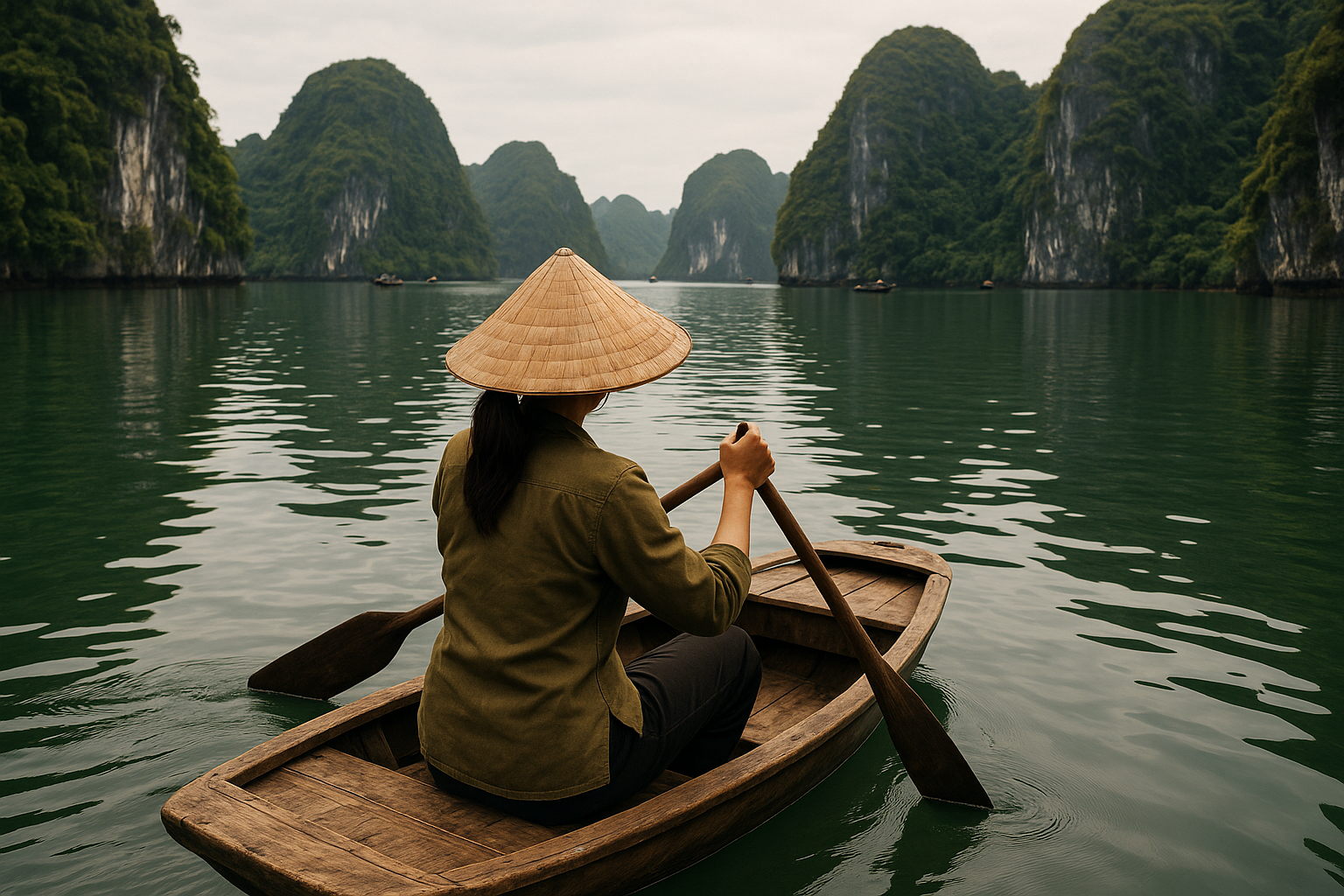
What makes Ninh Binh interesting from an ecotourism perspective is the way local communities have been integrated into the visitor economy. Rowing boats through the cave systems and waterways is done by local residents — often farmers who supplement their income through tourism during quieter agricultural seasons. The pace is slow, the environmental footprint is low, and the money stays local.
The region has been highlighted as a model for how Vietnamese destinations can develop tourism without destroying the very things that make them worth visiting. That doesn’t mean it’s perfect — popular areas can get crowded, especially during peak season — but the underlying structure is more genuinely community-rooted than most. If you go, choose smaller guesthouses run by local families over large resort-style properties, and take the time to explore on foot or by bicycle rather than rushing through on a day trip from Hanoi.
3. Pu Luong Nature Reserve
Pu Luong sits in the northwest of Vietnam, in Thanh Hoa province, and it’s the kind of place that still feels genuinely off the beaten path even as Vietnam’s tourism industry continues to expand. The reserve protects a stretch of limestone forest and traditional Muong and Thai minority villages, and the combination of intact ecosystems and living cultural heritage makes it one of the most compelling ecotourism destinations in the country.
Trekking through terraced rice fields, staying in stilted guesthouses run by local families, and eating meals prepared from ingredients grown in the surrounding valley — this is the kind of travel experience that’s hard to fake. The communities here have been involved in developing tourism on their own terms, which means your visit is more likely to generate real local benefit rather than funneling money toward outside operators.
It’s worth noting that “off the beaten path” is a relative term, and Pu Luong has grown in popularity over recent years. The key is to travel with operators who have genuine relationships with the communities there, and to stay long enough to move slowly rather than rushing through on a two-day package tour.
4. Cat Tien National Park
Cat Tien is one of Vietnam’s most important protected areas, covering a large stretch of lowland tropical forest in the south of the country. It’s home to some of Vietnam’s most threatened wildlife, including gibbons, sun bears, and a wide range of bird species that draw serious wildlife enthusiasts from around the world.
What makes Cat Tien relevant to the ecotourism conversation is the presence of operators and research stations that take conservation seriously as part of the visitor experience. Night safaris, guided wildlife walks, and visits to the Dao Tien Endangered Primate Species Centre give travelers a genuine window into the conservation challenges facing Vietnam’s forests — not just a pleasant walk through the trees.
The experience here is less about comfort and more about connection — to the ecosystem, to the work being done to protect it, and to the reality that these forests are under pressure. That kind of travel leaves you with more than memories. It leaves you with perspective.
How to Travel Ethically in Vietnam’s Natural Spaces
Knowing where to go is only part of the equation. How you travel matters just as much. A few principles that hold up regardless of where you are in Vietnam:
- Choose local. Guesthouses, guides, restaurants, and transport run by local people keep money in the community rather than sending it to international chains or outside operators.
- Go slower. Spending three nights somewhere instead of one means less travel, deeper experience, and more economic benefit to the place you’re visiting.
- Ask questions. Before booking, ask operators directly about their environmental and community practices. Good operators will have real answers. Vague ones won’t.
- Respect carrying capacity. If a site is already crowded, consider visiting at a quieter time or choosing a less-visited alternative nearby. Every ecosystem has limits.
- Skip the plastic. Bring a reusable water bottle, refuse single-use packaging where possible, and carry out what you carry in when you’re in natural areas.
- Learn something before you arrive. Understanding the ecology, culture, and challenges of a place before you visit makes you a better traveler and a more respectful guest.
Resources like Indie Traveller’s guide to ecotourism in Vietnam and Vietnam Tourism’s sustainable stays guide are genuinely useful starting points for research before you book anything.
The Bigger Picture: What Your Travel Choices Actually Do
It’s easy to feel cynical about ecotourism when so much of it turns out to be marketing. But the answer isn’t to give up on the idea — it’s to get better at identifying the real thing. Because genuine ecotourism does exist in Vietnam, and when it works, it works well. Communities benefit. Ecosystems are protected because they have economic value to the people living alongside them. Travelers leave with experiences that actually mean something.
The growth of Vietnam’s ecotourism market is both an opportunity and a risk. More money flowing into sustainable travel means more resources for conservation and community development — but only if travelers are discerning enough to direct that money toward operators who deserve it. Every booking is a vote for the kind of tourism you want to see more of.
Vietnam is one of the most rewarding countries in the world to explore slowly, curiously, and thoughtfully. The landscapes are extraordinary, the culture is layered and fascinating, and the people you meet when you travel with genuine intention — rather than just passing through — will stay with you long after you’ve come home. The trick is to look past the label and find the experience that’s actually worth having. When you do, Vietnam will give you more than you expected.
This article was produced with AI assistance and reviewed editorially.


Nepal’s Mountain Gateway: Kathmandu Neighborhoods, Street Food & Where to Stay for Authentic Exploration

Luang Prabang, Laos: Why This Sacred City Is Perfect for Solo Travelers Seeking Solitude


