
Asia
One Month in Laos: Temples, Rivers & Mountains—A Real Itinerary
Plan a month-long journey through Laos with this practical itinerary covering Luang Prabang, Vang Vieng, and 4000 Islands. Includes temples, trekking, and budget tips.

Why Laos Deserves a Full Month of Your Time
If you’ve been scrolling through Southeast Asia travel plans and keep landing on Thailand or Vietnam, you’re not alone. But here’s the thing — Laos is sitting right there, quietly waiting, and it might just be the most rewarding country you haven’t seriously considered yet. Planning a Laos itinerary one month long gives you something genuinely rare in modern travel: the time to actually slow down, look around, and let a place get under your skin.
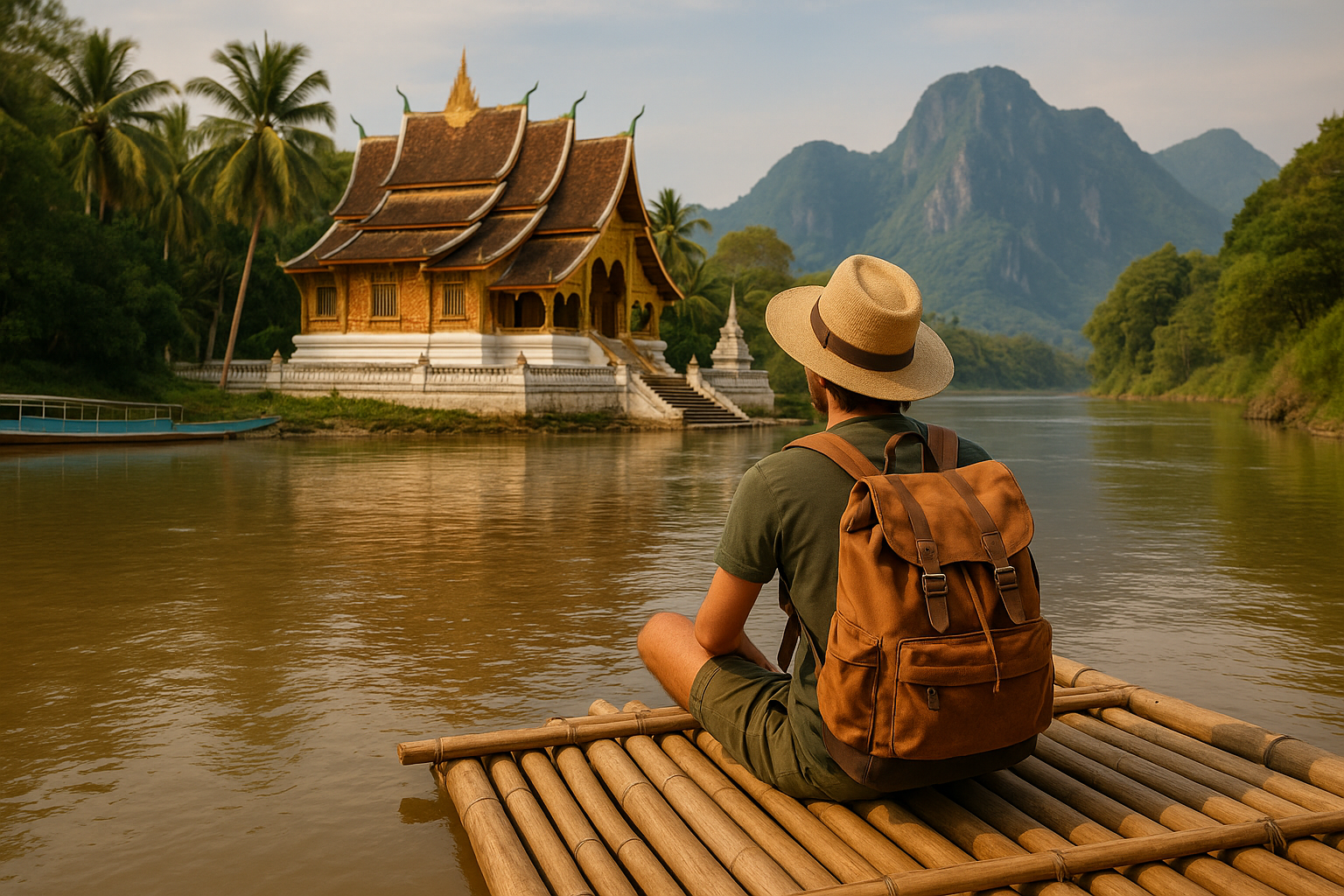
Laos is widely considered underrated and understated compared to its neighbors. It’s less crowded, less commercialized, and in many ways more honest. The temples feel quieter, the rivers feel wilder, and the mountains feel like they belong to you — at least for a morning. A month here isn’t too long. If anything, it’s just enough.
This guide walks you through a real, practical route that takes you from north to south (or south to north, depending on where you fly in), covering the country’s iconic highlights while leaving room for the kind of spontaneous detours that make a trip memorable. Whether you’re a solo traveler, heading out with a friend, or joining the backpacker trail for the first time, Laos is a country that rewards curiosity and patience in equal measure.
Understanding Laos Before You Arrive
The Pace of the Country
One of the first things experienced Laos travelers will tell you is this: match the country’s pace. Laos moves slowly, and that’s not a flaw — it’s the whole point. Buses take longer than expected. Boats drift at their own rhythm. Guesthouses don’t always have Wi-Fi. And somehow, all of that feels completely fine once you’re there.
Travel guides and bloggers who’ve spent time in Laos consistently emphasize slow travel as the right approach. Don’t try to rush through it like you’re ticking boxes. Give yourself permission to spend three days somewhere you only planned to spend one. That flexibility is exactly what a month allows you to have.
Safety and Accessibility
Laos is considered safe for travelers, including solo female travelers, which makes it an accessible destination for a wide range of people setting out on their own for the first time. Like anywhere, common sense applies — keep your belongings secure, respect local customs, and stay aware of your surroundings in unfamiliar areas. But the general atmosphere is welcoming, calm, and low-pressure.
Getting around between cities typically involves a mix of local buses, minivans, slow boats, and the occasional domestic flight if you’re short on time. For a month-long trip, overland and river travel is the way to go — it’s cheaper, more scenic, and far more interesting.
When to Go
The dry season, roughly from November through April, is the most comfortable time to visit. Temperatures are warm but manageable, roads are passable, and trekking trails are at their best. The wet season brings lush green landscapes and fewer tourists, but some routes can become difficult. If you’re planning around a month-long window, aim for the cooler dry months if you can — your trekking experiences in particular will benefit enormously.
A Month-Long Laos Itinerary: The Route
Week One: Luang Prabang and the North
Start in Luang Prabang. Almost every solid Laos itinerary one month long begins here, and for good reason. This UNESCO-listed town sits at the confluence of the Mekong and Nam Khan rivers, surrounded by forested hills and filled with golden temples that glow in the early morning light. It’s one of those places where waking up early actually feels worth it.
Spend your first few mornings watching the alms-giving ceremony, where monks in saffron robes walk silently through the streets collecting offerings at dawn. It’s a centuries-old tradition and genuinely moving to witness — just remember to observe respectfully from a distance rather than treating it as a photo opportunity. The monks deserve that dignity.
Beyond the temples, Luang Prabang rewards wandering. Explore the night market along the main street, where local artisans sell textiles, silverwork, and handmade goods. Climb Phousi Hill in the late afternoon for sweeping views over the river and the town below. Take a half-day trip to the Kuang Si waterfalls, where turquoise pools cascade through the jungle — it’s the kind of place you’ll want to stay for hours.
Plan on spending at least five to seven days here. That might sound like a lot for one town, but Luang Prabang earns it. There are cooking classes, meditation sessions, cycling routes into the surrounding villages, and day trips to traditional weaving communities nearby. Don’t rush this one.
Week Two: Vang Vieng and the Landscape in Between
From Luang Prabang, head south toward Vang Vieng. The journey itself — whether by bus or the Lao-China Railway, which has made this route faster in recent years — passes through dramatic karst mountain scenery that sets the tone for what’s ahead.
Vang Vieng has a complicated reputation. For years it was known as a party town, and while that element still exists, the town has shifted considerably toward outdoor adventure. The landscape here is extraordinary — jagged limestone peaks rise straight out of the valley floor, the Nam Song River winds through it all, and caves burrow deep into the hillsides.
Spend four to five days here and fill them with activity. Kayak or tube down the river on a lazy afternoon. Rent a bicycle and cycle out to the blue lagoons hidden in the surrounding countryside. Go caving — there are several accessible caves in the area that range from easy walks to more adventurous crawls. Hot air balloon rides at sunrise over the karst landscape are a genuinely spectacular way to start a morning if that’s within your budget.
Vang Vieng is also a good place to connect with other travelers, find trekking guides for multi-day walks into the hills, and stock up on supplies before heading further south.
Week Three: Vientiane and the Transition South
Vientiane is Laos’ capital city, and it’s one of the most low-key capital cities in the world. Don’t arrive expecting Bangkok-style energy — Vientiane moves at the same gentle pace as the rest of the country, which is actually refreshing. Give it two to three days.
The city has a mix of French colonial architecture, Buddhist temples, and riverside cafes that make for excellent slow mornings. Visit Pha That Luang, the national symbol of Laos and one of the country’s most sacred monuments. Walk along the Mekong at sunset, when locals come out to exercise, socialize, and watch the sky turn orange over the river. Try the food — Vientiane has a surprisingly good dining scene, from street food stalls serving sticky rice and laap to proper restaurants with Lao-French fusion menus.

After Vientiane, make your way toward the Bolaven Plateau in the south. This highland region is Laos’ coffee country — the air is cooler, the scenery is green and lush, and the waterfalls here are some of the most impressive in the country. Rent a motorbike and loop through the plateau over two or three days, stopping at local coffee farms, villages, and viewpoints along the way. It’s one of the most underrated parts of any Laos itinerary one month long.
Week Four: The 4000 Islands
End your month in Si Phan Don, better known as the 4000 Islands — a sprawling archipelago in the Mekong River near the Cambodian border. This is where the Mekong spreads out into a wide, island-dotted expanse, and where time genuinely seems to stop.
The two most visited islands are Don Det and Don Khon, both reachable by boat and both offering a completely different kind of travel experience. There are no cars here. Guesthouses are simple. Hammocks are everywhere. The main activities are cycling the flat island paths, swimming in the river, watching the sunset from a bamboo platform over the water, and doing absolutely nothing at all.
It’s also one of the few places in Southeast Asia where you can spot the critically endangered Irrawaddy dolphins in the wild — a genuinely rare and moving experience. Take a boat trip to the southern tip of Don Khon in the early morning for the best chance of seeing them.
Spend four to five days here to decompress after a month of travel. By this point, you’ll have earned it. From Si Phan Don, you can cross overland into Cambodia or fly back north to catch your international connection.
Practical Tips for Traveling Laos on a Budget
Getting Around
Laos isn’t the easiest country to navigate, but that’s part of the adventure. Local buses connect most major towns and are the cheapest option, though they can be slow and sometimes uncomfortable on longer routes. Minivans are faster and more comfortable, and widely available between tourist hubs. For the most scenic experience, consider taking the slow boat along the Mekong at least once — particularly between the Thai border and Luang Prabang, a two-day journey that many travelers describe as a highlight of their entire trip.
For more information on transport options and regional connections, Indie Traveller’s Laos travel guide is a thorough and reliable resource worth bookmarking before you go.
Accommodation
Budget guesthouses are plentiful throughout Laos, especially along the main backpacker route. Dormitory beds in hostels are available in larger towns like Luang Prabang and Vang Vieng, while smaller guesthouses with private rooms remain very affordable. In the 4000 Islands and more remote areas, accommodation is basic but charming — think wooden bungalows with river views and not much else. That simplicity is the appeal.
Food and Eating
Lao food is delicious and cheap. Sticky rice is the staple — eaten with your hands, rolled into small balls, and dipped into sauces or eaten alongside grilled meats and vegetables. Laap, a minced meat salad with herbs and toasted rice powder, is one of the national dishes and worth ordering everywhere you go. Fresh noodle soups, papaya salad, and grilled river fish are all common and excellent.
Eat where locals eat. Market stalls and small family-run restaurants will give you better food at a fraction of the price of tourist-facing restaurants. Fresh fruit smoothies are everywhere and cost almost nothing — mango, watermelon, and passion fruit are especially good.
Respecting Local Culture
Laos is a predominantly Buddhist country with a strong sense of tradition and community. Dress modestly when visiting temples — cover your shoulders and knees. Remove your shoes before entering sacred spaces. Speak quietly and move respectfully. The Lao concept of boh pen nyang — roughly translating to “no worries” or “never mind” — reflects a cultural approach to life that values harmony and patience. Lean into it. It’ll make your whole trip better.
For deeper context on Laos as a travel destination, The Broke Backpacker’s Laos itinerary guide covers both practical logistics and cultural nuance in useful detail.
Who This Trip Is For
A month in Laos suits a wide range of travelers. If you’re on a gap year and want to go somewhere that feels genuinely off the beaten path compared to Thailand or Bali, this is it. If you’re a solo traveler looking for a safe, welcoming environment where you can move at your own pace, Laos delivers. If you’re traveling with a friend and want a mix of adventure and relaxation without the crowds, the route described here gives you both.
It’s also worth noting that Laos remains relatively uncrowded compared to neighboring Southeast Asian countries. You won’t be fighting through tour groups at every temple or competing for hammock space at every guesthouse. That breathing room is increasingly rare, and it makes the whole experience feel more personal.
For those who prefer guided trekking experiences, organized options exist across the country, including walking-focused itineraries that take you through highland villages and forested trails with local guides. These are a great option if you want structure and deeper cultural access without having to plan every detail yourself.
Final Thoughts: A Month Well Spent
There’s a version of travel where you rush from highlight to highlight, ticking things off a list and moving on before you’ve really arrived. And then there’s Laos — a country that gently, persistently encourages you to do the opposite. To sit by the river a little longer. To take the slow boat instead of the fast one. To have another cup of coffee on the guesthouse terrace and watch the morning unfold without any particular agenda.
A well-planned Laos itinerary one month long gives you the rare gift of depth. You’ll move through jungles, along rivers, up into mountains, and across island archipelagos. You’ll visit temples that have stood for centuries and eat food that’s been made the same way for generations. You’ll meet other travelers and local people who’ll leave you with stories worth keeping. And somewhere between the alms-giving ceremony in Luang Prabang and the last sunset over the Mekong in the 4000 Islands, you’ll understand why experienced travelers keep coming back to this quiet, remarkable country — and why one month is exactly the right amount of time to begin to understand it.
This article was produced with AI assistance and reviewed editorially.


Vietnam Uncovered: Beyond the Chaos, Into the Real Story

Beyond the Guidebook: What Hanoi Actually Feels Like


