
Food
City Guides for Food, Drinks & Local Culture: Barcelona, London & Beyond
Discover authentic city travel guides for Barcelona, London, and beyond. Learn where locals eat, drink, and experience real culture beyond tourist attractions.

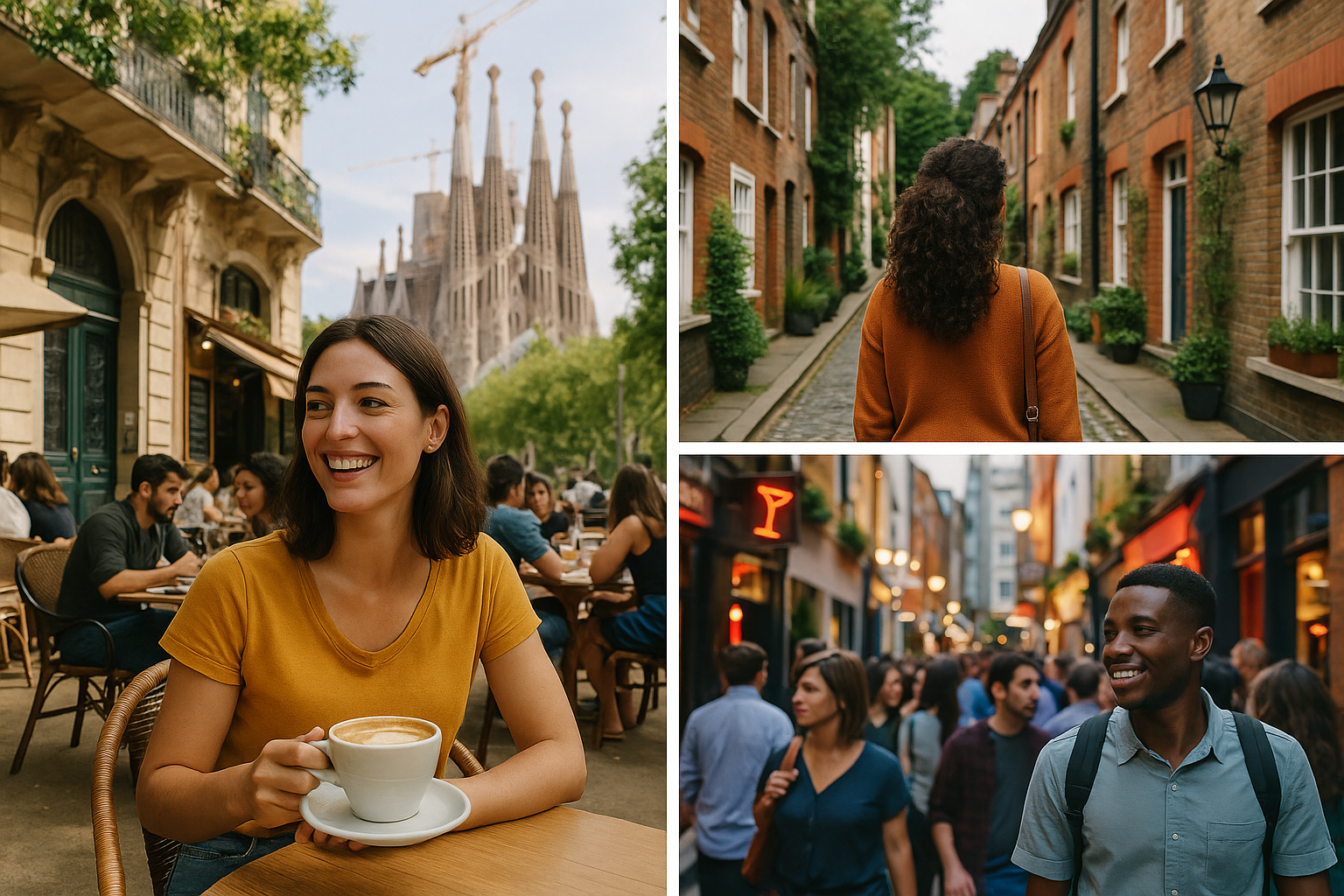
How to Use City Travel Guides to Experience Food, Drinks, and Culture Like a Local
There’s a difference between visiting a city and actually experiencing it. Anyone can tick off the famous landmarks, grab a meal at a tourist-trap restaurant near the main square, and head home with photos they’ve already seen on every travel account they follow. But when you dig into the best city travel guides — the ones written by people who know a place deeply — you start to uncover something far more interesting. You find the neighborhood café where locals linger over coffee for two hours on a Sunday. You discover the cocktail bar tucked down an unmarked side street. You eat food that genuinely reflects where you are. That’s what this is about.
Whether you’re planning your first trip to Barcelona, dreaming about wandering London’s lesser-known neighborhoods, or building a list of cities you want to explore over the next few years, the right guide makes all the difference. Here’s how to use them well — and what to look for when you want to go beyond the surface.
Why Barcelona Belongs at the Top of Your List
Barcelona is one of those cities that rewards curiosity. Walk far enough in any direction and you’ll stumble onto something unexpected — a sunlit courtyard, a market stall selling produce you can’t name, a bar that’s been serving the same vermouth recipe for decades. It’s a city that layers history, architecture, food culture, and nightlife in a way that feels effortless, even when you know it isn’t.
The Gothic Quarter alone could fill a full day. Narrow medieval streets open suddenly onto small plazas, and the contrast between the ancient stonework and the street life happening around it never gets old. It’s also where some of the most authentic tapas experiences in the city live — the kind of food that’s been refined over generations rather than adapted for visitors. Platforms like Carpe Diem Tours run food tours through exactly this area, offering guided walks through the Gothic Quarter with traditional tapas at the center of the experience. If you’re new to the city, joining a food tour like this early in your trip is genuinely one of the smartest moves you can make. You get your bearings, you eat well, and you leave with a mental map of places worth returning to on your own.
Where to Eat and Drink in Barcelona
Barcelona’s food scene is built on a few simple principles: fresh ingredients, local producers, and an unhurried approach to eating. Lunch is the main meal of the day for most locals, and many restaurants offer a menú del día — a set lunch menu with multiple courses at a price that makes you feel like you’ve discovered something secret. You haven’t, but it still feels that way every time.
For drink culture, the city’s relationship with vermouth is worth understanding. Mid-morning on a weekend, locals gather at neighborhood bars for a glass of house vermouth with olives and bread. It’s a ritual, not a rush. Later in the evening, natural wine bars have become increasingly popular across neighborhoods like El Born and Gràcia, sitting comfortably alongside the traditional cervecerías that have been there for generations.
Gemma Bell & Company published a focused guide to Barcelona specifically covering where to drink and dine in the Catalan capital, which is worth reading if you want curated, opinionated recommendations rather than a long list of options. Meanwhile, Culinary Backstreets operates in-depth city guides across dozens of destinations — including Barcelona — with a particular focus on food culture and the stories behind the places that feed a city. Their approach treats eating as a way of understanding a place, which is exactly the right framing.
Getting Around and Avoiding Tourist Traps
Barcelona is a walkable city in many of its most interesting neighborhoods, but the metro is clean, reliable, and genuinely easy to navigate. Getting a multi-journey travel card when you arrive saves you money and removes the friction of figuring out fares every time you want to move across the city.
Tourist traps are real, and they cluster predictably around the most famous sights. Las Ramblas is worth walking once — it’s iconic and the atmosphere is interesting — but eating along it is rarely a good use of your budget or your appetite. The further you walk from the main tourist corridors, the better the food tends to get and the more the prices reflect what locals actually pay. This is consistent advice you’ll find in almost every well-researched guide to the city, and it holds up every time.
The Happy to Wander YouTube channel posted a Barcelona travel tips video in May 2025 covering planning, transport, attractions, food and drink, and arrival tips — a useful starting point if you’re a visual planner and want a broad orientation before diving into written guides.
London: Layers, Neighborhoods, and a City That Never Stays Still
London is a city that takes time to understand, and that’s part of what makes it so rewarding. It isn’t one place — it’s dozens of distinct neighborhoods stitched together, each with its own character, its own food scene, and its own rhythm. You can spend a week there and feel like you’ve barely scratched the surface, which is either exciting or overwhelming depending on how you approach it.
The key is to resist the urge to cover everything and instead commit to going deep in a few areas. Spend a morning in a market — not just walking through it, but stopping, trying things, talking to the people selling them. Eat lunch somewhere that doesn’t have a menu board translated into five languages. Walk through a neighborhood at different times of day and notice how it changes. That’s where London reveals itself.
Hidden Neighborhoods Worth Exploring
Beyond the obvious landmarks — and the landmarks are genuinely worth seeing — London’s real character lives in places like Peckham, Dalston, Stoke Newington, and Bermondsey. These are neighborhoods where creative communities have settled, where independent restaurants and bars have opened because the rents allowed for experimentation, and where the food reflects the city’s extraordinary cultural diversity in the most direct way possible.
Bermondsey Street, for example, is a short walk from London Bridge and offers a concentrated stretch of independent restaurants, wine bars, and galleries that feels nothing like the tourist London most visitors experience. Borough Market nearby is one of the finest food markets in Europe — arrive early on a weekday if you want to actually move through it and taste things without the weekend crowds.
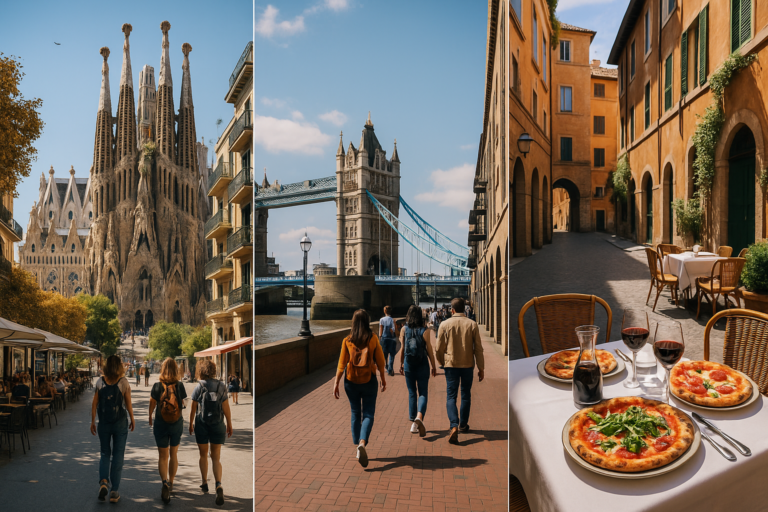
Culinary Backstreets, which covers London among its many city guides, approaches the city through the lens of food culture and local eating habits — a perspective that consistently surfaces places and experiences that standard tourist guides overlook. It’s a platform worth bookmarking for any city on your list.
Food, Drink, and the Culture of Eating Out in London
London’s restaurant scene has transformed dramatically over the past decade and continues to evolve. The city now has some of the most exciting and diverse food in the world, driven largely by the communities that have made it home. West African cooking, Japanese-Peruvian fusion, modern British food that actually celebrates British ingredients, Sri Lankan street food — all of it exists here at a genuinely high level.
Pub culture remains central to London life and is worth engaging with properly. A good pub — and there are thousands — is a community space, not just a place to drink. Settle into one on a quiet afternoon, order something from the cask, and you’ll understand something about the city that no landmark can teach you.
For budget-conscious travelers, London’s street food markets are some of the best value eating in the city. Maltby Street Market, Brixton Market, and Deptford Market Yard all offer excellent food at prices that won’t wreck your budget for the week.
Beyond Barcelona and London: Building Your City Travel Guide Toolkit
The approach that works in Barcelona and London works everywhere. Good city travel guides share a common philosophy: they prioritize local knowledge over tourist convenience, they treat food as a window into culture rather than just fuel, and they encourage you to spend time in places where you’re the only visitor rather than one of thousands.
Culinary Backstreets, for instance, extends its model across cities including Athens, Bangkok, Buenos Aires, Istanbul, Madrid, Mexico City, Paris, and Tokyo — all approached through the same food-first, community-centered lens. If you’re building a travel list and want to go deep rather than wide, their guides are a reliable starting point for any of those destinations.
How to Read a City Guide Critically
Not all city travel guides are created equal, and learning to read them critically is a skill worth developing. Here’s what to look for:
- Specificity over generality. A guide that tells you to “explore the local markets” is less useful than one that names the market, explains what makes it worth visiting, and tells you when to go.
- Honest about downsides. Every city has tourist traps, overrated spots, and neighborhoods that look good on a map but feel flat in person. A guide that acknowledges this is more trustworthy than one that presents everything as unmissable.
- Updated regularly. Cities change. Restaurants close, neighborhoods shift, transport systems get updated. Look for guides that reflect the current state of a city, not what it was several years ago.
- Multiple perspectives. A single guide reflects a single viewpoint. Cross-referencing a few different sources — a food-focused platform, a general travel site, a local blogger — gives you a more complete picture.
- Practical logistics. The best guides cover not just what to do but how to actually do it — transport options, opening hours, booking requirements, the best time of day to visit a particular place.
Using Digital Tools Alongside Written Guides
Written guides are the foundation, but digital tools extend them. Platforms like GetYourGuide offer structured trip inspiration and curated things-to-do lists for cities including Barcelona — useful for getting a broad overview and booking specific experiences like tours or cooking classes. Some travelers find it helpful to build a personal map as they research, pinning recommendations from multiple sources so they can see geographically where things cluster and plan their days around neighborhoods rather than individual attractions.
Video guides have also become genuinely useful, particularly for getting a feel for a city’s atmosphere before you arrive. Watching someone navigate a neighborhood, order food, and react to what they find gives you a kind of preview that written text can’t fully replicate. Use them as a complement to written research rather than a replacement.
Making the Most of Every City You Visit
The travelers who get the most out of a city are rarely the ones who plan the most. They’re the ones who plan well — who arrive with enough knowledge to feel oriented but enough flexibility to follow something interesting when it appears. They know which neighborhoods to spend time in, they have a shortlist of places to eat and drink, and they understand roughly how the city moves. Everything else they figure out as they go.
That balance — prepared but open — is what good city travel guides help you find. They give you the foundation. What you build on it is yours.
Whether you’re heading to Barcelona to eat your way through the Gothic Quarter, exploring London’s endlessly layered neighborhoods, or planning a future trip to one of the dozens of other cities worth discovering, the right guide points you toward the real thing. Not the version of a city designed for visitors, but the version that exists for the people who actually live there. That’s the city worth finding — and once you’ve experienced it that way, it’s hard to travel any other way.
This article was produced with AI assistance and reviewed editorially.


Quito, Ecuador: From Stopover to 10-Day Adventure in the Andes

Ecuador & South America’s Gateway: Quito as a Base for Adventure


