
Roaming Around the World
The Best Underrated European Cities for Young Travelers (Beyond the Instagram Hotspots)
Explore authentic European cities like Krakow, Lisbon & Budapest. Affordable, vibrant, and less crowded than Barcelona or Rome.

The Best Underrated European Cities for Young Travelers (Beyond the Instagram Hotspots)
You’ve seen the photos. The crowded streets of Barcelona. The selfie queues at the Trevi Fountain. The shoulder-to-shoulder chaos of Amsterdam in July. Europe’s most famous cities are stunning, no question — but they’re also exhausting, expensive, and increasingly difficult to experience on your own terms.
Here’s the thing: Europe is enormous, and most travelers only scratch the surface of it. Some of the continent’s most vibrant, affordable, and genuinely exciting cities are quietly waiting for you to show up — without the crowds, without the inflated prices, and with a lot more soul.
These are the cities worth putting on your radar.
Krakow, Poland — History, Nightlife, and Prices You’ll Appreciate
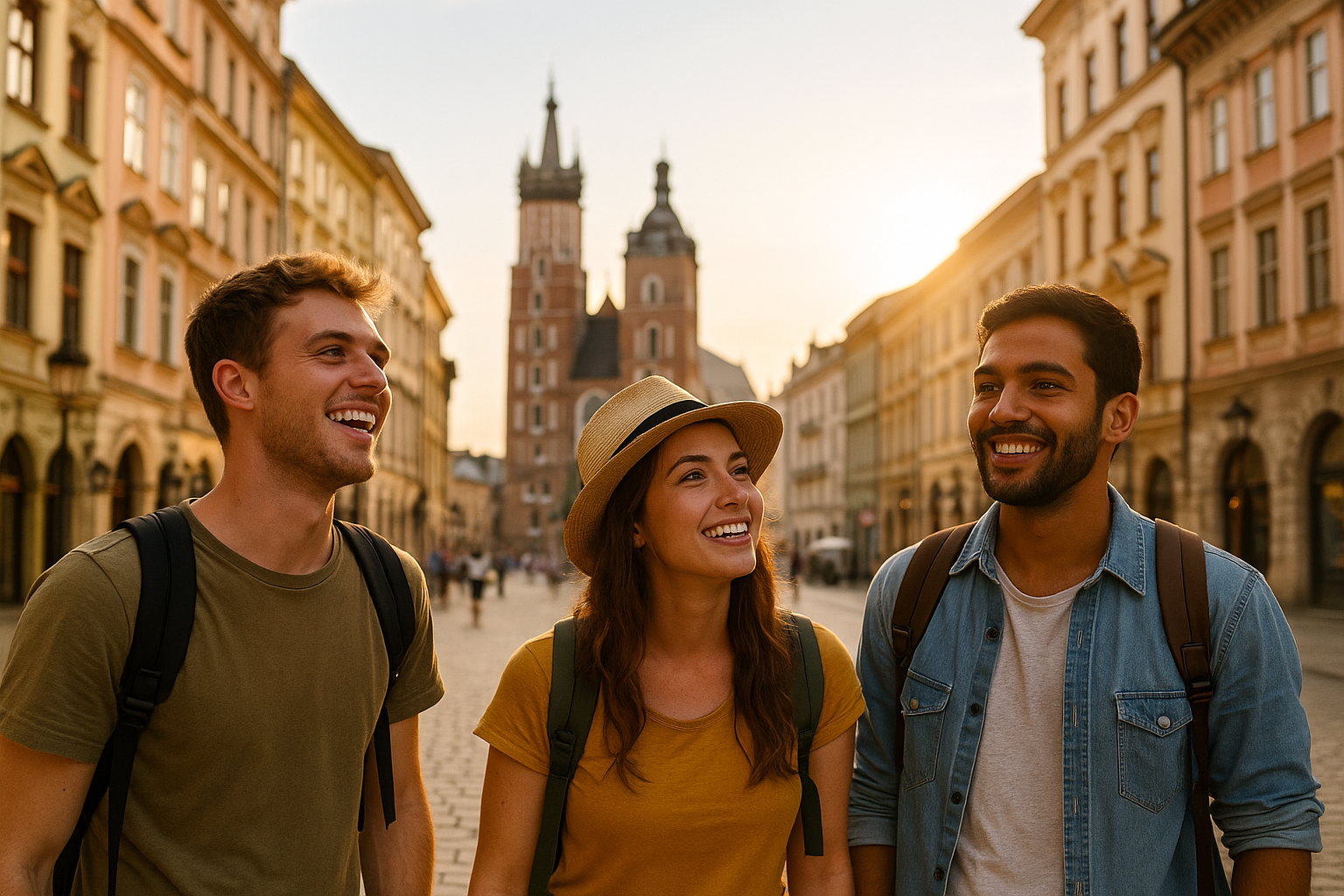
Krakow doesn’t try to impress you. It just does. Walk through the Old Town on a weekday morning and you’ll find a medieval market square that feels genuinely lived-in — locals grabbing coffee, students cycling past, pigeons doing their thing. It’s beautiful without being precious about it.
The city has one of the best-preserved historic centers in Europe, and exploring it won’t drain your wallet. A solid meal at a local milk bar — a traditional Polish canteen — will cost you next to nothing. A hostel bed in a well-located spot runs between €10 and €20 per night, and the city’s compact layout means you can walk almost everywhere.
- Don’t miss Kazimierz, the historic Jewish quarter turned creative hub, full of independent cafés, street art, and some of the best bars in the city.
- Day trip to Wieliczka Salt Mine, a UNESCO World Heritage Site that genuinely surprises everyone who visits.
- The nightlife on Plac Nowy is loud, cheap, and very much worth a late night.
Krakow is also well connected. Budget airlines fly directly from most major European cities, and it’s an easy train ride from Warsaw or Prague if you’re building a longer itinerary.
Lisbon, Portugal — Sunshine, Fado, and Neighborhoods That Still Feel Real
Lisbon has been on travelers’ radar for a few years now, but it still hasn’t lost what makes it special. The city is built on hills, draped in azulejo tiles, and cut through with tram lines that rattle past pastel-colored buildings. It’s one of those places where getting lost is genuinely enjoyable.
Head to Mouraria or Intendente instead of the more tourist-heavy Alfama, and you’ll find a Lisbon that moves at its own pace. Grab a pastel de nata from a local bakery, wander down to the river at sunset, and let the evening unfold from there.
- Lisbon has a thriving digital nomad and backpacker community, with excellent co-working spaces and a strong hostel scene.
- The city’s public transport — trams, metro, and ferries — is affordable and easy to navigate.
- Visit in spring or autumn to avoid the summer peak and enjoy the city without the heat or the crowds.
Food is still reasonable if you eat where locals eat. A prato do dia — the daily lunch special — at a neighborhood restaurant typically costs between €7 and €10 and comes with everything included. It’s one of the best deals in Western Europe.
Budapest, Hungary — Grand Architecture, Thermal Baths, and a Night Scene Like No Other
Budapest is one of those cities that hits differently at night. The ruin bars — open-air venues built inside crumbling courtyards and abandoned buildings — are unlike anything else in Europe. Szimpla Kert is the original and still worth visiting, but the whole District VII neighborhood rewards exploration.
During the day, the city rewards slow wandering. Cross the Chain Bridge, climb up to Buda Castle, or spend a morning soaking in one of the city’s famous thermal baths. Széchenyi is the most iconic, but Rudas is worth the trip for its rooftop pool with views over the Danube.
- Budapest is one of the most affordable capitals in Central Europe — accommodation, food, and transport are all significantly cheaper than in Vienna or Prague.
- The city has excellent hostel infrastructure with a strong social scene, making it easy to meet other travelers.
- English is widely spoken, especially among younger locals, so getting around is straightforward.
Ljubljana, Slovenia — Small City, Big Personality
Ljubljana is easy to underestimate. It’s small — genuinely walkable in a day — but it punches well above its size. The old town sits around a castle-topped hill, the river runs through the center lined with outdoor cafés, and the whole city has an easy, creative energy that’s hard to find elsewhere.
It’s also a great base for exploring Slovenia more broadly. Lake Bled is an hour away by bus, and the Soča Valley — one of the most scenically dramatic landscapes in Europe — is within reach for a longer day trip or overnight adventure.
Porto, Portugal — Quieter Than Lisbon, Just as Captivating
If Lisbon feels too busy, Porto is the answer. The city is rougher around the edges, more atmospheric, and in many ways more authentically Portuguese. Spend an afternoon in the Ribeira district watching boats drift past on the Douro, visit one of the port wine cellars in Vila Nova de Gaia, and end the day with a francesinha — the city’s famously indulgent sandwich — at a local spot that doesn’t appear on any tourist map.
Porto’s hostel scene is excellent, and the city has developed a strong creative community in recent years, with independent bookshops, music venues, and art spaces scattered across its steep, tile-covered streets.
A Few Practical Things Worth Knowing
Traveling smart through these cities doesn’t require much planning, but a few things will make a real difference:
- Travel in shoulder season. April to June and September to October offer the best combination of good weather, manageable crowds, and lower prices across all of these destinations.
- Book accommodation early in summer. Even underrated cities fill up in July and August. Hostels with social spaces book fast.
- Use budget airlines and trains. Ryanair, Wizz Air, and easyJet connect most of these cities cheaply. For longer journeys, Interrail or point-to-point trains are worth exploring.
- Eat where locals eat. In every city on this list, moving one or two streets away from the main tourist area cuts your food costs significantly — and the food is almost always better.
- Check visa requirements in advance. Most EU and Schengen-area cities are straightforward for travelers from the UK, US, Canada, and Australia, but it’s always worth confirming before you go.
The Real Reason to Go Off the Beaten Path
The cities on this list aren’t underrated because they’re lacking something. They’re underrated because the travel world tends to repeat the same names until everyone ends up in the same places at the same time, paying the same inflated prices for a version of the city that’s been packaged for tourists.
Krakow, Lisbon, Budapest, Ljubljana, and Porto are all genuinely extraordinary in their own ways. They have history, culture, food, nightlife, and communities of curious, open-minded travelers just like you. They’re places where you can still have an experience that feels like yours — not like a scene from someone else’s highlight reel.
Pack your bag, pick one, and go find out for yourself. The best travel stories rarely start in the most obvious places.
This article was produced with AI assistance and reviewed editorially.


Planning Your First Solo Trip: A Step-by-Step Blueprint for Unforgettable Travel

Teaching English Abroad in 2026: Top Countries, Visa Requirements & Real Salaries


