
Tips & Tricks
Finding Hidden Gems: How to Discover Places Before They Go Viral
Discover how to find hidden gems travel experiences before the crowds arrive. From local forums to off-season timing, here’s your practical guide to authentic, undiscovered destinations.

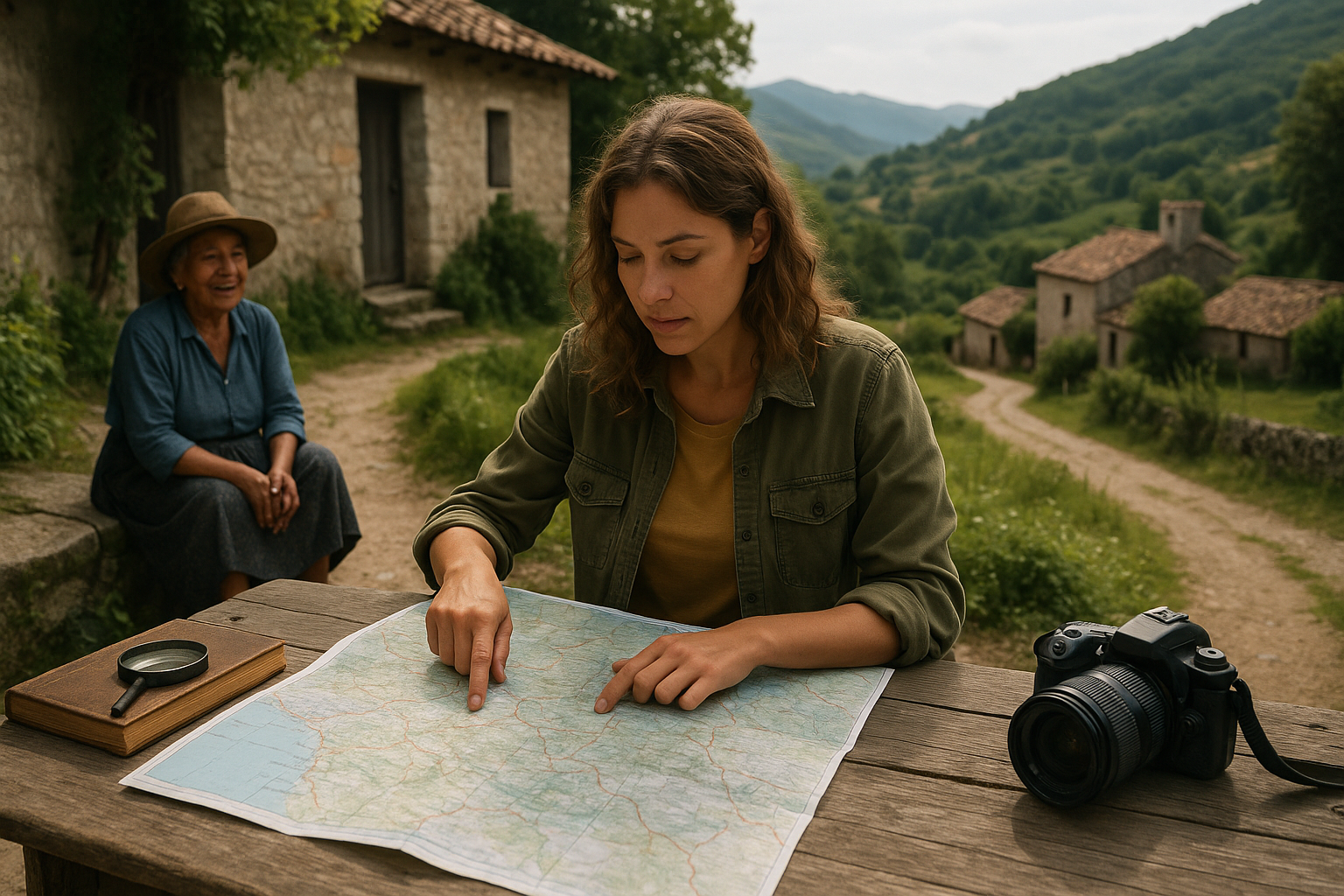
Finding Hidden Gems: How to Discover Places Before They Go Viral
Hidden gems travel is one of the most rewarding ways to explore the world. Not the kind of travel where you follow a highlight reel from someone else’s feed — the kind where you turn a corner and think, how does nobody know about this? Finding those places before the crowds arrive takes curiosity, a little patience, and a willingness to look where most travelers simply don’t bother. This guide is your starting point for doing exactly that.
We’ve all seen it happen. A quiet fishing village gets featured in a popular travel video. Within six months, it’s packed with day-trippers, souvenir stalls, and long queues for the “authentic” local dish that’s now being served in five tourist restaurants. The magic doesn’t disappear overnight, but it shifts. What made the place special — the stillness, the locals going about their lives, the sense that you’d stumbled onto something real — slowly fades into the background.
The good news? You can stay ahead of that wave. Here’s how.
What Makes a Place a True Hidden Gem?
Not every off-the-beaten-path destination qualifies. A hidden gem isn’t just somewhere that’s hard to reach or poorly reviewed. It’s a place with genuine character — somewhere locals actually love, where the experience feels unscripted and the atmosphere hasn’t been packaged for visitors yet.
Hidden gems come in all shapes: a neighborhood bakery that’s been run by the same family for decades, a coastal trail that doesn’t appear on any major hiking app, a rooftop bar known only to the people who live on that street. What they share is authenticity. They exist for real life, not for tourism — and that’s exactly what makes them worth finding.
The challenge is that “hidden” is always temporary. Every undiscovered place is one viral post away from becoming the next crowded hotspot. That’s why knowing how to find these places matters more than any specific list.
Why Instagram Isn’t Your Friend When It Comes to Hidden Gems Travel
Social media platforms are built to amplify what’s already popular. The algorithm rewards engagement, and engagement follows beauty, novelty, and spectacle. That’s why the same clifftop viewpoints, the same colorful staircases, and the same “secret” beaches keep appearing on your feed — they’ve already been discovered, shared, and optimized for maximum likes.
That doesn’t mean social media is useless. But you need to use it differently. Instead of searching for destination hashtags, try searching for the names of specific neighborhoods, local events, or regional festivals. Look at accounts with smaller followings — local photographers, regional food bloggers, community artists. These are the people capturing places before they trend, because they actually live there.
Reverse image search is another underused trick. Find a well-known photo of a famous landmark, run it through Google Images, and dig into the results. You’ll often find lesser-known angles, nearby locations, or alternative sites that photographers visited on the same trip but never posted because they weren’t “Instagram-worthy” enough. Sometimes the most interesting places are exactly those.
Where to Actually Research Hidden Destinations
The best research happens in places most travelers overlook. Here are the sources worth spending time in.
Local Forums and Community Spaces Online
Reddit’s city and country subreddits are genuinely underrated. Ask a real question in a local subreddit — “What’s a neighborhood in your city that tourists never visit but you love?” — and you’ll get honest, personal answers from people who actually live there. It’s the digital equivalent of asking a local on the street, without the awkwardness.
City-specific Facebook groups, local Discord communities, and even regional WhatsApp groups (if you can get access through a contact) are similarly valuable. These are spaces where locals talk to locals, not where they perform for tourists. The recommendations you find there tend to be far more authentic than anything on a curated travel blog.
Local News and Regional Media
Local newspapers and regional news websites cover things that never make it into mainstream travel content: a new cultural festival in a small town, a community garden that’s become a neighborhood gathering point, a historic building that just opened to visitors for the first time. Spend twenty minutes reading the local news of a place you’re planning to visit and you’ll almost always find something worth investigating.
Google Translate has made this significantly easier. You can now read a regional Spanish newspaper, a local Portuguese blog, or a small-town Italian news site without speaking the language fluently. That access is something travelers rarely take advantage of — which means the information you find there is still relatively undiscovered.
Academic and Historical Archives
This one sounds dry, but it’s genuinely exciting once you get into it. University libraries, national archives, and historical societies often publish research on cultural sites, traditional practices, and regional histories that never get covered by travel media. A quick search through a country’s national heritage database can surface ruins, sacred sites, or architectural landmarks that have no tourist infrastructure whatsoever — because almost no one knows they exist.
Organizations like UNESCO’s World Heritage Centre maintain detailed records of cultural and natural sites across the globe, including many that are officially recognized but receive very few visitors. Their tentative lists — sites nominated but not yet officially designated — are particularly worth exploring. These are places significant enough to be on the radar of heritage experts but not yet famous enough to be on anyone else’s.
How to Talk to Locals (and Actually Get Good Recommendations)
No research tool beats a real conversation with someone who lives in the place you’re visiting. But there’s a difference between asking the right questions and getting a polished tourist-board answer.
The key is specificity. Don’t ask “What should I see here?” Ask “Where do you go on a Sunday morning?” or “Is there a market or neighborhood you think has changed a lot recently?” or “What’s a place you’d take a friend visiting from another city?” These questions invite personal answers rather than rehearsed recommendations.
The people most likely to give you honest, useful information are often the ones you interact with naturally: the person running your guesthouse, the shopkeeper where you buy your morning coffee, the vendor at a local market. These aren’t interactions you need to force — they happen when you slow down, stay a little longer, and show genuine interest in the place rather than just passing through it.
👉 Read also: Hidden Gems vs. Viral Spots: How to Find Real Experiences Beyond Instagram
Learning even a few phrases in the local language makes a real difference. It signals respect and curiosity, and it often opens doors that stay firmly shut for tourists who never try. You don’t need to be fluent — a genuine attempt matters far more than perfect grammar.
Choosing Where You Stay Makes All the Difference
Your accommodation is more than a place to sleep. It’s a lens through which you experience a destination. Staying in a locally-owned guesthouse, a family-run B&B, or a small boutique hotel in a residential neighborhood puts you in contact with people and places that large hotel chains simply don’t connect you to.
Hosts at smaller accommodations are often your best source of local knowledge. They know which café the neighborhood regulars actually use, which street market is worth waking up early for, and which viewpoint the tourists miss because it requires a twenty-minute walk. That kind of knowledge doesn’t appear in any guidebook — it comes from years of living somewhere and genuinely caring about it.
Staying outside the tourist center also changes your daily experience. You walk different streets, eat at different places, and encounter a version of the city that most visitors never see. That’s where the real character of a place tends to live.
Using Digital Tools Smarter
Technology can help you find hidden gems travel opportunities if you know where to look beyond the obvious platforms.
Google Maps is more powerful than most people realize. Zoom into a neighborhood you’re curious about and look at the reviews — not just the star ratings, but the actual text. Reviews written in the local language often describe places that haven’t been marketed to international tourists yet. Filter by “local guides” to find contributions from people who live in the area rather than visitors passing through.
Satellite imagery is another underused tool. You can spot interesting architectural details, unusual landscapes, or clusters of activity in areas that don’t appear in any travel content. Some travelers use this to identify neighborhoods worth exploring before they even arrive, building a mental map of places to investigate on foot.
Smaller travel platforms and niche communities — hiking forums, cycling route databases, food culture websites — often cover destinations with far less algorithmic pressure than major platforms. The recommendations there tend to be driven by genuine enthusiasm rather than sponsored content or trending algorithms. Atlas Obscura is a strong example: a community-driven platform dedicated specifically to unusual, overlooked, and extraordinary places around the world that rarely appear in mainstream travel guides.
Timing: The Underrated Element of Discovery
When you visit matters almost as much as where you visit. A place that feels overrun in July can feel completely different in October. Off-season travel doesn’t just save you money — it gives you access to a version of a destination that most tourists never experience.
Think about what draws crowds to a place. If it’s a beach, visit in spring. If it’s a ski resort, visit in summer. If it’s a city famous for a particular festival, visit the week before or after, when the energy is still there but the crowds have thinned. You’ll often find that locals are more relaxed, prices are lower, and the experience feels more genuine.
Early mornings are their own kind of travel superpower. Famous squares, historic sites, and popular viewpoints look completely different at 7am than they do at noon. The light is better, the crowds haven’t arrived, and you get a sense of the place breathing on its own terms rather than performing for visitors.
Hidden Gem Destinations Worth Exploring Right Now
Specific recommendations go out of date fast — that’s the nature of hidden gems travel. But certain types of destinations consistently fly under the radar, and knowing what to look for helps you find your own discoveries.
Secondary Cities Over Capital Cities
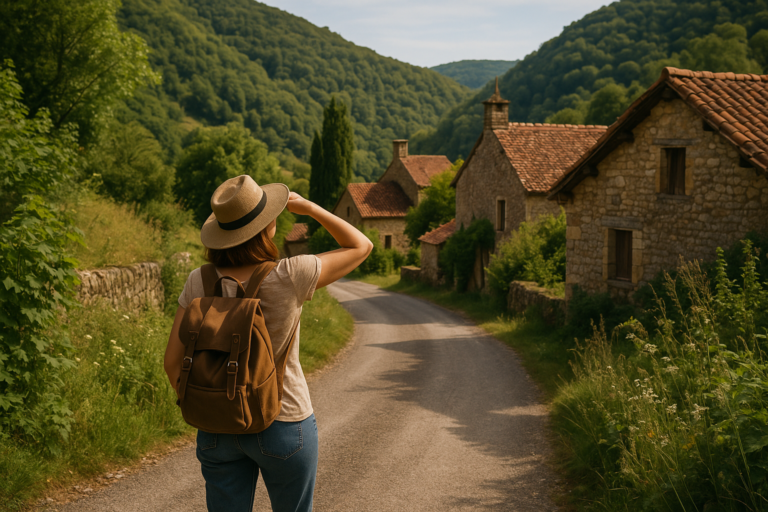
Capital cities get the attention. The real character of a country often lives somewhere else. Think of the cities that sit just outside the spotlight — places with thriving local food scenes, independent arts communities, and genuine neighborhood life that hasn’t been curated for visitors. They’re usually cheaper, less crowded, and far more interesting to wander through without a plan.
In Europe, cities like Plovdiv in Bulgaria, Matera in Italy, and Ghent in Belgium consistently reward curious travelers who skip the obvious capitals. In Southeast Asia, places like Kampot in Cambodia or Pai in northern Thailand still offer the kind of slow, unscripted atmosphere that’s increasingly hard to find. In Latin America, secondary cities like Oaxaca in Mexico or Salento in Colombia have vibrant local cultures that feel worlds away from the tourist trail — though even these are worth visiting sooner rather than later.
Border Regions and In-Between Places
Areas where two cultures, languages, or landscapes meet tend to develop something unique. Border towns, coastal regions between two countries, or mountain areas shared by multiple nations often have a layered identity that you won’t find anywhere else. These places are rarely the focus of travel content, which means they’re still genuinely worth discovering.
Places Recovering Their Identity
Some of the most vibrant destinations right now are places that went through difficult periods and are rebuilding — cities with emerging creative scenes, neighborhoods being reclaimed by local artists and makers, coastal towns finding new life after economic shifts. These places have energy and authenticity in abundance. Visit with respect and an open mind, and you’ll find experiences that feel genuinely alive.
Rural Areas Just Beyond Famous Regions
Tuscany draws millions of visitors every year. The countryside thirty minutes further south? Barely touched. The same pattern repeats everywhere: the famous region pulls the crowds, and the equally beautiful area just beyond it sits quietly waiting. Look at the map around any well-known destination and ask what’s just outside the frame. That’s often where the real discovery happens.
How to Travel Like a Local, Not a Tourist
Finding hidden gems is only half the equation. How you show up in a place shapes the experience just as much as where you go.
Slow down. The travelers who consistently find the most authentic experiences aren’t rushing through a checklist — they’re spending three days in one neighborhood instead of three hours in five. They eat where the menus aren’t translated. They take the local bus instead of the tourist shuttle. They wander without a destination and let the place reveal itself.
👉 Read also: Overtourism and You: How to Explore Popular Destinations Responsibly
Spend your money locally. Skip the international chains and eat at the family-run spot with the handwritten menu. Buy from the market vendor, not the souvenir shop near the main square. Stay in the guesthouse where the owner actually lives. Every choice about where your money goes is a vote for the kind of travel experience you want to have — and the kind of place you want to leave behind.
Be genuinely curious about people, not just places. The most memorable moments from any trip rarely happen at a landmark. They happen in conversation — with a stranger on a train, a host who invites you to join a family meal, a shopkeeper who shows you something you’d never have found on your own. That kind of connection is available everywhere, if you’re open to it.
The Ethics of Sharing What You Find
This is worth thinking about seriously. When you find a genuinely undiscovered place — a quiet beach, a tiny village, a local restaurant with no tourist presence — you face a choice about what to do with that knowledge.
Sharing everything publicly, immediately, can trigger exactly the kind of viral attention that changes a place forever. Overtourism is a real issue. Communities that weren’t built for large numbers of visitors can be overwhelmed quickly, with cultural erosion, rising prices for locals, and environmental damage following close behind.
That doesn’t mean you should never share anything. But it does mean being thoughtful about how and where you share. Posting to a small group of trusted friends is different from tagging a location in a public post with a large following. Describing a general area is different from providing exact coordinates. Visiting a place respectfully — spending money locally, following community norms, not treating it as a backdrop for content — is the difference between being a traveler and being part of a problem.
The best hidden gems travel experiences tend to stay hidden longer when the people who find them treat them with care.
Destinations That Were Once Hidden — and What Happened Next
Looking at places that went viral is instructive. The small town of Hallstatt in Austria became so overwhelmed with tourists after photos of it spread across social media that local residents began campaigning for visitor limits. The town now manages tourism actively, but the quiet authenticity that made it special in the first place has been permanently altered.
Closer to the budget traveler’s world, neighborhoods like El Raval in Barcelona or Pigneto in Rome went from genuinely local, slightly rough-around-the-edges districts to trendy destinations in the space of a few years — driven partly by travel media coverage. Rents rose, longtime residents moved out, and the character that made those neighborhoods interesting shifted into something more curated and less real.
None of this means you shouldn’t visit popular places. It means approaching every destination with awareness — asking not just “what can I get from this place?” but “what can I contribute to it?”
Building a Practice of Curious Travel
The travelers who consistently find authentic, undiscovered experiences aren’t lucky. They’ve developed a practice of paying attention. They read widely, ask questions freely, wander without a fixed plan, and treat every conversation as a potential discovery.
They also return to places. Repeat visits build relationships, and relationships unlock a depth of experience that no first-time visitor can access. The café owner who barely acknowledged you on your first visit might, on your third, invite you to try something not on the menu, or tell you about a neighborhood event happening that weekend.
That kind of travel takes more effort than following a curated itinerary. But the experiences you collect along the way — the unexpected conversations, the places you found by accident, the moments that felt genuinely unscripted — are the ones you’ll still be talking about years later.
Finding hidden gems travel experiences isn’t about being more clever than other tourists. It’s about being more curious, more patient, and more willing to look beyond what’s already been found. The world is still full of places waiting to be discovered — and they’re closer than you think, if you know how to look.
Frequently Asked Questions About Hidden Gems Travel
What does “hidden gem” mean in travel?
A hidden gem in travel is a destination, neighborhood, restaurant, or experience that’s genuinely special but hasn’t been widely discovered yet. It could be a small town with incredible food, a coastal trail with no crowds, or a local market that doesn’t appear in any guidebook. What makes it a gem is authenticity — it exists for real life, not for tourism.
How do I find hidden gem destinations on a budget?
Start by looking at secondary cities instead of capitals, traveling in the shoulder season, and staying in locally-owned accommodation. Use local forums, regional news sites, and community platforms like Atlas Obscura to find places that haven’t been packaged for tourists yet. The less marketed a destination is, the more affordable it tends to be.
Is it okay to share hidden gems on social media?
It depends on how you do it. Sharing a general area or describing an experience without tagging an exact location is usually fine. Publicly pinning a precise location with a large audience can trigger the kind of attention that overwhelms a small community. Think about the impact before you post — and when in doubt, keep it between friends.
What are the best tools for discovering hidden travel destinations?
Google Maps (especially local-language reviews and the Local Guides filter), Reddit’s regional subreddits, Atlas Obscura, UNESCO’s tentative heritage lists, and local news sites translated via Google Translate are all genuinely useful. Combine digital research with real conversations once you arrive, and you’ll consistently find places that don’t appear on anyone else’s itinerary.
How do I avoid contributing to overtourism when visiting hidden gems?
Spend your money at locally-owned businesses, follow community norms, avoid sharing exact locations publicly, and travel in smaller groups. Think of yourself as a guest rather than a consumer. The goal is to leave a place at least as good as you found it — ideally better, because you supported the people and businesses that make it worth visiting in the first place.
What’s the difference between a hidden gem and just an unpopular destination?
A hidden gem has genuine appeal — great food, fascinating history, beautiful landscapes, vibrant local culture — that simply hasn’t been widely publicized yet. An unpopular destination might lack visitors for good reason. The distinction matters: you’re looking for places that locals love and visitors haven’t discovered, not places that have been overlooked because there’s nothing there.
How do I find hidden gems when I only have a short trip?
Focus on depth over breadth. Pick one neighborhood or area and explore it properly rather than trying to cover an entire city. Ask your accommodation host for their personal recommendations before you arrive. And build in at least one unplanned half-day — some of the best discoveries happen when you put the map away and just walk.
This article was produced with AI assistance and reviewed editorially.


Planning Your First Solo Trip: A Step-by-Step Blueprint for Unforgettable Travel

Teaching English Abroad in 2026: Top Countries, Visa Requirements & Real Salaries


