
Asia
Southeast Asian Underrated Cities: Bandung, Malang & Vang Vieng Beyond the Backpacker Trail
Discover hidden gems Southeast Asia beyond the tourist trail. Explore Bandung’s tea plantations, Malang’s colonial charm, and Vang Vieng’s limestone karsts with local ins

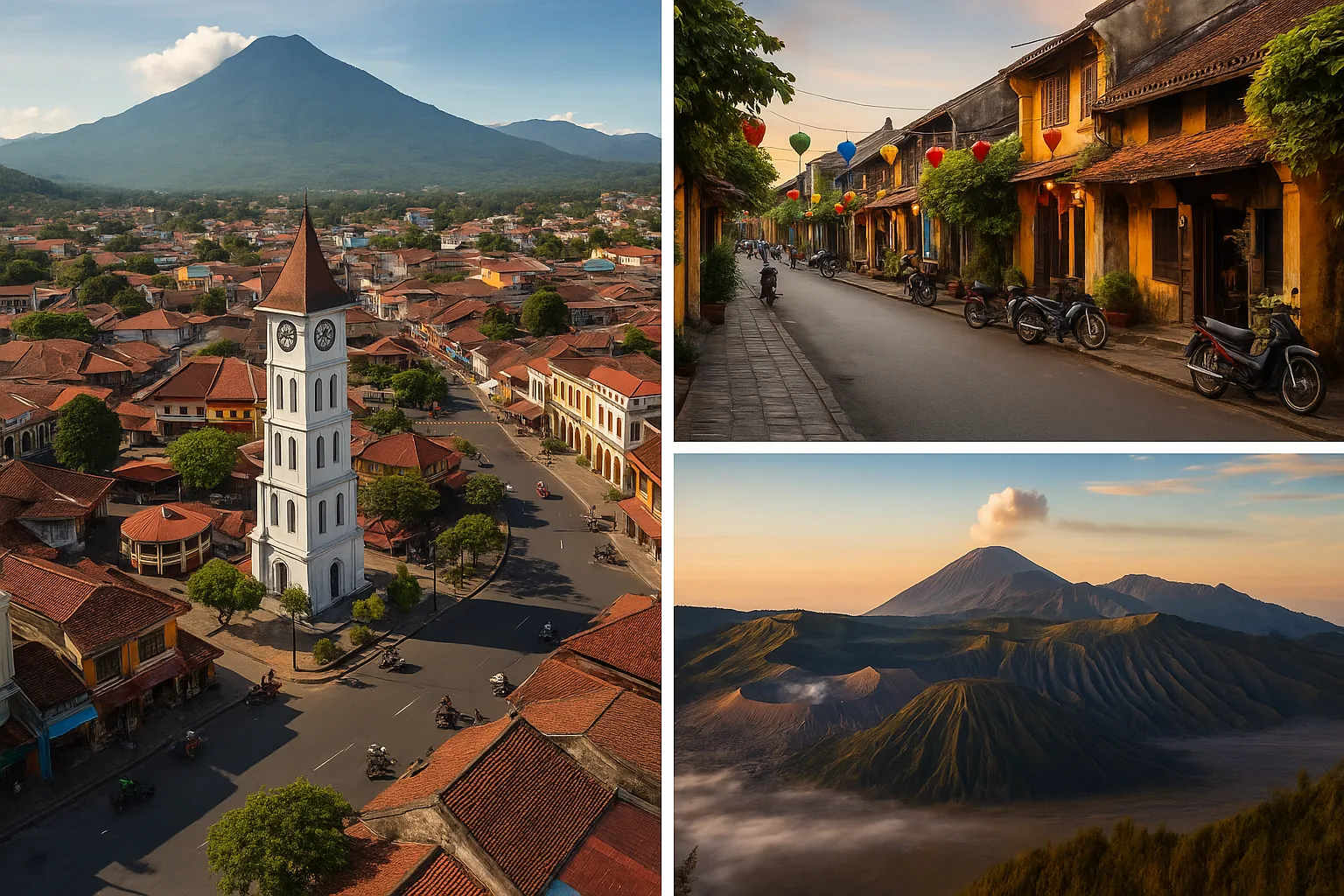
Southeast Asia has a way of pulling you in with its famous names — Bali, Bangkok, Luang Prabang — and before you know it, you’re following the same well-worn trail as everyone else. But some of the most rewarding experiences on this side of the world are hiding in plain sight. The real hidden gems of Southeast Asia aren’t impossible to find; they’re just easy to skip when you’re rushing between the highlights. Bandung, Malang, and Vang Vieng are three cities that many travelers either overlook entirely or blow through in a day. Slow down here, and they’ll give you something the tourist trail rarely does: a genuine sense of place.
Why the Beaten Path Isn’t Always the Best Path
There’s nothing wrong with visiting Bali or Chiang Mai. They’re popular for good reasons. But when you spend your entire trip in places built around tourism, you start to notice a certain sameness — the same menus translated into six languages, the same Instagram spots, the same conversations with other travelers doing the exact same itinerary.
The cities covered in this guide sit just far enough outside that orbit to feel different. They each have their own identity, their own rhythm, and their own reasons to stay longer than a night. They also come with practical advantages: lower prices, fewer crowds, and a much better chance of connecting with local life rather than just observing it from a distance.
If you’re planning a Southeast Asia trip in 2026 and want something that goes beyond the obvious, these three destinations deserve a serious spot on your itinerary.
Bandung: Java’s Cool, Creative Capital
Sitting at altitude in West Java, Bandung has a climate that immediately sets it apart from the sweltering heat of most Indonesian cities. The air is cooler, the pace is slower, and the city has developed a creative energy that’s entirely its own. It’s one of those places that surprises you — you arrive expecting a stopover and leave wishing you’d booked more nights.
What Makes Bandung Different
Bandung is a university city, which means it has a young, energetic local population and a thriving arts and food scene that caters to curious people rather than camera-toting tourists. The streets around the older neighborhoods are lined with warung — small local eateries — where you can eat incredibly well for very little money. The city is also known for its factory outlet culture, but that’s honestly the least interesting thing about it.
The real draw is what surrounds the city. The highland landscape around Bandung is genuinely stunning, with volcanic craters, rolling tea plantations, and hot springs within easy reach. Visiting the tea plantations north of the city gives you one of those slow, atmospheric experiences that’s hard to put into words — mist settling over green hills, the smell of earth and leaves, almost no one else around. It doesn’t feel like a tourist attraction. It feels like you’ve stumbled into someone’s working landscape.
Where to Stay and How to Get Around
Bandung has a solid range of guesthouses and budget hotels, particularly around the Dago area and the older city center. Look for family-run guesthouses over chain hotels — you’ll get better value, better breakfast, and usually someone happy to point you toward places that don’t show up on travel apps. Guesthouses in the Dago district tend to be quieter and give you easy access to the northern highlands.
Getting around is straightforward. Renting a scooter is the most flexible option for day trips into the surrounding countryside, though the city itself can be navigated by angkot (shared minibuses) if you’re comfortable with a bit of spontaneous navigation. Trains connect Bandung to Jakarta and Yogyakarta, making it an easy addition to a broader Java itinerary.
👉 Read also: Hidden Gems in Southeast Asia: Vung Tau, Hat Yai & Thailand's Underrated South
Day Trips Worth Your Time
The volcanic highlands north of Bandung are the main event for outdoor lovers. You can visit active crater lakes, walk through working tea estates, and soak in natural hot springs — often within the same day. These aren’t polished eco-tour experiences. They’re raw, beautiful, and require a bit of planning, which is exactly what makes them rewarding.
- Explore the volcanic crater lakes in the Ciwidey area, south of the city
- Walk through tea plantations in the Lembang highlands to the north
- Visit natural hot springs after a morning hike — a combination that earns its place on any itinerary
- Wander the older neighborhoods of the city itself, where Dutch colonial architecture quietly coexists with modern street art
The best time to visit Bandung is during the dry season, roughly between May and September, when the highland trails are accessible and the views from the crater rims are clear. That said, the cooler, misty atmosphere of the wet season has its own appeal if you don’t mind the occasional downpour.
Malang: East Java’s Underrated Gateway
Malang sits in East Java and tends to exist in the shadow of Mount Bromo, the iconic volcano that draws visitors from across the world. Most travelers use Malang as a transit point — arriving late, leaving before dawn for the Bromo sunrise, and never really giving the city itself a chance. That’s a genuine shame, because Malang has a character worth exploring in its own right.
A City with Colonial Bones and Local Soul
Malang’s Dutch colonial past left behind wide boulevards, old government buildings, and a city layout that still feels spacious and walkable compared to many Indonesian cities. The alun-alun — the central square — is a good place to start, surrounded by old architecture and busy with local life in the evenings. The city has a distinctly Javanese character that feels authentic rather than performed for tourists.
The food scene in Malang is excellent and affordable. East Javanese cuisine has a bold, sometimes spicy personality that differs noticeably from the sweeter flavors of Central Java. Eating your way through the local markets and street stalls is one of the simplest pleasures the city offers, and one of the most memorable.
Using Malang as a Base, Not Just a Stopover
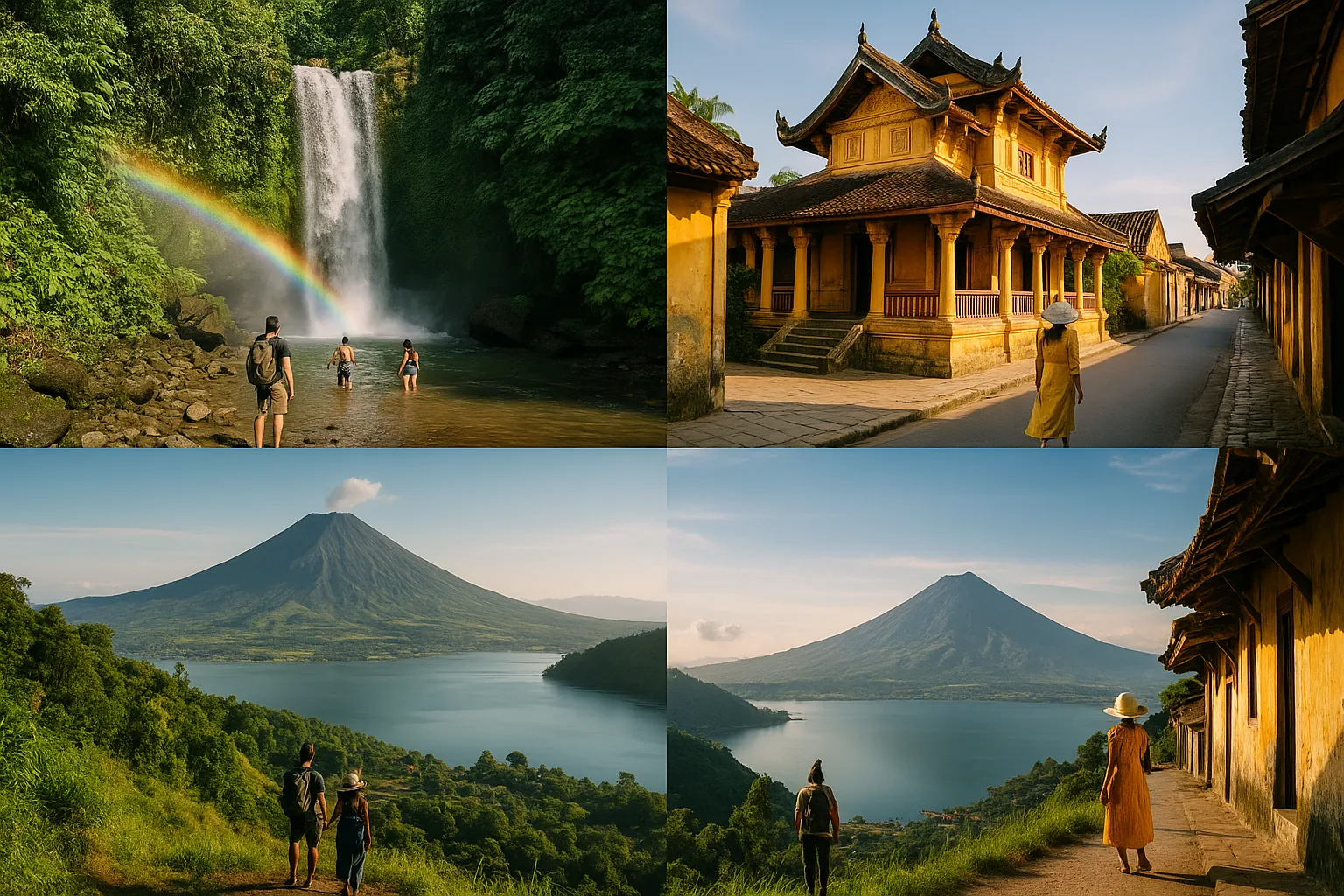
The strategic value of Malang is real. It sits within reach of some of East Java’s most dramatic landscapes — not just Bromo, but also the Ijen crater with its famous blue fire phenomenon, and a coastline that most visitors to Indonesia never see. Staying in Malang for two or three nights rather than just one changes the entire experience. You get to explore the city properly, do your Bromo sunrise trip without feeling rushed, and still have time for something unexpected.
Accommodation in Malang ranges from simple guesthouses near the city center to more comfortable stays in the quieter residential neighborhoods. The guesthouse scene is friendly and well-suited to independent travelers — many places will help you arrange transport to Bromo or Ijen without the inflated prices of organized tours.
- Spend an evening walking the colonial streets around the city center
- Visit the local market early in the morning for an unfiltered look at daily Javanese life
- Arrange a pre-dawn trip to Mount Bromo for the sunrise — genuinely one of the most spectacular landscapes in all of Southeast Asia
- Consider adding an Ijen crater visit if you have an extra day — the blue fire is best seen before dawn
Malang is best visited between April and October when the dry season keeps the highland roads accessible and the skies clearer for those early-morning volcano views.
Vang Vieng: More Than a Party Town
Vang Vieng has a complicated reputation, and it’s worth being honest about that upfront. This small riverside town on the Nam Song River in central Laos became famous — or perhaps infamous — as one of Southeast Asia’s most notorious backpacker party hubs. For years, it was defined by river tubing, makeshift bars, and a culture that prioritized excess over experience. That era left behind a mixed legacy, including a serious history of travelers getting hurt.
👉 Read also: Southeast Asian Stopovers: Budget Stays in Phnom Penh, Jakarta & Penang
But Vang Vieng in 2026 is a genuinely different place to visit, and dismissing it based on its past means missing something extraordinary.
The Landscape That Was Always There
What the party scene never managed to overshadow — even at its most chaotic — was the landscape. Vang Vieng sits inside one of the most dramatic karst environments in all of Southeast Asia. Limestone mountains rise almost vertically from the valley floor, draped in jungle and reflecting in the Nam Song River below. It’s the kind of scenery that makes you stop mid-sentence.
The blue lagoons around the town are genuinely beautiful — clear, cool pools of turquoise water at the base of limestone formations, often accessible via short jungle walks or bike rides. The cave systems in the surrounding hills are extensive and largely unexplored by casual tourists, offering everything from easy walking caves to more challenging underground adventures. Hot air ballooning over the karst landscape at sunrise is one of those experiences that earns its reputation — the view from above is something you won’t find words for until you’re safely back on the ground.
Tubing, Hiking, and Finding Your Own Rhythm
Tubing on the Nam Song River still exists, and done responsibly, it’s a genuinely fun way to spend an afternoon. The river bars that defined the old era are much reduced, and the experience today is calmer and more enjoyable for it. The key is approaching Vang Vieng with intention — decide what kind of trip you want before you arrive, and you’ll find the town accommodates it.
For outdoor enthusiasts, the area around Vang Vieng is exceptional. Hiking trails lead up into the karst hills with views that reward every step of the climb. Cycling through the valley to reach the lagoons and caves is a perfect half-day activity that costs almost nothing and delivers a lot. InAsia Travel’s guide to Vang Vieng covers many of these outdoor options in useful detail if you want to plan specific routes before you arrive.
- Rent a bicycle and explore the lagoons and cave systems at your own pace
- Book a hot air balloon flight for sunrise over the karst landscape
- Go tubing on the Nam Song River on a quiet afternoon
- Hike to a viewpoint above the town for a perspective that puts the whole valley in context
- Explore the cave systems — some are easy walks, others require a local guide
Where to Stay and When to Visit
Vang Vieng has a wide range of accommodation, from simple riverside guesthouses to more comfortable boutique stays. Guesthouses on the quieter side of the river tend to offer better value and a calmer atmosphere — you’re still close to everything but slightly removed from the main strip. Staying here for two nights rather than one is the difference between passing through and actually experiencing what the place has to offer.
The best time to visit is during the dry season, roughly November through April, when the skies are clear and the lagoons are at their most vivid. The wet season brings lush green landscapes and fewer tourists, but some activities become more difficult and the lagoons can turn murky after heavy rain. If you’re traveling through Laos as part of a longer Southeast Asia journey, Vang Vieng sits naturally between Vientiane and Luang Prabang on the main backpacker route — it’s easy to include without any major detours.
The Art of Slowing Down in Places Like These
There’s a particular kind of travel that Southeast Asia rewards, and it’s not the kind where you tick off ten cities in three weeks. The hidden gems of Southeast Asia reveal themselves gradually — through a conversation with a guesthouse owner, a wrong turn that leads somewhere better, a meal you didn’t plan to eat that turns out to be the best thing you’ve tasted all trip.
Bandung, Malang, and Vang Vieng all share this quality. They’re not trying to impress you. They’re not performing for your camera. They’re just going about their lives, and if you slow down long enough to pay attention, they’ll show you something that no amount of planning could have predicted.
That’s ultimately the argument for spending time in places like these rather than rushing toward the famous spots. The famous spots are worth seeing — absolutely. But the places in between, the ones that don’t make the cover of every travel magazine, are often where the real memories get made. Pack a bit of flexibility into your itinerary, resist the urge to fill every hour, and let these three cities show you what Southeast Asia looks like when it’s not performing for tourists. You’ll leave with stories that are genuinely yours.
This article was produced with AI assistance and reviewed editorially.


Southeast Asian Underrated Cities: Bandung, Malang & Vang Vieng Beyond the Backpacker Trail

Hidden Gems in Southeast Asia: Vung Tau, Hat Yai & Thailand’s Underrated South


