
Greece
Greek Islands for Young Travelers: Where to Stay in Kos, Lefkada, and Milos in 2026
Discover the best Greek islands for young travelers. Explore accommodation, beaches, and local experiences on Kos, Lefkada, and Milos in 2026.

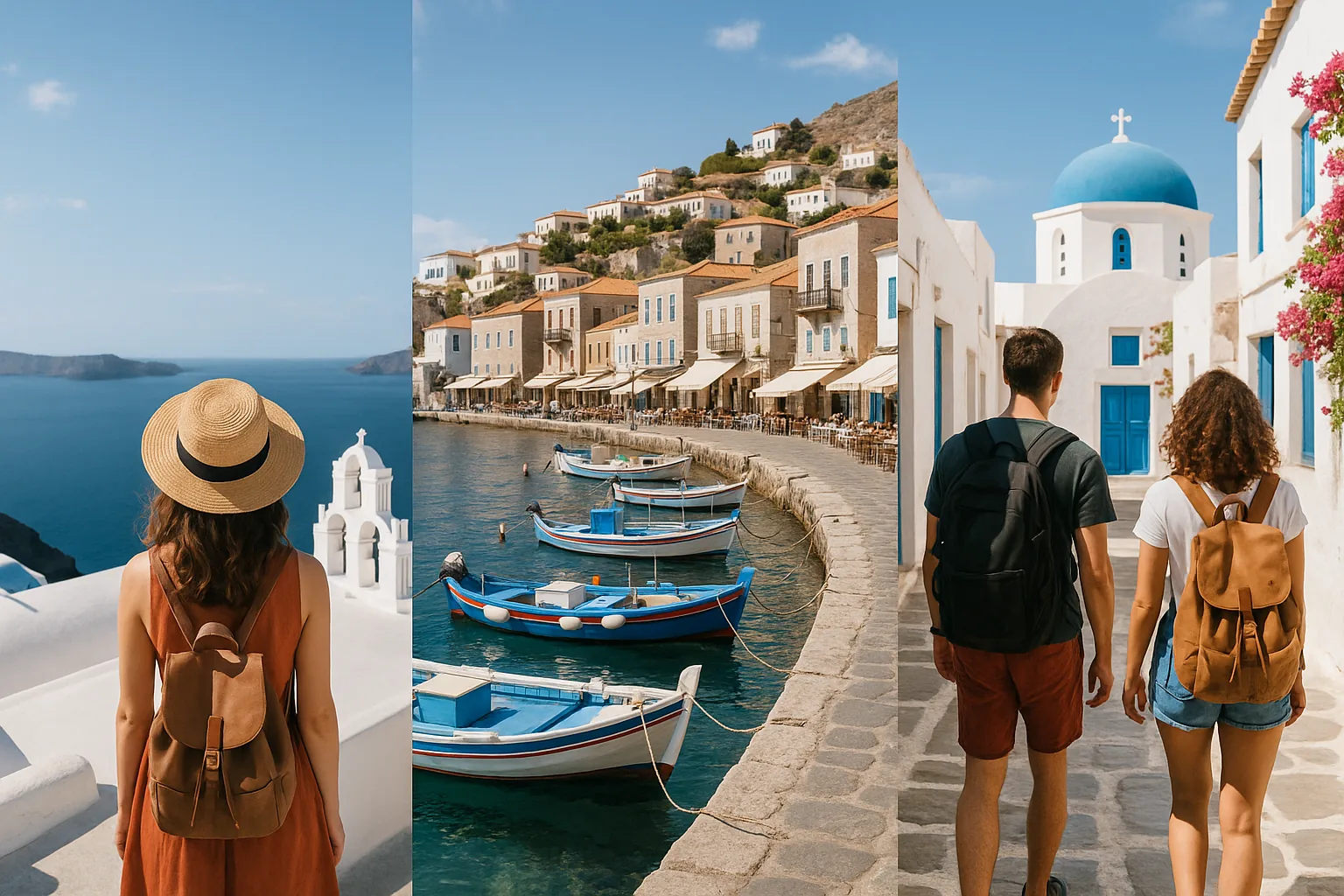
With over 200 inhabited Greek islands to choose from, deciding where to go can feel genuinely overwhelming — especially when you’re trying to balance budget, beach quality, nightlife, and that feeling of discovering somewhere that still has a little magic left in it. The good news? A handful of islands consistently deliver exactly what greek islands for young travelers demand: real experiences, stunning scenery, and enough variety to keep things interesting from the moment you arrive to the moment you reluctantly board your ferry home. This guide focuses on three islands — Kos, Lefkada, and Milos — each offering something genuinely different, and each worth your time in 2026.
Why These Three Islands Stand Out
Greece gets a lot of attention for the obvious names — Santorini, Mykonos, Rhodes. And sure, those places are iconic for a reason. But if you’re the kind of traveler who wants more than a filtered photo and an overpriced cocktail, you’ll find that the lesser-discussed islands often hit harder. Kos brings energy and accessibility. Lefkada surprises you with beaches that rival anywhere in the Mediterranean. Milos, quietly becoming one of the most talked-about destinations in the Aegean, offers a landscape so dramatic it barely feels real.
Each island sits in a different part of Greece, which matters more than you might think when you’re planning your route. Mixing Ionian and Cycladic islands is a major logistical headache — there are no direct ferries connecting them, so hopping between, say, Lefkada and Milos in a single trip requires either a flight through Athens or a very long and indirect sea journey. Knowing this upfront saves you from building an itinerary that looks great on paper but falls apart the moment you check ferry schedules.
The smarter move is to plan each island cluster as its own trip, or commit to one region per visit. That way, you’re traveling with the geography rather than against it.
Kos: Energy, History, and a Scene That Stays Up Late
Kos sits in the Dodecanese island group, close to the Turkish coast, and it punches well above its weight for young travelers. It’s one of those islands that manages to be genuinely lively without completely losing its local character — a balance that’s harder to strike than it sounds.
The island’s main town, also called Kos Town, is compact enough to explore on foot or by bicycle — and renting a bike here is almost a rite of passage. You’ll pass ancient ruins, Byzantine-era walls, and a working harbor all within a short ride of each other. The contrast between the historical layers and the buzzing café scene along the waterfront is part of what makes Kos so easy to fall for.
When it comes to accommodation, Kos has a wide range of options that suit different travel styles. Hostels and budget guesthouses are clustered around the main town, making it easy to meet other travelers without sacrificing proximity to the action. If you prefer a bit more privacy, smaller family-run studios and apartments are scattered across the island, often offering better value than the larger resort-style hotels that dominate the western coast. The key is to book early for the summer months — Kos is popular, and availability tightens fast once June arrives.
Beyond the town, the island opens up into long sandy beaches, mountain villages, and a handful of quieter bays that reward anyone willing to rent a scooter and explore. Tigaki Beach draws a younger crowd and has a relaxed, social atmosphere, while the southern part of the island near Kefalos feels noticeably calmer — ideal if you want to alternate between social days and quieter ones.
👉 Read also: Where to Stay in Greece: Island Hopping From Naxos to Milos in 2026
Lefkada: The Underrated Ionian Gem
Here’s something that surprises a lot of first-time visitors to Greece: Lefkada is technically connected to the Greek mainland by a causeway, which means you can drive or take a bus directly there without ever boarding a ferry. That alone makes it unusually accessible for a Greek island experience. But accessibility isn’t what makes Lefkada special — the beaches are.
CN Traveller has flagged Lefkada as one of the most underrated islands in the region, and it’s not hard to see why once you’re standing on the sand at Porto Katsiki or Egremni. These are beaches with cliffs dropping into water so intensely turquoise it looks digitally enhanced. It isn’t. The Ionian Sea has a particular quality of light and color that the Aegean simply doesn’t replicate, and Lefkada showcases it beautifully.
The island’s main town, Lefkada Town, is a pleasant base with a pedestrian-friendly center, colorful architecture, and a lively waterfront. It has enough restaurants, bars, and cafés to keep evenings interesting, but it never tips into the kind of tourist saturation that can make other popular islands feel exhausting. That balance — vibrant but not overwhelming — is exactly what many young travelers are looking for.
For accommodation, Lefkada offers a solid mix. Budget travelers will find small guesthouses and studios throughout the island, particularly in and around the main town and in villages like Nidri on the east coast. Nidri is also a hub for water sports, boat trips to nearby islets, and evening socializing, making it a popular choice for travelers who want a bit of everything. If you’re after something more remote, the villages on the west coast near the famous beaches are worth considering — just be aware that getting around without your own transport becomes tricky.
Lefkada also works well as a base for exploring the surrounding Ionian islands. Day trips to Meganisi or the quieter nearby islets are easy to arrange and add a spontaneous, exploratory dimension to your stay.
Milos: The Volcanic Island That Gets Under Your Skin
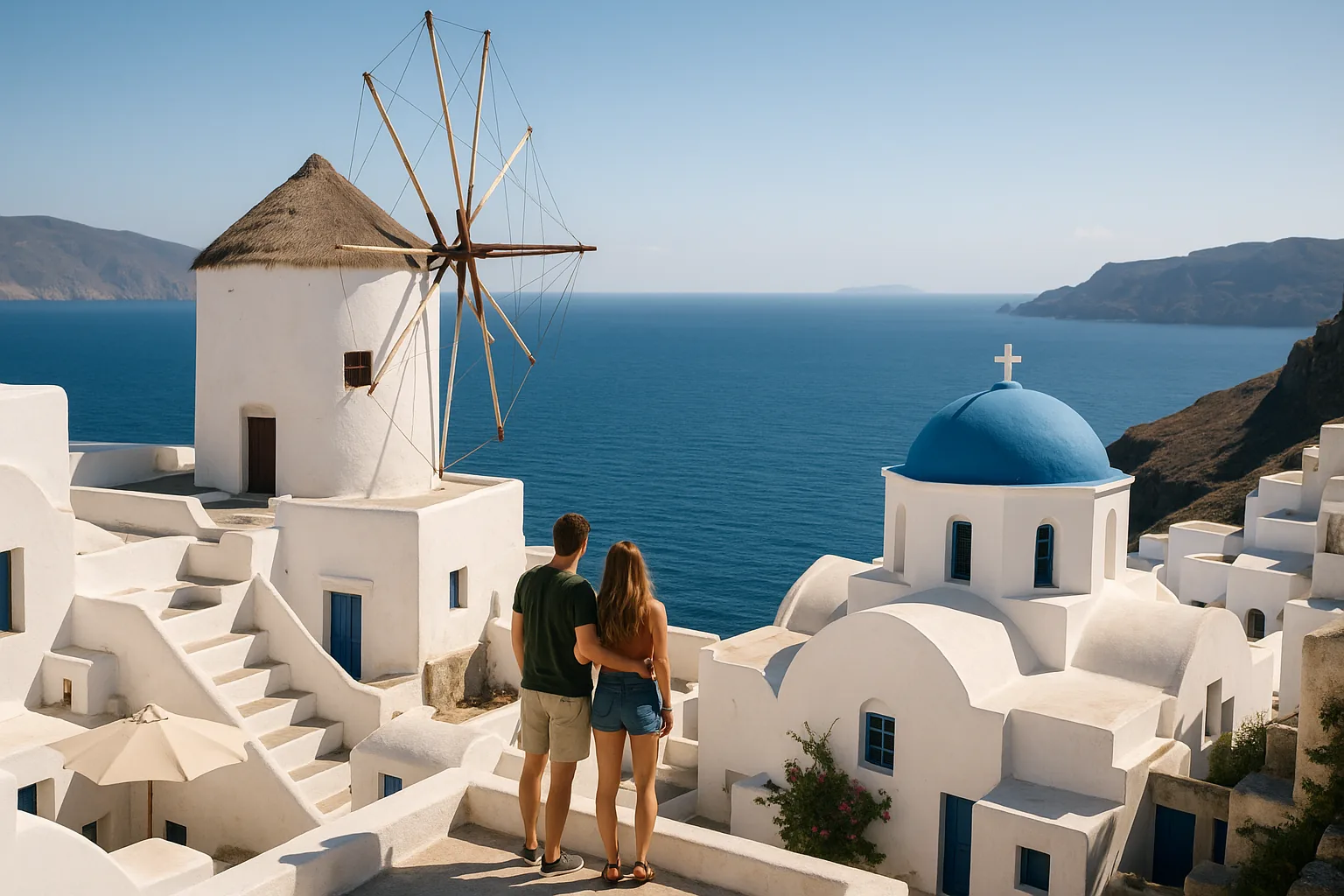
If you haven’t heard much about Milos yet, you will. Milos is one of the most beautiful islands in Greece, and it’s steadily gaining attention from international travelers who are looking beyond the more established Cycladic destinations. The island is volcanic in origin, and that geological history shows up everywhere — in the strange rock formations along the coastline, the thermal springs, the multicolored cliffs, and the otherworldly caves that the sea has carved into the shoreline over millennia.
The beaches here are unlike anything else in Greece. Sarakiniko, with its white lunar landscape of smooth volcanic rock, is one of the most photographed spots in the entire country — and it earns the attention. Tsigrado, accessible via a rope and a bit of nerve, rewards the adventurous with a sheltered cove of brilliant clear water. Firopotamos is quieter and more local in feel, with colorful fishing huts called syrmata lining the shore. Each beach on Milos feels like its own discovery.
For where to stay, the best areas are Pollonia, Plaka, and Adamas, each offering a distinct atmosphere. Adamas is the main port and the most convenient arrival point — it has a good concentration of accommodation, restaurants, and ferry connections. Plaka, the island’s capital perched on a hilltop, is quieter and more atmospheric, with views across the Aegean that are genuinely hard to leave. Pollonia, in the north, is a small fishing village with a relaxed, community feel — and it’s where you’ll find Captain Zeppos, a property with a stunning pool and private deck area with sun loungers overlooking the sea. It’s the kind of place that makes you want to cancel your return ticket.
👉 Read also: Greek Islands Beyond Santorini: Milos's Hidden Beaches and Caves, Plus Family-Friendly Options
For travelers who want solid comfort without breaking the bank, Tellion Suites is worth knowing about — a 3-star hotel just a 9-minute walk from Milos Beach with an impressive 9.6 guest rating, which tells you something about the quality of experience relative to price. Options like this make Milos more accessible than its growing reputation might suggest.
Getting around Milos is best done with a rental car or scooter. The island is small enough that you can cover a lot of ground in a day, but the beaches are spread out and not always reachable by bus. Renting wheels for at least part of your stay gives you the freedom to chase the light and find the spots that don’t appear on the first page of any search result.
Navigating Greek Island Logistics
One of the most common mistakes young travelers make in Greece is underestimating the logistics. The ferry network is extensive but not always intuitive, and planning your island route before you arrive saves both money and stress. Booking ferry tickets in advance — especially during July and August — is strongly recommended. Last-minute tickets are often available, but popular routes sell out, and standing on a deck for four hours because you didn’t book a cabin isn’t quite as romantic as it sounds.
Athens is the main hub for connecting to most island groups. From Piraeus port, you can reach the Cyclades (including Milos) and the Dodecanese (including Kos). Lefkada, being an Ionian island connected to the mainland, is reached differently — typically via bus from Athens or by driving. This is why mixing Ionian and Cycladic islands in a single trip adds significant complexity. It’s not impossible, but it usually involves routing back through Athens, which eats time and money.
For greek islands for young travelers on a real budget, shoulder season — roughly late May through June and September through early October — is the sweet spot. Accommodation prices drop noticeably, crowds thin out, and the weather remains genuinely excellent. The sea is warm enough for swimming well into October, and you’ll find that locals are more relaxed and more willing to chat when the peak-season rush has passed. You also get a truer sense of what each island is actually like to live on, rather than just to visit.
Packing Your Mindset, Not Just Your Bag
Greece rewards the curious. The traveler who wanders down an unmarked path, accepts a local’s recommendation without Googling it first, or lingers over a meal long enough to actually talk to the people around them — that’s the traveler who comes home with the best stories. None of the three islands covered here requires a packed itinerary or a rigid schedule. In fact, the best moments tend to happen in the gaps between plans.
Kos gives you energy and history in the same breath. Lefkada gives you beaches that redefine what a beach can be. Milos gives you a landscape that feels like the edge of the world — strange, beautiful, and completely its own thing. All three are genuinely excellent choices for greek islands for young travelers who want more than a postcard experience, and all three are at their most rewarding when you approach them with open eyes and a willingness to stay just a little longer than you originally planned.
For a broader overview of the Greek island network and ferry connections, Santorini Dave’s Greek islands guide is one of the most thorough and regularly updated resources available — worth bookmarking before you start planning your route.
The islands are waiting. The only thing left to figure out is where you want your story to begin.
This article was produced with AI assistance and reviewed editorially.


Southeast Asian Underrated Cities: Bandung, Malang & Vang Vieng Beyond the Backpacker Trail

Hidden Gems in Southeast Asia: Vung Tau, Hat Yai & Thailand’s Underrated South


