
Asia
Scuba Diving in Southeast Asia 2026: Best Sites, Local Tips & Budget Breakdown
Discover the best scuba diving Southeast Asia destinations in Thailand, Indonesia, and the Philippines. Learn certification costs, seasonal conditions, and realistic budg

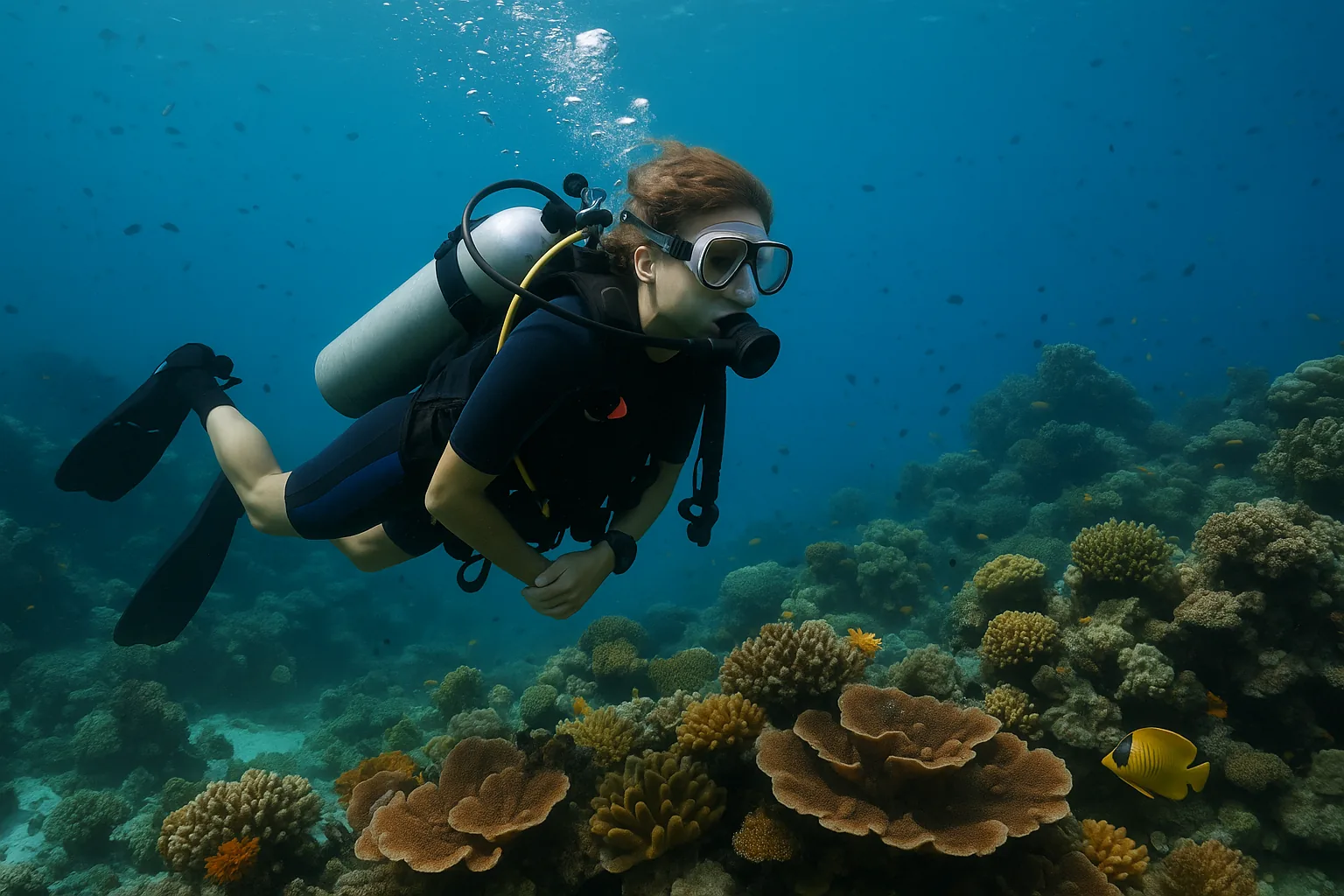
Why Scuba Diving in Southeast Asia Belongs on Your Travel List
There’s a moment that every diver remembers — the one where you drop below the surface and the whole world goes quiet. Colours shift, gravity loosens its grip, and suddenly you’re sharing space with creatures that have no idea you exist. If you want that feeling, and you want it without draining your bank account, scuba diving in Southeast Asia is the answer. About half of the world’s best dive areas sit within this one region, which tells you everything you need to know about why divers keep coming back year after year.
This guide is designed for you — the 19-year-old with a gap-year budget, the 25-year-old digital nomad looking for a new skill, the first-timer who’s never strapped on a tank but can already picture themselves underwater. We’ll walk through the best destinations, what conditions actually look like depending on when you go, how to think about costs honestly, and what nobody tells you before you book your first dive.
The Destinations Worth Knowing
Thailand: The Classic Starting Point
If you’re getting your first certification, Koh Tao is the name you’ll hear constantly — and for good reason. This small island in the Gulf of Thailand built its entire identity around diving. It once led the world in PADI certifications issued in a single location, which means the infrastructure here is genuinely built for beginners. Dive schools are everywhere, the water is warm, and the entry-level sites are sheltered and calm. You can realistically go from zero experience to certified diver within a few days.
Beyond Koh Tao, Koh Phi Phi offers a different vibe — more dramatic scenery above and below the water, with limestone karsts dropping into the sea and a lively backpacker scene onshore. It’s a solid choice if you’re already certified and want to explore rather than train. Visibility here can vary depending on the season, but when conditions are good, the dive sites around Phi Phi are genuinely memorable.
Indonesia: The Deep End of the Region
Indonesia is where divers who’ve caught the bug tend to end up. The country is vast, the marine biodiversity is extraordinary, and the range of experiences — from accessible reef dives to serious technical sites — means you’ll never run out of reasons to return.
Bali is the natural entry point. The island offers everything from gentle beginner dives to one of the most famous wreck dives in the world: the USAT Liberty shipwreck at Tulamben. This American cargo ship rests in shallow enough water that even relatively new divers can explore it, and the marine life that’s colonised the wreck over the decades makes every dive feel like a discovery. Nearby Gili Trawangan — often grouped with Bali, though technically part of Lombok — has a relaxed, social atmosphere that makes it a favourite for divers who want to combine underwater exploration with evenings on the beach.
Further east, Komodo National Park is in a different league. Strong currents, dramatic underwater topography, and encounters with large pelagic species make this a destination for divers with some experience under their belt. The park’s protected status means the marine environment here is genuinely well-preserved, and that shows in the quality of the dives.
Then there’s Raja Ampat — arguably the most biodiverse marine environment on the planet. Getting there takes effort and costs more than your average Southeast Asian dive trip, but divers who’ve made the journey tend to describe it as a turning point. This is the kind of place that reframes what you think diving can be.
The Philippines: Variety at Every Level
The Philippines is one of those destinations that rewards divers no matter what level they’re at. The country has thousands of islands and hundreds of dive sites, ranging from accessible house reefs to world-class remote locations.
Tubbataha Reef, a UNESCO World Heritage Site in the Sulu Sea, is the Philippines’ crown jewel for experienced divers. Access is limited — you need to join a liveaboard expedition, and the season is short — but the diving is among the most pristine you’ll find anywhere in Southeast Asia. Visibility is typically excellent, and the sheer density of marine life is the kind of thing that makes you forget to check your air gauge.
For something more accessible, the country has plenty of options that don’t require a liveaboard or an advanced certification. Dive centres are well-established across the popular islands, and the warm water year-round means there’s rarely a bad time to get in.
Malaysia and Vietnam: Worth Considering
Malaysia’s Sipadan is one of those names that serious divers whisper reverently. Located off the northeastern coast of Borneo, it’s a protected marine park with strictly limited daily permits — which means the diving stays exceptional. Hammerheads, barracuda schools, and green turtles are regular sightings. You’ll need to plan ahead and book early, but it’s absolutely worth the effort.
👉 Read also: Southeast Asia on a Shoestring: Rookie Mistakes, Budget Hacks, and Real Costs
Vietnam is less developed as a dive destination but is growing steadily. If you’re already travelling through the country and want to add a few dives to your itinerary, there are decent options — just don’t expect the same calibre as Indonesia or the Philippines.
Getting Certified: What You Actually Need to Know
If you’ve never dived before, your first step is getting an Open Water certification. This is the foundational qualification that lets you dive to a recreational depth with a buddy. Most certifications follow the PADI or SSI curriculum, and both are internationally recognised — so whatever you earn in Thailand will be valid when you dive in Indonesia six months later.
The course typically involves a combination of theory (which you can often complete online before you arrive), confined water sessions in a pool or shallow bay, and open water dives where you demonstrate your skills. The whole process usually takes three to four days, though some schools offer accelerated options.
Koh Tao remains one of the most popular places to certify because the volume of schools creates genuine competition, which tends to keep prices reasonable. That said, don’t just go for the cheapest option. Ask about class sizes, instructor experience, and what’s included. A certification course that cuts corners on safety training is not a bargain at any price.
Once you’re certified, the next step most divers take is the Advanced Open Water course, which expands your depth limit and introduces speciality dives like navigation, deep diving, and night diving. This is worth doing if you want to access sites like Komodo or plan to continue diving seriously. After that, a Rescue Diver certification is a genuinely valuable qualification — not just for your own safety, but because it makes you a better, more aware dive buddy.
For reliable information on certification standards and what each qualification covers, the PADI website is a useful reference point.
Thinking About Budget: Honest Expectations
Southeast Asia is known for being affordable, and diving here is genuinely cheaper than in most other parts of the world. But “cheap” is relative, and it helps to understand what you’re actually paying for.
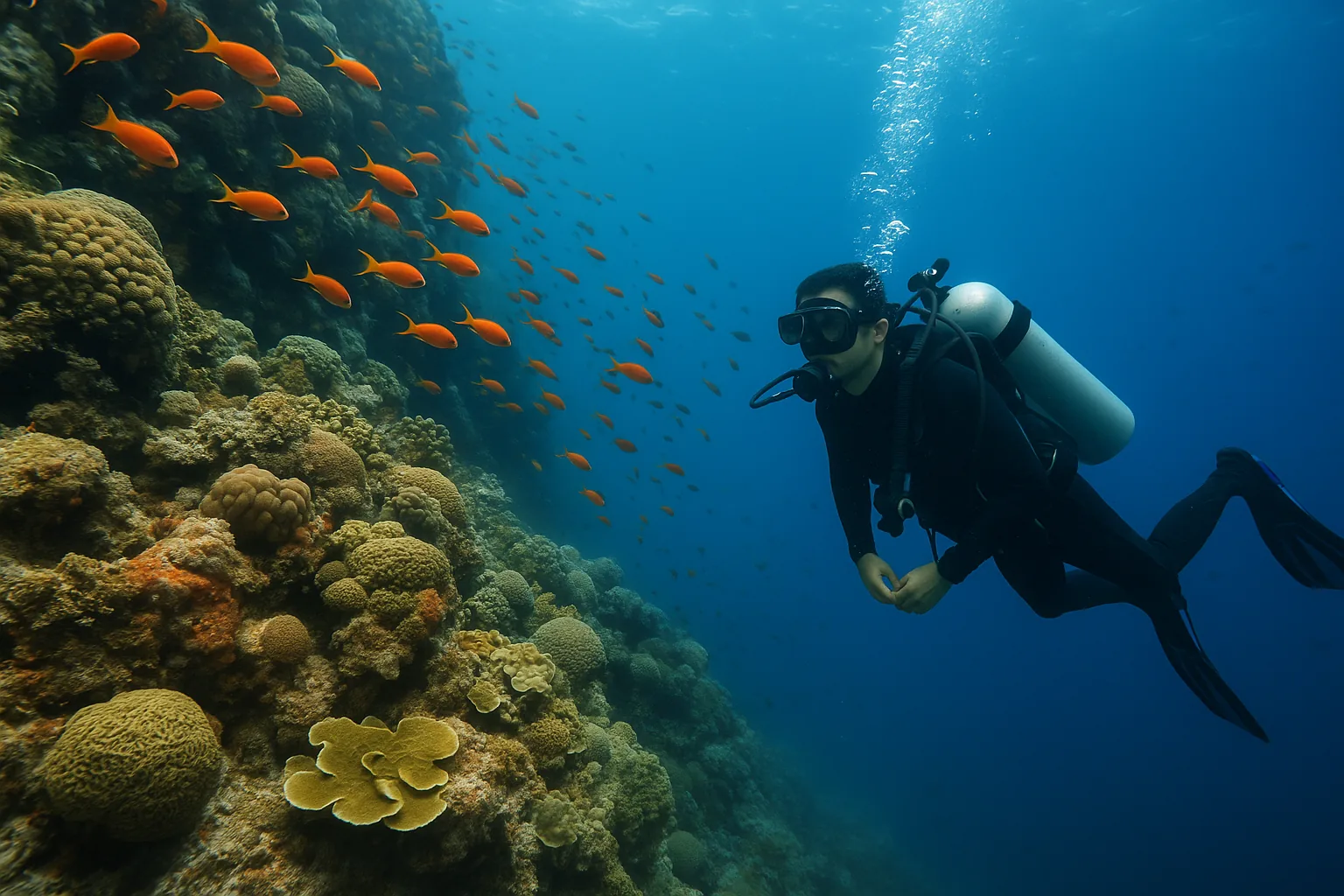
An Open Water certification course in a budget-friendly location like Koh Tao will cost noticeably less than the same course in Australia or the Caribbean. Fun dives — where you simply show up certified and join a guided dive — are generally priced per dive, with discounts for booking multiple dives at once. Equipment rental is usually included or available at low cost.
Where costs rise is in more remote or premium locations. Reaching Raja Ampat or Tubbataha requires either a liveaboard (which bundles accommodation, meals, and multiple dives per day into one package) or a stay at a dedicated dive resort. These options cost more upfront but often represent excellent value per dive when you do the maths.
Budget-conscious divers should also factor in:
- Travel between islands — ferries and domestic flights add up, especially in Indonesia and the Philippines.
- Marine park fees — protected areas like Komodo and Sipadan charge entry fees that go toward conservation.
- Nitrox — if you’re doing multiple dives per day, enriched air extends your bottom time and is worth the small additional cost.
- Tips for divemasters — a small tip is standard practice and genuinely appreciated.
Seasonal Conditions: When to Go Where
One of the most common mistakes first-time divers make is not checking the season before booking. Southeast Asia is a big region, and the monsoon patterns are complex — what’s perfect diving weather in one country might be the worst possible time to visit another.
As a general rule, the Gulf of Thailand (where Koh Tao sits) is best visited between April and October, while the Andaman Sea side (Koh Phi Phi, the Similan Islands) is typically best from November through April. Indonesia’s peak season varies by region — Bali and Komodo tend to be best visited between April and October, while Raja Ampat has two distinct seasons with different dive site access.
👉 Read also: Backpacking Southeast Asia on a Shoestring: Sri Lanka, Laos & Thailand Itineraries for 2026
The Philippines is broadly diveable year-round in different parts of the country, but Tubbataha is only accessible during a short window, typically March through June, when liveaboard conditions allow safe passage.
Visibility — how far you can see underwater — is one of the most important factors in dive quality. It varies with season, currents, and rainfall. Dry season generally brings better visibility, but even within a single dive site, conditions can change day to day. Your dive operator will know the current conditions and can advise on the best sites for the day.
For a deeper look at seasonal patterns and site-specific timing, Dive In’s Southeast Asia guide covers the region in useful detail.
Choosing a Dive Operator: What to Look For
Your dive operator is the most important decision you’ll make. A good operator keeps you safe, shows you things you’d never find on your own, and makes the whole experience genuinely enjoyable. A bad one cuts corners in ways that can have serious consequences underwater.
Here’s what to look for when choosing:
- Instructor-to-student ratio — for certification courses, smaller groups mean more attention and better learning. Ask before you book.
- Equipment condition — don’t be shy about inspecting the gear you’ll be using. Well-maintained equipment is a sign of a professional operation.
- Emergency protocols — a reputable operator will have oxygen on board and a clear plan for handling dive emergencies. Ask about this directly.
- Local knowledge — the best divemasters know their sites intimately. They know where the manta rays feed, which currents to watch, and when to call a dive if conditions change.
- Environmental attitude — operators who brief divers on reef etiquette and take a no-touch policy seriously are the ones worth supporting.
Reading recent reviews from other divers is genuinely useful here. Look for comments that mention safety briefings, equipment quality, and how instructors handled any issues — not just whether the dive was fun.
Marine Life: What You Might Encounter
One of the great joys of scuba diving in Southeast Asia is that you never quite know what you’ll see. The region’s waters are home to an extraordinary range of species, from tiny, intricate nudibranch slugs to whale sharks passing through on their seasonal routes.
Turtles are common across most dive sites — green turtles and hawksbills are frequently spotted resting on the reef or cruising past at a relaxed pace. Reef sharks, while often shy, are a regular presence in healthier marine parks. Manta rays appear seasonally at certain sites, and spotting one gliding overhead is the kind of experience that stays with you.
For macro photography enthusiasts — those who love finding and photographing tiny, unusual creatures — Bali and parts of the Philippines are exceptional. The diversity of small life on a single reef section can keep you occupied for an entire dive without moving more than a few metres.
Wreck diving, as mentioned with the USAT Liberty at Tulamben, adds another dimension entirely. Exploring a structure that’s been reclaimed by the ocean, watching fish navigate corridors that were once walked by people — it’s a genuinely different kind of dive experience.
Practical Tips Before You Jump In
- Complete your theory online first. Most certification agencies offer e-learning options that let you finish the classroom component before you arrive. This frees up more of your in-destination time for actual diving.
- Don’t fly within 24 hours of your last dive. This is a hard rule, not a suggestion. Flying too soon after diving increases the risk of decompression sickness. Plan your travel accordingly.
- Stay hydrated. Diving in tropical heat is physically demanding. Drink plenty of water, avoid alcohol the night before early dives, and eat something sensible before getting in the water.
- Respect the reef. Never touch coral, never chase marine life, and never take anything from the ocean. These ecosystems are under enormous pressure — every diver has a responsibility to leave them undisturbed.
- Consider dive insurance. Hyperbaric chamber treatment for decompression sickness is expensive. Dive-specific insurance is affordable and worth having, especially if you’re planning multiple dives across multiple destinations.
- Travel light but bring your own mask. A well-fitting mask makes a significant difference to your comfort underwater. If you dive regularly, investing in your own is worthwhile. Everything else can be rented.
Your Next Chapter Starts Underwater
Scuba diving in Southeast Asia isn’t just an activity to tick off a list. It’s a skill that opens up an entirely new dimension of travel — one that most people never access. Once you’re certified, every coastline becomes a potential dive site. Every island you visit has something to offer below the surface. The investment in your first course pays dividends for the rest of your travelling life.
Whether you start with a beginner course on Koh Tao, explore the wreck at Tulamben, work your way toward the remote waters of Raja Ampat, or plan a liveaboard expedition to Tubbataha, the region has something for every level and every budget. The ocean here is extraordinary. And it’s waiting for you to come and see it for yourself.
This article was produced with AI assistance and reviewed editorially.


Where to Stay in Southern Africa: Botswana, Namibia & Madagascar for First-Time Visitors

Southeast Asia’s Underrated Cities: Bandung, Malang, and Luang Prabang Beyond the Guidebook


