
Oceania
How I Funded a Year in Australia With Seven Different Jobs: A Young Traveler’s Work-Travel Blueprint
Learn how to fund a year in Australia on a working holiday visa. This guide covers visa requirements, seven real jobs with earnings, cost of living, and best cities for w

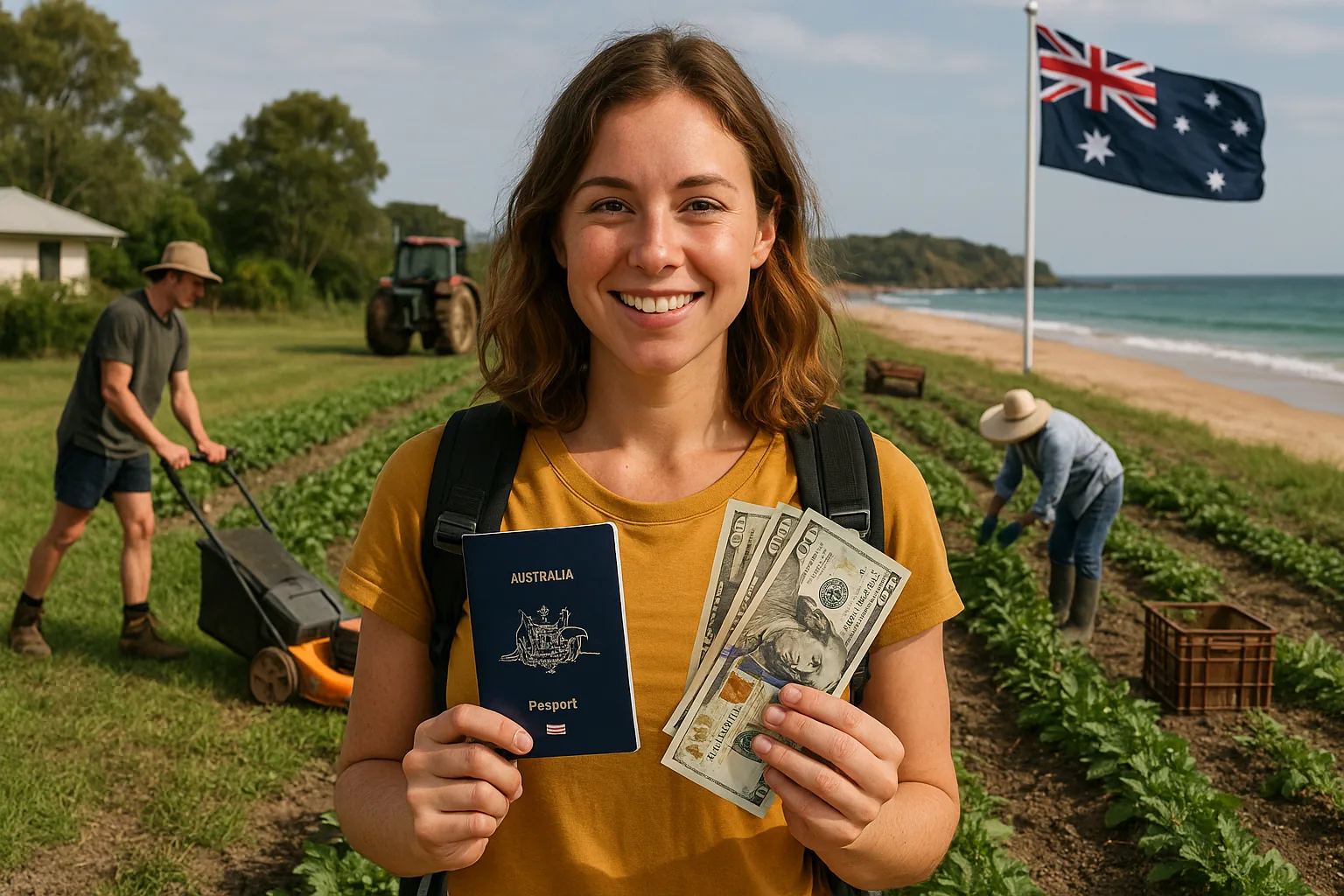
Why Australia Is Still the Ultimate Work-Travel Destination
If you’ve been dreaming about spending a year abroad without burning through your savings, the working holiday visa Australia offers is one of the most practical tools a young traveler has access to. It’s a visa designed specifically for people like you — curious, mobile, and ready to earn while you explore. And Australia, with its vast landscapes, diverse cities, and genuine demand for seasonal and casual workers, keeps drawing young travelers from all over the world for exactly that reason.
This isn’t a story about sitting on a beach doing nothing. It’s a blueprint for funding real, extended travel through real work — the kind that pays your rent, fills your backpack with experiences, and leaves you with a year’s worth of stories you’ll still be telling a decade from now. Whether you’re already planning your trip or just starting to wonder if this kind of adventure is possible, here’s everything you need to know to make it work.
Understanding the Working Holiday Visa for Australia
Before you book anything, you need to understand the visa itself. The Australian working holiday visa is designed for young travelers, typically between the ages of 18 and 30, though some nationalities can apply up to the age of 35. It allows you to live and work in Australia for up to 12 months — legally, officially, and with the freedom to move between jobs and locations as you please.
The visa is tied to your nationality, so the first thing to check is whether your country has a bilateral agreement with Australia. Many countries across Europe, Asia, North America, and beyond are included. The application is done online through the Australian Department of Home Affairs, and in most cases the process is relatively straightforward — though processing times can vary, so applying well in advance is always a smart move.
What the Visa Actually Lets You Do
The working holiday visa gives you permission to work for any employer in Australia, but with one important condition: you can only work for the same employer for a maximum of six months. After that, you need to move on. For most travelers, this isn’t a limitation — it’s actually a feature. It naturally pushes you to keep moving, try new things, and avoid getting stuck in one place.
You’re also allowed to study for up to four months during your stay, which opens doors to short courses, certifications, and language programs if that’s something you want to fold into your year. The visa is single-entry in some cases and multiple-entry in others, depending on your nationality, so check the specific conditions that apply to you before you travel.
Visa Extensions: Can You Stay Longer?
One of the most compelling aspects of the working holiday visa Australia framework is the possibility of extending your stay. If you complete a set number of days of specified work in a regional area — things like fruit picking, farm work, construction, or certain hospitality roles in qualifying regions — you may become eligible for a second-year visa, and in some cases even a third. The exact requirements are set by the Australian government and do change periodically, so always verify the current rules directly with the Department of Home Affairs before making plans based on this.
The regional work requirement is worth taking seriously from the start. Many travelers treat it as a box to tick, but it often turns out to be one of the most memorable parts of the experience — working on a farm in Queensland, picking cherries in Tasmania, or helping on a cattle station in the Northern Territory. These aren’t glamorous gigs, but they’re the kind of experiences that reshape how you see the world.
Seven Types of Jobs That Can Fund Your Year
Australia’s economy is well-suited to the working holiday model. There’s consistent demand for casual and seasonal workers across a wide range of industries, and many employers are actively looking for motivated young travelers. Here are seven categories of work that backpackers regularly use to fund their time in Australia — each with its own rhythm, earning potential, and lifestyle trade-offs.
👉 Read also: Funding Your Year Abroad: Real Jobs, Real Budgets, and the Australia Model
1. Fruit Picking and Farm Work
This is the classic starting point for many working holiday travelers, and for good reason. Australia’s agricultural regions run on seasonal labor, and there’s nearly always work available somewhere in the country, depending on the time of year. Think strawberries in Queensland, apples in Victoria, grapes in South Australia, and mangoes in the Northern Territory. Pay is often piece-rate — meaning you earn based on how much you pick — which rewards speed and consistency. It’s physically demanding, but the costs of living are often lower in regional areas, which means your savings can stack up quickly.
2. Hospitality and Bar Work
Cities and tourist hotspots always need people behind bars, in kitchens, and on the floor of busy restaurants. If you have any experience in hospitality — or even just a willingness to learn — this is one of the most accessible ways to find steady income. Australia has a minimum wage that’s among the higher ones globally, and penalty rates for weekend and evening shifts mean your take-home pay can be genuinely solid. Getting a Responsible Service of Alcohol (RSA) certificate before you arrive, or shortly after, will make you significantly more employable in this sector.
3. Retail and Customer Service
Shopping centers, tourist shops, and high-street retailers regularly hire casual staff, especially in the lead-up to holidays and peak tourist seasons. It’s consistent, usually indoors, and gives you a real sense of local life in whatever city you’re based in. Pay is reliable, hours can be flexible, and the social environment tends to be friendly — you’ll often find yourself working alongside other travelers in the same situation.
4. Construction and Labor
For those comfortable with physical work, the construction industry offers some of the highest day rates available to working holiday travelers. Labouring, scaffolding, site cleaning, and trade assistant roles come up regularly, particularly in cities experiencing development booms. You’ll likely need a White Card (a basic construction safety certification) which you can obtain through a short online or in-person course. It’s worth doing before you arrive if possible.
5. Childcare and Au Pairing

Working as an au pair or in a childcare support role is a popular choice, especially for travelers who want to live with a local family, reduce accommodation costs, and build genuine connections. Many families across Australia’s suburbs and regional towns look for reliable, caring young people to help with children in exchange for room, board, and a weekly allowance. It’s a very different experience from hostel life — quieter, more domestic, and often deeply rewarding in its own way.
6. Tourism and Outdoor Guide Work
Australia’s tourism industry is enormous, and there’s consistent demand for people who can lead tours, assist with outdoor activities, run kayaking or snorkeling trips, or work at visitor centers. If you already have certifications in diving, first aid, or outdoor education, these can open doors to some genuinely spectacular working environments — think the Great Barrier Reef, the Blue Mountains, or the Kimberley. Even without prior certifications, many operators will train enthusiastic candidates on the job.
7. Freelance and Remote Work
More travelers than ever are combining their working holiday with freelance or remote work — writing, graphic design, web development, social media management, photography, and more. If you have a skill that can be delivered digitally, Australia’s working holiday visa doesn’t prevent you from continuing that work while you’re there. This kind of income can be a powerful supplement to your on-the-ground earnings, and it gives you the flexibility to take breaks between jobs without watching your bank balance drain.
The Real Cost of Living: What to Expect in 2026
Australia’s cost of living varies significantly depending on where you are and how you choose to live. Major cities like Sydney and Melbourne tend to have higher rents and food costs, while regional towns and rural areas are considerably more affordable. The key to making your budget work is matching your spending habits to your income — and being strategic about where you base yourself during different phases of your trip.
Accommodation is typically your biggest expense. Hostel dorms in cities can range from budget-friendly to surprisingly steep, depending on the neighborhood and season. Shared house arrangements — which you’ll find through local Facebook groups, Gumtree, and flatmate-finding platforms — are almost always cheaper and give you a more settled base when you’re working in one place for a few months. In regional areas, some employers provide accommodation as part of the package, which can dramatically reduce your outgoings.
👉 Read also: Funding Long-Term Travel: Real Stories of Working While Traveling
Food costs are manageable if you cook for yourself. Markets, supermarkets, and local grocers make it easy to eat well without spending much. Eating out regularly adds up fast, but grabbing a meal at a local food market or a lunch special is a reasonable treat that won’t derail your budget. Transport varies by city — some have excellent public transit, while others essentially require a car or bicycle for anything beyond the city center.
Best Cities for the Work-Travel Balance
Every city in Australia has something different to offer, and the right one for you depends on what kind of work you’re chasing and what kind of experience you want alongside it.
Sydney is the obvious starting point for many travelers, and for good reason. It’s Australia’s largest city, with a huge job market across hospitality, retail, construction, and creative industries. The social scene is vibrant, the beaches are right there, and the infrastructure for new arrivals is well-developed. Several arrival packages — like those offered by operators such as UltimateOz, whose 8-day Sydney arrival program starts from around AUD $919 — are designed specifically to help working holiday travelers land on their feet quickly. The trade-off is that Sydney is one of the more expensive cities to live in, so you’ll want to find work quickly.
Melbourne has a strong reputation among travelers who want a more cultural, neighborhood-driven experience. The café culture is genuine, the arts scene is thriving, and the city’s layout makes it easy to explore on foot or by tram. Hospitality work is plentiful, and the city has a large backpacker community that makes it easy to find flatmates and social connections.
Brisbane is increasingly popular as a base, particularly for travelers who want to use it as a launchpad for Queensland’s regional areas — which are rich with farm work opportunities that count toward visa extensions. The cost of living is generally more manageable than Sydney or Melbourne, and the climate is hard to argue with.
Perth is geographically isolated but economically strong, with a booming resources sector and consistent demand for workers. It’s a great choice if you want to earn well and then use your savings to explore Western Australia’s extraordinary landscapes — from the Pilbara to Margaret River to the wild southwest coast.
Practical Tips for Making It Work
- Set up your finances before you arrive. Open an Australian bank account as soon as possible after landing — many banks allow you to set one up online before you even board your flight. Having a local account makes it far easier to get paid and manage your money.
- Get your Tax File Number (TFN) early. You’ll need this to work legally in Australia and to ensure you’re taxed at the correct rate. Apply for it through the Australian Taxation Office website shortly after arrival.
- Build a simple resume tailored to Australian employers. Keep it concise, highlight any relevant experience, and include a local phone number as soon as you have one. Many jobs are filled through walk-in applications, especially in hospitality and retail.
- Use the backpacker community. Facebook groups, hostel noticeboards, and platforms like Gumtree are genuinely useful for finding work, accommodation, and travel companions. Don’t underestimate the value of word-of-mouth recommendations from other travelers who’ve already been where you’re going.
- Plan your regional work strategically. If you want to qualify for a second-year visa, research the current regional work requirements thoroughly and plan your schedule accordingly. Some travelers leave this too late and end up rushing through farm work at the end of their visa rather than integrating it naturally into their journey.
- Keep a financial buffer. Aim to arrive with enough savings to cover at least four to six weeks of expenses while you find your feet. Work isn’t always immediate, and having a cushion means you can afford to be selective rather than desperate.
What a Year in Australia Actually Feels Like
Numbers and logistics only tell part of the story. The real value of a working holiday year in Australia is harder to quantify. It’s the friendships you build with people from a dozen different countries while sharing a hostel kitchen. It’s the quiet pride of knowing you funded every single part of your journey through your own effort. It’s watching the sun rise over Uluru, snorkeling above coral you’d only ever seen in photographs, or driving through the red desert with the windows down and nowhere urgent to be.
Working your way through a country changes how you experience it. You’re not just passing through — you’re living there, even briefly. You understand the rhythms of a place differently when you’ve worked a double shift in its bars, picked fruit in its fields, or looked after children in its suburbs. That depth of experience is what separates a working holiday from a regular trip, and it’s what makes Australia such a compelling destination for young travelers who want more than a holiday.
The working holiday visa Australia offers isn’t just a legal document — it’s a framework for a year of genuine adventure, real independence, and the kind of memories that don’t fade. If you’ve been on the fence, consider this your sign to start planning. The paperwork is manageable, the opportunities are real, and the experience is absolutely worth it.
This article was produced with AI assistance and reviewed editorially.


How I Funded a Year in Australia With Seven Different Jobs: A Young Traveler’s Work-Travel Blueprint

How Travel Bloggers Actually Make Money (And Why It Matters for Your Trip Planning)


