
LATAM
Central America’s Hidden Cities: Santa Ana and Estelí Beyond the Beaten Path
Discover authentic hidden cities central america beyond tourist crowds. Explore Santa Ana’s colonial architecture and coffee culture, plus Estelí’s highland charm.

Why the Best Hidden Cities in Central America Aren’t the Ones You’ve Heard Of
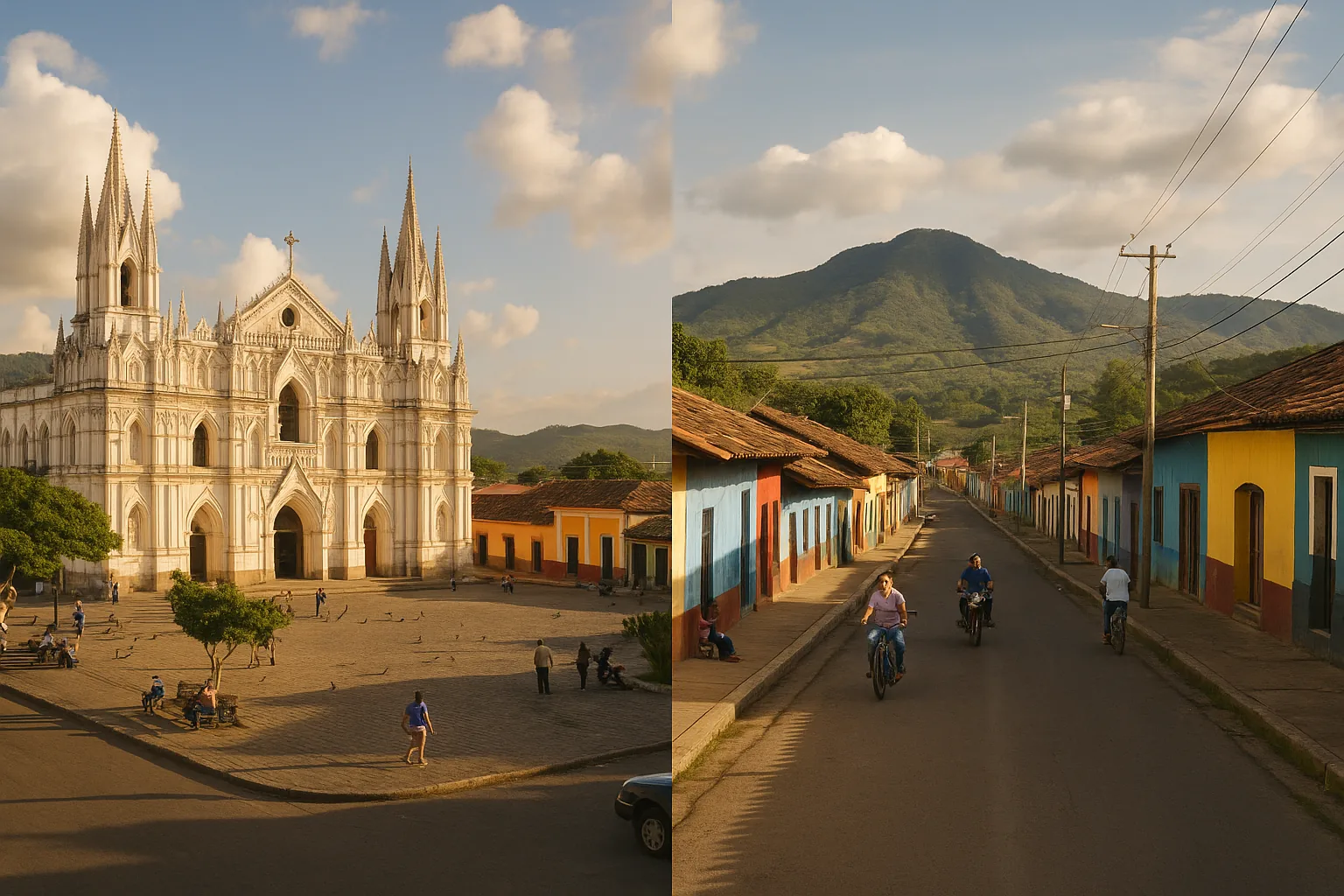
Everyone knows about Guatemala City, San José, and Panama. They show up in every travel blog, every backpacker forum, every “must-see” list. But some of the most memorable places to explore in this part of the world sit quietly off the main tourist trail — places where you can actually feel the rhythm of daily life without a crowd of selfie sticks blocking your view. The hidden cities of Central America are real, they’re waiting, and two of the most compelling are Santa Ana in El Salvador and Estelí in Nicaragua. If you’re the kind of traveler who wants to go somewhere that still feels genuinely local, these two towns deserve a serious spot on your radar.
This isn’t about roughing it or being contrarian for the sake of it. It’s about choosing depth over familiarity. It’s about wandering streets where people actually live, eating food that wasn’t designed for tourists, and coming home with stories that most people in your hostel haven’t heard before.
Santa Ana, El Salvador: Colonial Grandeur Without the Crowds
El Salvador is already one of the most underrated countries in Central America. Most travelers who do visit tend to rush toward the surf towns along the coast or spend all their time in the capital. Santa Ana, El Salvador’s second-largest city, sits a couple of hours from San Salvador and rewards the travelers who make the detour in ways that are genuinely hard to put into words.
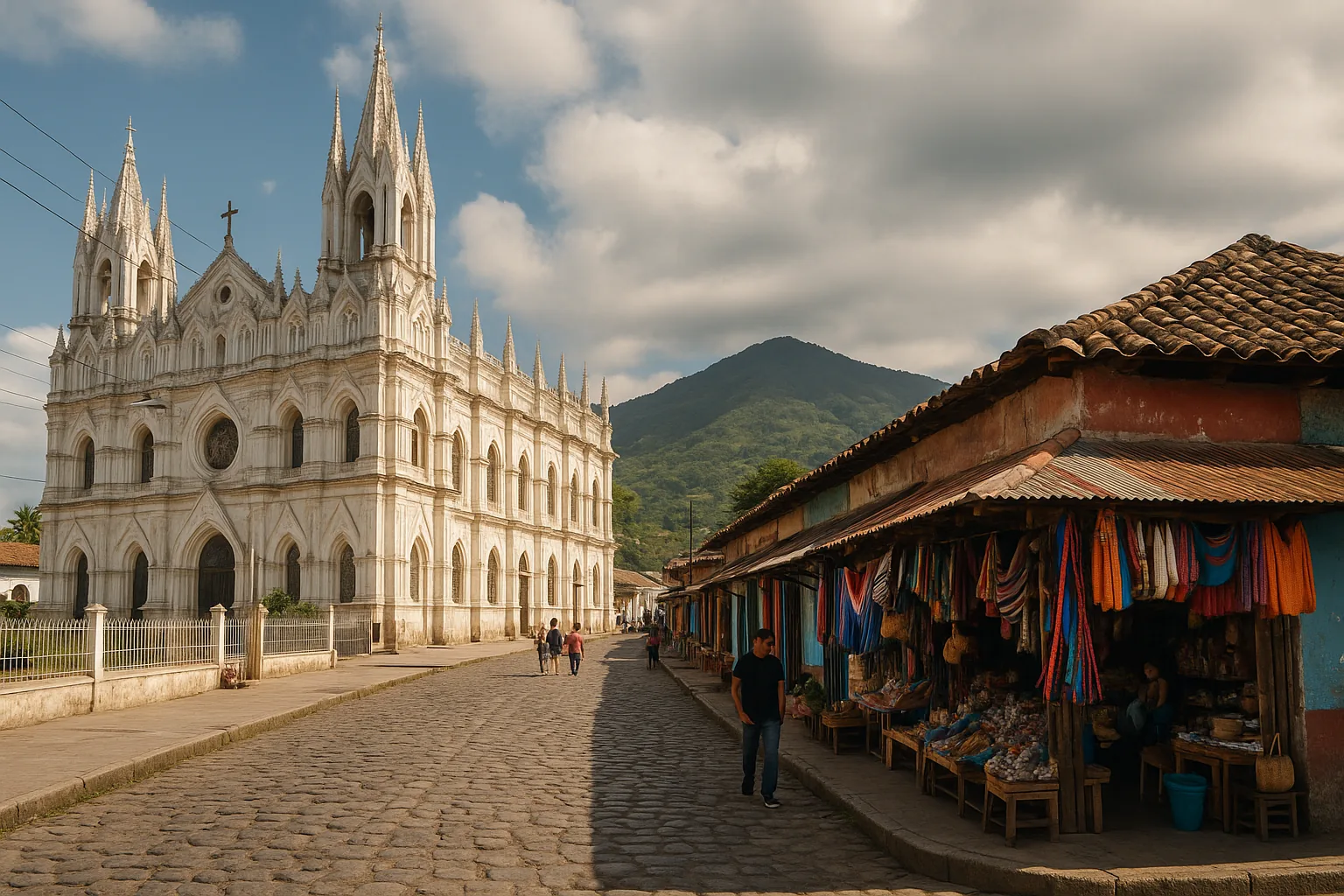
The city’s colonial architecture is the first thing that stops you in your tracks. The historic center feels like a living postcard — ornate facades, wide plazas, and the kind of unhurried pace that makes you slow down whether you planned to or not. Santa Ana Cathedral is the crown jewel of the city center, a stunning neo-Gothic structure that dominates the main plaza and draws your eye from almost every angle. It’s one of those buildings that makes you stop mid-sentence and just look. The Teatro de Santa Ana, right on the same square, is another architectural highlight — an elegant theater that speaks to the city’s cultural ambitions and its proud history.
But Santa Ana isn’t just about beautiful buildings. The surrounding landscape is volcanic — dramatic, green, and genuinely spectacular. The region sits in the coffee-growing highlands of western El Salvador, and the connection between the land, the coffee, and the people here is something you can taste and feel as you move through the area. Markets sell freshly roasted beans. Small family-run spots brew coffee the way it’s been brewed for generations. You’re not drinking a curated artisan experience designed for Instagram — you’re just drinking good coffee in a place where coffee actually matters.
What Makes Santa Ana Feel Different
The honest answer is: the people and the pace. Santa Ana is a working city. It has its own economy, its own culture, its own energy that exists entirely independently of tourism. When you walk through the central market, you’re not in a tourist market — you’re in the market where people actually shop. That distinction matters more than it sounds.
Because Santa Ana is listed among the genuinely overlooked and off-the-beaten-path destinations in Central America, the infrastructure for visitors exists — there are places to stay, places to eat, ways to get around — but it hasn’t been smoothed over into something artificial. You’ll still have to figure things out. You’ll still need a bit of Spanish. And that’s exactly what makes it worth it.
The volcanoes visible from and accessible near the city add another layer to the experience. Hiking in this part of El Salvador puts you in landscapes that feel ancient and alive at the same time — crater lakes, cloud forest, the smell of sulfur mixing with pine. It’s physical, it’s beautiful, and it gives you a perspective on the country that you simply can’t get from a beach resort.
👉 Read also: Santa Ana, El Salvador: Volcanoes, Coffee Plantations & Colonial Culture Beyond San Salvador
Practical Notes for Visiting Santa Ana
- Getting there: Buses from San Salvador to Santa Ana run regularly and are the most common way travelers arrive. The journey takes roughly two hours and is straightforward even for first-time visitors to El Salvador.
- Getting around: The city center is very walkable. For day trips to nearby volcanoes or coffee farms, local buses and shared transport options are available, though hiring a local guide or joining a small group tour can make logistics significantly easier.
- Where to stay: Santa Ana has a range of budget-friendly guesthouses and small hotels in and around the center. Staying close to the main plaza means you can walk to most of what you want to see.
- When to go: El Salvador’s dry season generally runs from November through April, which tends to be the most comfortable time for hiking and outdoor activities. That said, the green season has its own beauty — the landscape is lush and the light is extraordinary.
- Safety: Like anywhere, use common sense. Santa Ana is a city, not a resort bubble. Stay aware, ask locals for advice on areas to avoid after dark, and you’ll find it to be a welcoming and navigable place.
Estelí, Nicaragua: The Highland City That Rewards the Curious
Nicaragua is one of those countries that travelers either love deeply or skip entirely because they’ve heard conflicting things. That’s understandable — the country has had a complicated recent history. But for travelers who do go, and who push past the well-worn routes around Granada and Ometepe, the northern highlands open up into something genuinely different.
Estelí sits in the northern highlands, surrounded by rolling hills, tobacco farms, and a cooler climate that feels like a relief after the heat of the Pacific coast. It’s a city with real character — not the polished, tourist-ready character of somewhere like Granada, but something rougher, more authentic, and ultimately more interesting if you’re willing to engage with it.
The city has a strong cultural identity. Murals cover walls throughout the urban center, telling stories of history, community, and politics in vivid color. Walking through Estelí is like reading a city’s biography — one that doesn’t shy away from the complicated parts. That kind of honesty in a place is rare, and it makes Estelí feel alive in a way that more touristic destinations sometimes don’t.
What to Do in and Around Estelí
The surrounding highlands are the real draw for outdoor enthusiasts. The landscape around Estelí is varied and accessible — canyons, waterfalls, cloud forest reserves, and wide-open countryside that’s ideal for hiking and exploring. Local guides can take you to spots that don’t appear in any guidebook, and supporting those small local businesses is one of the most meaningful ways to travel in a place like this.
The tobacco culture of the region is also worth exploring. Nicaragua is known for its cigars, and the area around Estelí is central to that industry. Visiting a tobacco farm or a small cigar workshop gives you a window into a craft that’s deeply embedded in the local economy and identity. It’s the kind of experience that’s specific to this place and this culture — you can’t replicate it anywhere else.
The city itself has a growing community of travelers who’ve discovered it and chosen to linger. Small cafés, community projects, and local organizations mean there are opportunities to connect with people who are genuinely invested in the place. If you’re interested in volunteering, language exchange, or simply spending time in a community rather than just passing through, Estelí offers those possibilities in a way that’s organic rather than manufactured.
Practical Notes for Visiting Estelí
- Getting there: Estelí is located on the Pan-American Highway, which makes it relatively accessible from Managua by bus. The journey takes a few hours and is a common route for travelers heading north toward Honduras.
- Getting around: The city center is compact and walkable. For trips into the surrounding countryside, local transport options and hired drivers are available, and local guesthouses can usually help you arrange what you need.
- Where to stay: Estelí has a range of budget accommodation options, including small guesthouses and hostels that cater to independent travelers. The atmosphere tends to be relaxed and community-oriented.
- When to go: The highland climate means Estelí is generally cooler than the coast year-round. The dry season from roughly December to April tends to be the most popular time for outdoor activities, but the green season brings dramatic scenery and fewer visitors.
- Language: Spanish is essential here. Estelí is not a tourist hub, which means English is less commonly spoken than in places like Granada. Even basic Spanish will open doors and deepen your experience significantly.
Why These Cities Get Skipped — And Why That’s Actually Good News for You
The honest reason most travelers skip places like Santa Ana and Estelí is simple: they don’t appear prominently in the mainstream travel narrative. The big travel platforms, the popular Instagram accounts, and the classic backpacker routes all tend to funnel people toward the same handful of destinations. Granada gets the attention in Nicaragua. The surf towns get the attention in El Salvador. The hidden cities of Central America exist in the gaps between those well-worn paths.
That’s changing slowly, as more travelers seek out authentic experiences and move away from the curated tourist trail. But for now, both Santa Ana and Estelí remain genuinely local in character. The infrastructure exists to visit comfortably, but the crowds haven’t arrived yet. That window doesn’t stay open forever.
There’s also a practical upside. Destinations that haven’t been fully absorbed into the tourist economy tend to be significantly more affordable. Your money goes further, your interactions feel more genuine, and your experience of the place is richer because you’re actually part of the city’s daily life rather than orbiting around it.
👉 Read also: Guanajuato and Mexico's Underrated Cities: Beauty Beyond Cancún and Mexico City
Connecting the Two: A Journey Through the Region
One of the most exciting things about Central America as a travel region is how geographically compact it is. You can move between countries relatively quickly, and building an itinerary that connects El Salvador and Nicaragua is genuinely feasible for a trip of two weeks or more.
A route that takes you through Santa Ana in El Salvador and then continues north and east toward Nicaragua, stopping in Estelí before heading south toward Granada or the coast, gives you an incredibly diverse slice of the region. You’d move through colonial cities, volcanic landscapes, highland culture, and coastal energy — all within a single trip.
The overland border crossings between El Salvador and Nicaragua (typically via Honduras) are well-traveled routes for backpackers and independent travelers. They require some patience and planning, but they’re manageable and often produce their own memorable moments. The journey is part of the story.
How to Travel These Cities Responsibly
When you visit places that haven’t been heavily touched by tourism, the responsibility on your shoulders as a traveler is real. The choices you make — where you eat, where you sleep, who you hire as a guide — have a more direct impact in a place like Estelí or Santa Ana than they would in a destination where tourism revenue is already flowing in from a thousand different directions.
- Eat at locally owned restaurants and comedores rather than international chains.
- Stay at family-run guesthouses or small locally owned hostels when possible.
- Hire local guides for outdoor activities and day trips.
- Learn a few phrases in Spanish — even imperfect attempts are appreciated and open conversations.
- Ask before photographing people, especially in markets and community spaces.
- Be curious and respectful about local history, including the parts that are complicated or painful.
Traveling responsibly in these places isn’t about following a rigid set of rules. It’s about showing up with genuine curiosity and respect — which, if you’re the kind of traveler drawn to hidden cities in Central America in the first place, is probably already how you approach the world.
The Bigger Picture: Central America Beyond the Obvious
Central America is a region that rewards travelers who go deeper. The obvious destinations are obvious for good reasons — they’re genuinely worth visiting. But if you’ve already done the highlights, or if you’re the kind of person who wants to start with the less-traveled path, the region has so much more to offer than the standard itinerary suggests.
Santa Ana and Estelí are just two examples of what’s out there. They represent a broader truth about this part of the world: that the most memorable experiences often happen in the places you almost didn’t go. The cities where the cathedral is magnificent but the square in front of it is full of locals rather than tour groups. The highland towns where the coffee is exceptional and nobody’s charging you a premium for the atmosphere. The places where you have to figure things out a little, ask for help, make mistakes, and end up somewhere unexpected.
That’s what travel at its best actually feels like. Not a checklist. Not a highlight reel. A real encounter with a real place, full of real people living their actual lives — and you, for a few days or a few weeks, lucky enough to be part of it. Santa Ana and Estelí are waiting. The question is whether you’re ready to go somewhere that most people haven’t found yet.
Start planning your route through El Salvador and Nicaragua, pack light, brush up on your Spanish, and get ready for the kind of trip you’ll still be talking about years from now. The hidden cities of Central America don’t stay hidden forever — and right now, the timing couldn’t be better.
This article was produced with AI assistance and reviewed editorially.


Central America’s Hidden Cities: Santa Ana and Estelí Beyond the Beaten Path

How to Actually Fund a Year of Travel: Real Jobs, Real Numbers, Real Stories


