
World Destinations
Hidden Gems You’ve Never Heard Of: Guanajuato, Capri Without Crowds, and UK’s Isles of Scilly
Discover three stunning hidden gem destinations worth visiting before crowds arrive. Explore Guanajuato’s colonial architecture, Capri without peak-season masses, and the

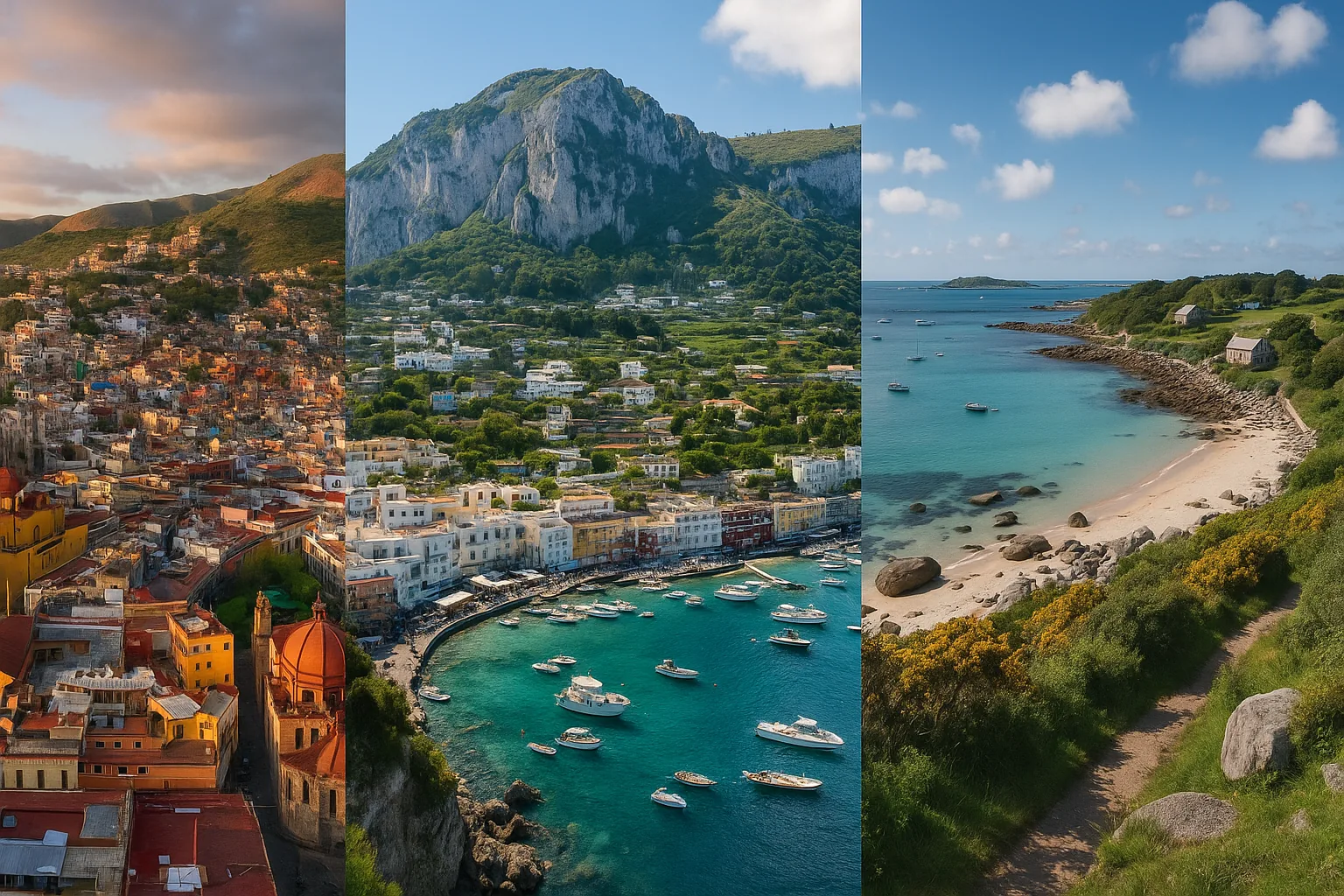
Three Hidden Gem Destinations Worth Discovering Before Everyone Else Does
Some places earn their fame honestly. Others get discovered by a lucky few, passed along in whispered recommendations, and eventually swallowed whole by the tourist machine. The best travel experiences often live somewhere in between — places that are genuinely stunning, genuinely worth your time, and still offering something that feels real. These are the hidden gem destinations that reward the curious traveler: not completely unknown, but not yet overrun. Guanajuato in Mexico, the island of Capri in Italy, and the Isles of Scilly off the southwest coast of the UK all fit that description. Each one is different in character, geography, and culture. But they share one quality: the feeling that you’ve stumbled onto something special.
Guanajuato, Mexico: The Colonial City That Earns Every Superlative
There’s a reason Guanajuato gets called Mexico’s most beautiful city. Walk into the historic center for the first time and you’ll understand immediately. Pastel and terracotta houses stack up the hillsides, their wrought-iron balconies draped in bougainvillea. Narrow alleyways twist between them like a labyrinth designed by someone who wanted you to get pleasantly lost. Tiny squares appear without warning, each one with its own personality, its own rhythm.
Guanajuato is a UNESCO World Heritage Site, and the architecture alone justifies that status. But what makes it genuinely worth visiting — especially for young travelers — is the energy underneath all that colonial beauty. Troubadours fill the parks with music in the evenings. Students spill out of the city’s university into the streets. The whole place feels alive in a way that no amount of restoration can manufacture.
Getting Into the Neighborhoods
The city center is where most visitors spend their time, and it’s easy to see why. The main squares, the colorful facades, the famous alleyways — they’re all there, and they’re genuinely worth exploring. But if you want to feel the city rather than just photograph it, start walking uphill. The neighborhoods that climb away from the center have a quieter, more local character. Laundry hangs between windows. Corner shops sell snacks to schoolkids. The views back down over the city are extraordinary.
Spend a morning wandering without a plan. Follow an alleyway just because it looks interesting. Sit in a small square and order whatever the café next to you is serving. Guanajuato rewards that kind of slow, curious exploration far more than it rewards a checklist approach.
When to Visit and How to Stay
Guanajuato has a genuine festival culture — the city hosts major cultural events that draw visitors from across Mexico and beyond. If you want a more relaxed experience, it’s worth researching the local calendar before you book. Visiting outside the major festival periods generally means quieter streets, easier access to accommodation, and more space to actually experience the city on its own terms.
For accommodation, look beyond the big hotels. Guanajuato has a range of smaller guesthouses and locally run options that put you closer to the texture of daily life. Staying in a family-run place in one of the residential neighborhoods, rather than right in the tourist center, gives you a different perspective on the city — and usually a better price. Ask your hosts where they eat. That question alone will take you somewhere worth going.
You can explore Guanajuato further through resources like Adventurous Kate’s guide to Guanajuato, which covers the city’s highlights with genuine enthusiasm and practical detail, or Indie Traveller’s Guanajuato travel guide for a thorough overview of what to see and how to navigate the city.
Capri, Italy: A Famous Island That Still Has Quieter Corners
Capri has a reputation problem — or rather, a reputation that’s entirely accurate for about three months of the year and misleading for the rest of it. In peak summer, the island is genuinely crowded. Day-trippers pour in from Naples and the Amalfi Coast, the main piazzetta fills up, and the narrow streets can feel more like a queue than a destination. That version of Capri is real. But it’s not the only version.
Visit outside the peak summer rush — spring or autumn tend to be more manageable, though you should check current conditions before you travel — and you’ll find a different island. The same dramatic cliffs. The same turquoise water. The same terraced gardens and bougainvillea-lined paths. But with room to breathe.
👉 Read also: Island Hopping on a Budget: Where to Stay in Greece's Milos, Capri, and the Isles of Scilly
Moving Beyond the Main Piazzetta
Most day visitors arrive, head to the piazzetta, take the photos, and leave. If you’re staying overnight — which is the single best decision you can make on Capri — you get the island after they’ve gone. Early mornings and evenings have a completely different atmosphere. The light is better. The streets are quieter. You can actually hear the birds.
The upper part of the island, reached by a short chairlift or a walk up winding paths, tends to attract fewer visitors than the main town. It has a more local, residential character — smaller shops, less tourist infrastructure, and views that feel like a reward for the effort of getting there. Spending time in quieter areas of the island, rather than clustering around the most photographed spots, is generally how you find the version of Capri worth writing home about.
Practical Thinking for Capri
Capri is not a budget destination — that’s worth knowing upfront. But the price gap between staying there and day-tripping from the mainland is smaller than people assume when you factor in the experience of having the island to yourself in the early morning. Smaller, family-run guesthouses and local pensioni tend to offer a more personal experience than the island’s famous luxury hotels, and they’re often better placed for exploring on foot.
Getting there involves a ferry from Naples or from various points along the Amalfi Coast. Ferries run regularly during the tourist season, though schedules vary and it’s always worth checking current timetables before you travel. The crossing itself is part of the experience — the island appears on the horizon gradually, rising out of the water in a way that makes the anticipation feel earned.
The key to Capri is timing and patience. Go when you can, stay as long as you can manage, and resist the urge to rush through the highlights. The island rewards people who slow down.
The Isles of Scilly, UK: An Archipelago That Feels Like Somewhere Else Entirely
The Isles of Scilly sit off the southwestern tip of Cornwall, and they have the curious quality of feeling like they belong to a different country — or possibly a different era. The light is softer. The pace is slower. There are no traffic jams because there are essentially no cars. The water is a shade of blue that most people don’t expect to find anywhere in the British Isles.
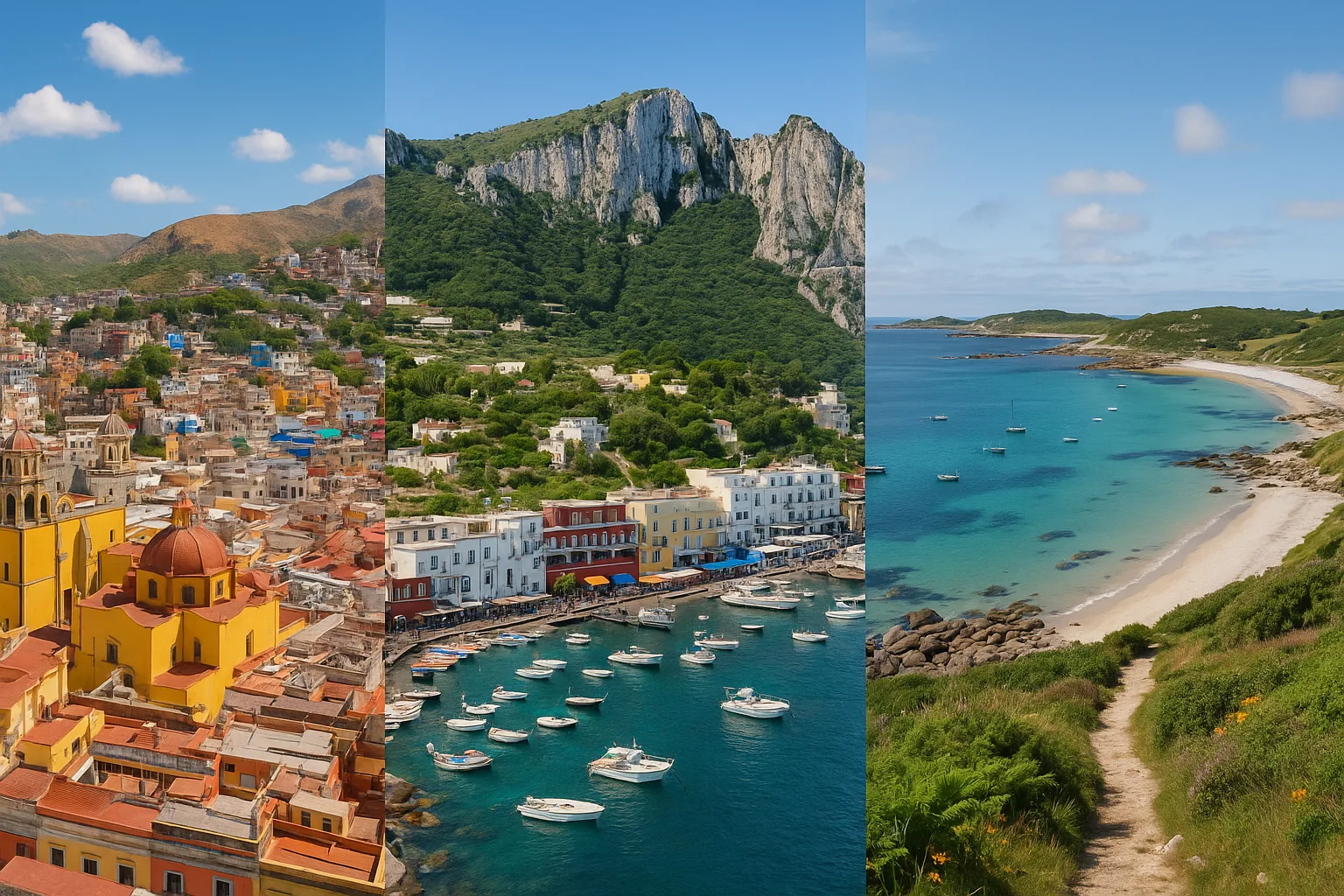
This is an archipelago of small inhabited islands, each with its own character, connected by small inter-island boats that run according to tidal and seasonal schedules. Getting there requires either a ferry crossing from the Cornish mainland or a short flight — both options are worth researching in advance, as availability and schedules can vary significantly by season. The journey is part of the transition: by the time you arrive, you already feel like you’ve left the ordinary world behind.
Life Between the Islands
Part of what makes the Isles of Scilly genuinely special is the way the islands interact with each other. Staying on one island and taking the small boats to explore others during the day gives you a sense of an archipelago community — people who know each other, who share the same tides and weather, who live at a pace that the mainland has largely forgotten.
The landscapes vary more than you’d expect from islands of this size. Some are dominated by heathland and coastal paths with dramatic cliff views. Others have sheltered gardens that benefit from the mild climate and bloom with subtropical plants that seem improbable this far north. Walking between these different environments in a single day — salt air, wildflowers, quiet beaches, the sound of seabirds — is the kind of experience that sticks with you.
The beaches are genuinely extraordinary. White sand, clear water, and very few people — even in the warmer months, the Scilly beaches rarely reach the crowding levels you’d find on the Cornish mainland. That’s partly because getting here takes effort, and effort is the best filter there is.
👉 Read also: Beyond the Crowds: Hidden Gems in Capri, Italy (2026)
When to Go and Where to Stay
The islands are most accessible during the warmer months, roughly spring through early autumn. Outside this window, services become more limited and some accommodation closes for the season — it’s worth checking current availability before planning a trip. Spring tends to bring wildflowers and quieter conditions before the summer visitors arrive. Early autumn offers warm water and the gentle, golden light that photographers chase.
Accommodation on the islands leans toward smaller, independently run options — guesthouses, self-catering cottages, and family-run B&Bs. This isn’t a place for chain hotels or resort complexes, and that’s entirely the point. Staying in a small guesthouse run by someone who’s lived on the island for decades gives you access to local knowledge that no guidebook can replicate. Ask about the best walking routes, the quietest beaches, the times of day when the light is best. You’ll get answers worth having.
Booking ahead is genuinely important here, especially for summer visits. The islands have limited accommodation capacity by design, and popular periods fill up early. Getting organized in advance is one of the few things that separates a smooth Scilly trip from a stressful one.
Strategies That Work Across All Three Destinations
These three places are very different from each other, but they respond to the same kind of traveler in similar ways. The person who gets the most out of Guanajuato, Capri, and the Isles of Scilly is the one who slows down, stays longer than feels strictly necessary, and resists the pull of the obvious.
Shoulder Season Is Your Best Friend
All three destinations have a peak season that brings crowds, higher prices, and a slightly diluted experience. Visiting just before or just after that peak — the shoulder season — is consistently one of the smartest moves in travel. You get most of the good weather, nearly all of the things worth seeing, and a fraction of the crowds. The exact timing varies by destination and by year, so it’s worth doing current research rather than assuming a fixed window. But the principle holds everywhere: the weeks on either side of peak season are often the best weeks to visit.
Stay Local, Stay Longer
Choosing locally run accommodation over international chains isn’t just an ethical preference — it’s a practical one. Local hosts know things. They know which restaurant is actually worth visiting and which one is coasting on its location. They know when the quiet hours are, which paths to take, which days to avoid the main attractions. That knowledge is worth more than any amenity a big hotel can offer.
And staying longer than you think you need to is almost always the right call. One extra day in Guanajuato gives you time to find the square you didn’t know existed. One extra night on Capri means a morning with the island to yourself. One extra day on Scilly means you finally get the weather for that coastal walk you’ve been putting off. The best travel memories rarely happen on the days you planned for them.
Go Where the Day-Trippers Don’t
All three destinations attract day visitors who follow predictable routes. The main squares, the famous viewpoints, the most photographed spots — these fill up and empty on a daily cycle. If you’re staying overnight, you have a natural advantage: you can visit those places at the beginning or end of the day, when the day-trippers haven’t arrived or have already left. And you can spend the middle of the day exploring the corners they never reach.
In Guanajuato, that means climbing into the residential neighborhoods above the center. On Capri, it means taking the paths less traveled toward quieter parts of the island. On the Isles of Scilly, it means taking a boat to a smaller island on a Tuesday afternoon when everyone else is somewhere else. These are simple moves, but they change the experience entirely.
Why These Places Still Matter
There’s a version of travel that’s about ticking off the famous sights and moving on. And there’s another version that’s about actually being somewhere — sitting in a square long enough to notice the rhythm of it, talking to the person who runs your guesthouse, finding a viewpoint that isn’t in any guide because you just kept walking uphill. These three hidden gem destinations all offer both options. You can do the highlights and leave satisfied. Or you can go deeper, stay longer, and come home with something harder to describe but easier to remember.
That second kind of travel takes a little more effort and a little more patience. But it’s the kind that stays with you. Guanajuato’s bougainvillea-covered alleyways, the early-morning quiet of Capri before the ferries arrive, the sound of the sea on a small Scilly beach with no one else around — these are the moments that make you want to keep going, keep exploring, keep looking for the next place that feels like a genuine discovery. The world is full of them. You just have to be willing to look.
This article was produced with AI assistance and reviewed editorially.


Hidden Gems You’ve Never Heard Of: Guanajuato, Capri Without Crowds, and UK’s Isles of Scilly

The Best Travel Backpacks for 2026: Honest Reviews of Tortuga, Matador & More


