
Dominican Republic
Caribbean Escapes: Where to Stay in the Dominican Republic, Anguilla & Puerto Rico
Find where to stay across three Caribbean islands. This accommodation guide covers Dominican Republic regions, Anguilla logistics, and San Juan neighborhoods for authenti

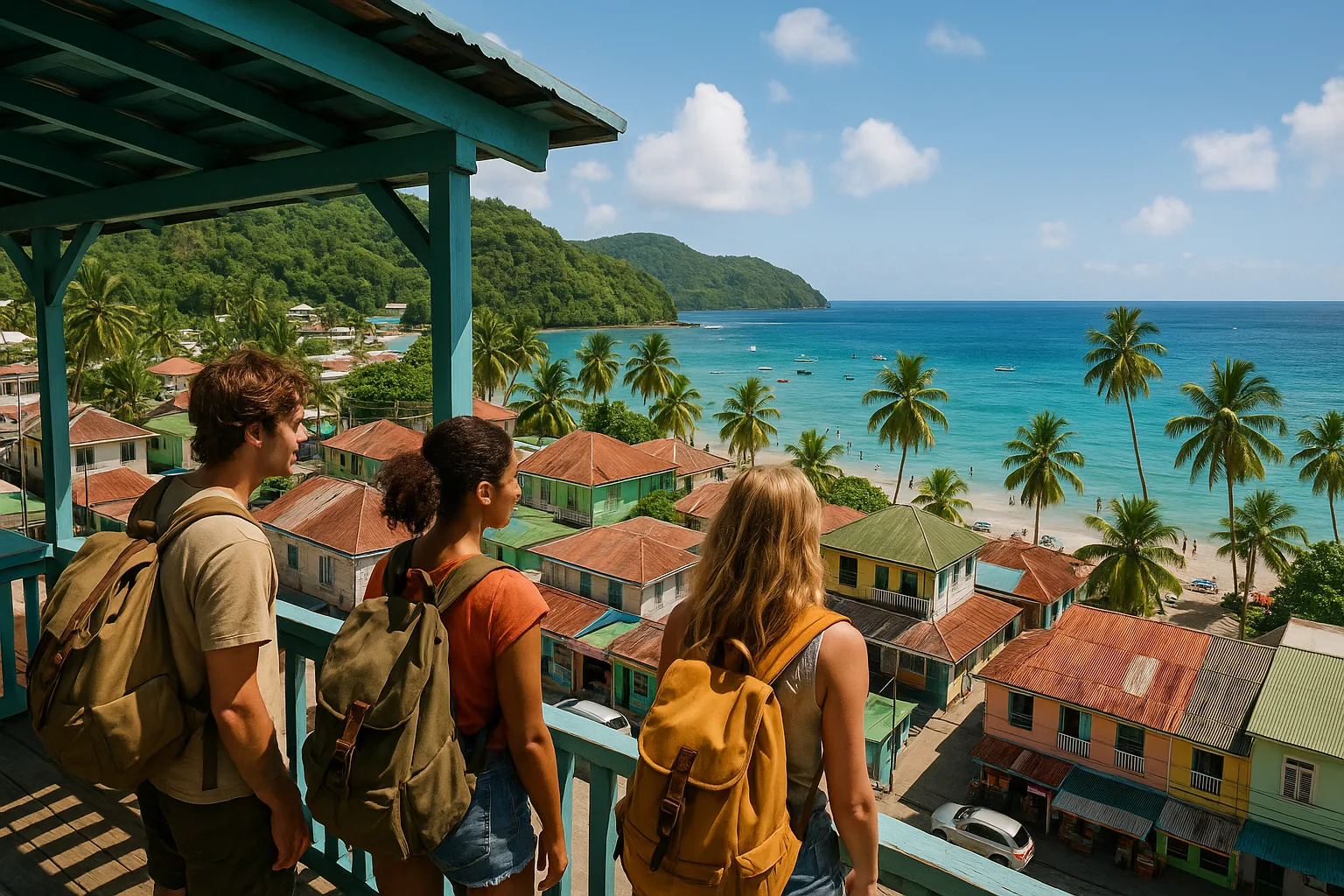
Your Caribbean Accommodation Guide: Dominican Republic, Anguilla & Puerto Rico
The Caribbean is one of those regions that sounds simple until you actually start planning. Three islands, three completely different vibes, three sets of questions about where to stay, how much to spend, and how to actually connect with a place rather than just float in a resort pool for a week. This caribbean accommodation guide covers exactly that — breaking down three destinations that each offer something distinct, from the energetic streets of San Juan to the barefoot luxury of Anguilla to the sun-soaked diversity of the Dominican Republic. Whether you’re traveling on a tight budget or willing to splash out on something special, here’s how to find your footing in each one.
Dominican Republic: More Than All-Inclusive
The Dominican Republic has a reputation that precedes it — and for most people, that reputation looks like a wristband, a buffet, and a swim-up bar. All-inclusive resorts dominate the conversation, and honestly, they’re not a bad deal if you’re looking for value. The Dominican Republic is one of the more budget-friendly Caribbean destinations you’ll find, and the all-inclusive model does deliver a lot for your money.
But if you stop there, you miss most of what makes this country worth visiting.
Punta Cana: Know What You’re Getting Into
Punta Cana is the resort capital of the Caribbean. The beaches are stunning — powdery white sand, calm turquoise water, the kind of coastline that makes your camera work overtime. If you stay in one of the large resort complexes here, you’ll be comfortable, well-fed, and surrounded by other travelers in a similar situation. That’s fine. But it’s worth knowing upfront that you won’t be seeing much of Dominican life from inside those gates.
If Punta Cana is your base, try to build in at least one or two days where you venture out. Hire a local guide, take a day trip to a nearby village, or at minimum eat one meal somewhere that isn’t attached to your hotel. The food culture here — rice and beans, fresh seafood, fried plantains, cold Presidente beer — is worth experiencing properly.
Santo Domingo: Where the Country Actually Lives
Santo Domingo is a different story entirely. The capital is loud, layered, and genuinely fascinating. The Zona Colonial is a historic district with cobblestone streets and architecture that tells the story of the oldest European city in the Americas. Staying here puts you in the middle of real city life — local restaurants, corner cafés, neighborhood bars, and a pace that has nothing to do with resort schedules.
Accommodation in the Zona Colonial ranges from small guesthouses and boutique hotels to budget-friendly hostels that attract a good mix of backpackers and independent travelers. This is where you want to be if you’re curious about Dominican culture, history, and food beyond the tourist trail. It’s also a solid base for day trips to nearby beaches and the surrounding countryside.
Las Terrenas and the Samaná Peninsula
For travelers who want beach access without the resort bubble, the Samaná Peninsula in the northeast is worth the extra travel time. Las Terrenas has a more relaxed, community-driven feel — small guesthouses, local restaurants right on the beach, and a mix of travelers and expats who’ve settled in for the long haul. It’s the kind of place where you can rent a scooter, explore the coastline at your own pace, and find a beach that isn’t shared with five hundred other people.
The peninsula also offers access to Playa Rincón, consistently ranked among the most beautiful beaches in the entire Caribbean. Getting there requires some effort — a boat ride or a bumpy road — which is exactly why it stays relatively quiet.
Anguilla: Small Island, Big Impressions
Anguilla is a different kind of Caribbean experience. This small British territory sits just north of Saint Martin and has built a reputation as one of the region’s most refined destinations. The beaches are extraordinary — long, calm, and often nearly empty. The pace is slow by design. And the accommodation options lean heavily toward the luxury end of the spectrum.
👉 Read also: Budget Accommodation Guide: 15 Hidden Gem Destinations for Young Travelers in 2026
If you’re traveling on a strict backpacker budget, Anguilla will be a stretch. But if you’ve been saving for something genuinely special — or if you’re splitting costs with a group — it’s the kind of place that stays with you.
Where to Stay in Anguilla
Anguilla’s accommodation scene is anchored by a collection of high-end resorts that have earned serious recognition. Forbes Travel Guide highlights several standout properties on the island, including Aurora Anguilla Resort & Golf Club, Belmond Cap Juluca, Four Seasons Resort and Residences Anguilla, and Quintessence Hotel. Each offers something slightly different — Cap Juluca is known for its crescent beach setting, the Four Seasons for its full-service experience, and Quintessence for its intimate, boutique atmosphere.
Among the newer additions to the island’s hospitality scene, Tranquility Beach Anguilla has made a strong early impression. It’s the newest oceanfront resort on the island and was nominated in the Resort Category for Condé Nast Traveler’s Readers’ Choice Awards in 2026 — which, for a new property, signals something worth paying attention to.
Getting to Anguilla and Getting Around
Anguilla doesn’t have a major international airport, so most travelers arrive via a short ferry from Saint Martin — specifically from Marigot on the French side or Simpson Bay on the Dutch side. The crossing takes around twenty minutes and runs regularly throughout the day. It’s straightforward once you know the routine, but it does add a logistical step that surprises first-time visitors.
On the island itself, taxis are the main option for getting around. Car rentals are available and make sense if you’re planning to explore beyond your resort. The island is small enough that you can cover a lot of ground in a single day — and with thirty-three beaches to choose from, you’ll want to.
Making the Most of Anguilla on a Younger Traveler’s Budget
Here’s the honest truth: Anguilla is not a budget destination. But that doesn’t mean it’s out of reach if you’re strategic. Traveling outside the peak December-to-April season makes a significant difference — both for flights and accommodation. Avoiding that busy window can save meaningfully on airfare and lodging costs across the Caribbean, and Anguilla is no exception. The shoulder months of May, June, and November still offer excellent weather and far more accessible prices.
If you can’t stretch to a full resort stay, consider spending just two or three nights on the island as part of a longer Caribbean trip. A few days on Anguilla’s beaches, a sunset dinner at a local beach bar, and a morning swim in water that genuinely looks unreal — that’s a worthwhile chapter in any travel story.
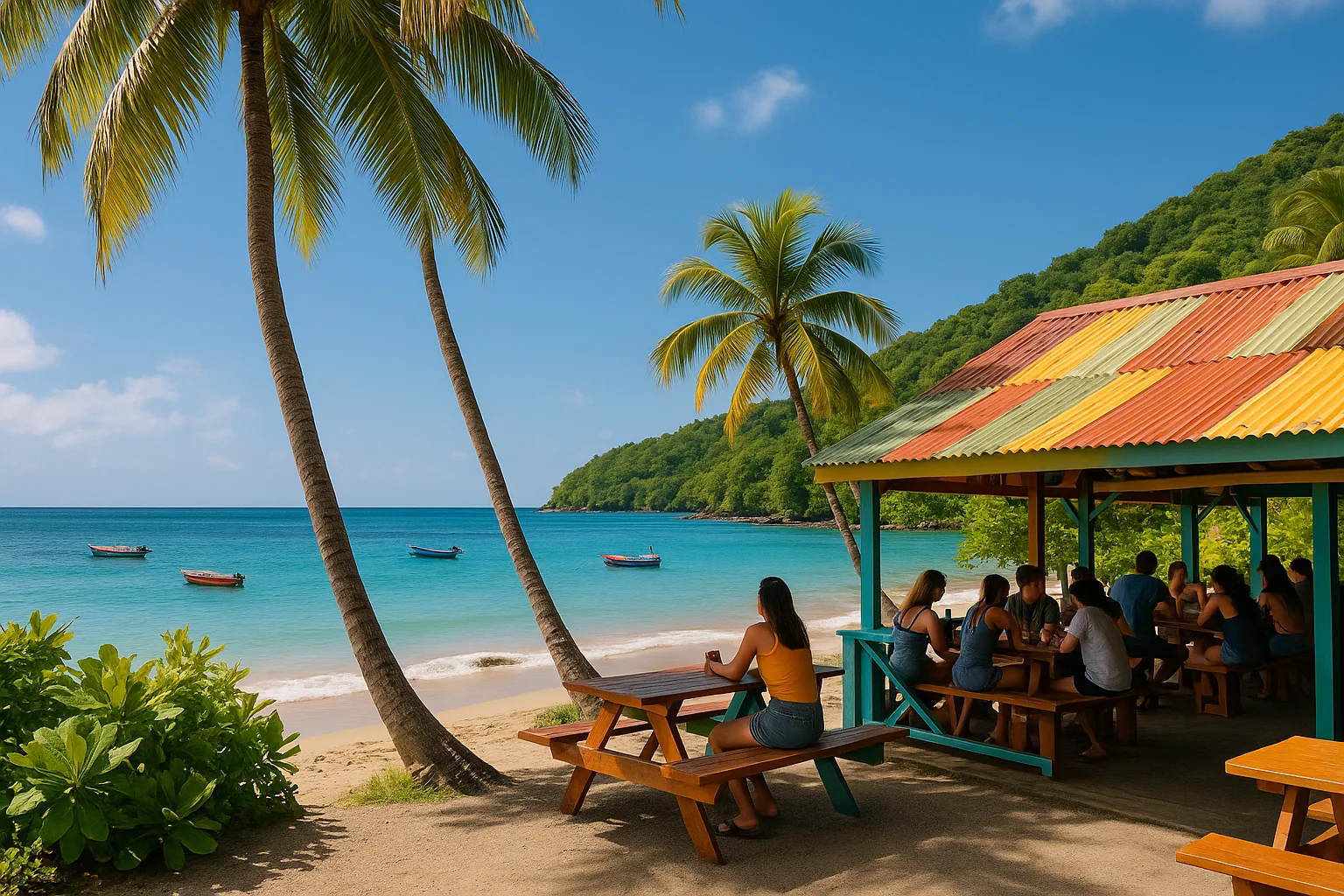
Puerto Rico: The Caribbean with Everything
Puerto Rico sits in a category of its own. As a US territory, it’s accessible to American travelers without a passport, which opens it up to a wider range of first-time international travelers. But beyond the logistics, Puerto Rico is a destination with genuine depth — a layered culture shaped by Indigenous Taíno heritage, Spanish colonial history, African influences, and a modern creative energy that shows up in its food, music, and art.
Old San Juan is one of the most visually striking urban environments in the entire Caribbean. Colorful colonial buildings line narrow cobblestone streets, massive forts overlook the ocean, and the whole district hums with a cultural confidence that feels earned rather than performed. Puerto Rico also offers access to El Yunque National Forest, the only tropical rainforest in the US national forest system — a genuinely wild contrast to the city just an hour away.
San Juan Neighborhoods: Where to Base Yourself
Old San Juan is the obvious starting point, and for good reason. Staying within the walled city puts you close to the main historic sites, excellent restaurants, and a nightlife scene that runs late and loud. Accommodation here ranges from boutique guesthouses tucked into restored colonial buildings to well-located mid-range hotels. It’s worth booking early, especially on weekends when the neighborhood fills up with both tourists and locals coming in from across the island.
Condado is the beach-adjacent neighborhood that sits just east of Old San Juan. It has a more modern, polished feel — high-rise hotels, a strip of restaurants and bars, and direct beach access. It’s a solid choice if you want the convenience of a hotel district with the option to walk to the ocean in the morning.
👉 Read also: Caribbean & Central America Escapes: Belize, Isla Mujeres & Island Life (2026)
Santurce is the neighborhood that rewards curious travelers. This is San Juan’s arts district — murals cover entire building facades, independent galleries sit alongside local restaurants, and the Mercado de Santurce draws a lively weekend crowd. Accommodation options here tend to be more affordable and more interesting than the hotel strips. You’re more likely to find a locally-run guesthouse or a small hostel that connects you with other travelers and residents rather than just tourists.
Ocean Park sits between Condado and Isla Verde and has a quieter, more residential feel. The beach here is beautiful and less crowded than some of the more tourist-heavy stretches. It’s a good option if you want beach access without the resort atmosphere — smaller guesthouses and vacation rentals dominate, and the neighborhood has a genuinely local character.
Beyond San Juan: Exploring the Rest of Puerto Rico
San Juan is the natural base, but Puerto Rico is an island worth exploring fully. The southwest coast around Cabo Rojo has a completely different character — dramatic cliffs, salt flats, and beaches with calmer, clearer water. The town of Rincón on the northwest coast is a well-known surf destination with a relaxed community vibe and guesthouses that cater to travelers who stay for weeks rather than days.
The bioluminescent bays — particularly Mosquito Bay on the island of Vieques — are among the most extraordinary natural experiences anywhere in the Caribbean. Kayaking through water that glows blue-green in the dark is the kind of thing that’s genuinely hard to describe and impossible to forget. Getting to Vieques requires a short flight or ferry from the mainland, but it’s worth building into your itinerary if you have the time.
Practical Tips: Timing, Booking, and Avoiding the Resort Bubble
When to Go
The Caribbean’s peak travel season runs from December through April, when the weather is at its most reliable and the crowds are at their heaviest. Prices for flights and accommodation spike significantly during this window, particularly around the holidays and spring break. If your schedule allows flexibility, traveling outside this period — particularly in May, June, or November — opens up better rates and quieter beaches without sacrificing too much in terms of weather. Hurricane season runs from June through November, with the highest-risk months being August and September, so travel insurance is worth considering if you’re visiting during that window.
How to Connect with a Place Rather Than Just Visit It
The resort bubble is real, and it’s easy to slip into without realizing it. You arrive, you check in, the beach is right there, the food is included, and suddenly four days have passed and you’ve barely left the property. That’s a valid choice for some trips, but if you’re reading this guide, you probably want more than that.
The simplest way to break out of the bubble is to eat where locals eat. In the Dominican Republic, look for local comedores — small, unpretentious lunch spots that serve home-style food at prices that make resort dining feel absurd. In Puerto Rico, the food truck scene is excellent and deeply local, particularly around Santurce and along the coast. In Anguilla, beach bars and roadside spots offer a more genuine window into island life than any hotel restaurant.
Staying in locally-run guesthouses, small hostels, or community-based accommodation also makes a difference. Not just for your budget, but for the quality of your experience. The person who runs a small guesthouse in Las Terrenas or a hostel in Santurce knows things about their neighborhood that no travel app will tell you — where the best coffee is, when the local market happens, which beach to hit on a Tuesday morning when the crowds are elsewhere.
Budget Considerations Across the Three Destinations
These three destinations sit at very different points on the cost spectrum. The Dominican Republic is the most accessible for budget travelers, with hostels, guesthouses, and affordable local food making it possible to travel well without spending heavily. Puerto Rico sits in the middle — it has budget options, particularly in Santurce and Ocean Park, but costs can rise quickly in tourist-heavy areas. Anguilla is the premium option, best approached as a splurge rather than a budget destination, though smart timing and shorter stays can make it more achievable.
Across all three, booking accommodation directly with smaller properties rather than through large platforms often yields better rates and a more personal experience. It’s also worth checking whether your accommodation includes breakfast — in the Caribbean, a good local breakfast can set the tone for the whole day.
Three Islands, Three Different Stories
What makes this corner of the Caribbean worth exploring is exactly the fact that these three destinations don’t feel interchangeable. The Dominican Republic rewards the traveler who ventures beyond the resort zone into its cities, coastlines, and communities. Anguilla offers something quieter and more refined — a place where the point is to slow down and actually notice where you are. Puerto Rico gives you history, culture, food, nature, and nightlife all at once, in a setting that manages to feel both familiar and genuinely foreign. Use this caribbean accommodation guide as a starting point, do your own research once you’ve chosen your destination, and then go find the parts of each island that no guide can fully capture — because those are always the best parts. Your next Caribbean chapter is already waiting.
This article was produced with AI assistance and reviewed editorially.


Hidden Gems You’ve Never Heard Of: Guanajuato, Capri Without Crowds, and UK’s Isles of Scilly

The Best Travel Backpacks for 2026: Honest Reviews of Tortuga, Matador & More


