
Portugal
Hidden Gems in Portugal: Surfing Ericeira and Beyond the Tourist Trail
Discover authentic Portugal beyond the crowds. Explore Ericeira’s World Surfing Reserve, Atlantic coast breaks, and lesser-known destinations that feel genuinely real.

Why Portugal Is Still Full of Surprises
Everyone knows about Lisbon’s tiled facades and Porto’s wine cellars. They’re iconic for a reason. But if you’re the kind of traveler who wants to peel back the postcard version of a country and find something that actually feels real, Portugal has a lot more to offer. The hidden gems Portugal holds beyond its two most famous cities are the kind of places that make you feel like you’ve stumbled onto something genuinely special — not because they’re secret, exactly, but because most tourists never make it that far.
Portugal is having a moment right now. Affordable compared to much of Western Europe, increasingly well-connected by flights, and stacked with coastline, history, and food culture, it’s drawing in travelers from all over the world. The good news for you? The crowds mostly cluster in the same spots. Step even slightly off the standard route and you’ll find fishing villages, wild surf breaks, ancient towns, and landscapes that feel entirely your own.
This guide is your starting point. We’re going deep on Ericeira — one of Europe’s most celebrated surf destinations and a place that still manages to feel like a real village — and then we’re fanning out across the country to the places that deserve a lot more attention than they get.
Ericeira: Europe’s Surf Capital on the Atlantic Coast
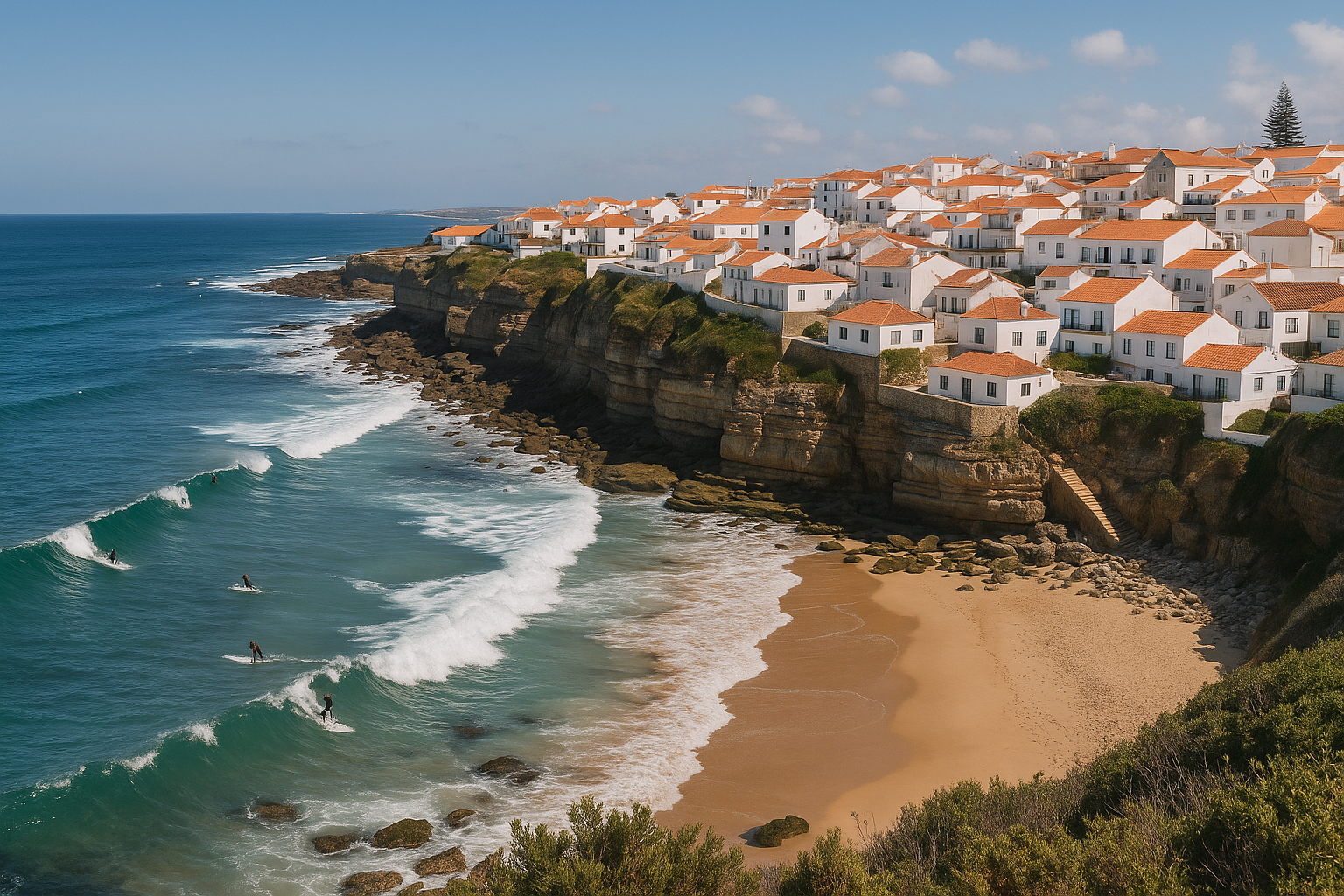
About 35 kilometers northwest of Lisbon, Ericeira sits on a clifftop above the Atlantic like it’s been there forever — because it has. It’s a working fishing village at its core, with whitewashed walls, cobblestone streets, and the kind of unhurried pace that makes you forget you were ever stressed about anything. But it also happens to be one of Europe’s major surfing capitals, and one of only a small number of places in the world to hold the designation of a World Surfing Reserve.
That designation matters. It means Ericeira’s coastline is protected — the waves, the marine environment, and the surf culture itself are all recognized as worth preserving. When you paddle out here, you’re surfing somewhere that the global surf community has collectively agreed is extraordinary. That’s not marketing. That’s a real acknowledgment of what this stretch of Atlantic coast delivers.
The Waves: What to Expect
Ericeira’s coastline is lined with a series of distinct breaks, each with its own personality. You’ll find everything from long, rolling waves perfect for beginners to heavy reef breaks that challenge even experienced surfers. Whether you’ve never stood on a board before or you’ve been chasing swells for years, there’s something here for you.
- Beginners: The beach breaks closer to the town center are more forgiving and ideal for surf lessons. The water is cold year-round by tropical standards, so pack a wetsuit — but the conditions are consistent and the learning curve is fast when you’re surrounded by good waves every day.
- Intermediate surfers: You’ll want to explore the variety of breaks up and down the coast. Each one has its own rhythm, and part of the joy of spending a few days here is figuring out which one clicks for you.
- Advanced surfers: The reef breaks around Ericeira are world-class. Expect powerful, fast waves that reward skill and experience. Check local surf reports and go with someone who knows the break before you paddle out to the more technical spots.
The Atlantic swell is most consistent from autumn through spring, which also means fewer crowds than the summer peak. If you can travel between October and March, you’ll often find yourself sharing a break with just a handful of other surfers — a rare thing anywhere in Europe.
Life in the Village
Here’s what makes Ericeira more than just a surf destination: the village itself is genuinely lovely. Wander through the old town in the early morning before the surf camps wake up and you’ll find fishermen heading out, cafés opening their shutters, and a pace of life that feels completely at odds with the busy modern world.
The food scene is anchored in seafood. Fresh fish, grilled simply and served with local wine, is the standard here — and it’s excellent. Sit down at a small restaurant near the harbor, order whatever looks fresh, and you’ll understand why Portuguese cuisine doesn’t need to be complicated to be memorable. There are also plenty of surf-culture cafés and casual spots catering to the international crowd, so you’ll never struggle to find good coffee or a filling meal after a long session in the water.
Accommodation ranges from surf camps — which are a great way to meet people and get coaching included in the price — to small guesthouses and rental apartments in the village. If you’re traveling solo, a surf camp is worth considering. You’ll arrive knowing no one and leave with a group of people who share exactly your kind of enthusiasm for early mornings and ocean swells.
Getting there from Lisbon is straightforward. Buses run regularly from the city, making it an easy day trip — though a few nights is really the minimum to do it justice. Rent a bike or just walk; the village is small enough that you don’t need much more than your own two feet to explore it.
Hidden Gems Portugal: Beyond Ericeira
Ericeira is a brilliant entry point, but Portugal’s lesser-known destinations stretch across the whole country. Here are some of the places that consistently reward curious travelers willing to look beyond the obvious.
The Alentejo: Wide Skies and Slow Living
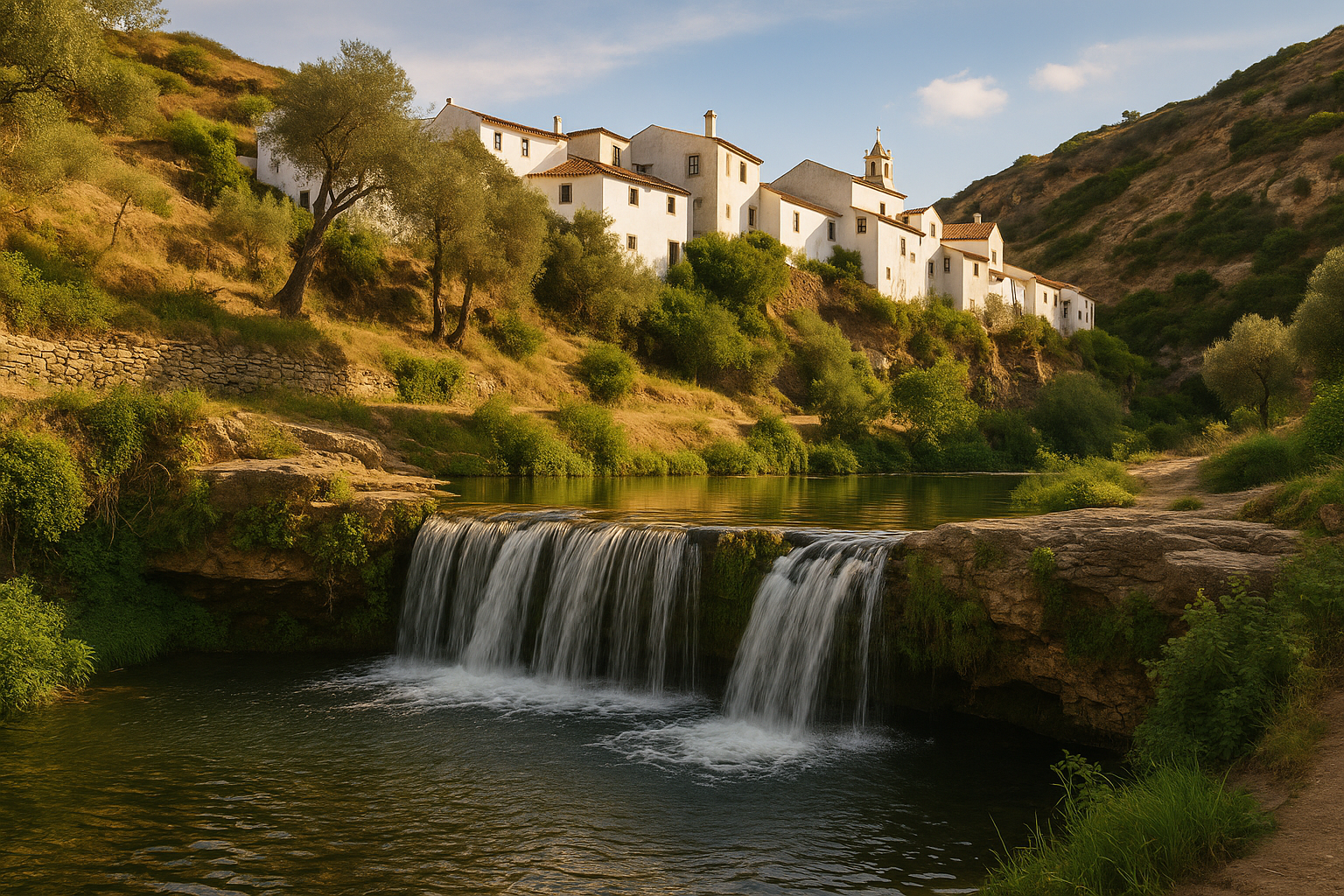
The Alentejo region, which covers a huge swath of central and southern Portugal, is the country’s quiet heartland. Rolling plains, cork oak forests, ancient hilltop villages, and some of the best wine in the country — this is where Portugal slows down completely.
Towns like Évora, Monsaraz, and Marvão are worth every minute of the drive to reach them. Évora is a UNESCO World Heritage city with Roman ruins, a medieval cathedral, and an eerie ossuary chapel that you genuinely won’t forget. Monsaraz sits on a hilltop above a vast reservoir, its medieval walls enclosing a village so small and so perfectly preserved it almost feels like a film set — except it’s completely real and still lived in.
The Alentejo is also where you eat well without spending much. Long lunches of slow-cooked pork, local bread, and regional wine are the norm here, and the hospitality is warm and genuine. This is the Portugal that locals talk about when they want to escape the tourist trail themselves.
Setúbal and the Arrábida Natural Park
South of Lisbon, the Serra da Arrábida drops dramatically into the Atlantic, creating a coastline of turquoise coves and limestone cliffs that looks more like the Mediterranean than the Atlantic coast. The Arrábida Natural Park protects this stretch of coastline, which means the water is clean, the beaches are relatively uncrowded, and the landscape is genuinely wild.
The town of Setúbal is your base here — a working port city with a lively market, good seafood restaurants, and easy access to the park. Rent a kayak and paddle along the cliffs, hike the trails above the water, or simply find a quiet cove and spend the afternoon in the sea. It’s the kind of place that rewards you for staying an extra day.
Viana do Castelo: The North’s Best-Kept Secret
Up in the Minho region, close to the Spanish border, Viana do Castelo is a riverside town that most international travelers skip entirely. That’s a genuine shame. The town has a beautiful historic center, a hilltop basilica with panoramic views over the river and the Atlantic, and a beach — Praia do Cabedelo — that’s wide, wild, and far less crowded than anything you’d find further south.
The region around Viana is also the heartland of traditional Portuguese folk culture. If you’re visiting in August, the Festas de Nossa Senhora d’Agonia fills the streets with processions, music, and some of the most elaborate traditional costumes you’ll see anywhere in the country. It’s one of those experiences that makes you feel genuinely connected to a place rather than just passing through it.
Tavira: The Algarve Without the Crowds
The Algarve gets a lot of attention — and a lot of package tourists. But Tavira, in the eastern Algarve, has managed to hold onto its character in a way that the resort towns to the west largely haven’t. The town straddles a river, its skyline punctuated by church towers and Roman bridges, and the pace here is noticeably quieter than the busy coast further along.
Tavira’s beaches are accessed by ferry across a lagoon that’s part of a protected natural park. That extra step keeps the crowds down and the atmosphere relaxed. The old town is genuinely pleasant to wander — good restaurants, independent shops, and a local life that carries on regardless of the tourist season. If you want the Algarve coast without the full resort experience, Tavira is where you want to be.
Practical Tips for Traveling Portugal Off the Beaten Path
Portugal is one of the more accessible countries in Europe for independent travel, but a few practical points will make your trip smoother — especially if you’re heading away from the main cities.
- Rent a car for rural areas. Public transport in Portugal is good between major cities, but it gets sparse quickly once you head into the Alentejo or the northern countryside. A car gives you the freedom to stop when something catches your eye — and it will.
- Learn a few words of Portuguese. English is widely spoken in tourist areas and among younger people, but making the effort to say hello, thank you, and please in Portuguese goes a long way. People appreciate it genuinely.
- Eat where the locals eat. The best food in Portugal is almost never in the most prominent restaurant on the main square. Follow the sound of conversation, look for handwritten menus, and don’t be afraid to ask what’s good today.
- Travel in shoulder season. May to June and September to October offer the best balance of good weather, manageable crowds, and reasonable prices. July and August are hot and busy, especially on the coast.
- Book surf camps early. If Ericeira is on your list, good surf camps fill up quickly, especially for summer. Plan ahead, particularly if you want coaching included.
- Keep your itinerary loose. The best moments in Portugal often come from unexpected detours — a village you spotted on the map, a beach you found by accident, a conversation that led somewhere you hadn’t planned to go. Leave room for that.
How to Plan Your Route
If you’re working with two weeks, a sensible route might look something like this: arrive in Lisbon, spend a couple of days getting your bearings, then head to Ericeira for a surf-focused long weekend. From there, loop south through Setúbal and Arrábida before cutting inland to the Alentejo. Spend time in Évora and at least one night in a smaller hilltop village. Head back to the coast via Tavira, then make your way north to Porto before finishing with a day or two in Viana do Castelo.
That route gives you coast, mountains, plains, surf, history, and food — a genuinely complete picture of what Portugal offers beyond the standard highlights. You can find detailed inspiration and practical planning resources through guides like Two Wandering Soles’ Portugal hidden gems guide, which covers many of these destinations in depth.
The key is not to rush. Portugal rewards slow travel. The country is compact enough that you can cover a lot of ground without exhausting yourself, but the best experiences here come when you stop moving and actually settle into a place for a day or two.
Why These Places Stay Special
One of the things that makes Portugal’s hidden gems so worth seeking out is that they haven’t been smoothed over for tourism. Ericeira still feels like a fishing village because it still is one. The Alentejo still moves at its own pace because the people who live there prefer it that way. Tavira still has a real town center because it was never fully taken over by resort development.
That authenticity is fragile, and it’s worth treating carefully. Travel slowly, spend money locally, be curious and respectful, and you’ll find that Portugal opens up in ways that the average rushed itinerary never allows. The country has been welcoming travelers for centuries — it knows how to do it well, and the places that haven’t been overrun yet are the ones that still do it best.
Portugal doesn’t need to be sold to you. It just needs to be discovered. And once you’ve stood on a clifftop in Ericeira watching the Atlantic roll in, or eaten a long lunch in a quiet Alentejo village with no particular reason to be anywhere else, you’ll understand exactly what that means. Start planning, keep your options open, and let the country surprise you.
This article was produced with AI assistance and reviewed editorially.


City Guides for Young Travelers: Buenos Aires, Quito, and Trujillo (Culture, Food & Adventure)

Where to Stay in Southern Africa: Botswana, Namibia & Madagascar for First-Time Visitors


