
North America
Hidden Beach Towns & Islands for Young Travelers: Cape Cod, Sanibel Island & Catalina Island (2026)
Discover three authentic beach towns for young travelers with affordable stays, local food, and water activities. Skip the resorts and explore Cape Cod, Sanibel Island, a

Why Beach Towns for Young Travelers Are Worth Exploring Beyond the Obvious
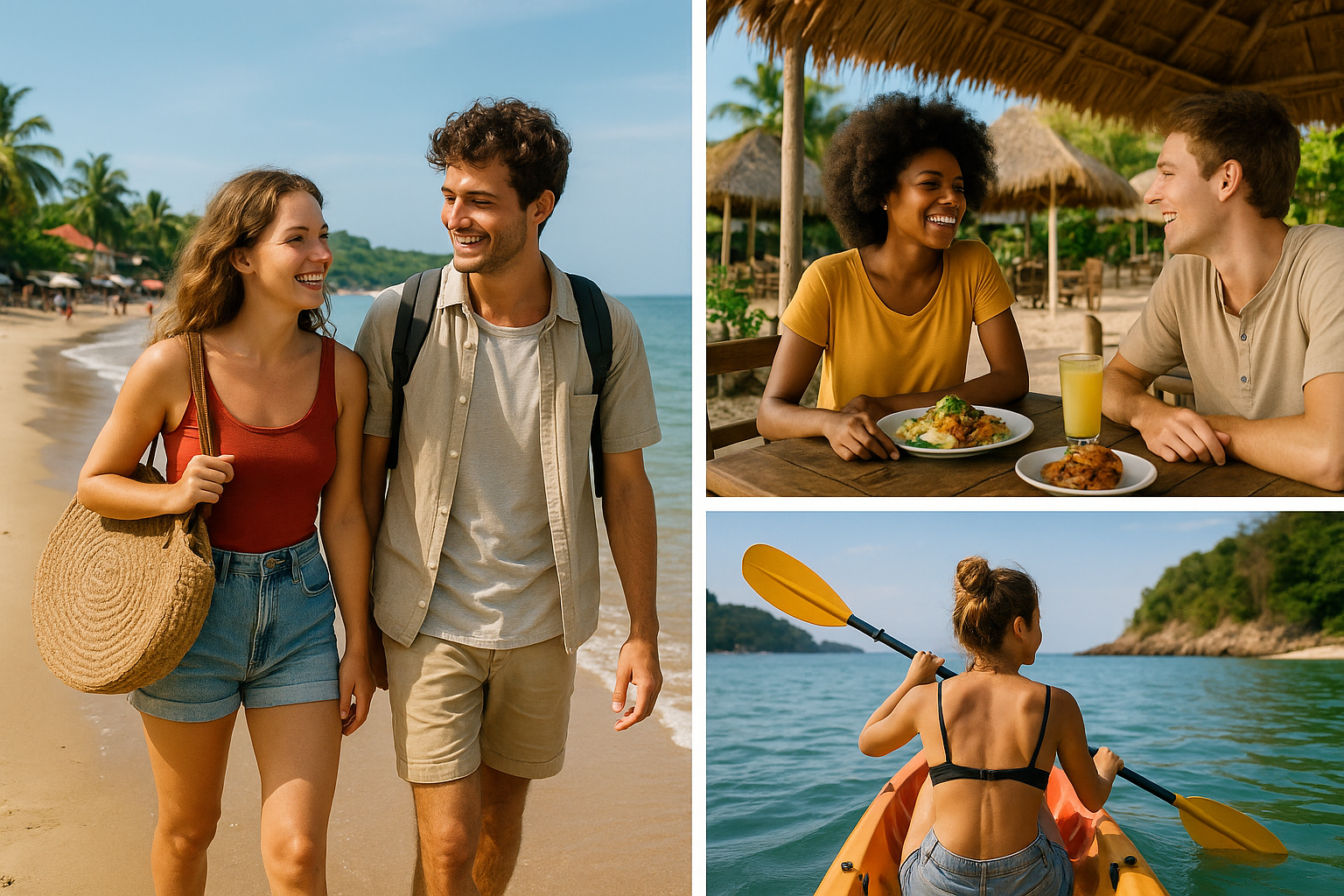
There’s a certain kind of beach trip that doesn’t make it onto the glossy resort brochures. No swim-up bars, no wristbands, no DJ sets at noon. Just salt air, good food, a kayak you rented for the afternoon, and the feeling that you’ve actually found something real. The best beach towns for young travelers aren’t always the loudest ones — sometimes they’re the ones that reward you for showing up with curiosity instead of a pre-planned itinerary.
Cape Cod in Massachusetts, Sanibel Island in Florida, and Catalina Island off the California coast are three destinations that fit that description almost perfectly. Each one has its own personality, its own pace, and its own reasons to visit. What they share is a kind of authenticity that’s harder and harder to find along coastlines that have been fully optimized for mass tourism. These are places where you can still feel like a traveler rather than a consumer.
This guide breaks down what makes each destination worth your time, when to go, where to eat and sleep without spending a fortune, and how to experience the local side rather than the tourist version.
Cape Cod, Massachusetts: New England’s Most Rewarding Coastal Escape
Cape Cod has a reputation that might make you think it’s not for you — lobster rolls at white-tablecloth restaurants, sailing clubs, summer houses. And yes, that version of Cape Cod exists. But there’s another version, and it’s the one worth chasing.
The Cape stretches out into the Atlantic like a bent arm, and the further along it you travel, the more interesting it gets. The outer Cape — towns like Wellfleet, Truro, and Provincetown — has a completely different energy from the more commercial areas near the bridge. Cape Cod’s range of hotels, bed and breakfasts, and local restaurants means you can build a trip that fits almost any budget if you know where to look.
Where to Actually Stay
Skip the big resort complexes near Hyannis if you’re looking for character. Instead, look at smaller guesthouses and inns in Wellfleet or Eastham. These towns sit close to the Cape Cod National Seashore, which means you’re a short bike ride from some of the most spectacular coastline in the northeastern United States — and the National Seashore itself is free to explore on foot or by bike.
Provincetown, at the very tip of the Cape, is a place that genuinely surprises most first-time visitors. It’s vibrant, deeply creative, and has one of the most welcoming and inclusive communities you’ll find anywhere on the East Coast. The town has been an artists’ colony for over a century, and that spirit is still alive in its galleries, independent restaurants, and street life. It’s also considerably more affordable if you visit outside of peak summer weekends.
What to Do Beyond the Beach
The beaches themselves are genuinely stunning — wide, wild, and backed by dramatic dunes. But Cape Cod rewards the curious traveler who goes a little further. Rent a bike and cycle the Cape Cod Rail Trail, which winds through woods and past kettle ponds for miles. Kayak in the calmer waters of Pleasant Bay. Catch a ferry from Provincetown to watch whales in the open Atlantic — it’s one of the more memorable things you can do on the entire East Coast.
The local food scene is rooted in the sea. Clam chowder, fresh oysters, fried clams from a roadside shack — this is the kind of eating that feels genuinely connected to place. Look for the spots with hand-painted signs and outdoor picnic tables. That’s usually where the food is best and the prices are most reasonable.
Best Time to Visit Cape Cod
Late May to mid-June, and September through early October, are the sweet spots. The weather is warm enough for swimming and outdoor activities, the crowds are significantly thinner than in July and August, and accommodation prices drop noticeably. September on the outer Cape is particularly special — the light changes, the pace slows, and the locals come back out.
Sanibel Island, Florida: Shell-Strewn Shores and a Slower Kind of Adventure
Florida has no shortage of beach destinations aimed squarely at the party crowd. Sanibel Island is not one of them, and that’s exactly the point. Sanibel Island sits off the southwest coast of Florida, connected to the mainland by a causeway, and it operates at a pace that feels almost deliberately unhurried.
The island has strict development regulations that have kept it from being overdeveloped. Building heights are limited, neon signs are essentially nonexistent, and a significant portion of the island is protected wildlife refuge. What you get instead of a strip of chain hotels is a place that still feels like somewhere rather than nowhere.
The J.N. “Ding” Darling National Wildlife Refuge
This is one of the most accessible and rewarding wildlife experiences in the American South, and it’s right in the middle of the island. You can cycle or walk through the refuge, spotting roseate spoonbills, ospreys, alligators, and dozens of other species in their natural habitat. It’s the kind of experience that makes you put your phone away — not because you’re told to, but because you’re genuinely absorbed in what’s in front of you.
Shelling and the Beach Experience
Sanibel is internationally known among shell collectors because of the way the island is oriented — it catches shells drifting in from the Gulf in a way that few other beaches do. You don’t have to be a collector to appreciate it. Walking the beach at low tide, finding something beautiful washed up from the sea floor, is a simple pleasure that doesn’t cost anything and stays with you longer than you’d expect.
The beaches themselves are calm and Gulf-warm, making them ideal for swimming, paddleboarding, and kayaking. The water is generally clear and gentle, which makes it accessible for travelers who want to get out on the water without a lot of experience or expensive equipment.

Eating and Staying on Sanibel
Sanibel has a genuine range of lodging options and dining establishments, from small cottages and family-run inns to waterfront restaurants serving fresh Gulf seafood. The island isn’t the cheapest destination in Florida, but visiting in the shoulder seasons — late spring or early fall — brings prices down considerably. Look for weekly cottage rentals if you’re traveling with a small group, as they often work out significantly cheaper than nightly rates and give you the freedom to cook some of your own meals.
For food, seek out the smaller, locally owned spots rather than the places with the biggest signs. Fresh grouper, stone crab when it’s in season, and Gulf shrimp prepared simply are what you’re here for. The best meals on Sanibel are usually the most straightforward ones.
Getting the Most Out of Sanibel
Rent a bike on your first day. The island has an extensive network of paved bike paths that connect almost everywhere you’d want to go — beaches, the refuge, restaurants, shops. It’s one of those rare places where a car feels almost unnecessary once you’re there, and cycling gives you a completely different relationship with the landscape than driving through it.
Catalina Island, California: A Pacific Escape Just Off the Coast
Most people who live in Southern California have never actually been to Catalina Island, which is both a mystery and an opportunity. The island sits about 22 miles off the coast of Los Angeles, accessible by ferry, and it feels like a different world from the mainland — quieter, slower, and genuinely beautiful in a way that’s hard to describe until you’re standing on the hillside above Avalon watching the sun drop into the Pacific.
Catalina’s main town, Avalon, is small and walkable. Most of the island beyond the town is undeveloped wilderness, managed as a nature conservancy. That means hiking trails through rugged terrain, bison that were brought to the island decades ago and never left, and coastal views that stretch for miles in every direction.
Water Activities and Outdoor Adventure
The waters around Catalina are exceptionally clear by California standards, which makes snorkeling and diving genuinely rewarding. The kelp forests just offshore are thriving ecosystems, and even a basic snorkel from the beach gives you a window into an underwater world that most travelers never see. Kayaking around the coastline is another highlight — you can rent equipment easily in Avalon and explore sea caves and coves that are inaccessible any other way.
Inland, the island’s trail network offers hikes ranging from easy coastal walks to more challenging routes through the interior. The Trans-Catalina Trail covers the full length of the island and takes several days to complete — a genuine backcountry adventure that very few people know exists just off the coast of one of America’s biggest cities.
Avalon: Small Town, Real Personality
Avalon has a small-town warmth that’s rare in Southern California. The restaurants and shops are locally owned, the streets are narrow and walkable, and the pace of life is noticeably different from the mainland. Eat at the harbor, explore the art deco architecture of the Casino building (which has never actually been a casino — it’s a ballroom and theater), and take the time to simply wander without a plan.
Accommodation in Avalon ranges from small inns to vacation rentals, and prices are more manageable in spring and fall when the summer crowds have gone. The ferry crossing itself is an experience — watching the mainland fade behind you and the island take shape ahead is one of those simple travel moments that sticks in the memory.
How to Approach These Destinations as a Young Traveler
All three of these places share a common thread: they reward the traveler who’s willing to slow down and pay attention. They’re not destinations built around a checklist of attractions. They’re places where the best experiences tend to be the unplanned ones — a conversation with a local fisherman, a trail you found by accident, a meal that turned out to be the best thing you ate all trip.
- Travel in the shoulder season. Late spring and early fall consistently offer better prices, thinner crowds, and often better weather than the peak of summer. For all three of these destinations, the shoulder season is genuinely the best time to visit.
- Stay in locally owned accommodation. Small inns, guesthouses, and cottage rentals keep your money in the local economy and almost always give you a more authentic experience than chain hotels.
- Eat where the locals eat. The best food at any coastal destination is usually at the places that don’t need a big sign or a social media presence. Ask around, walk a little further from the waterfront, and follow your instincts.
- Get on the water. Kayaking, snorkeling, paddleboarding, or simply swimming — the relationship between these destinations and the sea is central to what makes them special. Don’t spend the whole trip on the beach; get in.
- Explore beyond the main tourist areas. Every one of these destinations has neighborhoods and corners that most visitors never reach. The outer Cape, the wildlife refuge on Sanibel, the interior trails of Catalina — these are where the real character of each place lives.
The New England coast alone is home to dozens of towns worth exploring, and Cape Cod is one of its finest examples. The same principle applies to Florida’s Gulf Coast and California’s Channel Islands — there’s always more depth to a place than the tourist version suggests, and finding it is usually just a matter of looking a little harder.
Making the Most of Your Coastal Adventure
The thing about beach towns for young travelers is that the best ones don’t try to impress you. They just exist — with their rhythms, their local characters, their particular quality of light at a certain time of day — and they let you find your own way into them. Cape Cod, Sanibel Island, and Catalina Island each offer that kind of experience, if you approach them with the right mindset.
Pack light, stay flexible, and give yourself permission to do less than you planned. Some of the best travel memories come from the afternoon you didn’t have anything scheduled — when you ended up somewhere unexpected, talking to someone you wouldn’t have met otherwise, watching the sun go down over water you’d never seen before. That’s what these places are good for. And that’s exactly the kind of story worth collecting.
This article was produced with AI assistance and reviewed editorially.


City Guides for Young Travelers: Buenos Aires, Quito, and Trujillo (Culture, Food & Adventure)

Where to Stay in Southern Africa: Botswana, Namibia & Madagascar for First-Time Visitors


