
Croatia
Hidden Gems in Europe: Where to Stay in Korčula (Croatia), Peak District (UK) & The Berkshires (USA)
Discover authentic hidden gem destinations Europe offers, from Korčula’s Dalmatian charm to the Peak District’s trails. Skip the crowds, experience real culture.

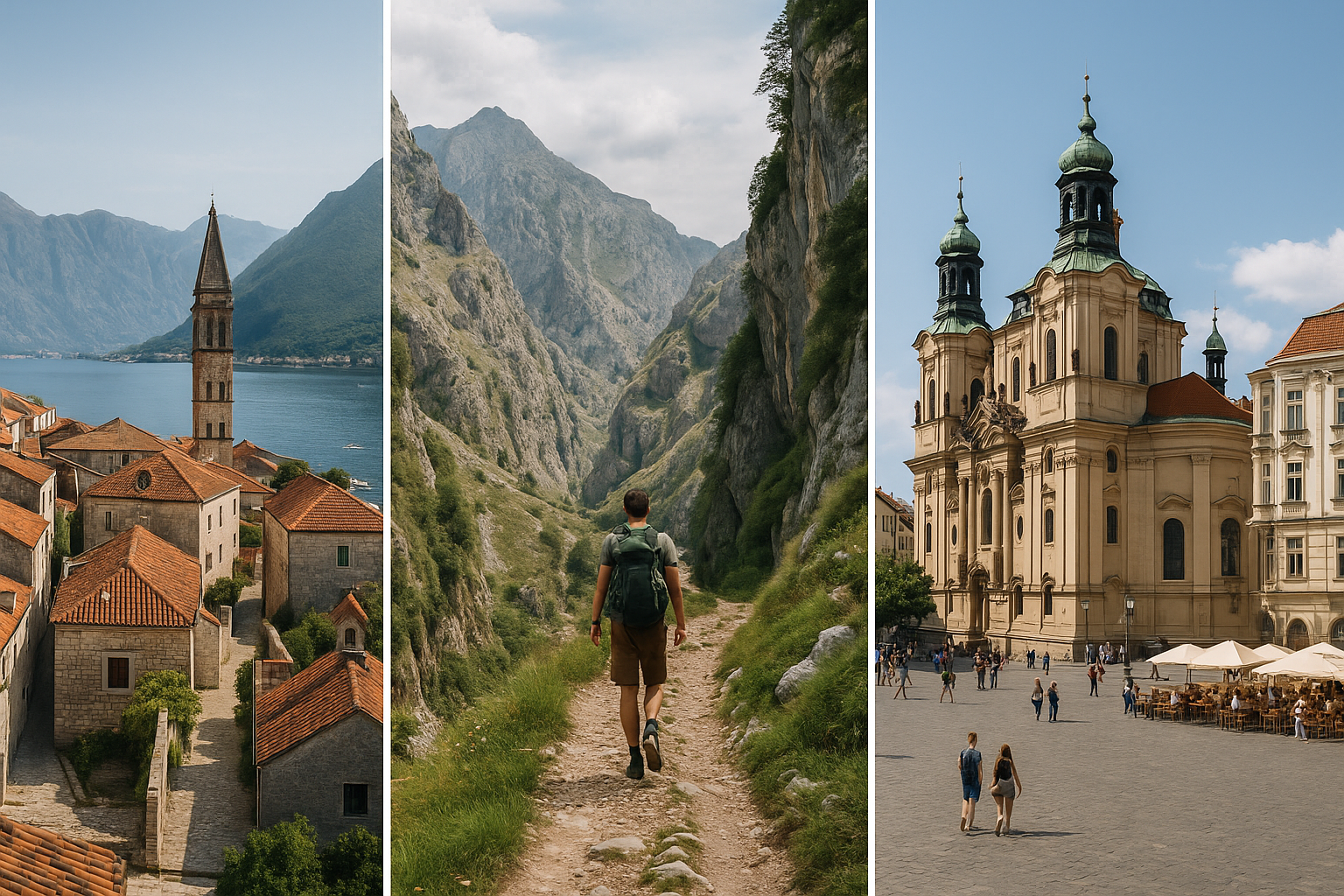
Why Hidden Gem Destinations in Europe (and Beyond) Are Worth the Extra Research
There’s a particular kind of satisfaction that comes from arriving somewhere and realising the crowds haven’t found it yet. You’re not queuing for a photo. You’re not navigating a street so packed it feels like a festival. You’re just… there, actually experiencing a place. That’s the promise of genuine hidden gem destinations in Europe — and the same spirit applies wherever you travel. This guide covers three places that consistently reward the traveler willing to go slightly off-script: Korčula in Croatia, the Peak District in the UK, and the Berkshires in Massachusetts. The first two sit firmly in Europe; the third is a transatlantic addition that shares the same off-the-beaten-path energy. All three offer something the obvious choices rarely deliver: the feeling that you’ve actually arrived somewhere real.
Korčula, Croatia: The Dalmatian Island That Doesn’t Need to Shout
Pronounced KOR-chew-lah, this small Dalmatian island covers around 276 square kilometres and sits in proximity to both Dubrovnik and Hvar — two destinations that attract enormous attention. Korčula, by contrast, receives decidedly less airtime. That’s not because it’s lesser. It’s simply quieter, and for a young traveler who wants authentic culture over Instagram queues, that distinction matters enormously.
What Makes Korčula Different
The old town is the kind of place you wander into and immediately slow down. Narrow lanes wind between stone buildings, the atmosphere is easygoing, and the sense of history sits comfortably in the background rather than being packaged and sold back to you. Korčula offers quiet beaches, genuinely unspoiled landscapes, and a crowd-free environment that’s increasingly rare anywhere along the Adriatic coast.
For active travelers, the island has real options. Kayaking and windsurfing are both available, and the surrounding waters make water sports a natural part of any visit. The landscape beyond the old town rewards exploration on foot — the island’s interior is green and largely undeveloped, which means hiking here feels like discovery rather than following a marked tourist circuit.
The island has a safe environment and stunning natural beauty, and it carries the kind of charm that tends to make travelers wish they’d stayed longer. If you’re planning a Dalmatian coast trip and trying to decide where to base yourself, Korčula is worth serious consideration over its more famous neighbours. According to Condé Nast Traveler, it’s a destination rich in fascinating history and culture — and one that still feels genuinely undiscovered.
Where to Stay in Korčula
For the kind of stay that actually connects you to a place, look beyond the standard hotel options. Small family-run guesthouses are common on the island and tend to offer a level of personal hospitality that larger properties simply can’t match. Staying with a local family — or renting a private apartment through a local host — puts you inside the rhythms of island life rather than observing them from a distance.
If you’re traveling on a tighter budget, the island has options at various price points, and visiting outside the peak summer months can open up accommodation that would otherwise be fully booked or significantly more expensive. The old town itself is the most atmospheric place to base yourself, though rooms there tend to book out early during summer. Arriving in late spring or early autumn may give you a better chance of securing a central spot at a more manageable price — and you’ll likely have the lanes largely to yourself.
Local Experiences Worth Seeking Out
The best experiences in Korčula aren’t the ones listed at the top of every travel aggregator. They’re the ones you find by walking further than the obvious route, eating where the locals eat, and asking your host what they’d actually recommend. The island has a food culture rooted in fresh seafood and Dalmatian traditions — seek out smaller konobas (traditional Croatian taverns) rather than the restaurants positioned directly on the tourist trail. The difference in both quality and price tends to be noticeable.
The waters around the island are genuinely beautiful for swimming, and the combination of clear Adriatic sea and relatively uncrowded beaches makes this one of the more compelling reasons to choose Korčula over its neighbours. Water sports enthusiasts will find enough to keep them busy, and those who simply want to float in warm water and read a book will find that equally achievable.
The Peak District, UK: Where the Countryside Feels Like It Belongs to You
Sitting between Manchester and Sheffield, the Peak District is one of those places that people who’ve been there tend to talk about with a quiet kind of enthusiasm. It’s not showy. It doesn’t have a single iconic landmark that ends up on every travel poster. What it has is landscape — rolling moorland, dramatic valleys, stone-walled villages, and an atmosphere that feels genuinely removed from city life even though two major cities sit on its doorstep.
Getting Into the Landscape
The Peak District is fundamentally a place for people who want to move through a landscape rather than simply look at it. Walking is the primary activity, and the network of paths across the moors and through the valleys offers everything from short afternoon strolls to full-day routes that leave your legs genuinely tired. The terrain varies considerably across the region — the northern Dark Peak tends toward wilder, more exposed moorland, while the southern White Peak offers gentler limestone dales and more sheltered walking.
Beyond hiking, the area has a strong tradition of outdoor activity more broadly. Cycling routes wind through the valleys, and the landscape attracts climbers, particularly around the gritstone edges that characterise parts of the region. Villages like Castleton, Bakewell, and Edale each have their own character and make good bases for exploring the surrounding countryside without needing to drive far.
The Peak District’s official visitor resource covers trail maps, accommodation listings, and seasonal event information — worth bookmarking before you go.
Where to Stay in the Peak District
Village stays are the natural choice here, and the Peak District has no shortage of options. Traditional stone-built B&Bs and guesthouses are common across the main villages, and staying in one gives you immediate access to the countryside without needing to travel far each morning. For budget travelers, the region has youth hostels in some of its most scenic locations — staying in one positioned directly on a walking route means you can be out on the moors within minutes of breakfast.
Self-catering cottages are another popular option, particularly for small groups who want the flexibility of cooking their own meals and setting their own pace. The Peak District rewards slow travel — the kind of trip where you don’t have a packed itinerary, just a general direction and the willingness to see what’s around the next hill. An extended stay in a rented cottage suits that approach well.
Visiting outside the busiest summer weekends tends to make a meaningful difference to both cost and experience. The landscape has its own character across different seasons, and the quieter months can offer a more immersive version of the place.
Eating and Living Like a Local
The Peak District has a food culture tied to its agricultural roots. Village pubs serving hearty, locally sourced food are a fixture of the landscape, and a good pub lunch after a long morning walk is one of those simple pleasures that’s hard to improve on. Bakewell is known for its pastries — the Bakewell pudding (distinct from the tart that took its name) is genuinely worth trying in the town where it originated. Farmers’ markets and local food producers operate across the region, and the quality of locally produced cheese, meat, and baked goods tends to be high.
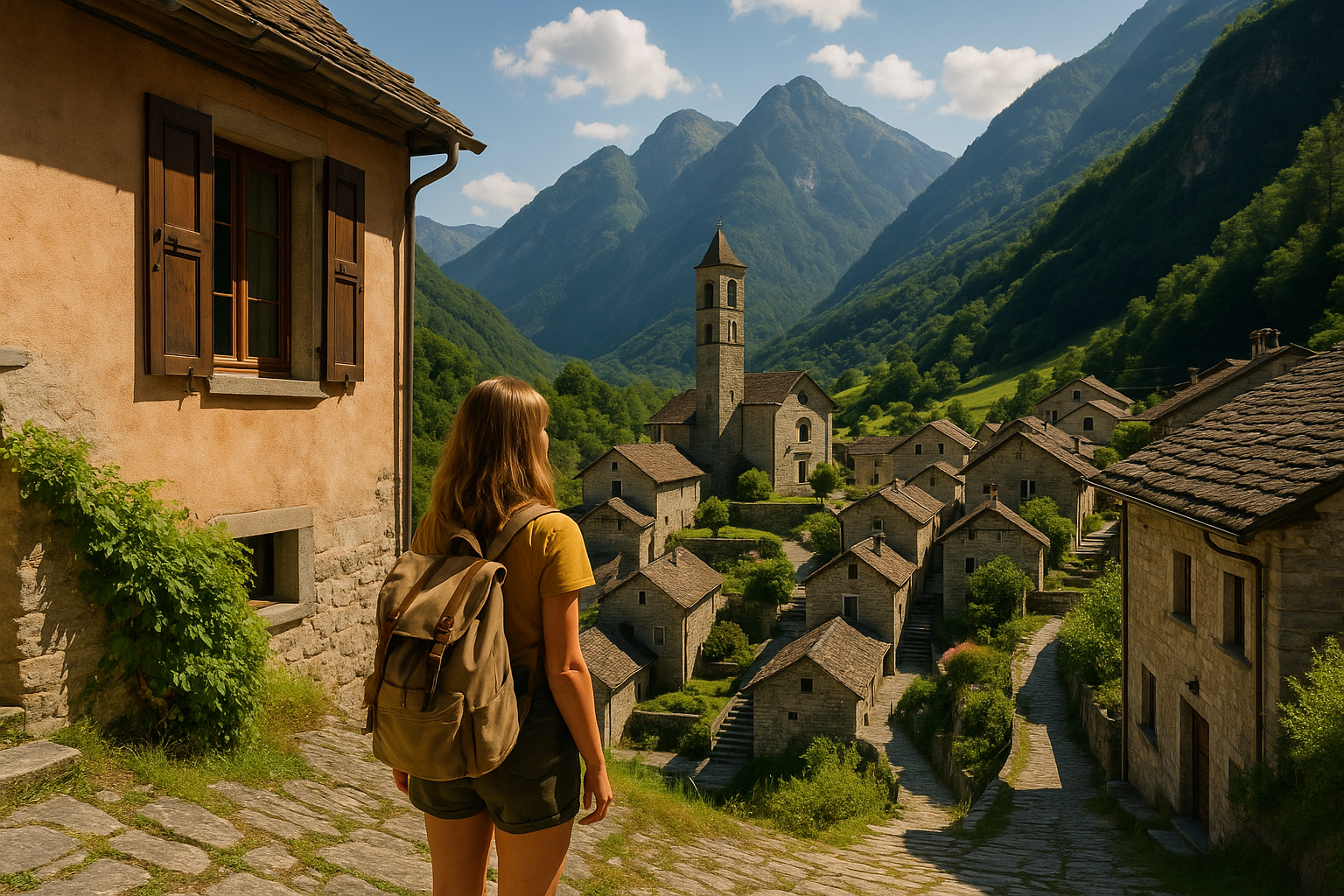
The Berkshires, Massachusetts: Art, Nature, and a Different Kind of Escape
The Berkshires sit in the far western corner of Massachusetts, a region of wooded hills, small towns, and a cultural life that feels disproportionately rich for an area of its size. It’s not a European destination — that’s worth being clear about — but it carries the same spirit as the best hidden gem destinations in Europe: authentic, relatively undiscovered by mass tourism, and deeply rewarding for travelers who value experience over spectacle.
What the Berkshires Offer
The region has a long association with the arts, and summer brings a concentration of cultural programming — music, theatre, dance, and visual arts — that draws visitors from across the northeast. This isn’t a manufactured tourist attraction; it’s a genuine cultural ecosystem that has developed organically over many decades. Towns like Lenox, Stockbridge, and Great Barrington each have their own identity, and spending time across several of them gives you a more complete picture of the region than any single stop would.
The natural landscape is the other major draw. The Berkshire Hills are covered in state forests and hiking trails, and the region offers everything from easy waterfall walks to more demanding ridge routes. Autumn is a particularly compelling time to visit — the deciduous forests turn through a full range of warm colours, and the combination of cultural programming winding down and landscape at its most dramatic creates a specific kind of atmosphere that’s hard to find elsewhere on the East Coast.
Swimming holes, cycling routes along converted rail trails, and access to rivers and lakes make the warmer months equally appealing for active travelers. The Berkshires rewards the kind of trip where you alternate between outdoor activity during the day and cultural experience in the evening.
Where to Stay in the Berkshires
The most characteristic accommodation in the Berkshires tends to be independent inns and B&Bs rather than chain hotels. These range from genuinely budget-friendly options to more upscale historic properties, and the quality of hospitality in the smaller establishments is generally high. For travelers watching their spending, the towns of Great Barrington and North Adams tend to offer more affordable options than Lenox, which attracts a slightly more upscale crowd.
Camping is another viable option — the state forests across the region have established campgrounds, and spending a night or two under the Berkshire sky is an experience that fits naturally with the outdoor character of the place. For groups, vacation rentals in the smaller towns can offer good value, particularly if you’re sharing costs across several people.
Eating and Exploring Beyond the Obvious
The Berkshires have a strong farm-to-table food culture, and the density of good independent restaurants relative to the region’s size is genuinely impressive. Farm stands along the back roads sell seasonal produce through the warmer months, and the local diner culture in the smaller towns offers unpretentious, satisfying food at prices that won’t strain a travel budget.
The best way to experience the Berkshires is to resist the urge to plan every hour. Drive the back roads. Stop when something looks interesting. Walk into the town you didn’t intend to visit. The region rewards spontaneity in a way that more heavily touristed destinations rarely can — because when a place isn’t overwhelmed with visitors, it still has space for the unexpected.
Practical Advice That Applies to All Three Destinations
Timing Your Visit
All three of these destinations have peak seasons that bring higher prices and more competition for accommodation. Traveling outside those windows — whether that means spring rather than summer, or early autumn rather than the height of the season — tends to offer a meaningfully different experience. You’ll find accommodation more available, prices more manageable, and the places themselves more willing to reveal their quieter character.
This doesn’t mean avoiding summer entirely. It means being strategic about when within the season you visit, and being open to the idea that a destination in October or April might offer something genuinely different from the same place in August.
Accommodation Philosophy
Across all three destinations, the most rewarding stays tend to come from choosing locally owned accommodation over international chains. A family guesthouse in Korčula, a stone-built B&B in a Peak District village, or an independent inn in the Berkshires — each of these puts you in closer contact with the actual character of a place than a standardised hotel room ever could. The hosts often become an informal guide to the best local experiences, and that kind of knowledge is genuinely valuable.
Going Deeper Than the Surface
The common thread running through Korčula, the Peak District, and the Berkshires is that they all reward travelers who are willing to slow down and pay attention. These aren’t destinations that deliver their best moments immediately and obviously. They open up gradually, through repeated walks down the same streets, through conversations with locals, through the kind of unhurried exploration that’s only possible when you’re not trying to see six things before lunch.
That’s ultimately what makes them worth the detour. Not the specific sights or activities — though those are genuinely good — but the quality of presence they invite. You leave these places not with a checklist completed, but with a feeling of having actually been somewhere. That’s a harder thing to find than it sounds, and it’s exactly what the best travel is for.
The Bigger Picture: Why These Places Matter Now
Overtourism is a real and growing problem in Europe’s most iconic destinations. The crowds at the most photographed spots are not getting smaller, and the experience of visiting many famous places has become increasingly mediated by the sheer volume of other visitors doing the same thing at the same time. Choosing destinations like Korčula — one of the most compelling hidden gem destinations in Europe — or the Peak District over more saturated alternatives isn’t just good for your own experience. It distributes the economic benefits of tourism more broadly and takes pressure off communities that are genuinely struggling with visitor volumes.
Traveling thoughtfully means asking not just where you want to go, but what kind of traveler you want to be when you get there. The three destinations in this guide offer a clear answer to both questions: go somewhere that still has space for you, and show up with the curiosity and respect that a place like that deserves. The memories you bring home from a quiet Dalmatian island, a moorland village in northern England, or a forested corner of New England tend to be the ones that last longest — precisely because they were genuinely yours.
This article was produced with AI assistance and reviewed editorially.


City Guides for Young Travelers: Buenos Aires, Quito, and Trujillo (Culture, Food & Adventure)

Where to Stay in Southern Africa: Botswana, Namibia & Madagascar for First-Time Visitors


