
Africa
Where to Stay in Southern Africa: Botswana, Namibia & Madagascar for First-Time Visitors
Discover where to stay in Southern Africa across Botswana, Namibia, and Madagascar. A practical guide to hostels, guesthouses, and eco-lodges for first-time visitors.

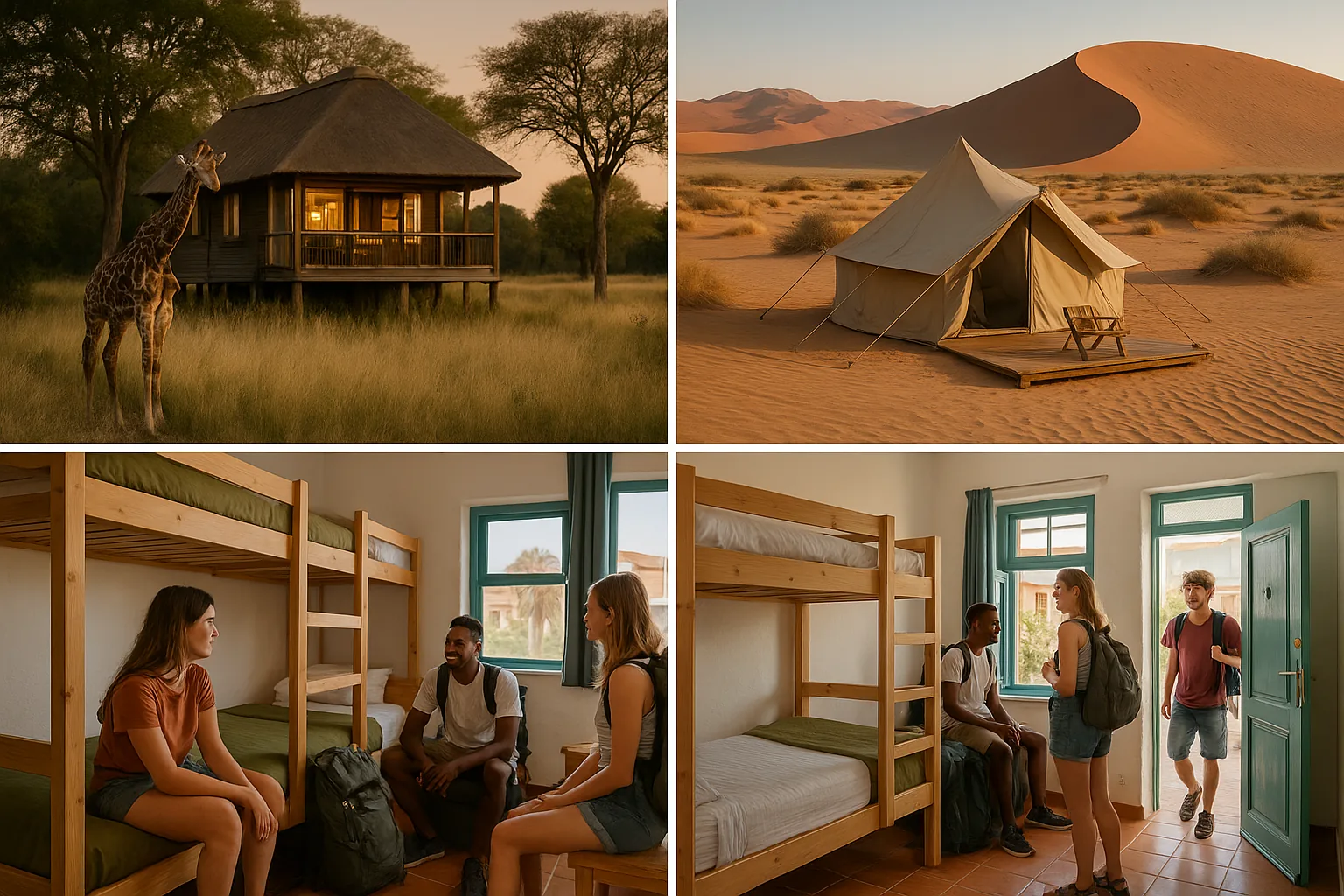
Where to Stay in Southern Africa: Your First-Time Guide to Botswana, Namibia, and Madagascar
Deciding where to stay in Southern Africa is one of the most exciting — and occasionally overwhelming — parts of planning your first trip to this part of the world. Three destinations in particular stand out for first-time visitors: Botswana, Namibia, and Madagascar. Each one offers something completely different, from the red dunes of the Namib Desert to the uncrowded safari camps of the Okavango Delta to the wild, reef-fringed islands of the Indian Ocean. The good news? All three are genuinely accessible for young travelers, even if you’ve never set foot on the African continent before. This guide breaks down what to expect, where to base yourself, and how to find accommodation that fits your budget and your sense of adventure.
Why These Three Destinations Work for First-Time Visitors
Not every African country is equally easy to navigate when you’re traveling for the first time. Botswana and Namibia are consistently recommended by experienced travelers as some of the most approachable entry points into the continent. Both countries have solid tourist infrastructure, a strong English-speaking presence, and relatively low crime rates compared to other regions — which makes a real difference when you’re figuring things out on the fly.
Namibia draws you in with its otherworldly landscapes. Think towering red dunes, vast desert silence, and wildlife encounters that feel intimate rather than crowded. Botswana, meanwhile, is famous for offering some of the most uncrowded safaris anywhere in Africa — a conscious choice the country has made to protect its ecosystems and keep the experience genuinely wild. Madagascar sits in a category of its own: an island nation off the southeastern coast of Africa with its own unique ecosystem, culture, and pace of life. It’s technically part of the Indian Ocean region, but it pairs beautifully with a Southern Africa itinerary if you have the time.
Together, these three destinations give you desert, delta, and ocean. They reward curiosity and patience. And they’re all places where the way you choose to stay — not just where — shapes the entire experience.
Namibia: From Windhoek Guesthouses to Desert Camps
Starting in Windhoek
Almost every Namibia trip begins in Windhoek, the capital city. It’s compact, walkable in the central areas, and easy to get your bearings in. For young travelers, the city’s guesthouses and backpacker hostels are clustered mainly in the quieter residential neighborhoods just outside the central business district. These areas tend to feel safe and calm, with easy access to restaurants, supermarkets, and transport connections.
Hostels in Windhoek are a great place to meet other travelers heading in the same direction — many people are either starting or finishing road trips through the country, so the common rooms tend to have a lively, information-sharing energy. Guesthouses offer a step up in privacy without jumping to full hotel prices. Many are family-run, which means you’ll often get local knowledge that no guidebook can replicate: which petrol stations are reliable on the road south, where to grab a local breakfast, which car rental company actually treats young drivers fairly.
Sossusvlei and the Desert
Sossusvlei is where Namibia’s landscape becomes genuinely surreal. The dunes here are among the tallest in the world, and the light at sunrise and sunset turns everything into shades of orange and copper that you’ll be thinking about for years. Accommodation in this region ranges from basic campsites inside the national park to mid-range desert lodges just outside the gates.
Camping is by far the most affordable option, and it comes with the bonus of waking up in total silence with a sky full of stars above you. If you’re comfortable with self-catering and basic facilities, it’s one of the most memorable ways to experience the desert. Budget lodges nearby offer en-suite rooms and often include breakfast, which matters when you’re planning early morning dune climbs. Book as far ahead as you can — this area fills up fast, especially during the cooler months when conditions are most comfortable for hiking.
Swakopmund: The Coastal Base
Swakopmund sits on Namibia’s Atlantic coast and has a distinctly different character from the rest of the country. It’s a small town with a quirky colonial-era architecture, a strong adventure sports scene, and a surprisingly vibrant café culture. For young travelers, it works brilliantly as a two or three-night base.
Accommodation here skews affordable. There are well-established backpacker lodges that cater specifically to the under-30 crowd, with dorm beds, communal kitchens, and notice boards covered in tour recommendations. Guesthouses are plentiful and reasonably priced. The town is compact enough to explore on foot, and the ocean is right there — cold, dramatic, and completely wild. Activities like sandboarding, quad biking, and kayaking with marine wildlife are all bookable locally, often through your accommodation.
👉 Read also: Where to Stay in 15 Underrated Destinations Across Asia, Europe & Latin America (2026 Guide)
Botswana: Safari Camps and City Guesthouses
Gaborone as Your Gateway
Gaborone doesn’t always make it onto the highlight reel of Botswana itineraries, but it’s a perfectly pleasant city to spend a day or two in before heading out into the wild. It’s calm, relatively easy to navigate, and has a good selection of guesthouses aimed at both business travelers and backpackers. The central areas have everything you need: ATMs, sim card shops, markets, and transport connections.
If you’re on a tight budget, look for smaller guesthouses run by local families rather than chain hotels. They’re often better value, more personal, and far more interesting. Many owners are happy to help you plan the next leg of your journey, connect you with reliable transport options, or simply share what life in Botswana actually looks like beyond the safari circuit.
The Okavango Delta Region
This is the part of Botswana that most people come for, and rightly so. The Okavango Delta is one of the most extraordinary ecosystems on the planet — a vast inland delta where the Okavango River fans out into a labyrinth of channels, islands, and floodplains teeming with wildlife. Botswana has deliberately kept tourism here low-volume and high-quality, which means the experience feels nothing like a crowded national park.
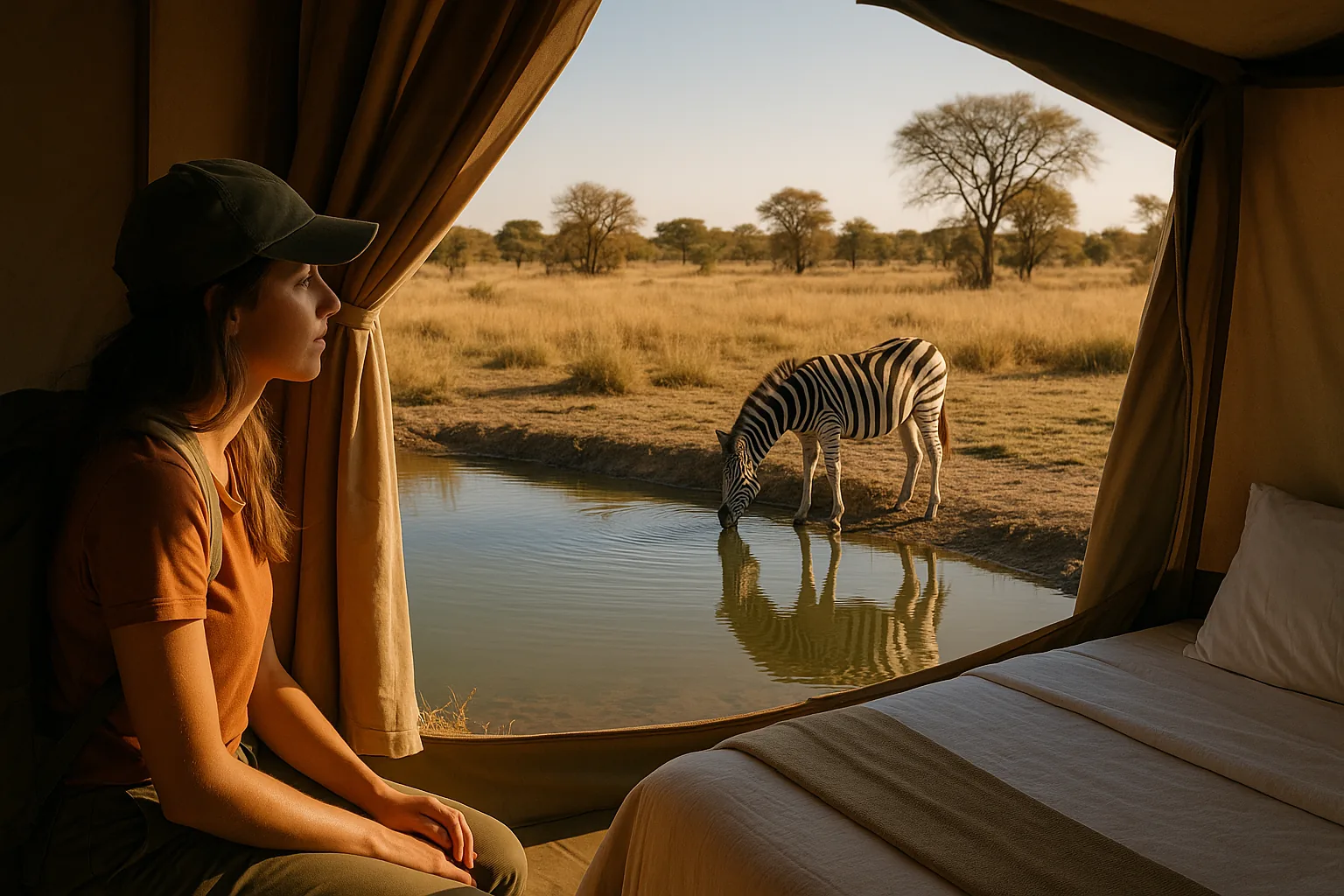
Accommodation in the delta region ranges from community-run campsites to mid-range tented camps. The tented camps are the sweet spot for many young travelers: they’re immersive, they put you right in the middle of the wilderness, and they’re significantly cheaper than the luxury lodges that dominate the higher end of the market. Some community-based camps also offer the chance to connect with local guides and communities in a way that genuinely benefits the people living there — which is exactly the kind of travel experience worth seeking out.
Getting into the delta often involves a combination of road transfers and traditional mokoro (dugout canoe) journeys through the channels. It’s one of those travel experiences that slows you down in the best possible way. You’re not rushing anywhere. You’re watching a hippo surface ten meters from your canoe and trying to remember to breathe.
For practical planning, check resources like Lonely Planet’s Botswana guide for up-to-date advice on camp bookings and access routes into the delta region.
Madagascar: Islands, Cities, and Something Completely Different
Antananarivo: The Capital as a Starting Point
Antananarivo — or Tana, as most people call it — is where almost every Madagascar trip begins. It’s a city of steep hills, colorful markets, and a layered history that reflects both indigenous Malagasy culture and French colonial influence. It can feel a little chaotic when you first arrive, which is part of what makes it interesting.
Budget accommodation in Tana tends to cluster around the central Haute-Ville area and the lower commercial districts. Small guesthouses and family-run auberges are common, affordable, and often serve genuinely good Malagasy food. Don’t rush through Tana just to get to the beaches — spend at least a full day wandering the markets, trying street food, and getting a feel for a city that most tourists skip too quickly.
Madagascar is not as straightforward to navigate as Botswana or Namibia, and that’s worth knowing before you go. Infrastructure can be unpredictable, transport connections between regions take longer than you’d expect, and some areas require more flexibility in your plans. That’s not a reason to avoid it — it’s a reason to build in extra time and approach it with an open mind.
Nosy Be: The Island Experience
Nosy Be is Madagascar’s most popular island destination, sitting off the northwest coast in the Indian Ocean. It’s accessible by flight from Antananarivo, which makes it a realistic add-on even for shorter trips. The island has a laid-back, tropical character — beaches, coral reefs, spice plantations, and a pace of life that encourages you to slow down.
Accommodation on Nosy Be ranges from basic bungalows on the beach to mid-range guesthouses in the main town of Hell-Ville (yes, that’s really what it’s called — and it’s considerably nicer than the name suggests). For young travelers on a budget, the beach bungalow option is often the most appealing: simple, close to the water, and usually run by local families who can arrange snorkeling trips, boat excursions, and island-hopping adventures.
👉 Read also: Where Young Travelers Stay: 15 Hidden Gem Destinations Across Europe, Asia & Beyond (2026)
The marine life around Nosy Be is exceptional. Whale sharks pass through seasonally, the coral reefs are alive and colorful, and the smaller surrounding islands are worth exploring by boat. It’s the kind of place where you plan to stay three nights and end up staying a week.
For broader context on traveling the Indian Ocean island region, World Nomads’ Madagascar travel guide offers useful safety and practical travel information worth reading before you book.
Practical Advice: Making the Most of Your Accommodation Choices
Booking Strategies That Actually Work
Across all three destinations, booking accommodation in advance is strongly recommended for peak periods — generally the dry season months when wildlife viewing is at its best and temperatures are most comfortable for outdoor activities. In Namibia and Botswana, this typically means the cooler, drier months of the year. In Madagascar, timing depends on which part of the island you’re visiting, as weather patterns vary significantly by region.
That said, don’t over-plan every night. Some of the best accommodation finds happen when you’re flexible — a guesthouse owner who offers you a room and ends up becoming your guide for the day, or a campsite that wasn’t on your radar but turns out to be exactly what you needed. Leave some nights open, especially in the middle of your trip when you’ve found your rhythm.
Choosing the Right Type of Accommodation
Here’s a simple way to think about it:
- Hostels and backpacker lodges are your best bet for meeting other travelers, sharing transport costs, and getting real-time advice from people who’ve just done the route you’re planning. They work especially well in city bases like Windhoek and Swakopmund.
- Guesthouses offer more privacy and often a more personal connection with local hosts. They’re ideal when you want to feel embedded in a neighborhood rather than passing through it.
- Eco-lodges and tented camps are worth stretching your budget for when you’re in a wilderness area. The experience of sleeping close to nature — hearing the sounds of the bush at night, waking up to birdsong over a delta — is genuinely different from anything you’ll find in a city.
- Community-run campsites are often the most authentic and impactful choice, putting your money directly into local communities while giving you an experience that feels real rather than packaged.
Solo Travel and Safety
All three destinations are visited regularly by solo young travelers, including people on their first solo trip. Botswana and Namibia in particular are widely regarded as among the more straightforward African countries to navigate independently, thanks to good infrastructure, English-language signage and communication, and a generally welcoming attitude toward tourists.
Madagascar requires a bit more caution and preparation, particularly around transport and health precautions. Connecting with other travelers at your guesthouse, using reputable local guides, and keeping flexible plans will serve you well. The key is to stay curious and alert without letting anxiety override the experience.
Wherever you are, your accommodation choice plays a bigger role in your safety than most people realize. Well-reviewed hostels and guesthouses usually have staff who can advise on local conditions, recommend trustworthy transport options, and flag anything you should be aware of. Don’t underestimate the value of that local knowledge.
The Bigger Picture: What Kind of Trip Do You Want?
Southern Africa rewards travelers who are willing to engage with it on its own terms. That means being patient when things don’t go to plan, being curious about the people and places you encounter, and being willing to stay somewhere simple if it means waking up somewhere extraordinary.
The question of where to stay in Southern Africa isn’t just logistical — it’s about what kind of traveler you want to be. Do you want to wake up inside a national park and hear lions calling in the distance? Do you want to cook dinner in a hostel kitchen with a group of strangers who’ll become travel friends by morning? Do you want a beach bungalow where the only sound is the Indian Ocean? All of those experiences are possible across Botswana, Namibia, and Madagascar. Often, on the same trip.
Start with one destination if the whole region feels overwhelming. Build confidence, find your rhythm, and let the place surprise you. The best accommodation is rarely the most expensive or the most photographed — it’s the one that puts you closest to the experience you came for. In Southern Africa, that experience is always worth the journey.
This article was produced with AI assistance and reviewed editorially.


Where to Stay in Southern Africa: Botswana, Namibia & Madagascar for First-Time Visitors

Southeast Asia’s Underrated Cities: Bandung, Malang, and Luang Prabang Beyond the Guidebook


