
Spain
Hidden Gems in Spain’s Island Destinations: Costa del Sol, Menorca, and Gran Canaria Compared
Explore three distinct Spanish island destinations—Costa del Sol’s hidden villages, Menorca’s quiet beaches, and Gran Canaria’s diverse landscapes. Find your perfect Medi

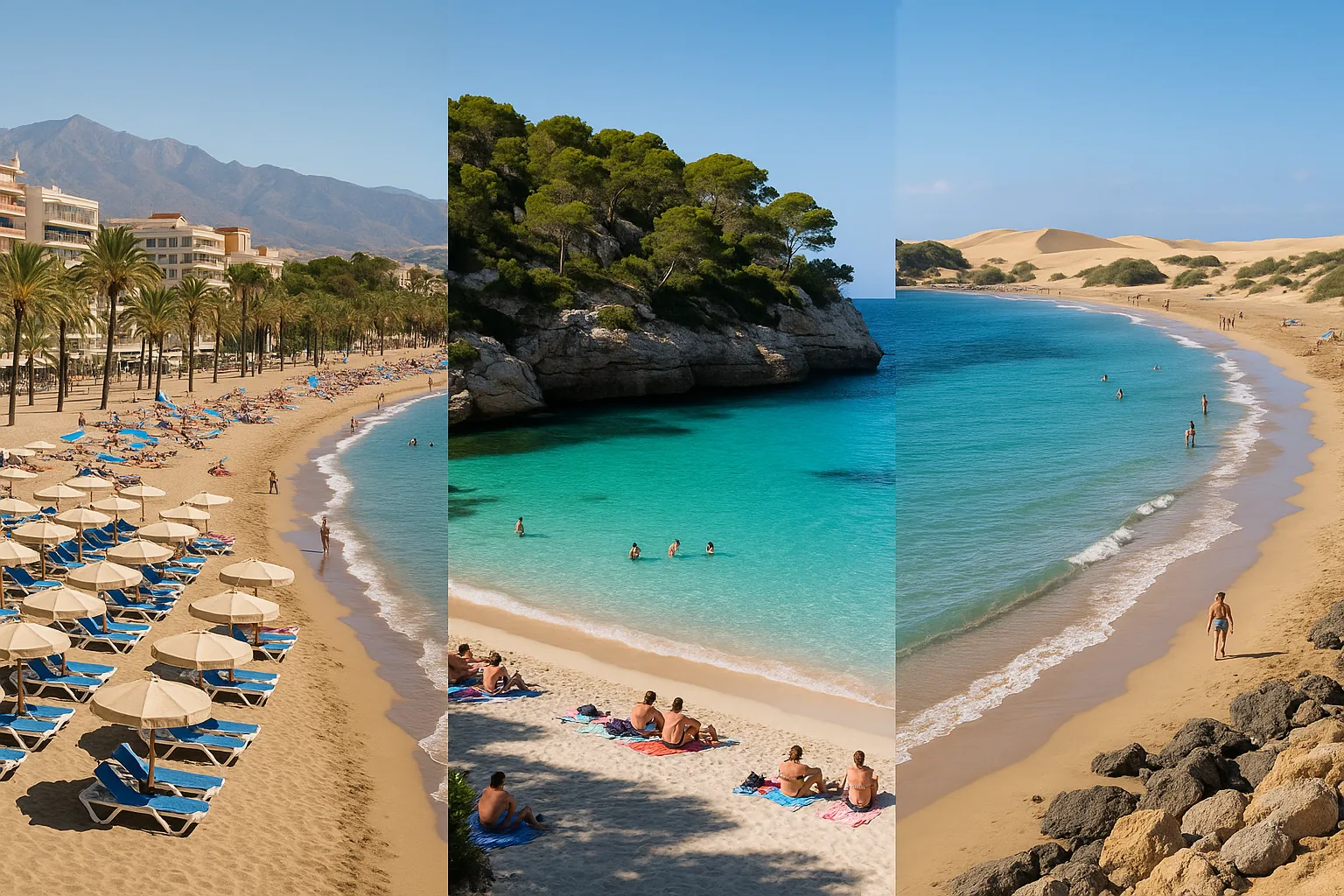
Three Spanish Island Destinations Worth Putting on Your Radar
Spain has a way of surprising you. You think you know what to expect — sunshine, tapas, a beach — and then you arrive somewhere and realize the country is so much more layered than any postcard could suggest. When it comes to spanish island destinations and coastal escapes, three places keep coming up in conversations among young travelers: Costa del Sol in Andalusia, Menorca in the Balearic Islands, and Gran Canaria in the Canary Islands. Each one offers a completely different mood, a different pace, and a different kind of adventure. The question isn’t which one is better. It’s which one is right for you, right now.
This guide breaks down what each destination actually feels like to visit — not just what’s there, but what you’ll experience when you’re standing in the middle of it. Whether you’re planning a solo trip, heading out with friends, or figuring out where to go for your first real European adventure, these three places deserve a serious look.
Costa del Sol: More Than Beaches and Sunburn
Costa del Sol sits along the southern coast of Andalusia, and yes, it’s popular. Very popular. But popularity doesn’t mean there’s nothing left to discover — it just means you have to look a little harder. Most travelers land in Málaga or Marbella and stay close to the shoreline. That’s fine. But the real magic of Costa del Sol reveals itself when you step away from the main drag.
Benalmádena Pueblo: A Village Above the Noise
One of the most rewarding hidden gems along this stretch of coast is Benalmádena Pueblo. While the lower part of Benalmádena near the marina draws crowds, the old village sitting higher up in the hills is a different world entirely. Narrow whitewashed streets, flower-covered balconies, and a quieter rhythm of life that feels genuinely Andalusian. You can wander for an hour without seeing another tourist, grab a coffee in the main square, and feel like you’ve actually arrived somewhere real.
Costa del Sol is also a gateway to some of the most striking white villages in Spain — the so-called pueblos blancos — scattered across the hills of Andalusia. These are places where local life hasn’t been packaged for visitors. Markets happen on weekday mornings. Restaurants don’t have menus in six languages. The pace is slow in the best possible way.
Nature, History, and the Outdoors
Beyond the villages, Costa del Sol has historical sites and nature parks that most visitors completely miss. The coastline is just the beginning. Inland, you’ll find gorges, olive groves, and mountain paths that reward anyone willing to lace up their shoes and explore. If you’re the kind of traveler who wants to earn your sunset view, this region gives you plenty of opportunities to do exactly that.
For practical travel inspiration on the wider Andalusia region, In Spain News is a solid resource for discovering lesser-known corners of the country that don’t always make the highlight reels.
Menorca: The Balearic Island That Chose Quiet
Menorca is part of the Balearic Islands, sitting east of mainland Spain in the Mediterranean. Its neighbors — Ibiza and Mallorca — tend to dominate the conversation. But Menorca has something those islands have largely traded away: space, silence, and a sense that the landscape still belongs to itself.
What Makes Menorca Feel Different
Menorca was designated a UNESCO Biosphere Reserve, and you feel that the moment you leave the airport. The island has deliberately limited the kind of mass development that reshaped other Mediterranean destinations. That means fewer high-rise hotels, fewer packed beach clubs, and more of the rugged, unspoiled coastline that makes the Mediterranean feel genuinely wild.
👉 Read also: Escape the Crowds: Hidden Gems in Capri, Milos & Gran Canaria (2026)
The beaches here are extraordinary. Some are only reachable on foot or by boat, which naturally keeps the crowds thin. You might hike through pine forest for forty minutes and arrive at a cove of turquoise water where you’re one of only a handful of people. That kind of experience is increasingly rare in the Mediterranean, and Menorca still offers it.
Culture, Food, and Getting Around
The island’s two main towns — Maó in the east and Ciutadella in the west — have distinct personalities. Maó has one of the largest natural harbors in the world and a relaxed, slightly bohemian energy. Ciutadella is more baroque and ornate, with a historic center that feels like it belongs in a different century. Both are small enough to explore on foot, and both have local restaurant scenes that reward curiosity.
Menorca’s food culture leans heavily on fresh seafood, local cheeses, and simple preparations that let quality ingredients speak for themselves. Eating well here doesn’t require spending a lot — it requires finding the right place, which usually means following the locals away from the tourist-facing menus near the main squares.
Getting around Menorca is easiest with a rental car or scooter, especially if you want to reach the more remote beaches. The island is small enough that you can drive from one end to the other in under an hour, which makes spontaneous detours genuinely possible. Wander down a dirt track and you might find a beach that doesn’t appear on any map.
Gran Canaria: An Island That Contains Multitudes
Gran Canaria is part of the Canary Islands, an archipelago that sits off the northwest coast of Africa rather than in the Mediterranean. That geography matters. The climate is different — warmer and drier, with a volcanic landscape that looks like nothing else in Spain. Gran Canaria is often described as a continent in miniature, and once you’ve spent a few days exploring it, that description starts to feel accurate.
Hidden Beaches and Natural Wonders
The island’s coastline is full of surprises. Playa Güigüí is one of the most talked-about hidden beaches in Gran Canaria — a remote stretch of black volcanic sand that can only be reached by boat or a serious hike through protected natural park. It’s the kind of place that rewards effort. You don’t stumble across it. You earn it.
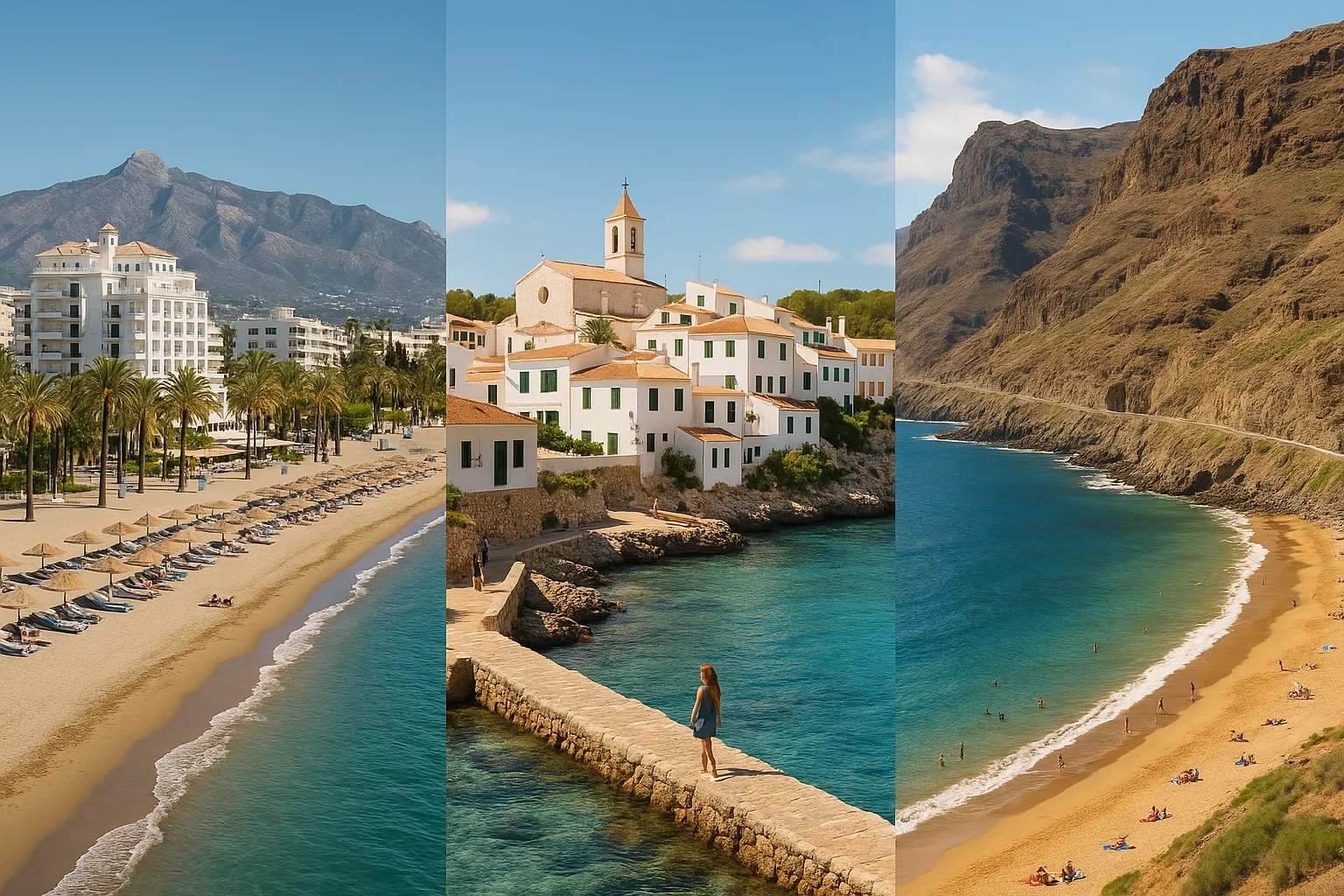
On the east coast near La Garita, El Bufadero is a rock formation that channels the ocean into dramatic jets of spray. It’s not a beach or a viewpoint in the traditional sense — it’s just a strange, powerful piece of coastline that makes you stop and stare. These are the kinds of places that don’t make it onto the standard tourist circuit, which is exactly why they’re worth seeking out.
The Piscinas Naturales de Agaete are natural rock pools on the island’s northwest coast, fed by the Atlantic and framed by dramatic cliffs. On a warm afternoon, swimming here feels like something out of a dream. The Barranco de las Vacas is another geological gem — a canyon carved by ancient water erosion that creates formations resembling a cathedral of rock. You can drive through it, which makes it one of those rare natural wonders that’s both accessible and genuinely spectacular.
Mountains, Villages, and Coffee
Gran Canaria’s interior is where things get really interesting. The island rises sharply from the coast into a mountainous center that feels completely separate from the beach resorts below. Mirador Pico de las Nieves is the highest accessible viewpoint on the island, and watching the sunset from up there — with the clouds stretching out beneath you and the Atlantic glittering in the distance — is one of those experiences you don’t forget quickly.
👉 Read also: Where to Stay in Gran Canaria: Lodging Guide for Beach Towns and Mountain Villages (2026)
El Roque is a small mountain village near the Cuevas del Rey caves, the kind of place that reminds you how much of Spain exists beyond the tourist trail. Life moves slowly here. The architecture is traditional Canarian. The views are extraordinary.
Gran Canaria is also one of the only places in Europe where coffee is actually grown. The plantations in the southwest of the island produce small quantities of high-quality coffee, and visiting them gives you a completely unexpected angle on what this island is capable of. It’s the kind of detail that makes Gran Canaria genuinely surprising — you come for the beaches and you leave talking about the coffee.
For a deeper dive into Gran Canaria’s lesser-known corners, A World of Destinations has an excellent rundown of spots that most visitors completely miss.
Comparing the Three: Which Spanish Island Experience Is Right for You?
These are three very different destinations, and the right choice depends on what you actually want from a trip. Here’s a practical breakdown to help you decide.
If You Want Energy, Culture, and Easy Exploration
Costa del Sol is your starting point. It’s well-connected, relatively easy to navigate, and offers a huge range of experiences within a compact area. You can spend a morning at a beach, an afternoon hiking to a white village, and an evening eating in a place that’s been feeding locals for decades. The infrastructure is solid, which makes it a good choice for first-time travelers to Spain who want variety without too much logistical complexity.
If You Want Space, Nature, and a Slower Pace
Menorca is the answer. It’s the kind of destination that rewards travelers who are willing to slow down and let a place reveal itself. You won’t be rushing between attractions. You’ll be sitting on a quiet beach, eating well, and wondering why you don’t travel like this more often. It suits solo travelers and small groups who value quality of experience over quantity of activities.
If You Want Diversity, Adventure, and the Unexpected
Gran Canaria is in a category of its own. The sheer variety of landscapes — volcanic mountains, desert dunes, lush valleys, dramatic coastline — means you can have a completely different experience every day of your trip. It’s also a year-round destination thanks to its climate, which makes it a smart choice if you’re traveling outside the typical summer window. The hidden gems here are genuinely hidden, and finding them feels like a real adventure.
Practical Things to Know Before You Go
- Getting there: All three destinations are well-served by European budget airlines, making them accessible without a massive flight budget. Gran Canaria is slightly further, which can affect prices, but deals are consistently available.
- Best time to visit: Costa del Sol and Menorca are best in spring and early autumn, when the crowds thin and the weather remains warm. Gran Canaria is genuinely good year-round — the Canary Islands have a mild, stable climate that makes winter travel entirely reasonable.
- Accommodation: All three destinations offer a wide range of options, from hostels and guesthouses to boutique hotels and self-catering apartments. Booking further in advance matters more for Menorca, which has fewer beds overall and fills up quickly in summer.
- Getting around: A rental car opens up all three destinations significantly. In Costa del Sol, public transport along the coast is decent, but inland exploration is much easier with your own wheels. In Gran Canaria, a car is almost essential for reaching the island’s interior and hidden beaches.
- Budget: Eating and drinking locally keeps costs manageable across all three destinations. Markets, local bars, and restaurants away from the tourist centers offer much better value — and usually much better food.
The Bigger Picture: Why These Spanish Island Destinations Matter
What makes these three places worth comparing isn’t just that they’re beautiful — it’s that they represent genuinely different philosophies of travel. Costa del Sol shows you how a well-developed destination can still hide real depth if you’re willing to look. Menorca demonstrates that choosing to protect a place rather than exploit it creates something more valuable in the long run. Gran Canaria proves that an island can contain entire worlds within its borders, and that the best discoveries are often the ones you have to work for.
As spanish island destinations go, these three sit at different points on the spectrum between accessible and adventurous, between well-known and genuinely undiscovered. None of them will disappoint a traveler who approaches them with curiosity and a willingness to wander off the obvious path. The version of Spain that most people see from a sun lounger is fine. But the version waiting in the hills, the hidden coves, the mountain villages, and the volcanic interiors — that’s the one worth chasing.
Pick one. Start planning. And remember that the best part of any trip is rarely the part you planned for.
This article was produced with AI assistance and reviewed editorially.


Hidden Gems in Spain’s Island Destinations: Costa del Sol, Menorca, and Gran Canaria Compared

The Best Travel Backpacks for 2026: Tortuga Pro Review & Buyer’s Guide


