
North America
US Road Trip Hotspots: Michigan, Florida & Mountain Towns Worth the Detour (2026)
Explore compelling US road trip destinations including Michigan’s northern beauty, Florida’s entertainment, and mountain towns like Telluride with practical travel tips.

Why These US Road Trip Destinations Belong on Your 2026 List
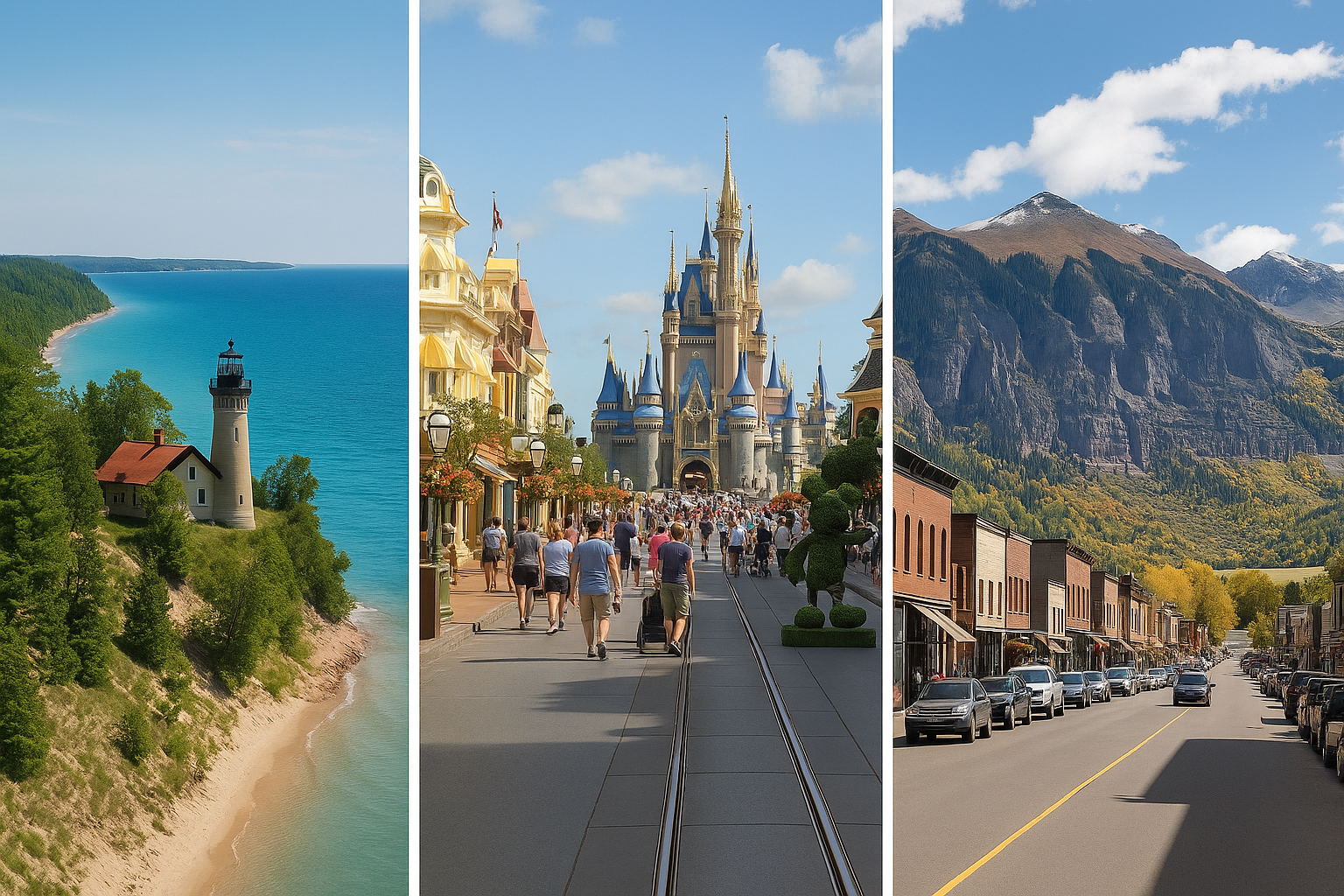
Some trips you plan down to the minute. Others you figure out as you go, windows down, playlist on shuffle, coffee going cold in the cupholder. The best US road trip destinations tend to reward both kinds of traveler — the obsessive planner and the spontaneous wanderer alike. Michigan’s northern stretches, Florida’s sun-soaked south, and the mountain towns tucked into the Appalachians and Rockies each offer something genuinely different. Together, they make a case for why the American road trip is still one of the most compelling ways to see the world — or at least a very significant chunk of it.
This guide breaks down what makes each region worth the drive, what to actually do when you get there, and how to think about timing so you don’t show up in the wrong season with the wrong gear. No fluff, no filler — just the kind of practical, experience-first advice you’d want from someone who’s actually been.
Michigan: The Northern Route That Surprises Everyone
Most people picture Michigan and think of Detroit, maybe the Great Lakes in a vague, abstract way. But drive north — really north — and you’ll find a version of the state that feels almost Scandinavian in its quiet beauty. Forests, freshwater, small towns with genuine character, and food stops that are worth planning your route around.
Traverse City: More Than Just Cherry Festivals
Traverse City sits on the eastern arm of Grand Traverse Bay and has quietly become one of the most compelling small cities in the Midwest. Yes, there are cherries — the region produces a significant portion of the country’s tart cherry crop — but the food and drink scene has grown well beyond that. Local wineries line the Old Mission Peninsula, breweries cluster near the waterfront, and the farmers’ markets here are the kind where you actually want to linger.
What makes Traverse City work as a road trip stop is that it doesn’t feel like it’s performing for tourists. The coffee shops are good because locals demand good coffee. The restaurants source locally because that’s just what you do here. Spend a morning at the market, rent a kayak in the afternoon, and watch the sun go down over the bay from somewhere you found on your own. That’s the Traverse City experience.
Torch Lake: One of the Most Underrated Freshwater Spots in the Country
If you haven’t heard of Torch Lake, you’re not alone — and that’s part of the appeal. Often compared to tropical Caribbean waters for its clarity and color (yes, really), Torch Lake sits in the northwestern Lower Peninsula and draws a devoted crowd of people who mostly want to keep it to themselves. The water runs turquoise in summer, the kind of blue you’d expect in the Mediterranean rather than Michigan.
There’s no massive resort infrastructure here. That’s a feature, not a bug. Rent a paddleboard, find a quiet stretch of shore, and let the afternoon disappear. If you’re road tripping through northern Michigan, building Torch Lake into your route adds maybe thirty minutes and is absolutely worth it.
Good Hart: A 1930s General Store and a Reason to Slow Down
Good Hart is the kind of place that reminds you why road trips beat airports. This tiny community on the northwest coast of the Lower Peninsula is home to a general store that dates back to the 1930s — the kind of spot where you can grab a sandwich, browse local goods, and have a conversation with someone who’s been coming here for decades. It’s not a tourist attraction in any manufactured sense. It’s just a real place with real history, and it happens to be sitting along one of the most scenic drives in the state.
The surrounding area offers access to Lake Michigan beaches that feel genuinely wild and uncrowded, even in summer. Drive the stretch between Petoskey and Cross Village on M-119 — known locally as the Tunnel of Trees — and you’ll understand why people build entire road trips around this corner of the country.
When to Go and How to Think About the Route
Late June through early September is the sweet spot for northern Michigan. The weather is warm enough for water activities, the days are long, and the produce is at its peak. Fall — particularly September into October — brings spectacular color and significantly fewer crowds. If you’re driving up from Detroit or Chicago, the western Lake Michigan shoreline offers a natural corridor that connects several worthwhile stops in a single route.
For more inspiration on Michigan food stops and road trip snacks worth building your itinerary around, Ever After in the Woods has a solid 2026 guide that covers some of the region’s most character-filled stops.
South Florida: Sun, Coast, and a Road Trip Energy All Its Own
Florida road trips operate on a different frequency. The landscape is flat, the light is intense, and the culture shifts dramatically depending on which stretch of coast you’re on. South Florida, in particular, offers a road trip experience that’s genuinely hard to replicate anywhere else in the country.
The Overseas Highway: One of the Most Iconic Drives in America
If you’ve never driven the Overseas Highway — the 113-mile stretch of US-1 that connects the Florida mainland to Key West through a chain of islands — add it to your list immediately. The road crosses dozens of bridges over open water, with the Atlantic on one side and the Gulf of Mexico on the other. It’s one of those drives where you’ll find yourself pulling over constantly just to stare at the view.
Key Largo, Islamorada, Marathon, Big Pine Key — each island has its own character. Some are busy with dive shops and seafood restaurants; others are quiet enough that you can find a beach with almost no one on it. Key West at the end of the road is a world unto itself: colorful, chaotic in the best way, and full of places to eat, drink, and watch the famous sunset from Mallory Square.
The Everglades: A Different Kind of Florida
Most people drive past the Everglades on their way to somewhere else. That’s a mistake. This vast, slow-moving river of grass is one of the most ecologically distinct places in North America, and even a half-day detour can completely reshape how you think about Florida’s landscape. Airboat tours, walking trails through cypress swamps, and the chance to spot alligators, manatees, and an extraordinary variety of birds — this is Florida stripped of its theme park gloss, and it’s genuinely compelling.
Combine the Everglades with a drive down to the Keys and you have a South Florida road trip that covers everything from raw wilderness to vibrant coastal culture. AAA’s updated 2026 road trip guide lists South Florida among the most popular US road trip destinations for good reason — the combination of accessibility, variety, and year-round appeal is hard to beat.
Miami as Your Base or Your Starting Point
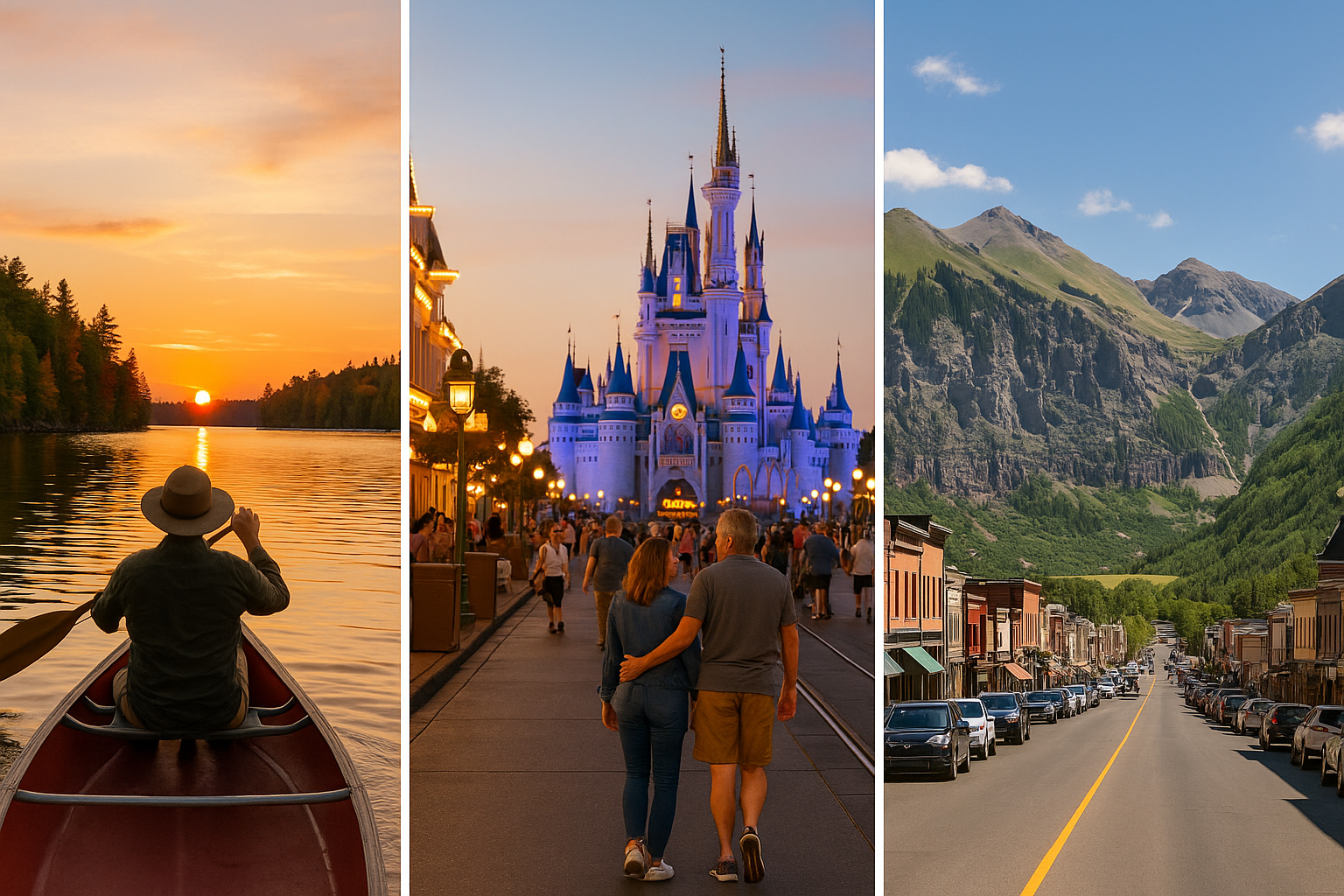
Miami deserves more than a quick mention. Whether you use it as a launching pad or a final destination, the city rewards exploration. Spend a morning in Wynwood looking at the murals, eat lunch in Little Havana, and hit the Art Deco Historic District in South Beach before the heat of the day peaks. Miami is a city that operates at its own pace, and the best way to experience it is to follow the energy rather than a rigid itinerary.
The drive south from Miami toward Homestead — the gateway to both the Everglades and the Keys — takes less than an hour and transitions you from urban density to open sky almost instantly. That contrast is one of the things that makes South Florida such a satisfying road trip region.
Timing Your Florida Road Trip
Winter and early spring are the prime windows for South Florida. Temperatures are comfortable, humidity is manageable, and the crowds, while present, haven’t reached their summer peak. Summer brings intense heat, afternoon thunderstorms, and hurricane season considerations — not impossible, but worth factoring in. If you’re visiting the Keys specifically, spring and fall offer a good balance of pleasant weather and slightly thinner crowds.
Mountain Towns: Where the Detour Becomes the Destination
There’s a particular kind of road trip that’s defined entirely by the towns you stumble into along the way. Mountain road trips — whether you’re in the Appalachians of North Carolina or the peaks of Colorado — operate on this principle. The drive is spectacular, but the towns are where the stories happen.
Jackson County, North Carolina: Blue Ridge Parkway’s Hidden Side
The Blue Ridge Parkway is one of the most celebrated scenic drives in the country, and Jackson County sits just off it in a way that most visitors miss entirely. The towns here — Cashiers, Cherokee, Dillsboro, and Sylva — each have a distinct identity that rewards slow travel.
Cherokee carries deep cultural significance as part of the Eastern Band of Cherokee Indians’ ancestral homeland. Spending time here means engaging with living history, not just scenery — there are museums, cultural centers, and storytelling traditions that put the landscape in a completely different context. Dillsboro is a small artisan town where studios and galleries line the streets. Sylva has a walkable downtown with good food and a local energy that feels genuinely lived-in rather than curated for visitors.
Cashiers sits at a higher elevation and offers access to waterfalls, hiking trails, and views that make the drive up feel earned. The area around Jackson County rewards the kind of traveler who’s willing to leave the main road and see what’s around the next bend. For a closer look at what this corner of North Carolina offers, the Blue Ridge Parkway’s own guide to Jackson County is a great starting point.
Colorado Mountain Towns: Altitude and Atmosphere
Colorado’s mountain towns have a reputation for being expensive and crowded, and some of them are. But the state is large, and if you’re willing to drive a little further or time your visit outside the peak ski season, you’ll find places that still feel like genuine discoveries.
Telluride sits in a box canyon in the San Juan Mountains and is genuinely one of the most dramatic settings of any town in the country. The historic downtown is compact and walkable, and the free gondola that connects the town to the mountain above it offers views that justify the drive on their own. Outside of the major festival weekends and peak ski season, Telluride is quieter than you’d expect and all the more enjoyable for it.
Estes Park, at the eastern gateway to Rocky Mountain National Park, is a different kind of mountain town — more accessible, more family-oriented, but still a genuinely useful base for exploring one of the country’s most spectacular national parks. The drive through the park itself, particularly Trail Ridge Road when it’s open in summer, is the kind of experience that makes you understand why people plan entire trips around a single road.
Building a Mountain Town Road Trip Route
The key to a great mountain town road trip is resisting the urge to rush. These regions reward slow travel. Give yourself at least a full day per town if you can, and build in time for the drives between them — because those drives are often as memorable as the destinations themselves.
In North Carolina, a logical route follows the Blue Ridge Parkway south from Asheville into Jackson County, with side trips into each of the towns along the way. In Colorado, a loop through the San Juan Skyway — which passes through Telluride, Ouray, and Silverton — is one of the most spectacular drives in the American West. Pair it with a stop in Estes Park on the way back through the northern part of the state and you have a week-long itinerary that covers extraordinary ground.
Summer is the most accessible season for high-altitude drives, as many mountain roads close in winter. Late September into October brings fall color that rivals anything in New England, with the added bonus of significantly fewer visitors.
Practical Notes for Planning Your Road Trip
- Pack for variability. Mountain weather changes fast. Even in summer, temperatures can drop significantly after sunset. Layers are your friend.
- Book accommodation early for peak seasons. Small mountain towns have limited lodging, and popular spots fill up weeks or months in advance during summer and ski season.
- Download offline maps. Cell coverage in rural Michigan and mountain regions can be unreliable. Don’t count on real-time navigation in remote areas.
- Budget for food. Some of the best experiences on these road trips — the general store in Good Hart, the seafood shack in the Keys, the farm-to-table spot in Traverse City — cost money. Build food into your budget intentionally.
- Give yourself permission to deviate. The best road trip moments rarely happen on schedule. If something looks interesting, pull over. If a local recommends a detour, take it.
- Check seasonal road closures. This is especially important for Colorado mountain passes, which can be closed well into spring and sometimes reopen later than expected.
The Common Thread: Slow Down and You’ll See More
Michigan, South Florida, and the mountain towns of North Carolina and Colorado don’t have much in common on the surface. One is freshwater and forests, one is salt air and subtropical light, and the others are altitude and ancient peaks. But they share something important: they all reward the traveler who’s willing to slow down, take the longer route, and let the journey unfold at its own pace.
The best US road trip destinations aren’t just places to visit — they’re frameworks for a different kind of travel. One where the conversation at the diner counter matters as much as the view from the overlook. Where getting a little lost is part of the point. Where you come back with stories rather than just photographs.
Whatever route you choose this year, the road is ready when you are. Start with one of these regions, stay curious, and let the rest figure itself out. That’s how the best road trips always begin.
This article was produced with AI assistance and reviewed editorially.


Urban US Escapes: Where to Stay in Kansas City, Memphis & Pigeon Forge (2026)

US Road Trip Hotspots: Michigan, Florida & Mountain Towns Worth the Detour (2026)


