
Roaming Around the World
Where to Stay in 15 Underrated Destinations Across Asia, Europe & Latin America (2026 Guide)
Discover underrated destinations to visit across Asia, Europe, and Latin America. This guide covers 15 emerging locations with practical accommodation options for authent

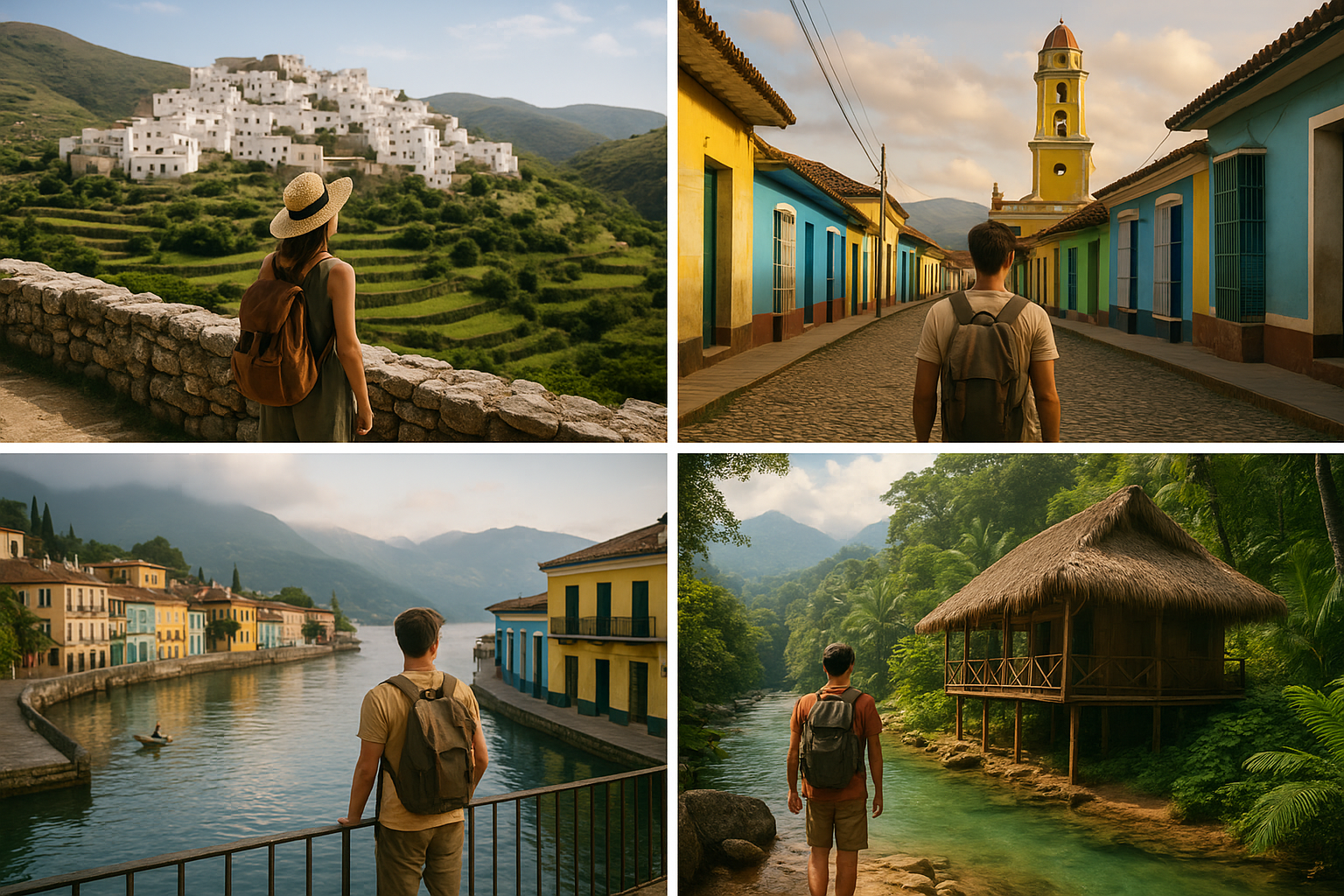
The Best Underrated Destinations to Visit in 2026 — And Where to Stay When You Get There
There’s a certain kind of travel magic that happens when you show up somewhere that isn’t plastered across every travel influencer’s feed. The streets feel more yours. The people you meet are actually curious about you. The food tastes better because you found it yourself. That’s exactly what these underrated destinations to visit have in common — they reward the traveler who’s willing to look a little further than the obvious choices. This guide covers fifteen places across Asia, Europe, Latin America, and beyond, with a focus on where to stay so you land in the right neighborhood from day one.
Asia: Where Authenticity Is Still Easy to Find
Dumaguete, Philippines
Dumaguete often gets skipped in favor of Palawan or Cebu, but that’s exactly what makes it worth going. This small university city on Negros Oriental has a relaxed, intellectual energy that’s hard to find elsewhere in Southeast Asia. The boulevard along the waterfront is where locals actually spend their evenings — eating street food, watching the sea, and doing very little in the most satisfying way possible.
For accommodation, the area around the city center and Rizal Boulevard keeps you close to the action without putting you in a tourist bubble. Budget travelers will find guesthouses tucked into residential streets where a fan room costs next to nothing. If you want a bit more comfort, small boutique hotels near the university district offer clean rooms, fast Wi-Fi, and a genuinely local atmosphere. Avoid the resort strips further out unless you’re specifically there for diving — the city itself is the experience.
Takayama, Japan
Tucked into the Japanese Alps, Takayama is one of those towns that feels like it preserved itself in amber. The old town district — a grid of dark wooden merchant houses and sake breweries — is walkable in an afternoon, but you’ll want to stay longer. Markets run most mornings, and the surrounding mountains offer hiking trails that are genuinely uncrowded even in peak season.
Stay in a traditional guesthouse, called a minshuku, rather than a chain hotel. These family-run places include breakfast, often feature tatami rooms and futon beds, and give you a real sense of how the town actually lives. The area around Sanmachi Suji is the most atmospheric place to base yourself. Book ahead — Takayama is small, and the good places fill up.
Nagano, Japan
Most people associate Nagano with the winter Olympics or ski resorts, but it’s just as compelling in spring and autumn. The city is a gateway to the Japanese Alps, the snow monkeys of Jigokudani, and the extraordinary temple complex at Zenko-ji. It’s also significantly quieter and cheaper than Kyoto for a similar depth of cultural experience.
The neighborhood around Zenko-ji temple is the best place to stay — traditional inns line the approach road, and waking up early to join the morning ceremony at the temple is something you won’t forget. For budget travelers, hostels in the central area are well-run and sociable without being party-focused.
Rishikesh, India
Rishikesh sits at the point where the Ganges flows out of the Himalayas, and the energy of the place is genuinely unlike anywhere else. It’s become known as a yoga and wellness destination, but it’s also a real town with a real community, and the mix of pilgrims, sadhus, backpackers, and local families makes for fascinating people-watching at any hour.
The two main areas for travelers are Laxman Jhula and Ram Jhula — both are pedestrian-friendly neighborhoods on the riverbanks, connected by suspension bridges. Ashrams offer the most immersive experience, with simple rooms and structured daily schedules that include yoga and meditation. If you’d rather have more flexibility, guesthouses in the Tapovan area tend to attract a younger, more independent crowd. Stay on the eastern bank for fewer vehicles and more atmosphere. Exploring underrated Asian cities like Rishikesh’s region is increasingly on the radar for 2026 travelers looking to move beyond the familiar.
Europe: The Continent Still Has Surprises
Toulouse, France
Paris gets all the attention, but Toulouse — the pink city of the south — has an energy that’s younger, looser, and arguably more fun. It’s a major student city, which means the bar scene is lively, the food is excellent and affordable, and the streets around Place Saint-Pierre fill up every evening with people who actually live there.
Stay in the Saint-Cyprien neighborhood on the west bank of the Garonne for an authentically local experience. It’s slightly removed from the tourist center but walkable to everything, and the morning market there is one of the best in southern France. Budget travelers will find good hostels in the city center near Capitole square. Avoid the areas immediately around the train station — they’re functional but characterless.
Strasbourg, France
Strasbourg is technically in France but feels like it exists in its own cultural category — the architecture is Alsatian, the food blends French and German traditions, and the city has a confident, unhurried identity that doesn’t need to borrow from anywhere else. The Grande Île, a UNESCO-listed island in the city center, is genuinely one of the most beautiful urban spaces in Europe.
Stay on or near the Grande Île if your budget allows — the medieval streets and canals of the Petite France district make for an extraordinary base. For something more affordable, the Krutenau neighborhood is popular with students and has a great selection of independent cafés and wine bars. Strasbourg also makes an excellent base for day trips into the Alsatian wine villages, which are among the most underrated destinations to visit in all of Europe.
Gozo, Malta
Malta itself is no longer a secret, but its smaller sister island Gozo still flies under the radar. The pace here is noticeably slower, the landscape is more dramatic, and the villages feel genuinely lived-in rather than curated for visitors. Victoria, the island’s capital, has a citadel that rewards an hour of wandering, and the coastline offers some of the clearest water in the Mediterranean.
Farmhouses converted into holiday rentals are the most atmospheric way to stay on Gozo — they’re often cheaper than equivalent hotels and give you a real sense of the island’s rural character. The village of Xlendi is a good base if you want to be near the sea, while staying in or near Victoria puts you in the heart of local life.
Ischia, Italy
Capri takes all the glamour and the crowds. Ischia, sitting just a short ferry ride away in the Bay of Naples, offers thermal springs, volcanic landscapes, and a genuinely Italian atmosphere without the price tag or the selfie sticks. The island has seven municipalities, each with its own character — Ischia Porto is the liveliest, while Sant’Angelo is quieter and more picturesque.
Thermal spa hotels are a specialty of the island and worth considering even on a modest budget — many mid-range options include access to natural hot pools. For budget travelers, small family-run guesthouses in Forio or Casamicciola offer good value and a warm welcome. The best time to visit is late spring or early autumn when the island belongs more to Italians than to tourists.
Latin America: Off the Beaten Path, But Not Out of Reach
Bacalar, Mexico
The Lake of Seven Colors in Bacalar is one of those places that stops you mid-sentence when you first see it. The water shifts from turquoise to deep blue depending on the depth, and the town that sits alongside it is small, laid-back, and increasingly popular with travelers who’ve already done Tulum and want something less developed.
Stay in a hostel or small guesthouse on the lake’s edge if you can — waking up to that water every morning is worth a bit of extra planning. The main street running parallel to the lake has a good mix of budget and mid-range options. Avoid the more upscale eco-resorts on the southern shore unless you’re specifically looking for a splurge — the town itself is where the experience is. Central America and the Caribbean, including Mexico’s lesser-known spots, are highlighted as standout underrated destinations to visit in 2026 for travelers seeking something genuinely different.
Sayulita, Mexico
Sayulita is a small surf town on Mexico’s Pacific coast that manages to be both relaxed and energetic at the same time. The beach is good for beginner surfers, the streets are colorful and walkable, and the food scene punches well above the town’s size. It attracts a mix of Mexican families, digital nomads, and travelers who’ve deliberately avoided the resort towns further down the coast.
The center of town is small enough that location barely matters — you can walk anywhere in ten minutes. That said, staying within a few blocks of the main plaza puts you in the middle of the evening atmosphere, which is genuinely worth experiencing. Surf hostels are a great option for solo travelers; they tend to be sociable without being chaotic.
The United States: Underrated Doesn’t Mean Undiscovered
New Mexico, USA
New Mexico is one of those places that people who’ve been there talk about constantly and everyone else somehow keeps overlooking. The landscape is extraordinary — high desert, dramatic skies, ancient pueblos, and a cultural mix of Native American, Hispanic, and Anglo traditions that you won’t find anywhere else in the country. Santa Fe and Taos are the main draws, but the state rewards slow travel and detours.
In Santa Fe, stay in the historic downtown area near the Plaza to walk to galleries, markets, and restaurants easily. Taos has a more bohemian feel, and the guesthouses near the Taos Plaza are good value. If you’re road-tripping through the state, small motels along the Turquoise Trail or the High Road to Taos offer a genuinely American experience that’s increasingly rare.
Stowe, Vermont, USA
Vermont in autumn is one of the most visually stunning experiences you can have in North America, and Stowe is one of its most charming towns. The fall foliage draws visitors, but the shoulder seasons — late spring and early summer — are when Stowe is at its most peaceful and arguably most beautiful. The village has excellent independent restaurants, a strong craft beer scene, and access to hiking that rivals anything in New England.
The village center has a good range of inns and small hotels that feel genuinely local rather than corporate. For budget travelers, shared accommodation options exist in the surrounding area, and many visitors base themselves here for multi-day hiking or cycling trips. It’s one of those underrated destinations to visit if you want the American countryside without the crowds.
Big Bear, California, USA
Big Bear sits in the San Bernardino Mountains a couple of hours from Los Angeles, and it has a split personality that works in its favor — ski resort in winter, hiking and lake destination in summer. It’s popular with Angelenos but largely unknown to international visitors, which means the vibe is more community-oriented and less performative than many California destinations.
Big Bear Village is the central hub, and staying within walking distance of the lake gives you the most flexibility. Cabin rentals are the classic Big Bear experience — they’re often affordable when split between a group and give you a genuine mountain feel. Smaller lodges and motels along the main strip are the best budget option.
The Pacific: Two Island Destinations Worth the Journey
Noosa, Australia
Noosa on Queensland’s Sunshine Coast is well-known to Australians but largely overlooked by international travelers who head straight for Sydney, Melbourne, or the Great Barrier Reef. That’s a genuine mistake. Noosa has a national park that starts at the edge of town, a consistently excellent surf beach, and a restaurant scene that would hold its own in any major city.
Noosa Heads is the main area, and staying here puts you within walking distance of Hastings Street’s cafés and the national park trailhead. For budget travelers, Noosaville — a short bike ride away along the river — has more affordable accommodation and a relaxed, local atmosphere. The hinterland villages around Noosa are also worth a night or two if you have time.
How to Make the Most of Underrated Destinations
Choosing underrated destinations to visit is only half the equation. Where you stay shapes the entire experience. A few principles apply across all fifteen of these places:
- Stay in the neighborhood, not just the city. The right district makes the difference between feeling like a tourist and feeling like you actually live somewhere for a few days.
- Prioritize smaller, locally owned accommodation. Family guesthouses, independent hostels, and small inns put more of your money into the local economy and tend to give you far better advice than any front desk at a chain hotel.
- Book ahead for the shoulder season. These destinations are less crowded than the famous ones, but the good smaller places still fill up — especially in spring and autumn.
- Ask where locals go. Your guesthouse host, the person at the next table, the woman running the market stall — these are your best guides. No app beats a genuine recommendation from someone who actually lives there.
- Give yourself more time than you think you need. The best experiences in underrated places tend to be unplanned — the conversation that turns into a dinner invitation, the trail you find by accident, the market that only happens on Thursdays.
Planning Your Trip: Practical Starting Points
Getting to some of these destinations requires a bit more research than booking a flight to a major hub, but that’s part of what keeps them feeling undiscovered. For Asia, budget airlines connect many regional cities at surprisingly low prices — it’s worth being flexible on dates rather than routes. For Europe, trains remain one of the most enjoyable ways to move between destinations, and the rail network in France makes Toulouse and Strasbourg easily accessible from Paris or beyond. For Latin America, domestic flights within Mexico are affordable and frequent, making it easy to combine Bacalar and Sayulita in a single trip.
Accommodation booking platforms work well for these destinations, but don’t overlook direct booking with smaller properties — you’ll often get a better rate and a warmer welcome. Reading recent traveler reviews on community-based platforms gives you a more honest picture of what to expect than polished hotel websites.
Why These Places Deserve a Spot on Your Radar
The travel world has a tendency to funnel everyone toward the same dozen cities, and those cities pay the price — overcrowding, rising costs, and an experience that feels increasingly manufactured. The fifteen destinations in this guide represent something different. They’re places where tourism exists alongside real life rather than replacing it. Where the café you walk into is run by someone who grew up there. Where the sunset isn’t shared with a thousand other people holding their phones up.
These are the underrated destinations to visit when you want your trip to feel like a genuine experience rather than a performance. They won’t stay undiscovered forever — a few of them are already gaining momentum — but right now, in 2026, they still offer exactly the kind of travel that actually changes how you see the world. Start planning, stay curious, and let the less obvious choice surprise you.
This article was produced with AI assistance and reviewed editorially.


City Guides for Young Travelers: Buenos Aires, Quito, and Trujillo (Culture, Food & Adventure)

Where to Stay in Southern Africa: Botswana, Namibia & Madagascar for First-Time Visitors


