
El Salvador
Santa Ana, El Salvador: Volcanoes, Coffee Plantations & Colonial Culture Beyond San Salvador
Discover Santa Ana, El Salvador’s second-largest city with colonial architecture, active volcanoes, coffee plantations, and authentic Central American culture away from c

Why Santa Ana, El Salvador Should Be on Every Young Traveler’s Radar
There’s a certain kind of travel high that comes from discovering a place before the crowds do. Santa Ana, El Salvador gives you exactly that feeling. As the country’s second-largest city, it carries real weight — culturally, historically, and geographically — yet it remains largely off the radar of the backpacker circuit that tends to loop through San Salvador and head straight for the coast. If you’re willing to take the road less traveled, Santa Ana rewards you with colonial streets, volcanic landscapes, and a coffee culture so deeply rooted in the land that you can practically taste the altitude in every cup.
This is a city that has lived through centuries of transformation — from its Pre-Columbian origins as Sihuatehuacán, through Spanish colonization, through a period of prosperous growth, and into the turbulence of El Salvador’s Civil War in the late twentieth century. What remains is a place that carries its history with quiet pride. You won’t find polished tourist infrastructure here. What you will find is something far more valuable: authentic Central American life, played out on sun-warmed plazas and in the shadow of an active volcano.
Getting to Santa Ana and Finding Your Bearings
One of the most practical things about Santa Ana is how well-connected it is without feeling like a transit hub. The city sits conveniently between San Salvador and the Ruta de las Flores — that celebrated stretch of flower-filled villages and artisan markets in the western highlands — making it a natural stop on any route through the country. It’s also a short drive from the Guatemalan border, which makes it an ideal entry or exit point if you’re doing a multi-country trip through Central America.
From San Salvador, buses run regularly and the journey takes roughly an hour and a half to two hours depending on traffic. If you’re traveling on a budget, the public bus system is your friend — it’s cheap, it’s local, and it’ll give you an immediate sense of how Salvadorans actually move through their country. For those who prefer more flexibility, shared shuttles and taxis are also available, and renting a car opens up the surrounding region considerably.
Once you arrive, the city center is very walkable. The main plaza, the cathedral, and many of the colonial landmarks are all within comfortable walking distance of each other. For trips out to the volcano or the coffee-growing highlands, you’ll want to arrange transport in advance — either through a local guide, a tour operator, or by negotiating with a driver you trust.
The Colonial Heart of the City
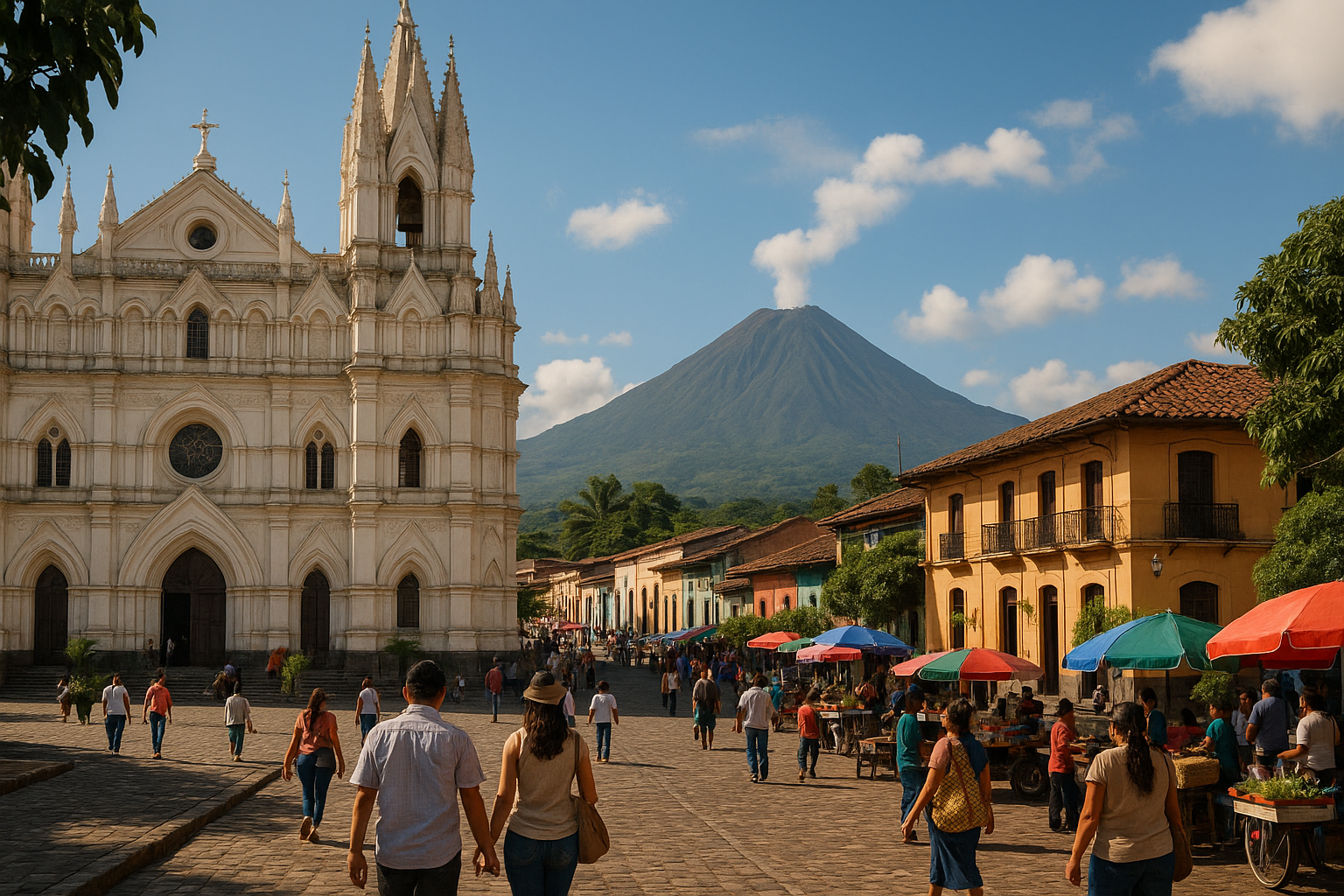
Santa Ana has some of the most well-preserved colonial architecture in all of El Salvador, and that’s not a small claim in a country where Spanish-era buildings still define the urban identity of many towns. Walking through the historic center feels like moving through layers of time. The central plaza anchors everything — it’s the kind of public square where old men play chess in the afternoon shade, kids run between the benches, and street vendors set up their carts with a practiced efficiency that tells you this is a daily ritual, not a performance for tourists.
The cathedral that overlooks the plaza is one of the most photographed structures in the country, and justifiably so. Its Gothic-influenced façade, with ornate detailing that catches the light differently at every hour of the day, is the kind of thing you’ll want to photograph at sunrise, at golden hour, and every time you pass it in between. The theater nearby — a beautifully restored example of nineteenth-century civic architecture — speaks to the era when Santa Ana was a prosperous and culturally ambitious city, its coffee wealth funding grand public buildings that were meant to signal its importance to the world.
Take your time with these spaces. Don’t just photograph them and move on. Sit in the plaza for an hour. Watch how the city uses its own center. That’s where the real story lives.
Hiking the Santa Ana Volcano: One of El Salvador’s Greatest Adventures
If you do one physical thing in the Santa Ana region, make it the volcano hike. The Santa Ana volcano — known locally as Ilamatepec — is consistently ranked as one of the top natural attractions in El Salvador, and once you’ve stood at the crater rim and looked down into the turquoise sulfuric lake below, you’ll understand why it earns that reputation without any exaggeration.
The hike itself winds through cloud forest before opening up to dramatic volcanic terrain near the summit. It’s a genuine physical effort — this isn’t a casual stroll — but it’s absolutely achievable for anyone with a reasonable level of fitness and the right footwear. The views from the top extend across the western highlands, and on a clear day you can see across to neighboring Guatemala. It’s the kind of panorama that makes you feel very small and very alive at the same time.
Hikes to the crater are typically organized through guided groups, and it’s strongly recommended — both for safety and for the added context a knowledgeable local guide brings to the experience. The volcano is active, and conditions can change. Going with a guide means you’re not navigating that uncertainty alone. Check locally upon arrival for current access conditions and organized departure times, as these can vary by season and official regulations.
For more context on what to expect from the hike and the surrounding natural landscape, Indie Traveller’s Santa Ana guide offers a well-rounded overview from someone who’s made the journey themselves.
Coffee Plantations and the Taste of the Western Highlands
El Salvador’s coffee story is one of the most compelling in Central America, and the highlands around Santa Ana sit at the heart of it. The volcanic soil, the altitude, and the microclimate of this region create conditions that coffee farmers have been cultivating for generations. When you drink a cup of coffee from this part of El Salvador, you’re tasting something with genuine terroir — a flavor shaped by the specific earth it grew in.
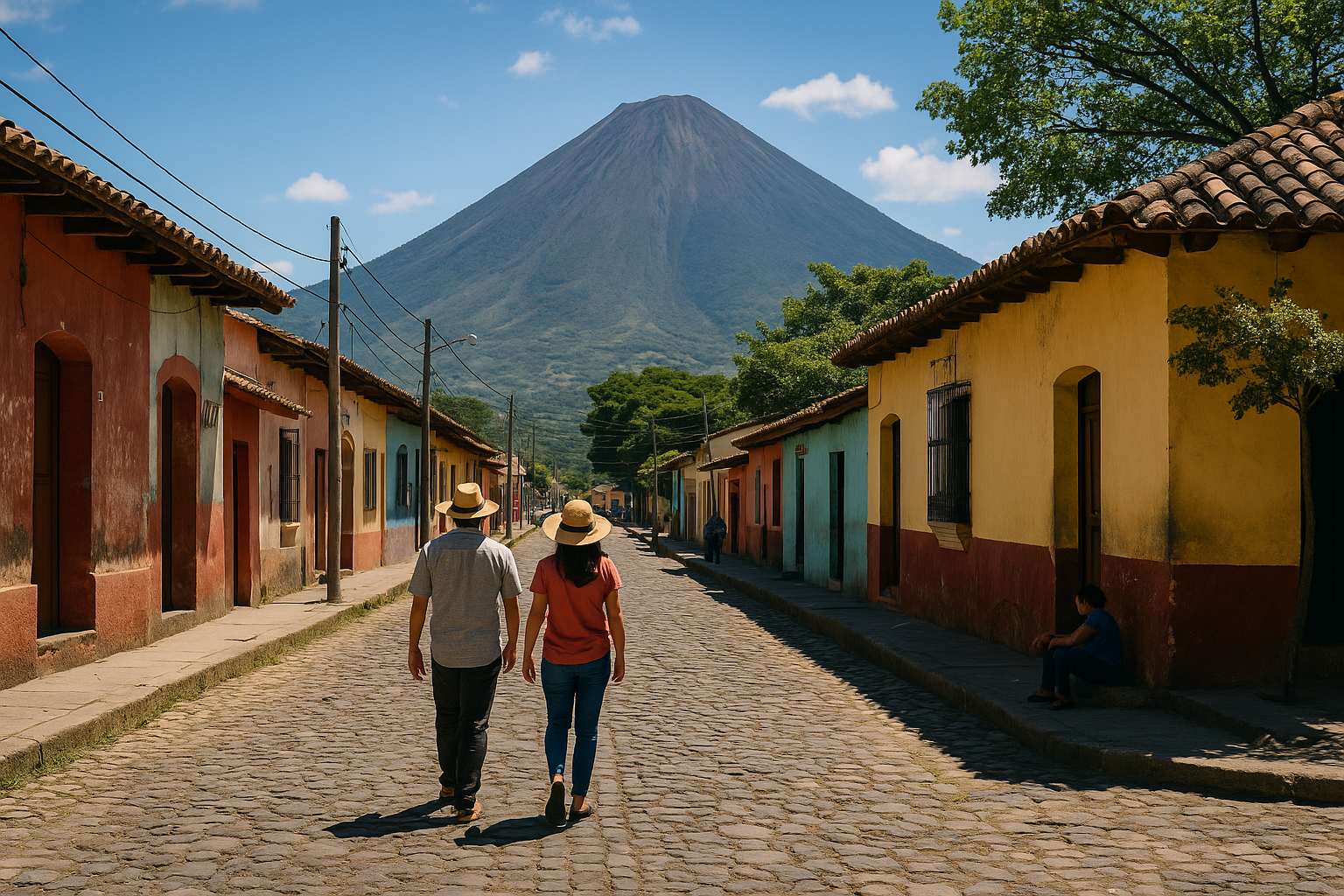
Coffee plantation tours in the Santa Ana region give you a window into that process from the ground up — literally. You’ll walk through rows of coffee plants, learn about the difference between the wet and dry processing methods, and understand why altitude matters so much to the final cup. Many farms are still family-run operations, and visiting them feels less like a tourist activity and more like being welcomed into someone’s livelihood. That distinction matters. It’s the difference between consuming a culture and actually connecting with it.
The best time to visit for the full coffee experience is during the harvest season, which typically runs from around October through February, though the exact timing shifts depending on the year and the altitude of the specific farm. Outside of harvest season, many farms still offer tours and you’ll still get a rich sense of the process — just without the visual drama of pickers moving through the rows.
El Salvador’s official tourism board has documented the coffee culture of the Santa Ana region in detail. You can read more about it at El Salvador Travel’s coffee tour guide, which covers the agricultural heritage of the area and what visitors can expect from a plantation visit.
Food, Markets, and Eating Like a Local
Santa Ana’s food scene isn’t built around restaurants designed for tourists. It’s built around the rhythms of Salvadoran daily life, which means the best meals often come from the most unassuming places. Markets are your first port of call. The central market buzzes with activity from early morning, and you’ll find everything from fresh tropical fruit to pupusas — those thick, stuffed corn tortillas that are El Salvador’s most beloved national dish — being made right in front of you.
Pupusas with curtido (a lightly fermented cabbage slaw) and salsa roja are the combination you’ll keep coming back to. They’re filling, they’re cheap, and when they’re made well — which they often are here — they’re genuinely delicious. Look for the spots where locals are queuing. That queue is your quality indicator.
Beyond pupusas, explore the comedor culture. A comedor is a small, informal eatery — often just a few tables in someone’s front room or a covered outdoor space — where a daily menu is cooked fresh each morning. You’ll typically get a plate of rice, beans, a protein, and sometimes a small salad for a very reasonable price. It’s honest, nourishing food, and eating at a comedor is one of the most direct ways to experience everyday Salvadoran hospitality.
Day Trips and the Wider Region
Santa Ana’s position in the western highlands makes it an excellent base for exploring the surrounding region. The Ruta de las Flores is within easy reach — a string of small towns known for their flower festivals, artisan crafts, colorful murals, and weekend markets. Each town along the route has its own personality, and spending a day drifting between them by local bus or hired vehicle is one of the more quietly joyful travel experiences El Salvador offers.
Lake Coatepeque, a stunning crater lake not far from the city, is another popular day trip. The deep blue water, framed by volcanic hills and dotted with small weekend retreats, is the kind of place where you’ll want to do absolutely nothing for several hours. Bring a book, find a spot near the water, and let the afternoon dissolve.
For those heading toward Guatemala, the nearby border crossing makes Santa Ana a logical last stop before crossing into the Guatemalan highlands. The proximity to two countries’ worth of landscapes and cultures within a single travel corridor is one of the underappreciated logistical advantages of basing yourself here.
Practical Things to Know Before You Go
- Safety: Like any city, Santa Ana requires common sense. Stick to well-traveled areas, especially at night, keep valuables out of sight, and ask your accommodation for current local advice when you arrive. The city is generally navigable for independent travelers, but situational awareness matters.
- Language: Spanish is the language of daily life here. English is not widely spoken outside of a few hotels and tour operators. Learning even basic Spanish phrases — greetings, numbers, how to order food — will transform your experience and earn you genuine warmth from locals.
- Currency: El Salvador uses the US dollar, which makes budgeting straightforward for travelers coming from outside the region. Keep small bills on hand for markets, buses, and street food.
- Weather: The dry season, roughly from November to April, brings clearer skies and better conditions for hiking. The rainy season (May to October) turns the landscape brilliantly green but can make volcano hikes muddier and more unpredictable. Either season has its appeal.
- Connectivity: Local SIM cards are affordable and widely available. Having mobile data makes navigating the city and surrounding region significantly easier.
- Respect: Santa Ana is a living city, not a museum. Treat the colonial architecture, the churches, and the markets with the same respect you’d want visitors to show your own hometown.
Why Santa Ana Stays With You
There’s a particular quality to places that haven’t been packaged for mass tourism. They require a little more effort, a little more openness, a little more willingness to figure things out as you go. Santa Ana, El Salvador is exactly that kind of place. It’s a city with genuine layers — Pre-Columbian roots, colonial grandeur, a coffee heritage written into the landscape, and a volcano that reminds you, quietly but insistently, that the earth here is still very much alive.
You won’t find a curated experience waiting for you. You’ll find something better: a real place, going about its real life, willing to share itself with anyone curious enough to show up and pay attention. That’s the kind of travel that stays with you long after the trip is over — not because it was easy, but because it was honest. And in a world of increasingly homogenized travel experiences, honest is exactly what you’re looking for.
This article was produced with AI assistance and reviewed editorially.


City Guides for Young Travelers: Buenos Aires, Quito, and Trujillo (Culture, Food & Adventure)

Where to Stay in Southern Africa: Botswana, Namibia & Madagascar for First-Time Visitors


