
Asia
Sri Lanka in 10 Days: Temples, Mountains & Beaches Without the Tourist Crowds
Plan your Sri Lanka 10 day itinerary to explore temples, tea plantations, and coastlines while avoiding crowds. Includes budget tips and local transport insights.

Why Sri Lanka Deserves More Than a Weekend
Sri Lanka sits just south of India in the Indian Ocean, and it packs more variety into a small island than most countries manage across an entire continent. Tropical beaches, mist-covered highlands, ancient Buddhist temples, colonial forts, and wildlife safaris — it’s all here, often within a few hours of each other. If you’ve been building a Sri Lanka 10 day itinerary in your head, you’re already thinking about this the right way. Ten days is enough time to move through the island’s different worlds without rushing, and with a little planning, you can do it without following the same well-worn tourist trail that everyone else is walking.
Formerly known as Ceylon, Sri Lanka has been drawing travelers for centuries. Today, it draws a very different crowd — backpackers, culture lovers, surfers, hikers, and anyone who wants a destination that still rewards curiosity. This guide is built for exactly that kind of traveler.
Before You Go: How to Think About This Trip
The key to a great Sri Lanka trip isn’t just picking the right places — it’s understanding the rhythm of the island. Sri Lanka has two monsoon seasons that affect different coasts at different times of year, so the “best time to visit” genuinely depends on which part of the island you’re prioritizing. Generally speaking, the southwest coast and hill country are at their best from December through March, while the east coast comes alive from May through September.
Most popular 10-day loops focus on the south and center of the island, taking in the highlands, cultural sites, and coastline. That’s a smart approach because the road and rail connections between these regions are reliable and genuinely scenic. Rather than trying to cover every corner, commit to doing fewer places properly. You’ll leave with better stories.
Getting Around
Sri Lanka’s train network is one of its great pleasures. Slow, scenic, and affordable, trains connect the major towns and offer some of the most memorable journeys you’ll find anywhere in Asia. Buses fill in the gaps and reach smaller towns that trains don’t serve. Tuk-tuks are everywhere for short distances, and hiring a driver for a day or two makes sense when you want to reach places off the main routes. Whatever you do, don’t try to rush between destinations by road — the mountain roads in particular take longer than maps suggest, and that’s actually part of the experience.
A 10-Day Route That Moves With Purpose
Days 1–2: Arrive Near Colombo, Head to Negombo
Most international flights land at Bandaranaike International Airport, which sits close to Negombo on the northwest coast. Rather than rushing straight to Colombo or pushing south immediately, spending your first night in Negombo makes sense. It’s a genuine fishing town with a laid-back vibe, a long beach, a canal system built during the Dutch colonial era, and a morning fish market that’s worth waking up early for. You’ll see locals going about their day, boats coming in with the catch, and a town that doesn’t particularly care about performing itself for tourists.
Use your first day to recover from the flight, eat well, and get your bearings. Sri Lankan food is extraordinary — rice and curry, hoppers, kottu roti — and the sooner you start eating like a local, the better your trip will be. Small local restaurants, called “hotels” in Sri Lankan English, serve generous meals at prices that will genuinely surprise you.
Days 3–4: The Cultural Triangle — Temples, Ruins, and Rock Fortresses
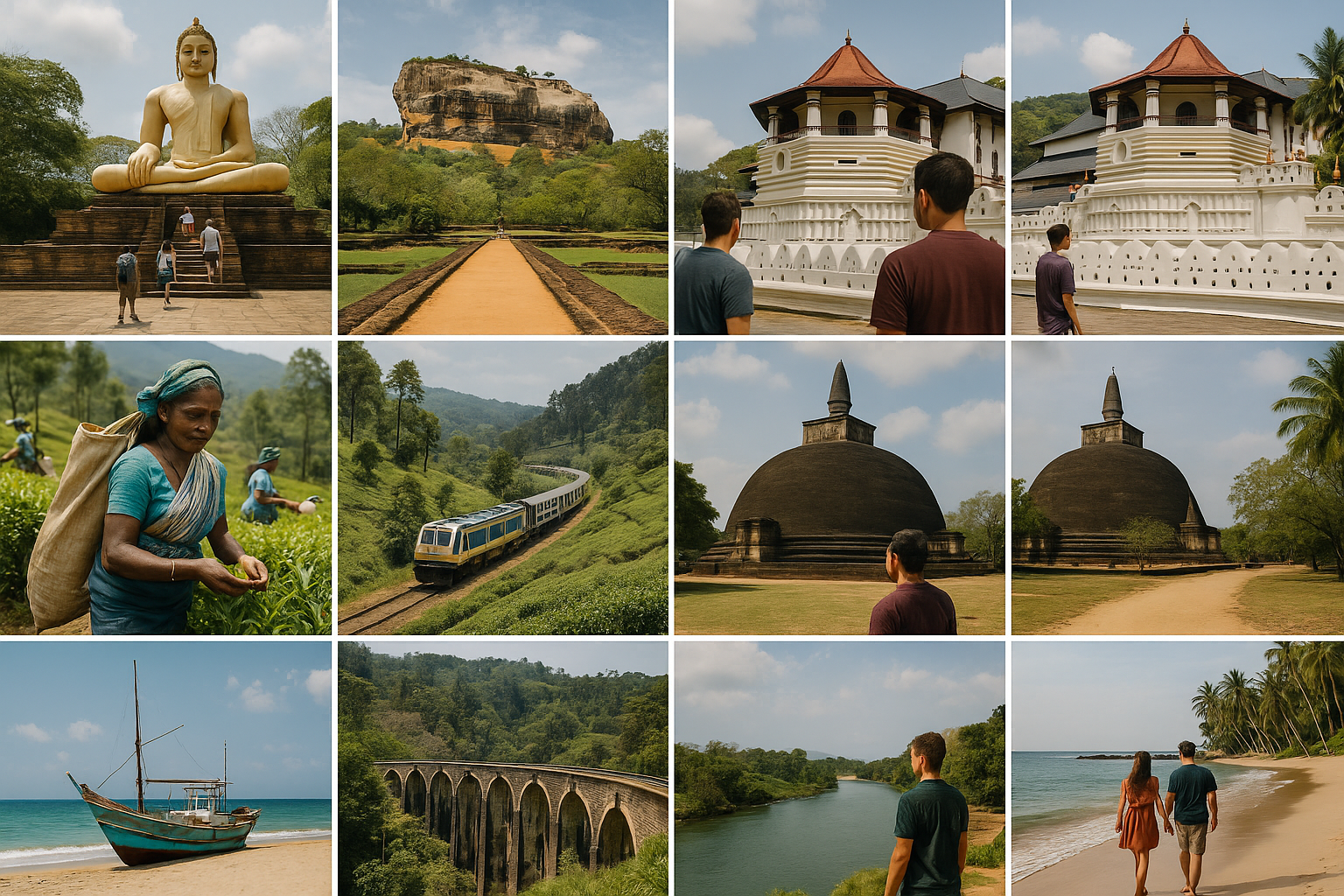
Head north and inland into what’s known as the Cultural Triangle, a region dense with UNESCO World Heritage Sites and ancient history. This is where Sri Lanka’s past feels closest to the surface. The rock fortress of Sigiriya is the headline attraction — a fifth-century citadel built on top of a massive volcanic rock, with frescoes, water gardens, and views that stretch across the jungle canopy in every direction. It’s one of those places that earns its reputation completely.
To avoid the thickest crowds, arrive at Sigiriya when it opens in the morning. By mid-morning, tour groups arrive in waves. Getting there early means you’ll have the climb largely to yourself, and the light is better for photos anyway.
Nearby Polonnaruwa is a well-preserved ancient city with impressive ruins spread across a large site. It’s less visited than some of the other cultural sites, which makes wandering through it feel genuinely exploratory. Rent a bicycle at the entrance — it’s the best way to cover the grounds at your own pace and stop wherever something catches your eye.
For accommodation in this area, small guesthouses and family-run homestays are plentiful and far more interesting than the larger resort-style hotels. You’ll often end up sharing meals with your hosts, which is where the real cultural exchange happens.
Days 5–6: Kandy — Culture, Ceremony, and the Gateway to the Hills
Kandy is Sri Lanka’s second city and its cultural heart. Sitting in a valley surrounded by hills, it’s home to the Temple of the Tooth Relic — one of the most sacred Buddhist sites in the world. The evening puja ceremonies at the temple are genuinely moving, with drumming, chanting, and a sense of devotion that fills the space. Dress respectfully, arrive a little early to find a good spot, and take your time.
Beyond the temple, Kandy rewards slow exploration. The lake at the center of town is lovely at dawn. The Peradeniya Botanical Gardens on the outskirts are expansive and peaceful, with ancient trees and a diversity of plant life that reflects the island’s remarkable biodiversity. The local market near the bus station is chaotic and colorful — perfect for picking up spices, snacks, and a sense of how the city actually functions.
Kandy is also where you board the famous hill country train. The line from Kandy toward Ella is regularly cited as one of the most scenic rail journeys in Asia, and it absolutely lives up to that. Book a second-class seat or, if you can, stand in the open doorway as the train climbs through tea plantations, tunnels, and mountain passes. The journey takes several hours, and every one of them is worth it.
Days 7–8: Ella and the Hill Country
Ella has become one of Sri Lanka’s most talked-about destinations, and for good reason — it’s surrounded by dramatic scenery, the hiking is excellent, and the town has a relaxed, welcoming atmosphere. The challenge is that its popularity means the main strip can feel busy, especially during peak season.
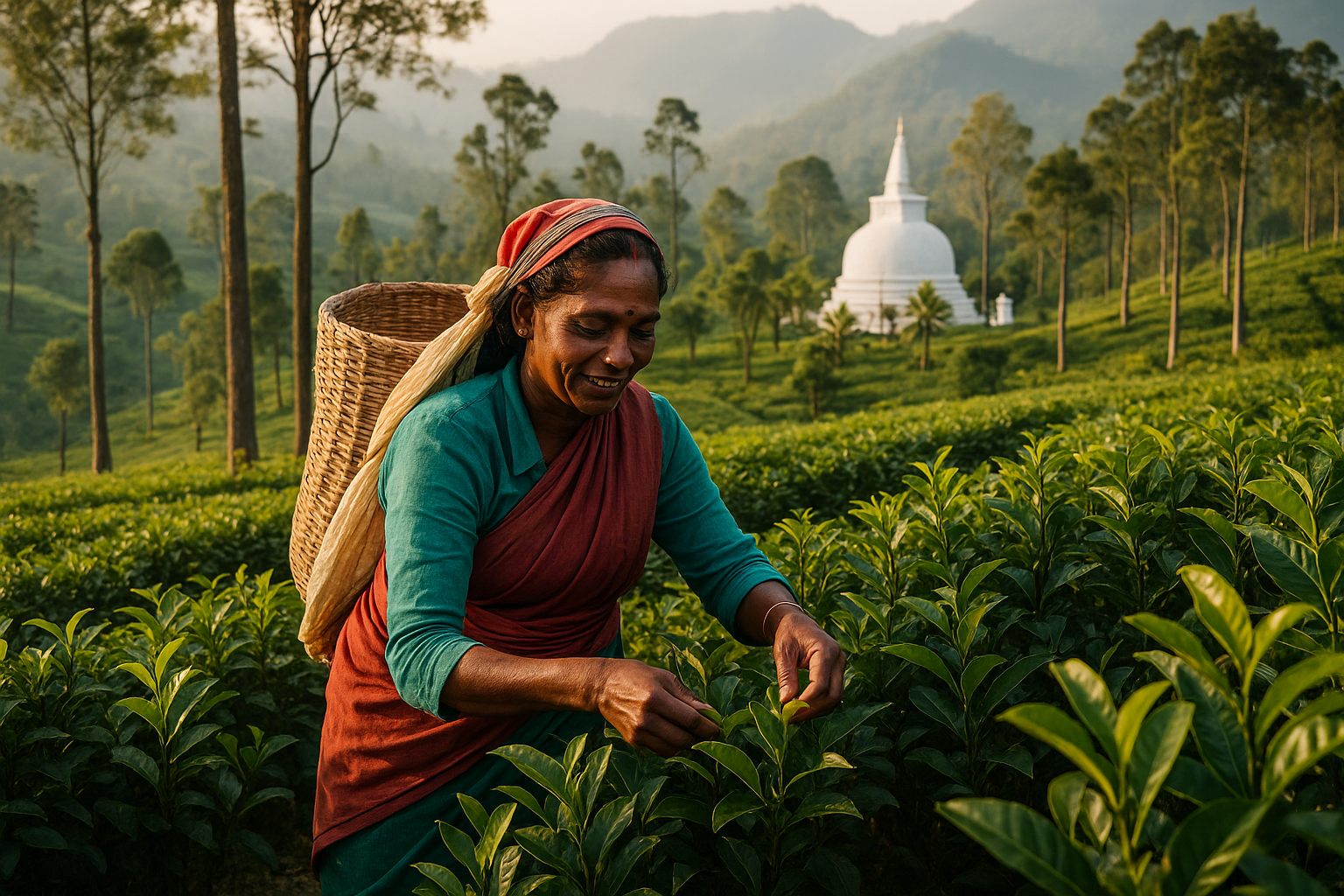
The solution is simple: get up early and get moving before the day-trippers arrive. Little Adam’s Peak is an accessible hike that rewards you with panoramic views over the valley, and if you’re on the trail by sunrise, you’ll often have the summit almost entirely to yourself. Ella Rock is a longer, more challenging hike that takes you through tea estates and jungle — hire a local guide or ask your guesthouse for directions, as the trail isn’t always clearly marked.
The Nine Arches Bridge, built during the British colonial era from stone and brick rather than steel, is genuinely impressive. The best time to photograph it is when a train passes through — ask locally for the timetable, as trains run at specific times and the moment a blue train rolls across those arches above the jungle is one of those images you’ll carry with you long after you’ve left.
Use your second day in Ella to slow down. Sit in a tea shop with views across the hills, eat well, and let the place settle into you. This is what travel in Sri Lanka is really about.
Days 9–10: The South Coast — Beyond the Obvious Beaches
From the hill country, head south toward the coast. Mirissa is the most famous beach town in this part of Sri Lanka, and it’s worth a visit — but if you want to find stretches of coastline that feel less crowded, explore the beaches on either side of the main tourist hubs. Small fishing villages dot the southern coast, and some of them have beautiful beaches that see a fraction of the visitors that the well-known spots attract.
Weligama is a good option — a wide bay popular with beginner surfers, with a relaxed atmosphere and excellent seafood. Further along, the stretch between Tangalle and Hiriketiya has become quietly popular with travelers who want something a little more off the main circuit. Hiriketiya in particular has a horseshoe-shaped bay that’s genuinely lovely, with a small but welcoming community of surfers and travelers.
Galle, the colonial fort town, deserves at least a few hours if not a full day. The Dutch-built fort is a UNESCO World Heritage Site and one of the best-preserved colonial fortifications in Asia. Walking the ramparts at sunset, with the Indian Ocean stretching out on one side and the old town’s streets on the other, is one of those experiences that stays with you. The streets inside the fort are full of independent cafés, bookshops, and boutiques — it’s a good place to pick up something meaningful before heading home.
Practical Tips for Traveling Smart
Accommodation
Sri Lanka has a strong culture of family-run guesthouses that offer clean, comfortable rooms at reasonable prices. These are almost always a better choice than large hotels if you want authentic experiences and genuine local insight. Your hosts will often know the best places to eat, the quietest hiking trails, and which temples are worth the detour. Booking a night or two in advance during peak season is wise, but outside of those periods, you’ll often find good places by simply arriving and asking around.
Food and Eating Like a Local
Eating at local “hotels” — the small canteen-style restaurants that serve rice and curry through the day — is both the most affordable and the most delicious way to eat in Sri Lanka. A full meal will cost very little. Street food is also excellent: hoppers (bowl-shaped fermented rice pancakes), kottu roti (chopped roti stir-fried with vegetables and egg), and fresh tropical fruit are all worth seeking out. Avoid restaurants that have menus translated into five languages and photos of every dish — they’re almost always more expensive and less interesting than the places where locals actually eat.
Respecting Local Culture
Sri Lanka is a predominantly Buddhist country, and temple etiquette matters. Cover your shoulders and knees when visiting religious sites, remove your shoes before entering, and follow the lead of the people around you. Photography inside temples is sometimes restricted — always check before pointing a camera. A little cultural awareness goes a long way, and Sri Lankans are generally warm and welcoming to travelers who show genuine respect.
Staying Connected and Getting Information
Picking up a local SIM card at the airport is easy and inexpensive, and mobile data is widely available across the island. For deeper travel planning and cultural context, resources like Horizon Guides’ Sri Lanka off-the-beaten-path guide and the Broke Backpacker’s Sri Lanka guide offer solid, practical information for independent travelers working with a budget.
Making Your Sri Lanka 10 Day Itinerary Your Own
The route outlined here is a framework, not a rigid schedule. Sri Lanka rewards spontaneity. If you arrive in a town and love it, stay another day. If a local tells you about a waterfall or a temple that isn’t in any guidebook, go find it. The best moments from any trip to this island tend to be the ones that weren’t planned — a conversation that turns into a home-cooked meal, a wrong turn that leads somewhere beautiful, a sunrise that nobody else is awake to see.
A well-crafted sri lanka 10 day itinerary gives you structure without taking away your freedom. It means you’re not wasting time figuring out logistics when you could be exploring. But within that structure, leave room for the island to surprise you. It will.
The Island That Stays With You
Sri Lanka is one of those destinations that people come back to. Not because they didn’t see enough the first time, but because they want to go deeper — to return to a guesthouse where the family remembered their name, to find that beach they stumbled onto at dusk, to sit again in a temple courtyard at the moment when the evening light turns everything golden. Ten days is a real introduction to this island, and if you travel it with curiosity and respect, you’ll leave with more than photographs. You’ll leave with a genuine connection to a place that has been welcoming travelers — and changing them — for a very long time.
Start planning. Sri Lanka is closer than it feels, and the stories waiting for you there are worth every hour of the journey.
This article was produced with AI assistance and reviewed editorially.


City Guides for Young Travelers: Buenos Aires, Quito, and Trujillo (Culture, Food & Adventure)

Where to Stay in Southern Africa: Botswana, Namibia & Madagascar for First-Time Visitors


