
North America
Hidden Gem Cities: Where to Stay in Kansas City, Memphis & Ojai (2026)
Discover where to stay in Kansas City with neighborhood recommendations including Crossroads Arts District, Country Club Plaza, and 18th & Vine Jazz District.

Three American Cities Worth Adding to Your Road Trip List Right Now
If you’re planning a US road trip and wondering where to stay in Kansas City, whether Memphis is worth the detour, or what the deal is with Ojai, you’ve landed in the right place. These three cities don’t always make the top of the mainstream travel lists — and honestly, that’s part of what makes them so worth exploring. They each have their own distinct energy, a local food scene that will genuinely surprise you, and neighborhoods that feel like the real America rather than a polished postcard version of it. Pack your bag, fuel up the car, and let’s get into it.
Kansas City: Jazz, BBQ, and Neighborhoods That Actually Deliver
Kansas City has been quietly building a reputation as one of the most underrated cities in the American Midwest, and right now in 2026, it’s hitting its stride. The city straddles the Missouri-Kansas border, which means you’re technically in two states at once — a fun fact that never gets old when you’re telling the story later. But beyond the geography, what makes Kansas City genuinely exciting is how layered it is. History, food, music, art — it’s all here, and it doesn’t feel like it’s performing for tourists.
The Neighborhoods You Actually Want to Stay In
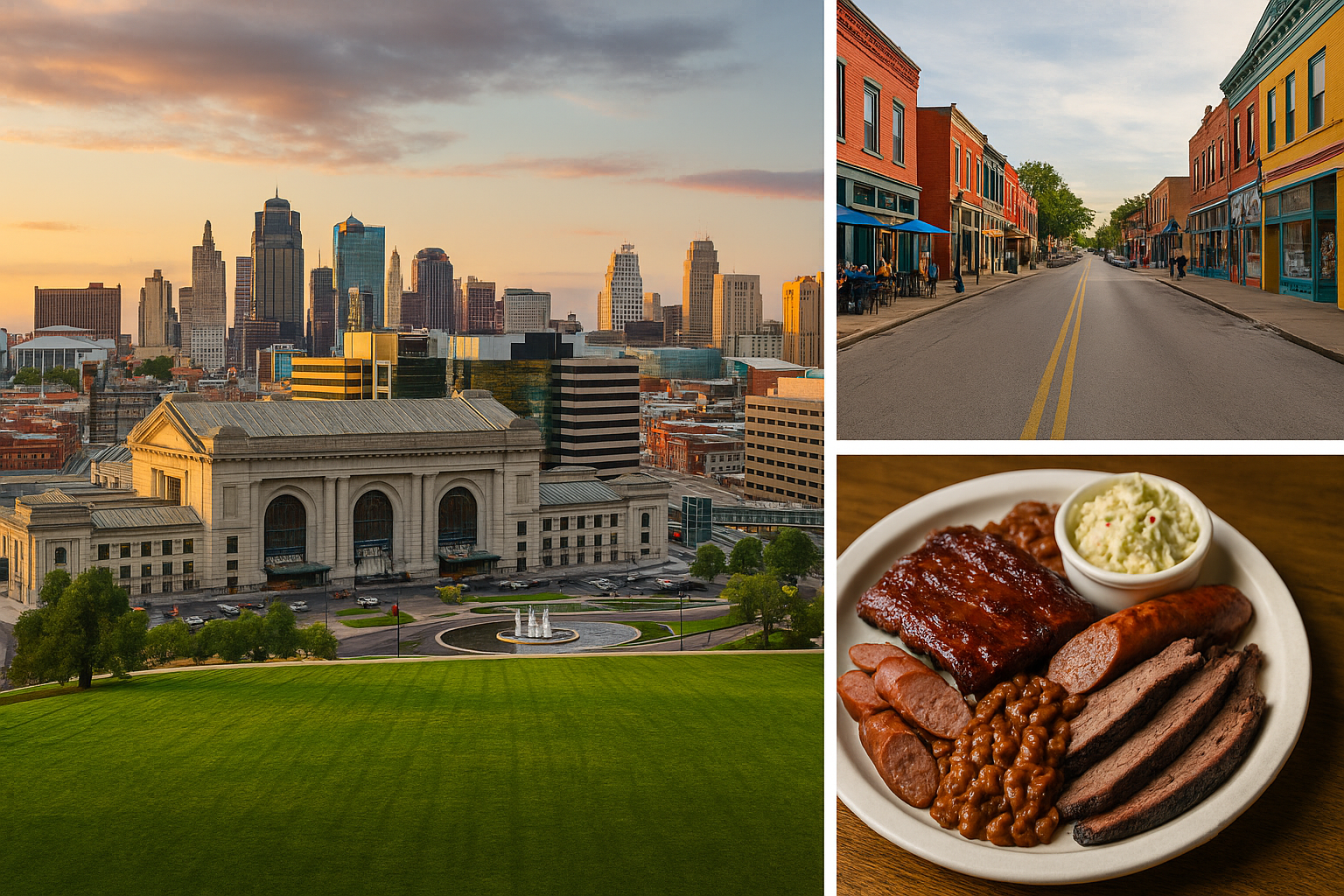
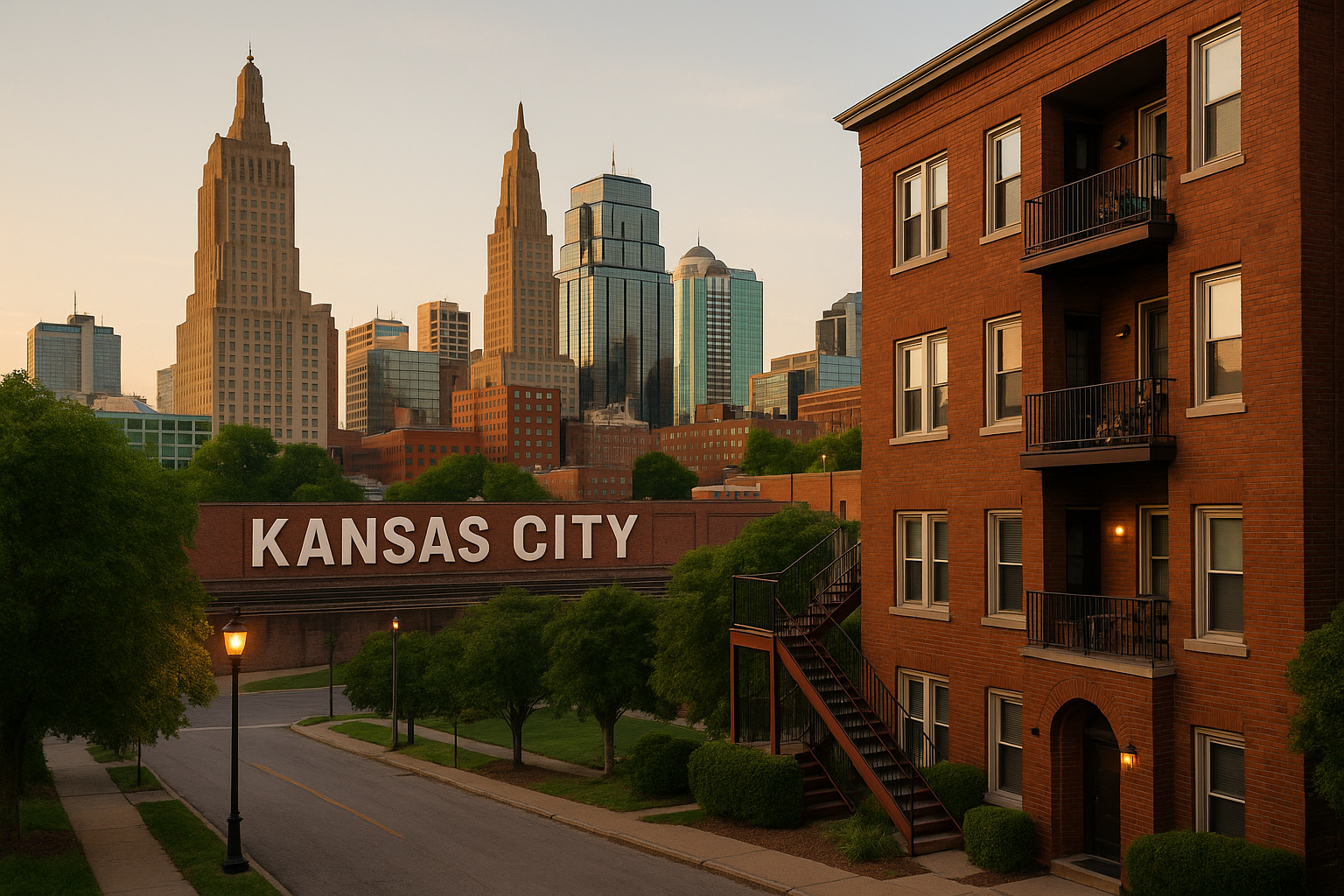
Choosing where to stay in Kansas City comes down to what kind of trip you’re after. If you want walkability, coffee shops, and a creative atmosphere, the Crossroads Arts District is your neighborhood. It’s a former industrial area that’s been transformed into one of the city’s most vibrant creative hubs — galleries, independent restaurants, rooftop bars, and murals around every corner. Staying here puts you close to the action without feeling overwhelmed by it.
If you want something a little more polished but still full of character, Country Club Plaza is worth considering. It’s one of the oldest outdoor shopping districts in the country, and the architecture has a distinctive Spanish-influenced style that makes it feel unlike anywhere else in the Midwest. The area is walkable, well-connected, and surrounded by good places to eat and drink. It’s the kind of neighborhood where you can spend an entire afternoon just wandering and stumble into something genuinely interesting.
For travelers who want to feel like they’ve discovered something, the 18th & Vine Jazz District is essential. This is where Kansas City’s jazz history lives — and it’s not a museum piece. The district has real venues, real music, and a cultural weight that you feel when you walk through it. Staying nearby means you can step out at night and catch live jazz without planning anything in advance. Some of the best travel memories happen exactly like that.
What to Eat and Experience
Kansas City BBQ is not a trend. It’s a tradition, and locals take it seriously. The style here leans toward slow-smoked meats with a thick, slightly sweet tomato-based sauce — different from the vinegar-forward styles you’ll find in the Carolinas or the dry rubs of Texas. You’ll find BBQ joints ranging from casual counter-service spots to sit-down restaurants, and the quality is consistently high across the board. Go hungry. Order more than you think you need.
Beyond BBQ, the city’s food scene has expanded dramatically. The Westside neighborhood has a strong Latin American food culture, and the River Market area has a farmers market that runs regularly and gives you a genuine sense of how locals shop and eat. If you’re curious about where to stay in Kansas City and want to be close to all of this, the River Market itself has some great accommodation options that put you right in the middle of daily city life.
For a broader look at what Kansas City has to offer in terms of lodging and neighborhood breakdowns, Travel Lemming’s Kansas City guide is a solid resource worth bookmarking before your trip.
Day Trips and Road Trip Extensions
One of Kansas City’s underrated advantages is its location. Within a few hours in any direction, you can reach the Ozarks, the Flint Hills of Kansas, or smaller towns with their own distinct character. If you’re building a longer road trip, Kansas City works beautifully as a base or a midpoint. You can spend a few days exploring the city itself, then branch out and discover the surrounding region at your own pace. The freedom of having a car in this part of the country is real — the landscapes change quickly, and the roads are genuinely scenic.
Memphis: Where the Music Is Still Alive
Memphis sits on the eastern bank of the Mississippi River in Tennessee, and it carries its history in a way that feels lived-in rather than staged. This is the city where blues music took shape, where soul food became a culinary art form, and where the civil rights movement left some of its most significant marks. It’s a city with weight and depth, and if you approach it with genuine curiosity, it will give you a lot in return.
Finding Your Base in Memphis
Beale Street is the obvious starting point for first-time visitors — the live music, the energy, the neon lights. It’s worth a night or two, especially if you want to experience the concentrated version of Memphis’s musical heritage. But if you’re staying for more than a couple of days, consider basing yourself in Midtown instead. It’s a more residential, walkable neighborhood with independent restaurants, vintage shops, and a creative community that gives you a different angle on the city.
The South Main Arts District is another strong option. It’s been quietly growing into one of the most interesting parts of the city, with galleries, coffee shops, and a monthly art trolley night that brings the neighborhood to life. Staying here gives you easy access to the Mississippi Riverfront and the broader downtown area without being right in the middle of the tourist strip.
Food, Music, and Culture
Memphis-style BBQ is distinct from Kansas City’s — here, dry-rubbed ribs are the signature, and the emphasis is on the quality of the smoke and the meat rather than the sauce. You’ll find BBQ spots ranging from legendary institutions to small neighborhood joints, and both are worth trying. The contrast tells you something about how the city works: it has its icons, but the real discoveries happen when you wander off the main path.
The city’s connection to music history is impossible to ignore, and it shouldn’t be. Sun Studio, where some of the most influential recordings in American music were made, offers tours that are genuinely engaging — not just for music fans, but for anyone interested in how culture gets created. Stax Museum of American Soul Music tells a similarly powerful story and is one of those places you’ll still be thinking about long after you’ve left.
Memphis also has a significant and moving civil rights history. The National Civil Rights Museum, built around the Lorraine Motel, is one of the most important museums in the United States. If you visit Memphis and skip it, you’ve missed something essential about the city and the country.
Ojai: California’s Quiet Valley with a Surprising Depth
Ojai is a small city in Ventura County, California, tucked into a valley in the Topatopa Mountains about ninety minutes north of Los Angeles. It has a reputation as a wellness destination — and that’s fair — but reducing it to that label misses what makes it genuinely interesting. Ojai has a strong arts community, a commitment to local agriculture, and a slower pace that feels like a genuine counterpoint to the intensity of Southern California’s bigger cities.
Where to Stay and How to Experience It
Ojai is small enough that staying anywhere in town puts you within easy reach of everything. The main strip, Ojai Avenue, is lined with independent shops, galleries, and restaurants that reflect the town’s creative community. The surrounding countryside is full of hiking trails, orange groves, and viewpoints that reward early risers — the famous “pink moment” at sunset, when the mountains turn a warm rose color, is one of those natural phenomena that actually lives up to its reputation.
Accommodation options range from boutique hotels and inns to vacation rentals in the hills. If you’re traveling with a group, renting a house outside of town gives you a different experience — mornings on the porch with the mountains in view, evenings cooking with produce from the local farmers market. If you want something more social, the town’s smaller inns often have communal spaces where you’ll meet other travelers.
Food, Farms, and the Local Scene
Ojai takes its food seriously in the way that small California towns with strong agricultural roots tend to do. The farmers market is a genuine community gathering point, not a tourist attraction. Local restaurants source ingredients from nearby farms, and the emphasis on seasonal, local cooking is evident in menus across the board. The Ojai Valley is particularly known for its citrus — the Pixie tangerine, a small and intensely sweet variety, has become something of a local symbol and is worth seeking out if you’re visiting in season.
The arts scene is quietly impressive for a town of this size. Galleries, studios, and performance spaces are woven into the fabric of the community, and the town hosts arts events throughout the year that bring in visitors from across Southern California. If you’re someone who connects with creative communities when you travel, Ojai will feel like a discovery.
Practical Tips for Visiting All Three Cities
- Get a car. All three cities reward exploration, and public transit won’t get you everywhere you want to go — especially in Ojai and the areas surrounding Kansas City and Memphis.
- Book accommodation in advance for weekends. These cities are increasingly popular, and the best spots fill up quickly, particularly during local events and festivals.
- Eat where locals eat. The most memorable meals in Kansas City, Memphis, and Ojai will not be in places with the most reviews online. Ask at your accommodation, walk into places that look busy at lunchtime, and follow your instincts.
- Give yourself more time than you think you need. All three cities have a depth that reveals itself slowly. A single day in any of them will leave you feeling like you’ve only scratched the surface.
- Combine them into a longer trip. Kansas City and Memphis are within a day’s drive of each other, making them natural road trip companions. Ojai works beautifully as a California add-on if you’re already heading west.
For a broader sense of what’s drawing travelers to American cities right now, Condé Nast Traveler’s 2026 US destinations guide is a great starting point for building out your itinerary.
Why These Cities Deserve a Spot on Your Map
There’s a version of American travel that follows the same well-worn path — New York, LA, Chicago, Miami. Those cities are worth visiting, genuinely. But Kansas City, Memphis, and Ojai offer something different: the chance to experience American culture in a less filtered, more authentic way. You’ll eat better, spend less, and come away with stories that feel genuinely yours rather than borrowed from someone else’s Instagram feed.
Figuring out where to stay in Kansas City is just the beginning. Once you’re there — wandering through the Crossroads, catching live jazz at 18th & Vine, eating BBQ at a counter with no frills and no pretension — you’ll understand why this city keeps pulling people back. Memphis will give you music and history in equal measure. Ojai will slow you down in the best possible way. Together, they make a compelling case for looking beyond the obvious and discovering the America that doesn’t always make the headlines but always makes an impression. Your next road trip is already taking shape — you just have to start driving.
This article was produced with AI assistance and reviewed editorially.


City Guides for Young Travelers: Buenos Aires, Quito, and Trujillo (Culture, Food & Adventure)

Where to Stay in Southern Africa: Botswana, Namibia & Madagascar for First-Time Visitors


