
Croatia
European Hiking Escapes: Where to Stay in Croatia’s Korcula & the UK’s Peak District (2026)
Discover authentic hiking destinations in Croatia’s Korčula and England’s Peak District. Find affordable guesthouses, mountain lodges, and trail guides for 2026.

Two Hiking Destinations in Europe That Deserve a Spot on Your Radar
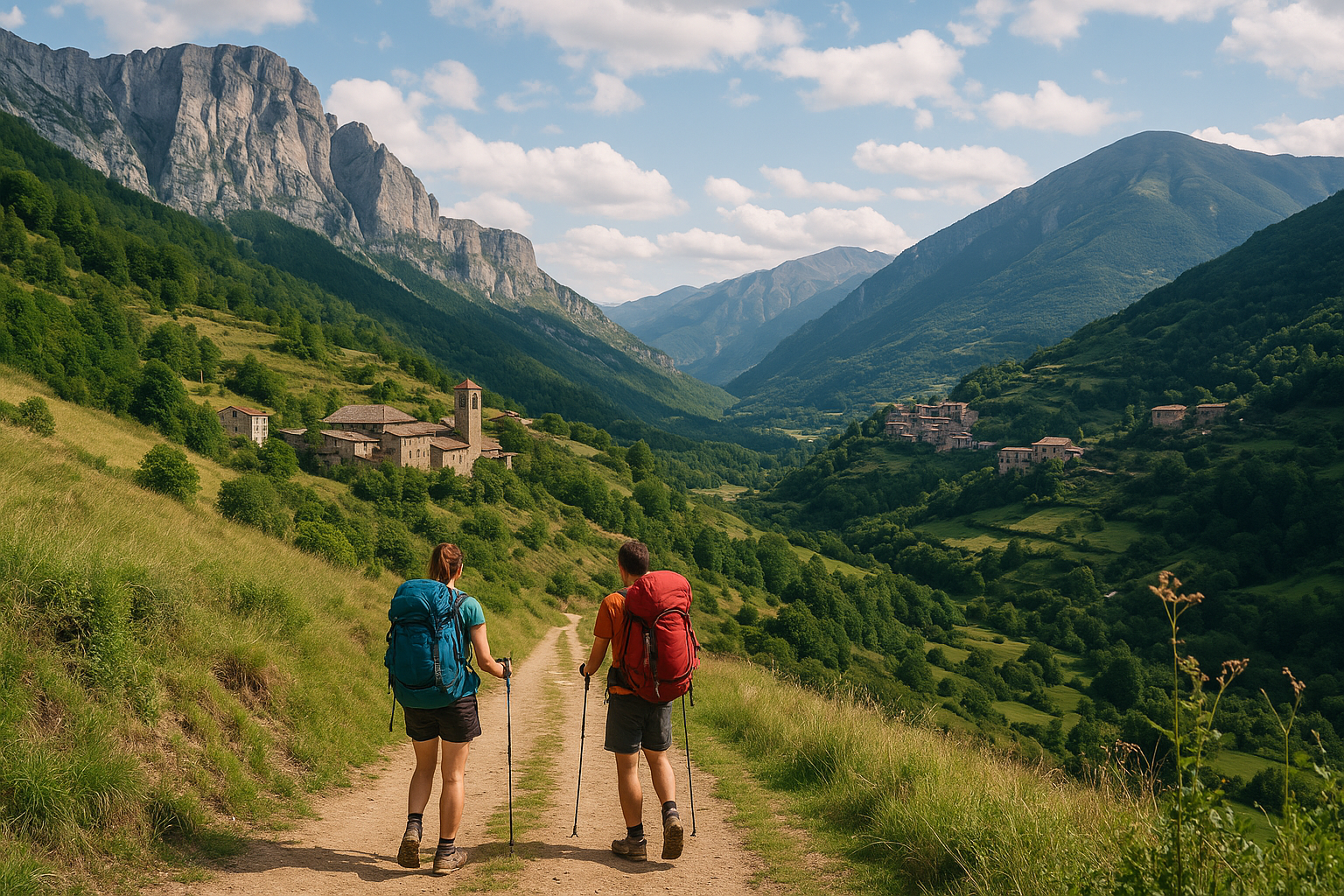
If you’re putting together a hiking europe accommodation guide for your next big adventure, you’ve probably already scrolled past the same ten destinations a hundred times. Santorini. Barcelona. Amsterdam. Beautiful? Absolutely. But there’s a whole other Europe out there — one with quiet trails, sea views, stone villages, and guesthouses where the owner brings you homemade wine before dinner. This guide focuses on two destinations that offer exactly that kind of experience: Croatia’s Korčula Island on the Dalmatian coast, and the Peak District in the heart of England. Both reward curious, adventurous travelers who’d rather earn a view than queue for one.
Korčula, Croatia: The Island That Rewards the Curious
First, let’s get the pronunciation right: it’s KOR-chu-la. Say it a few times. You’ll want to drop it confidently when people ask where you’ve been, and trust us — they will ask. Korčula is a small Dalmatian island of 276 square kilometres, located beneath mainland Croatia’s sprawling coastline, near Dubrovnik and Hvar. It’s part of one of the most popular travel regions in Europe, a country celebrated for its stunning beaches, rugged islands, historic architecture, and sailing culture. But Korčula itself? It’s quieter than its famous neighbours. That’s exactly the point.
The island offers quiet beaches, unspoiled landscapes, and a genuinely crowd-free atmosphere — a rarity in this part of the Adriatic. While the ferries to Hvar fill up and Dubrovnik’s old city walls get shoulder-to-shoulder in peak summer, Korčula moves at a different pace. You can walk through the old town’s medieval lanes in the morning, find a secluded cove by afternoon, and watch the sun drop behind the Pelješac peninsula without another tourist in sight.
What Makes Korčula Worth the Journey
Korčula Town itself is a genuinely striking place. Built on a small peninsula that juts into the sea, the old town is a compact maze of narrow streets, honey-coloured stone buildings, and Venetian-Gothic architecture. It’s the kind of place that rewards slow exploration. Wander without a map. Duck into a courtyard. Find the spot where locals actually eat lunch.
Beyond the town, the island opens up into pine forests, vineyards, and coastal paths that connect small villages. The island’s interior is green and relatively untouched, with olive groves and quiet roads that are ideal for hiking or cycling. You’re not going to find dramatic Alpine passes here, but you will find trails that wind through Mediterranean scrubland and deliver you to clifftops with views of the open Adriatic. It’s a different kind of beauty — softer, more intimate, and deeply satisfying.
The local wine culture is worth mentioning too. Korčula is known for its white wine, particularly Grk and Pošip — grape varieties grown almost exclusively on the island and the nearby Pelješac peninsula. Stopping at a family-run winery along a trail isn’t just allowed; it’s encouraged. This is the kind of travel experience that doesn’t show up in itineraries but becomes the story you tell for years.
Where to Stay on Korčula
Accommodation on Korčula runs the full spectrum from private rooms in family homes to boutique guesthouses in the old town. For hikers and budget-conscious travelers, the best options tend to be the smaller, locally-run places that put you in direct contact with the island’s community. Staying in a family-run soba (private room) or a small guesthouse gives you access to local knowledge that no app can replicate — the trail that isn’t on the map, the beach that only fills up on Sundays, the restaurant where the fisherman brings his catch directly to the kitchen.
Korčula Town is the most convenient base if you want to explore on foot, with easy access to the ferry port and the old town’s restaurants and bars. But if you’re after something quieter, the smaller villages scattered across the island — places like Lumbarda to the southeast, or Vela Luka to the west — offer a more local atmosphere and often cheaper rates. Lumbarda, in particular, sits among vineyards and has a relaxed, almost village-holiday feel that suits hikers perfectly.
For practical planning, resources like The Broke Backpacker’s Korčula accommodation guide break down the different areas of the island with useful budget-focused advice, while Korčula Explorer offers a locally-informed perspective on the island’s distinct neighbourhoods and what each one offers.
Booking early is advisable if you’re visiting in July or August, when even the quieter Dalmatian islands see a significant uptick in visitors. Shoulder season — late spring and early autumn — is when Korčula really shines for hikers. The temperatures are comfortable for walking, the sea is still warm enough to swim in, and the island feels genuinely unhurried.
The Peak District, England: Wild Moorland and Stone Village Charm
Swap the Adriatic for the English Midlands, and you get a completely different kind of hiking adventure — but one that’s no less rewarding. The Peak District, Britain’s first national park, stretches across parts of Derbyshire, Staffordshire, Cheshire, and South Yorkshire. It’s a landscape of dramatic contrasts: dark gritstone moorlands in the north, rolling limestone dales in the south, and everywhere in between, dry-stone walls, ancient footpaths, and villages that look like they’ve barely changed in centuries.
For young travelers based in the UK or passing through northern England, the Peak District is one of those destinations that consistently over-delivers. It’s accessible — close to cities like Manchester, Sheffield, and Nottingham — but once you’re on the trail, it feels genuinely remote. That tension between accessibility and wildness is part of what makes it so appealing.
The Two Faces of the Peak District
Understanding the Peak District means understanding its two distinct halves. The Dark Peak, in the north, is the wilder of the two. Think vast open moorlands, peat bogs, and dramatic gritstone edges like Stanage Edge — a long escarpment that’s become iconic among walkers and climbers alike. The views from the top stretch for miles in every direction, and on a clear day, the scale of the landscape is genuinely humbling.
The White Peak, in the south and centre, has a softer character. Limestone valleys — called dales — cut through the plateau, creating sheltered routes lined with wildflowers and dotted with rivers. Dovedale is one of the most visited, with stepping stones across the River Dove and dramatic limestone pillars rising from the valley floor. But head a little further off the main paths and you’ll find quieter dales that feel almost entirely your own.
Routes range from gentle valley walks suitable for beginners to challenging moorland crossings that require navigation skills and proper gear. The Pennine Way, one of England’s most famous long-distance trails, begins in the Peak District, starting from the village of Edale. Walking even a section of it gives you a real sense of the landscape’s scale and character.
Where to Stay in the Peak District
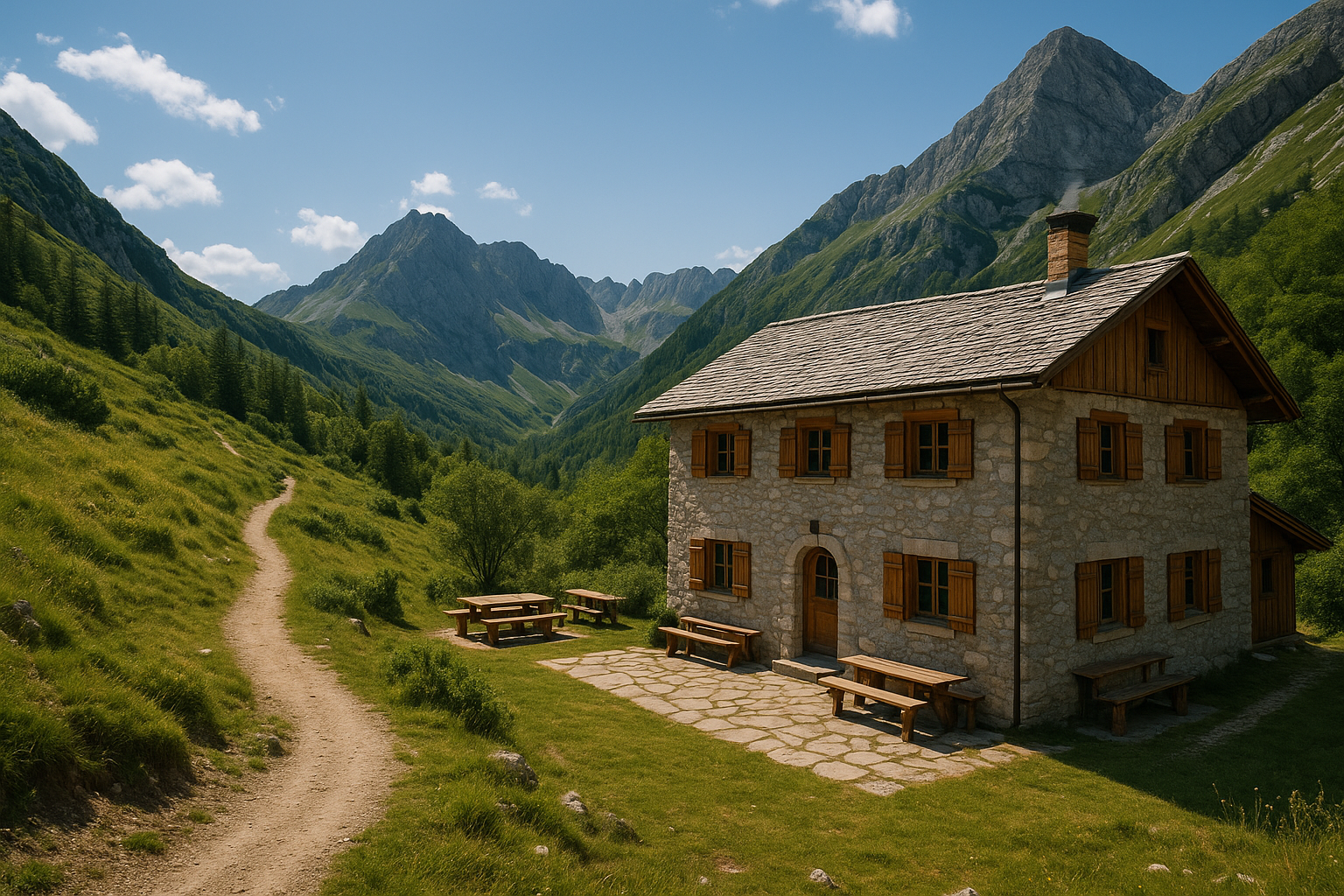
Accommodation in the Peak District is wonderfully varied and, compared to many European hiking destinations, genuinely hiker-friendly. The national park is dotted with traditional stone villages — Castleton, Hathersage, Bakewell, Hartington — each with a mix of pubs offering rooms, independent guesthouses, and self-catering cottages. Staying in one of these villages rather than commuting from a nearby city completely changes the experience. You wake up to birdsong, step out the door onto a footpath, and end the day in a pub with a fire and local ale.
Youth hostels are a strong option for budget travelers. The national park has several well-placed hostels, including ones in Edale and Castleton, that cater specifically to walkers and climbers. They’re social, practical, and often staffed by people who can point you toward the best trails for your ability and interests. Camping is another popular choice, with several campsites within the park boundary that put you right in the landscape.
For a slightly more comfortable stay, many of the Peak District’s village pubs offer bed and breakfast accommodation that’s genuinely good value. You get a proper cooked breakfast, local knowledge from the landlord, and the kind of warmth that makes a rainy hiking day feel like part of the adventure rather than a setback.
Comparing the Two: Different Landscapes, Same Spirit
What connects Korčula and the Peak District — despite being separated by climate, geography, and culture — is the quality of the experience they offer. Both destinations reward travelers who are willing to slow down, explore on foot, and engage with their surroundings rather than rushing through them. Both have accommodation options that put you in contact with local communities rather than isolating you in a resort bubble. And both are significantly less crowded than the headline destinations that dominate European travel conversations.
Korčula suits you if you’re drawn to Mediterranean warmth, coastal trails, historic old towns, and the particular pleasure of swimming in clear Adriatic water after a morning hike. The Peak District suits you if you want wild moorland, dramatic edges, cozy village pubs, and the satisfaction of navigating a landscape that demands your full attention. The good news is that if you’re planning a longer European trip, there’s no reason you can’t do both.
Practical Tips for Planning Your Hiking Trip
Whether you’re using this as a hiking europe accommodation guide for a single destination or building a multi-stop itinerary, a few practical principles apply across both locations.
- Book accommodation early for peak season. Both destinations see increased visitor numbers in summer. Shoulder seasons — May to June and September to October — offer the best combination of good weather and quieter trails.
- Pack layers. Even in summer, conditions can change quickly on moorland or coastal paths. A lightweight waterproof and a mid-layer are non-negotiable, especially in the Peak District.
- Choose accommodation close to the trailhead. Staying in a village with direct access to footpaths saves time and money on transport, and it makes the whole experience feel more immersive.
- Talk to your hosts. Whether it’s a family running a guesthouse in Korčula or a landlord in a Peak District pub, local knowledge is your most valuable resource. Ask about the trails they actually walk, not just the ones on the tourist map.
- Travel light but travel prepared. Good walking boots, a reusable water bottle, sun protection for Croatia, and a detailed map or reliable offline navigation app for the Peak District will all earn their place in your pack.
- Be flexible. Some of the best moments on any hiking trip happen when you abandon the plan — a detour down an unmarked path, a conversation with a local that leads to a hidden viewpoint, an unexpected swim in a cove you nearly walked past.
Why These Destinations Belong in Your 2026 Plans
Travel in Europe is evolving. More and more young travelers are moving away from the crowded highlights and toward destinations that offer genuine experiences — places where the landscape, the culture, and the people are the attraction, not just the backdrop. Korčula and the Peak District both fit that description perfectly. They’re not undiscovered — people have been falling in love with both for generations — but they haven’t been flattened by overtourism either. There’s still something real to find in both places.
A thorough hiking europe accommodation guide isn’t just about knowing where to sleep. It’s about understanding how the right base can transform a trip — how waking up in a stone village with a trail out the front door feels completely different from commuting to a trailhead from a city hotel. It’s about choosing places that put you inside the experience rather than observing it from a distance. Both Korčula and the Peak District do exactly that, and they do it in ways that stay with you long after you’ve come home.
So whether you’re planning your first solo hiking trip or adding another chapter to an ongoing European adventure, these two destinations offer something genuinely worth seeking out. Pack your boots, book a room in a village, and go find out for yourself.
This article was produced with AI assistance and reviewed editorially.


City Guides for Young Travelers: Buenos Aires, Quito, and Trujillo (Culture, Food & Adventure)

Where to Stay in Southern Africa: Botswana, Namibia & Madagascar for First-Time Visitors


