
Roaming Around the World
The Art of Getting Lost: Why Wandering Without a Plan Leads to the Best Stories
Discover how spontaneous travel works, why it creates unforgettable memories, and how to do it confidently — with practical tips on last-minute trips, budgeting, solo adventures, and building a mindset that says yes.

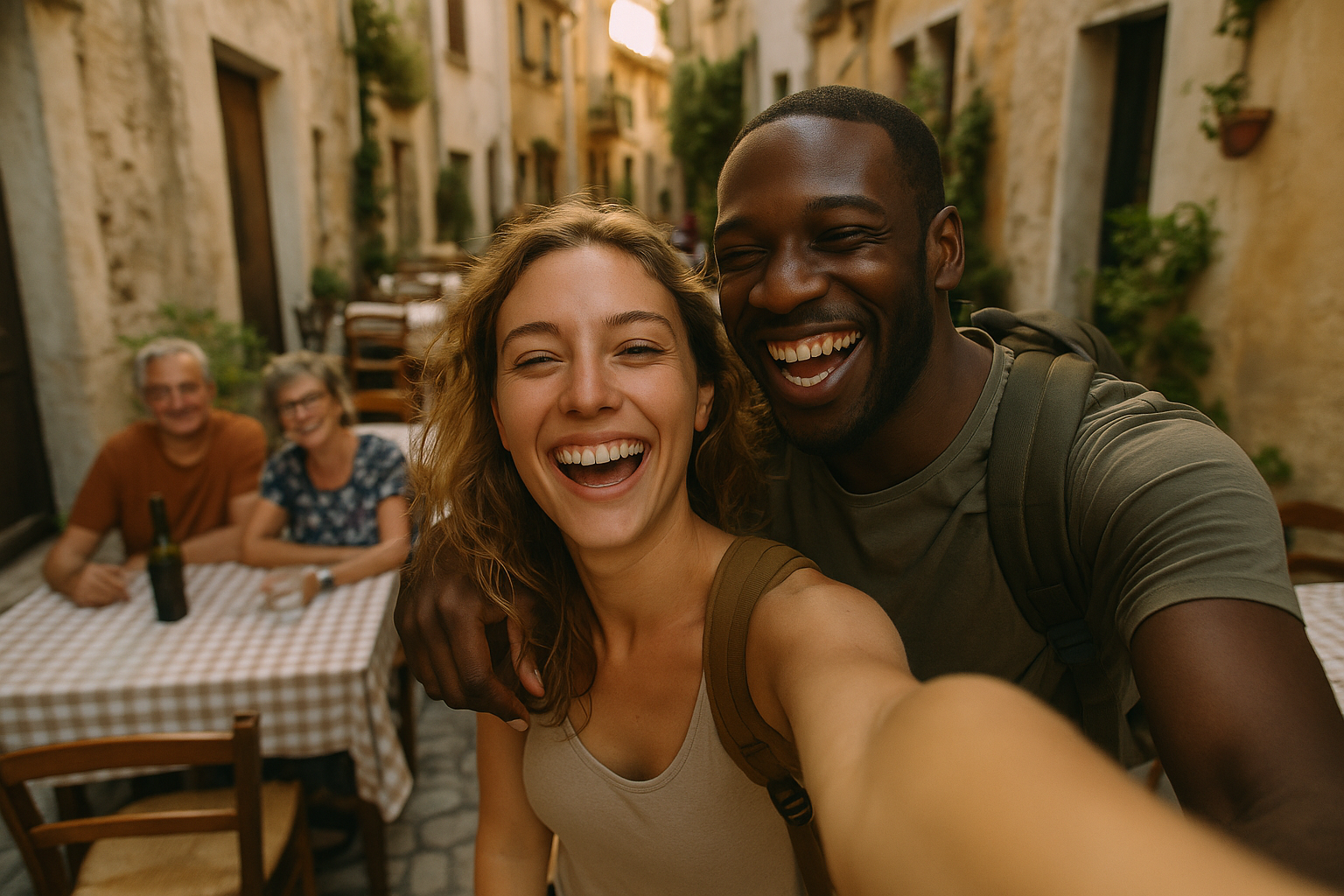
The Art of Getting Lost: Why Spontaneous Travel Leads to the Best Stories
Spontaneous travel is one of those things that sounds either thrilling or terrifying depending on who you ask — and honestly, that tension is exactly what makes it worth exploring. There’s a particular kind of magic that happens when you put down the itinerary, take a wrong turn, and end up somewhere you never planned to be. The food is better. The people are warmer. The memory sticks.
This isn’t just a feeling. There’s real science behind why unplanned moments tend to become the stories we keep telling for years. And if you’ve ever wondered how to actually travel spontaneously — without the stress — you’re in the right place. Whether you’re planning your first last-minute getaway or you’re a seasoned wanderer looking to lean further into the unexpected, this guide covers everything you need to know: what spontaneous travel really means, why it works, how to do it on a budget, and how to make it feel exciting rather than chaotic.
What Is Spontaneous Travel, Really?
Spontaneous travel doesn’t mean booking a flight at midnight on a whim and hoping for the best (though sometimes that works out beautifully). At its core, it’s about leaving room for the unexpected. It’s choosing flexibility over a fixed plan, curiosity over a checklist, and openness over control.
It can look like a last-minute weekend trip to a city you’ve always been curious about. Or it can mean arriving somewhere with only your accommodation sorted and letting the rest unfold day by day. The common thread? You’re not trying to optimize every hour. You’re giving the trip space to surprise you.
That’s what separates spontaneous travel from just traveling without a plan. One feels freeing. The other feels chaotic. The difference is intention.
Why Spontaneous Travel Creates Unforgettable Memories
When you encounter something genuinely new — a street you’ve never seen, a conversation you didn’t expect, a dish you can’t name — your brain pays attention in a different way. Novelty triggers the release of dopamine, which plays a key role in memory consolidation. In simple terms, surprising experiences are more likely to be remembered vividly and for longer.
Research in cognitive neuroscience suggests that novelty-seeking activates reward pathways in the brain, reinforcing curiosity and making you more open to the world around you. When you follow a strict itinerary, every moment is anticipated. When you wander, every moment is a discovery.
There’s also something to be said about decision fatigue. Planning every hour of a trip is exhausting. Choosing where to eat, which museum to visit, which route to take — these decisions pile up and drain your mental energy before the day is even half over. Letting go of that structure doesn’t just feel freeing. It actually gives your mind space to breathe, to notice things, and to be present in a way that rigid planning rarely allows.
The Difference Between Getting Lost and Wandering
There’s an important distinction worth making here. Getting lost — genuinely disoriented, anxious, unsure of your safety — isn’t the goal. Wandering is something different. It’s intentional exploration without a fixed destination. You know roughly where you are. You just don’t know what’s around the next corner, and that’s the whole point.
Think of it as giving yourself permission to follow curiosity instead of a schedule. You notice a narrow alley that smells like fresh bread. You follow it. You end up in a small courtyard where a grandmother is selling handmade ceramics out of her front door. You buy one. You talk for twenty minutes with the help of hand gestures and a translation app. You leave with a story that no travel guide could have given you.
That’s spontaneous travel at its best — not chaos, but openness.
The Social Magic of Unplanned Moments
Some of the most meaningful connections happen when you’re not trying to make them. When you’re following a rigid schedule, you move through places with a purpose that keeps other people at arm’s length. When you’re wandering, you become approachable. You stop to ask for directions. You sit at the bar instead of a corner table. You say yes to the invitation from the group of locals you just met at a market.
Spontaneous travel creates the conditions for genuine cultural exchange. You’re not a tourist ticking boxes — you’re a curious person navigating an unfamiliar world, and that vulnerability is surprisingly magnetic. People respond to it. They want to help, to share, to show you something you wouldn’t find in any app.
These encounters also tend to challenge assumptions. You arrive in a city with certain expectations, and then a random conversation completely reframes how you see it. That’s the kind of perspective shift that stays with you long after the trip ends.
How to Plan a Spontaneous Trip (Yes, Really)
Here’s the thing nobody tells you: the best spontaneous trips still have a loose structure underneath them. You’re not throwing all preparation out the window. You’re just holding it lightly.
Pick a Direction, Not a Destination
Instead of locking in a packed itinerary, choose a region or a general vibe. “I want to explore the coast.” “I want to spend time in a city with a strong food scene.” That gives you a starting point without boxing you in. From there, let the details fill themselves in as you go.
Book the First Night, Leave the Rest Open
Arriving somewhere with no accommodation sorted is stressful, not adventurous. Book your first night so you have a base to land on. After that, give yourself the freedom to extend your stay, move on early, or change direction entirely based on what you discover.
Travel Light So You Can Move Fast
A heavy bag is the enemy of spontaneity. When you’re carrying everything you own, every decision feels harder. Pack light, keep your essentials in one bag, and you’ll find it much easier to say yes to an unexpected detour or an extra day somewhere you didn’t plan to love.
👉 Read also: How to Travel Smarter: Photography, Transportation & Planning Tips (2026)
Use Apps as a Starting Point, Not a Script
Travel apps are useful for finding last-minute accommodation, checking transport options, or getting a rough sense of a neighborhood. But don’t let them replace the experience of actually looking around. Use them to solve problems, not to plan every moment.
Set Fare Alerts and Stay Ready
One of the best ways to make spontaneous travel a regular part of your life is to stay quietly prepared. Set fare alerts for destinations you’re curious about. Keep a bag half-packed if you can. Know your passport’s expiry date. When the right opportunity appears — and it will — you want to be able to say yes without scrambling.
How to Embrace Spontaneity Without Losing Your Mind
Spontaneous travel doesn’t mean being unprepared. There’s a practical foundation that makes wandering feel exciting rather than stressful.
- Know the basics. Have your accommodation sorted, know how to get back to it, and keep emergency contacts accessible. Freedom works best when you have a safety net.
- Leave gaps in your schedule. You don’t need to abandon planning entirely. Just build in unstructured time — a free afternoon, an open evening — and see where it takes you.
- Put your phone away sometimes. GPS is useful, but it also removes the experience of navigating by instinct and observation. Try walking without a destination for an hour and see what you find.
- Say yes more often. To the café that looks too local to have an English menu. To the detour someone recommends. To staying one more day in a place that surprised you.
- Trust your instincts about safety. Spontaneity and awareness aren’t opposites. Staying informed about your surroundings is always smart, wherever you are.
Spontaneous Travel on a Budget: It’s More Doable Than You Think
One of the biggest myths about last-minute travel is that it’s expensive. Sometimes it is — but often, the opposite is true. Last-minute flight deals, flexible accommodation platforms, and the simple fact that you’re not over-planning (and therefore over-spending) can make spontaneous trips surprisingly affordable.
A few things that help:
- Set fare alerts for destinations you’re curious about and jump when the price drops.
- Stay in hostels or guesthouses where you can book night by night without penalties.
- Eat where locals eat — not just because it’s cheaper, but because it’s almost always better.
- Be willing to travel mid-week or off-season, when prices drop and crowds thin out.
- Keep a small “adventure fund” — even a modest amount set aside specifically for spontaneous trips changes how you think about opportunities when they come up.
Spontaneous travel isn’t a luxury. It’s a mindset. And with a little financial flexibility, it’s accessible to almost anyone.
The Best Destinations for Spontaneous Travel Right Now
Any destination can reward a spontaneous approach, but some places are particularly well-suited to it. You want somewhere with reliable public transport so you can move freely, a mix of neighborhoods worth wandering through, and a local food scene that makes every random lunch a small adventure.
Cities like Lisbon, Medellín, Tbilisi, and Chiang Mai consistently come up among travelers who love unplanned exploration — not because they’re trendy, but because they’re genuinely easy to navigate on a whim and full of hidden gems that no algorithm will hand you. Coastal regions and island-hopping routes also lend themselves naturally to spontaneous travel, where the next stop is simply wherever the next ferry goes.
Looking further afield? Destinations like Sarajevo, Oaxaca, and Porto are worth serious attention this year — compact enough to explore on foot, layered enough to keep surprising you. They reward the kind of slow, curious wandering that spontaneous travel is all about.
The honest truth? The best destination for a spontaneous trip is wherever you’ve been quietly curious about lately. Start there.
Last-Minute Travel Ideas to Get You Moving
Sometimes the hardest part of spontaneous travel is simply deciding to go. If you’re staring at a free weekend and waiting for inspiration, here are a few ways to spark it.
The Random Map Method
Open a map, zoom out, and drop a pin somewhere you’ve never seriously considered. Look up whether there’s a cheap flight or a train connection. If the answer is yes, that’s your destination. It sounds ridiculous until you actually do it — and then it becomes one of your favorite stories.
Follow a Theme, Not a Place
Instead of picking a city, pick an experience. “I want to eat incredible street food.” “I want to swim somewhere I’ve never swum before.” “I want to spend a weekend in a mountain town.” Let the theme guide you to the destination, not the other way around. You’ll be surprised how many options open up when you think this way.
Say Yes to the Cheapest Flight Available
Pull up a flexible flight search, set your departure city, and sort by price with no destination filter. Wherever the cheapest flight goes this weekend — that’s where you’re going. It’s one of the purest forms of spontaneous travel, and it consistently leads somewhere unexpected and worth it.
Revisit Somewhere You Rushed Through
Think back to a place you passed through too quickly on a previous trip. A city you only had one night in. A town you saw from a train window. A neighborhood you meant to explore but never did. Spontaneous travel doesn’t always mean somewhere new — sometimes it means going back and actually giving a place the time it deserves.
Take the Next Train Out
Head to your nearest train station, check the departures board, and buy a ticket for whatever’s leaving in the next hour. No research, no expectations — just a direction. This works especially well in Europe, where rail networks connect dozens of cities and towns you’d never think to Google. Some of the most underrated places are the ones you stumble into rather than seek out.
Spontaneous Travel Tips for Solo Travelers
Traveling solo and traveling spontaneously are a natural match. When it’s just you, there’s no one else’s schedule to negotiate, no compromises to make, and no one to convince when you want to stay an extra day somewhere unexpected. You move at your own pace, follow your own curiosity, and change direction the moment something more interesting appears on the horizon.
That said, solo spontaneous travel does come with a few things worth keeping in mind:
👉 Read also: Hidden Gems vs. Viral Spots: How to Find Real Experiences Beyond Instagram
- Share your rough plans. You don’t need a minute-by-minute itinerary, but let someone back home know your general whereabouts and check in occasionally.
- Stay in social accommodation. Hostels and guesthouses are ideal for solo spontaneous travelers — they’re flexible, affordable, and full of people who are often up for an unplanned adventure.
- Trust your gut. Solo travel sharpens your instincts quickly. If something feels off, it probably is. If something feels exciting, it probably is too.
- Embrace the solo meal. Eating alone at a local spot is one of the best ways to connect with a place — and often leads to conversations you’d never have had otherwise.
Solo spontaneous travel isn’t something to be nervous about. It’s one of the most freeing ways to experience the world.
Spontaneous Travel with Friends: Making It Work for a Group
Traveling spontaneously with other people adds a layer of complexity — but it also multiplies the fun. The key is agreeing on a shared approach before you leave, not after you’ve already landed somewhere and everyone has a different idea of what to do next.
A few things that make group spontaneous travel smoother:
- Agree on a budget range upfront. Spontaneous decisions are much easier when everyone’s working with similar expectations around spending.
- Designate a rotating “decision-maker.” When the group can’t agree on where to eat or what to do next, one person makes the call — and you rotate that role each day. It keeps things moving and stops the endless “I don’t mind, what do you want to do?” loop.
- Build in solo time. Even in a group, giving everyone a few hours to wander independently keeps energy high and prevents the friction that comes from being together 24/7.
- Stay flexible about splitting up. If half the group wants to hike and the other half wants to explore the market, let them. Reconvene later and swap stories. That’s often where the best conversations happen.
The best group spontaneous trips happen when everyone’s genuinely open to the unexpected — not just in theory, but when the plan actually changes at the last minute.
Spontaneous Travel vs. Planned Travel: Do You Have to Choose?
Not at all. The most satisfying trips often blend both approaches. You might book flights and your first two nights in advance, then leave the rest completely open. Or you might plan one or two experiences you genuinely don’t want to miss — a cooking class, a hike that requires a permit — and let everything else happen organically around them.
Think of planned travel and spontaneous travel less as opposites and more as two ends of a dial. You get to decide where to set it, and you can adjust it mid-trip. The goal isn’t to be maximally unplanned. It’s to stay open enough that the trip can become something better than what you imagined.
How to Build a Spontaneous Travel Mindset Before You Even Leave Home
The best spontaneous travelers aren’t just winging it — they’ve trained themselves to stay curious and adaptable long before they reach the airport. It’s less a travel style and more a way of moving through the world.
A few habits that help:
- Explore your own city like a visitor. Take a different route home. Eat somewhere unfamiliar. Say yes to a neighborhood you’ve always walked past. Spontaneity is a muscle — the more you use it locally, the more natural it feels abroad.
- Follow your curiosity, not the algorithm. When a destination catches your attention — in a conversation, a book, a film — write it down. Keep a loose list of places you’re drawn to for no particular reason. That list becomes your spontaneous travel shortlist.
- Get comfortable with uncertainty. Not every plan needs to be airtight. Practice making decisions with incomplete information. It gets easier, and it makes you a more confident traveler.
- Stay passport-ready. Check your passport’s expiry date right now. Keep it somewhere easy to grab. When a last-minute opportunity appears, the last thing you want is a logistical barrier stopping you from saying yes.
The spontaneous travel mindset isn’t about being reckless. It’s about staying open — to detours, to strangers, to the version of a trip that turns out to be better than anything you planned.
Common Fears About Spontaneous Travel (And Why They’re Smaller Than You Think)
Most people who’ve never tried spontaneous travel have the same handful of worries. They’re worth addressing honestly — because they’re real, but they’re also very manageable.
“What if I can’t find accommodation?”
In most destinations, especially outside peak season, finding a place to stay on the day isn’t as hard as it sounds. Booking platforms show real-time availability, and hostels almost always have walk-in options. The simple fix: book your first night in advance and leave the rest flexible. That one small anchor removes most of the anxiety.
“What if something goes wrong?”
Things go wrong on planned trips too — missed connections, closed attractions, bad weather. The difference is that spontaneous travelers are already in a flexible mindset, which makes adapting feel natural rather than catastrophic. A missed bus becomes an extra hour in a café you’d never have discovered otherwise.
“Isn’t it more expensive to book last minute?”
Not always. Last-minute flight deals, flexible hostel rates, and the fact that you’re not pre-booking every meal and activity can actually keep costs down. The key is staying alert to deals and being willing to move quickly when they appear.
“I’m not spontaneous by nature — is this for me?”
Absolutely. Spontaneous travel isn’t a personality type. It’s a practice. Start small — a day trip with no fixed plan, a weekend away with just accommodation booked — and build from there. The more you do it, the more natural it feels.
Frequently Asked Questions About Spontaneous Travel
How do I start spontaneous travel if I’ve always planned everything?
Start with a low-stakes trip. Book a train or flight to somewhere within a few hours of home, sort your first night’s accommodation, and leave everything else open. Give yourself one full day with no agenda and see what happens. That single experience tends to be enough to shift how you think about travel entirely.
Is spontaneous travel safe?
Yes, with the same awareness you’d bring to any trip. Tell someone your rough plans, keep copies of important documents, have travel insurance, and trust your instincts. Spontaneity doesn’t mean abandoning common sense — it means staying flexible within a framework of basic preparation.
What’s the best way to find last-minute flight deals for spontaneous travel?
Set fare alerts on platforms like Google Flights or Skyscanner for destinations you’re curious about. Use flexible search tools that let you browse by price rather than destination. Mid-week departures and off-season windows consistently offer the best last-minute rates.
Can I travel spontaneously on a tight budget?
Definitely. Spontaneous travel and budget travel are a natural fit. Hostels, local food, flexible transport, and off-season timing all keep costs low. The biggest shift is mindset: keeping a small “adventure fund” ready means you can move quickly when a good opportunity appears.
How do I convince friends to travel spontaneously with me?
Propose something low-commitment first — a weekend trip with just the basics sorted. Once they experience the freedom of an unplanned day, the idea tends to sell itself. The key is framing it as structured enough to feel safe, but open enough to feel exciting.
This article was produced with AI assistance and reviewed editorially.


City Guides for Young Travelers: Buenos Aires, Quito, and Trujillo (Culture, Food & Adventure)

Where to Stay in Southern Africa: Botswana, Namibia & Madagascar for First-Time Visitors


