
LATAM
City Guides for Young Travelers: Buenos Aires, Quito, and Trujillo (Culture, Food & Adventure)
Explore three distinct Latin American cities worth more than a stopover. This travel guide for young travelers covers Buenos Aires neighborhoods, Quito’s mountain energy,

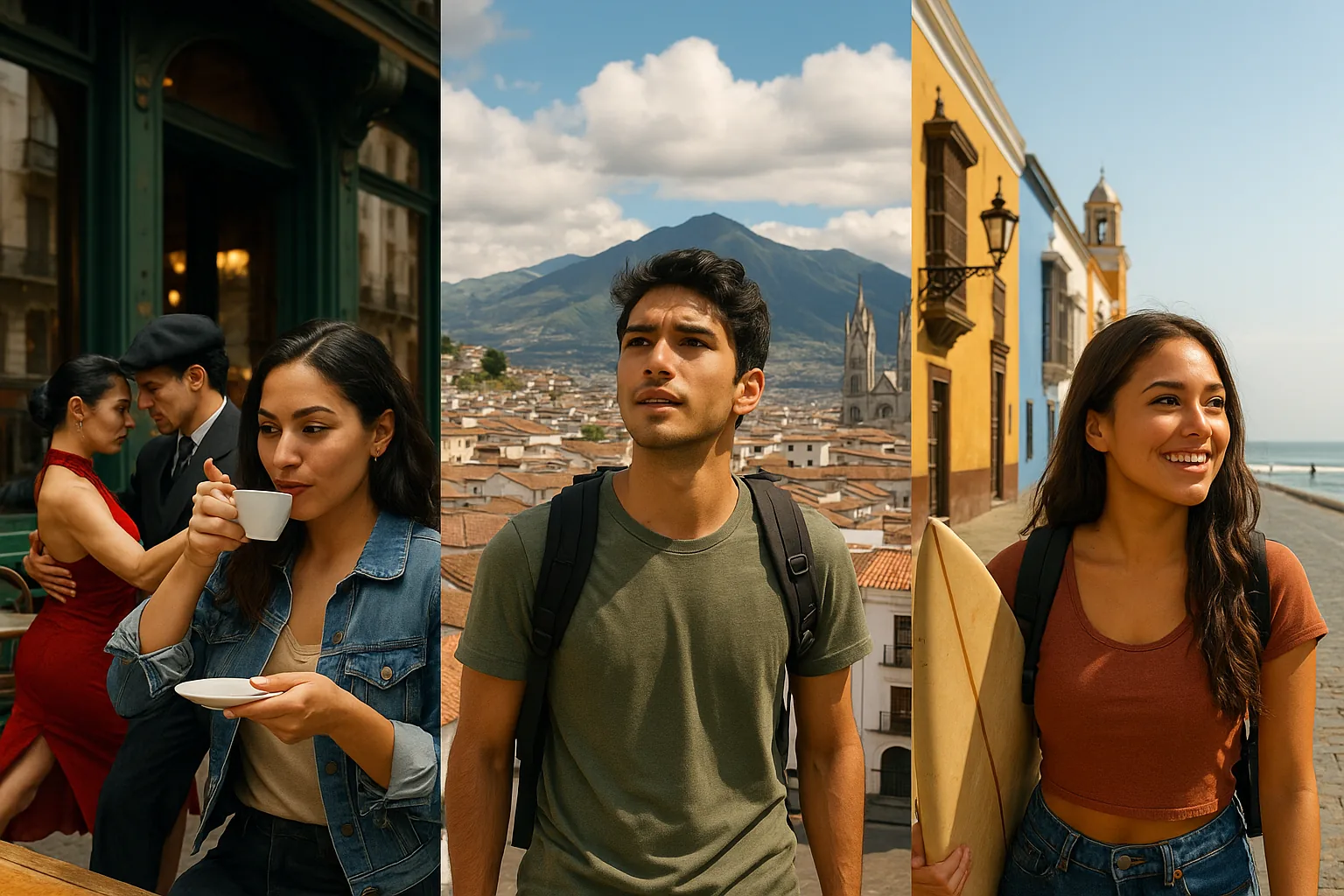
Three Latin American Cities That Deserve More Than a Stopover
If you’re putting together a travel guide for Latin America as a young traveler, the usual suspects tend to dominate every list — Machu Picchu, Rio de Janeiro, the Galápagos. And yes, those places are extraordinary. But some of the most memorable experiences on this continent happen in cities that don’t always make the front page. Buenos Aires, Quito, and Trujillo are three of them. Each has a completely different personality. Each rewards the traveler who slows down and actually pays attention. This travel guide for Latin America’s young travelers is built around exactly that idea: go deeper, stay longer, and let the city surprise you.
Buenos Aires: Where Culture Lives on Every Corner
Buenos Aires is one of those cities that gets under your skin slowly. You arrive, you walk around, you think you understand it. Then a week passes and you realize you’ve barely scratched the surface. It’s a city that rewards curiosity — and it has more than enough to keep a curious traveler busy for a long time.
Neighborhoods Worth Getting Lost In
The city is a patchwork of distinct neighborhoods, each with its own mood and identity. Palermo is the one most young travelers gravitate toward first, and for good reason. It’s full of independent cafés, street art, vintage shops, and parks where locals spend their Sunday afternoons. It doesn’t feel like a tourist district — it feels like a neighborhood where people actually live, which makes it all the more enjoyable to wander through.
San Telmo is older, moodier, and arguably more interesting. The cobblestone streets and crumbling colonial architecture give it a completely different energy from Palermo’s polished cool. The Mercado de San Telmo is a genuine highlight — a covered market that’s been operating for well over a century, where you can find everything from antiques and leather goods to fresh produce and food stalls. Go on a weekend morning when it’s buzzing with locals and visitors alike, grab something to eat, and let yourself wander without a plan.
San Nicolás, the historic center, is where you’ll find the iconic Obelisco — the tall white monument that’s become the city’s most recognizable landmark. The surrounding streets are wide, grand, and full of movement. It’s the Buenos Aires of postcards, but standing in front of that obelisk with the city humming around you, it earns its reputation. The Retiro neighborhood nearby offers a different kind of atmosphere — quieter, with elegant architecture and a slower pace that makes for a pleasant afternoon stroll.
The Food Scene: Serious, Passionate, and Worth Every Peso
Buenos Aires has a culinary culture that goes far beyond steak, though the steak really is as good as people say. The city’s food scene is layered, passionate, and genuinely exciting to explore. You’ll find traditional parrillas (steakhouses) where the grill never stops, but you’ll also find creative restaurants, vibrant street food, and a café culture that takes its coffee seriously.
Eating out in Buenos Aires — and across South America more broadly — is surprisingly affordable for young travelers. Regional dinners across the continent tend to average somewhere in the range of $15 to $25 USD, which means you can eat well without burning through your budget. In Buenos Aires, that range gets you a proper sit-down meal at a neighborhood restaurant where the locals eat.
One of the best things you can do here is follow your nose and your instincts. Peek into a place that looks busy with locals. Order something you don’t fully recognize on the menu. Ask for recommendations. The food culture in this city is something people are genuinely proud of, and that pride shows up on the plate.
Why You Should Stay Longer
It’s tempting to give Buenos Aires three or four days and move on. Don’t. This is the kind of city that reveals itself gradually. The longer you stay, the more you understand its rhythms — late dinners that don’t start until 10pm, weekend markets that spill onto the streets, parks full of people reading and playing music on a Tuesday afternoon. Data from South America travel platforms suggests that young adult travelers on regional tours average around 65 days on the continent and are typically around 29 years old — which tells you something about the pace these destinations deserve. Buenos Aires alone could fill a week or two without any effort at all.
👉 Read also: Barcelona & Lisbon: Local Food & Drink Guides for Young Travelers
For practical guidance on navigating the city’s food culture and neighborhoods in more depth, Culinary Backstreets’ Buenos Aires guide is one of the most thoughtful resources available — it goes well beyond the tourist trail and into the places where the city’s real culinary identity lives.
Quito: More Than a Gateway to the Galápagos
Most travelers pass through Quito on their way somewhere else. It sits high in the Andes at an elevation that takes your breath away — literally, for the first day or two — and it’s often treated as a transit point before heading to the Galápagos Islands or the Amazon. That’s a mistake worth correcting.
A City That Earns Your Attention
Quito has one of the best-preserved historic centers in Latin America. The old town is a UNESCO World Heritage site, and walking through it feels like stepping into a different century — ornate churches, narrow colonial streets, plazas where pigeons and people share the space in equal measure. The architecture is genuinely stunning, and because it hasn’t been over-commercialized, it still feels authentic rather than staged.
The city also offers excellent walking tours that take you through its history, culture, and hidden corners in a way that no guidebook can fully replicate. These are the kinds of tours where you end up talking to your guide for an hour after the official route has finished, because the stories just keep coming. Quito rewards that kind of engagement.
Culinary Adventures and Day Trips
Quito’s food scene is genuinely worth exploring. Ecuadorian cuisine doesn’t always get the international attention it deserves, but the local dishes — hearty soups, fresh ceviche, roasted meats — are full of flavor and deeply tied to the region’s geography and culture. Eating your way through the city’s markets and neighborhood restaurants is one of the most satisfying ways to spend a day here.
Beyond the city itself, Quito is surrounded by natural wonders that make for extraordinary day trips. You can stand on the equatorial line at a site just outside the city, visit volcanic landscapes that look like something from another planet, or head into cloud forest reserves where the biodiversity is staggering. The combination of a culturally rich urban center and remarkable natural surroundings within easy reach makes Quito a destination that can comfortably fill several days — or much longer, if you let it.
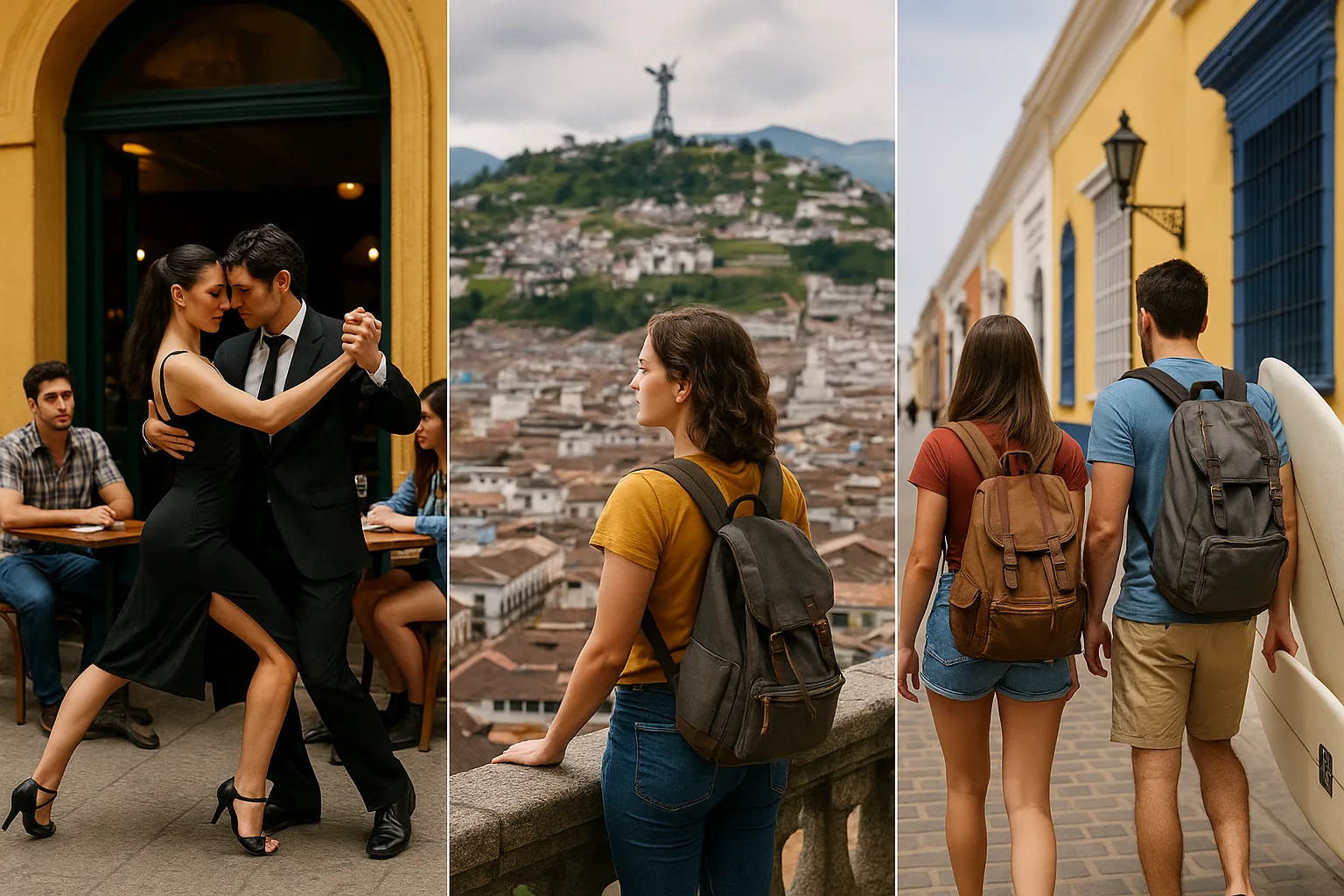
For a well-structured overview of what Quito offers beyond its airport, Impactful Travel’s guide to Quito covers the city’s walking tours, culinary scene, and day trip options in useful detail.
Practical Notes for Young Travelers
Altitude is the one thing you genuinely need to prepare for. Quito sits at roughly 2,850 meters above sea level, and if you’ve come from a coastal city or a long flight, your body will notice. Give yourself a day to acclimatize before doing anything too strenuous. Drink water, take it easy, and let the city come to you at first. Once you’ve adjusted, you’ll have the energy to explore properly.
Accommodation options range from well-run hostels in the historic center — where the social atmosphere is lively and the location is unbeatable — to guesthouses and boutique hotels in quieter residential neighborhoods. Staying in the old town puts you within walking distance of the main sights and gives you easy access to the local food scene from the moment you step outside your door.
👉 Read also: Where to Stay in 15 Underrated Destinations Across Asia, Europe & Latin America (2026 Guide)
Trujillo: Peru’s Northern Gem
Trujillo doesn’t appear on every traveler’s radar, and that’s precisely what makes it worth visiting. Located on Peru’s northern coast, it’s a city with deep roots — in pre-Columbian history, in colonial architecture, and in a laid-back coastal culture that feels genuinely different from the more heavily touristed parts of the country.
Ancient History and Colonial Streets
The region around Trujillo is home to some of the most significant archaeological sites in the Americas. The ancient Moche civilization left behind enormous adobe pyramids — known locally as huacas — that rise dramatically from the desert landscape. Walking through these sites, you get a sense of just how sophisticated and complex this culture was, centuries before the Inca Empire rose to prominence. It’s the kind of history that puts things in perspective.
The city center itself is a showcase of well-preserved colonial architecture. The main plaza is surrounded by colorful buildings in shades of yellow, ochre, and terracotta, and the cathedral that anchors the square is one of the most beautiful in northern Peru. Wandering the streets here in the early morning, before the heat of the day builds and the city fills with activity, is a genuinely lovely experience. The pace is unhurried. The streets are photogenic without trying to be. It feels like a city that’s comfortable in its own identity.
Huanchaco and the Coast
A short journey from Trujillo’s center brings you to Huanchaco, a small fishing village that has become one of the more charming coastal spots on Peru’s northern shore. The beach here has a relaxed, community-driven atmosphere — local fishermen still use traditional reed boats called caballitos de totora, a practice that goes back thousands of years, and watching them head out into the surf in the early morning is something you won’t forget quickly.
Huanchaco also has a surf culture that’s grown steadily over the years, attracting younger travelers who want to combine beach time with some time on the water. You don’t need to be an experienced surfer to enjoy it — the waves are accessible for beginners, and there are local instructors who can get you started. Even if surfing isn’t your thing, the beach itself is a great place to spend an afternoon: fresh ceviche at a local restaurant, cold drinks, and a view of the Pacific that stretches as far as you can see.
Why Trujillo Deserves More Time
The honest answer is that most travelers who make it to Trujillo wish they’d stayed longer. It has the rare quality of feeling genuinely authentic — not packaged for tourism, not overwhelmed by visitors, just a city getting on with its life and welcoming you into it. The combination of world-class archaeological sites, beautiful colonial architecture, a vibrant local food scene, and easy beach access makes it one of the most well-rounded destinations on Peru’s northern circuit.
If you’re building a Peru itinerary that goes beyond the classic Cusco-Lima route, Trujillo is the kind of addition that transforms a good trip into a great one.
Practical Tips for Traveling Latin America as a Young Explorer
- Budget wisely but don’t cut corners on experiences. Meals, transport, and accommodation across Latin America are generally affordable, but the experiences — a cooking class, a guided archaeological tour, a surf lesson — are where your money is best spent.
- Learn some Spanish before you go. You don’t need to be fluent, but even basic conversational Spanish will open doors that stay closed to travelers who rely entirely on English. People appreciate the effort, and it makes every interaction more genuine.
- Give each city more time than you think you need. The best moments in places like Buenos Aires, Quito, and Trujillo tend to happen when you’re not rushing from one sight to the next. Build in extra days. Let yourself get comfortable.
- Stay where the locals stay. Neighborhood guesthouses and centrally located hostels consistently outperform tourist-zone hotels for atmosphere, value, and access to authentic local life.
- Eat at markets and local restaurants. The best food in Latin America is rarely in the places with the biggest signs. Follow the crowds of locals, ask for recommendations, and be open to trying things you can’t pronounce yet.
- Travel slowly between cities where possible. Overnight buses are an efficient way to cover long distances without losing a full day, and they’re a quintessential part of the South American travel experience.
The Bigger Picture: Why These Three Cities Matter
Buenos Aires, Quito, and Trujillo represent something important about Latin America as a travel destination. They’re not the places everyone automatically lists when you say you’re heading to South America. They don’t have the same instant name recognition as some of the continent’s headline attractions. But they offer something that’s genuinely harder to find: depth. History that you can walk through. Food cultures that have developed over centuries. Neighborhoods where life happens in the street, in the market, in the plaza on a Sunday afternoon.
This is what a well-considered travel guide for Latin America’s young travelers should really be about — not just the highlights reel, but the places that make you think, make you curious, and make you want to come back. Each of these three cities has that quality. Each one will give you stories worth telling. And each one is waiting for you to show up with an open mind and enough time to actually get to know it.
Your next Latin American adventure doesn’t have to follow the standard route. Sometimes the most unforgettable journeys are the ones that take a left turn off the beaten path — and end up somewhere you never expected to love as much as you do.
This article was produced with AI assistance and reviewed editorially.


City Guides for Young Travelers: Buenos Aires, Quito, and Trujillo (Culture, Food & Adventure)

Where to Stay in Southern Africa: Botswana, Namibia & Madagascar for First-Time Visitors


