
United Kingdom
UK and Ireland Hidden Trails: Cornwall, Scilly Isles, and the Isle of Man
Explore hidden trails across the UK’s most dramatic coastlines. Discover remote villages, secluded beaches, and authentic adventures in Cornwall, the Isles of Scilly, and

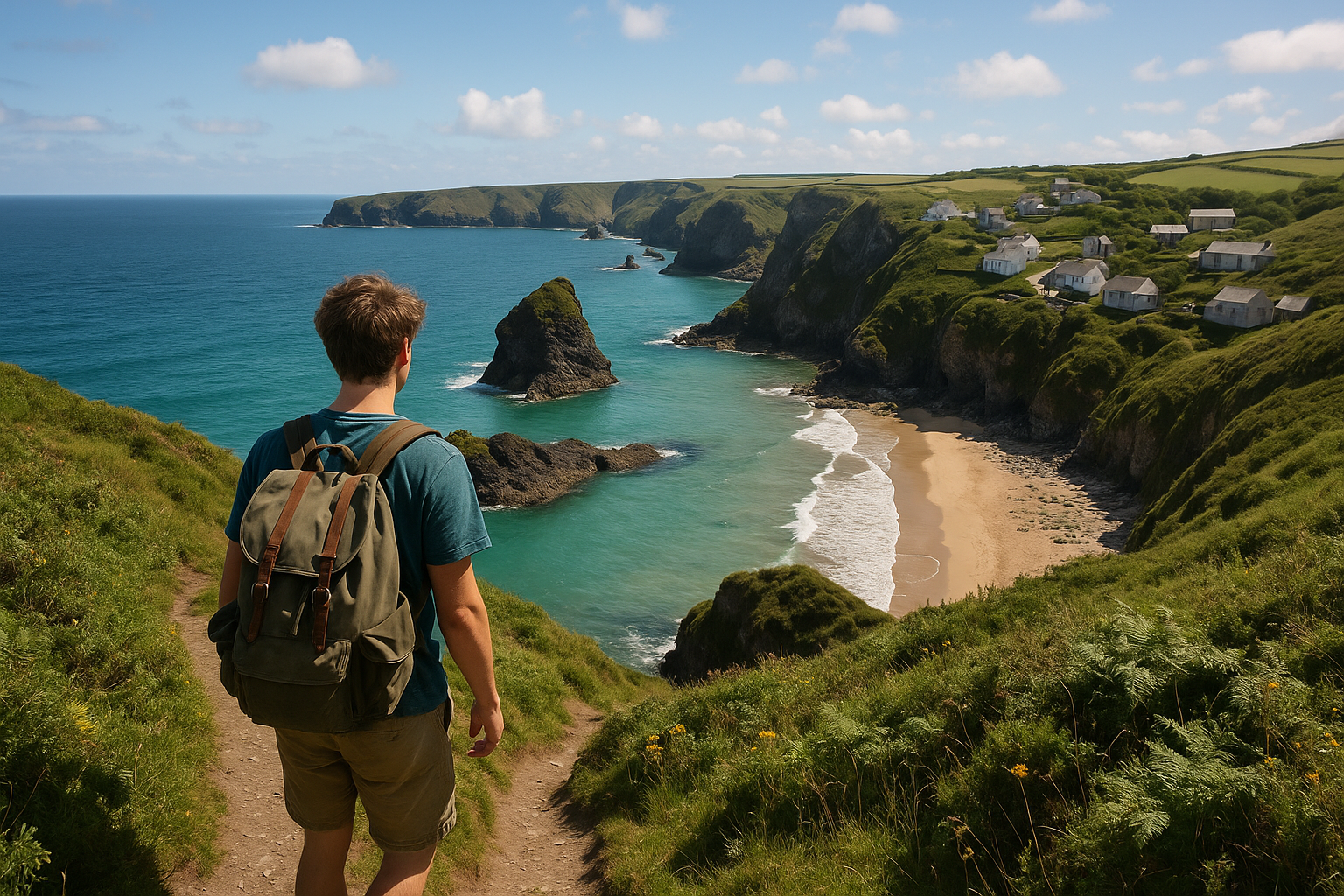
Why the Hidden Trails of the UK Are Worth Every Step
Most people who visit the UK head straight for London, Edinburgh, or the Cotswolds. And honestly? Those places are worth it. But if you’re the kind of traveler who wants to feel like you’ve genuinely discovered something — somewhere the crowds haven’t fully reached, where the landscape still feels raw and the locals still notice new faces — then the hidden trails UK has tucked along its coastlines and islands are exactly what you’re looking for. Cornwall, the Isles of Scilly, and the Isle of Man offer three completely different flavors of adventure, all within reach of a young traveler on a sensible budget. Here’s how to explore them properly.
Cornwall: More Than Clotted Cream and Postcard Views
Cornwall sits at the very tip of England, jutting out into the Atlantic like it’s daring the ocean to do its worst. And the ocean obliges. The coastline here is dramatic, unpredictable, and genuinely stunning in a way that photographs struggle to capture. You get clifftop paths that drop sharply to coves below, fishing villages that feel frozen in an earlier century, and beaches that shift from sheltered and calm to wild and surf-battered within a few miles of each other.
The South West Coast Path is the backbone of any serious exploration here. It runs the entire length of Cornwall’s coastline and beyond, connecting headlands, beaches, and villages in one long, winding route. You don’t have to walk the whole thing — most people don’t — but picking a section and spending a few days on it is one of the most rewarding things you can do in the UK. Foot Trails offers self-guided hiking options across South West England, which is ideal if you want the freedom of solo travel with a bit of structure behind you.
The Coastal Villages You’ll Want to Linger In
Mousehole is one of those places that stops you mid-sentence. It’s a tiny fishing village with stone cottages clustered around a small harbour, and it feels almost impossibly charming without trying to be. Arrive early in the morning before the day-trippers show up and you’ll have the harbour almost to yourself.
Portloe, on the Roseland Peninsula, is even quieter. There’s not much there — a pub, a few boats, a narrow lane leading down to the sea — and that’s exactly the point. The Roseland Peninsula as a whole is one of Cornwall’s most underrated areas. The roads are narrow, the hedgerows are tall, and the light on the water in the late afternoon is something you’ll keep thinking about for weeks.
Boscastle, on the north coast, has a different energy entirely. The harbour cuts deep into the cliffs through a narrow channel, and the village sits in a valley surrounded by moorland. It’s moody and atmospheric in a way that feels distinctly Cornish — not the sunny beach Cornwall, but the wilder, older version.
Beaches That Earn the Hype
Kynance Cove is the one you’ve probably seen in photos, and it earns its reputation. The serpentine rock formations, the turquoise water, the white sand — it genuinely looks like that. Go at low tide when the sea caves and rock arches are accessible, and try to visit on a weekday if you can. Porthcurno, near Land’s End, is another one worth the walk down the cliff path. The water is an extraordinary shade of blue-green, and the open-air Minack Theatre carved into the cliff above it is one of the most dramatic performance spaces you’ll ever see.
For surf, Fistral Beach near Newquay is the obvious choice, but if you want something less crowded, Sennen Cove near Land’s End catches the same Atlantic swell with a fraction of the crowds. The walk along the clifftop from Sennen toward Land’s End is short but spectacular.
The Isles of Scilly: Britain’s Most Surprising Escape
Located off the coast of Cornwall, the Isles of Scilly are the kind of place that makes you question whether you’re still in Britain. The water is turquoise. The sand is fine and pale. The pace of life is so slow it feels almost radical. And yet you can get there on a ferry from Penzance or a short flight from a handful of regional airports.
The archipelago has over 35 beaches spread across its islands, and the waters around them have the kind of clarity you’d normally associate with somewhere much further south. Visit Isles of Scilly is the best starting point for planning your trip, with practical information on getting between islands and what each one offers.
Island Hopping as a Way of Life
There are five inhabited islands: St Mary’s, Tresco, St Martin’s, Bryher, and St Agnes. Each has its own personality. St Mary’s is the largest and the main hub — it’s where the ferry arrives and where most of the accommodation is concentrated. But the magic of Scilly really opens up when you start hopping between the smaller islands on the inter-island boats that run throughout the day.
Tresco has the famous Abbey Garden, where subtropical plants grow in the shelter of old abbey walls — it’s one of those genuinely unexpected things you find in Britain that makes you do a double take. St Martin’s is known for having some of the best beaches in the archipelago, with long stretches of white sand and water that shifts from pale green to deep blue as it deepens. Bryher is the smallest and wildest of the inhabited islands, with the rocky, wave-battered Hell Bay on its western side contrasting sharply with the calm, sheltered anchorage on the east.
St Agnes is the southernmost inhabited island in the British Isles, and it has a quiet, end-of-the-world quality that’s hard to describe. Walk to the old lighthouse, wander down to Periglis beach, and sit for a while. There’s almost nothing else to do, and that’s the whole point.
Walking the Scilly Coastlines
Coastal walking is one of the main reasons people come to Scilly, and the paths here are some of the most rewarding hidden trails the UK has to offer. On St Mary’s, you can walk the entire coastal path around the island in a few hours — it’s not a demanding walk, but the views are consistently excellent. On the smaller islands, the paths are shorter but no less beautiful, and the sense of space and solitude you get is rare.
Bring good walking shoes, a waterproof layer, and no particular agenda. The weather on Scilly can change quickly, and the best moments often happen when you’ve abandoned your original plan and followed a path you hadn’t noticed before.
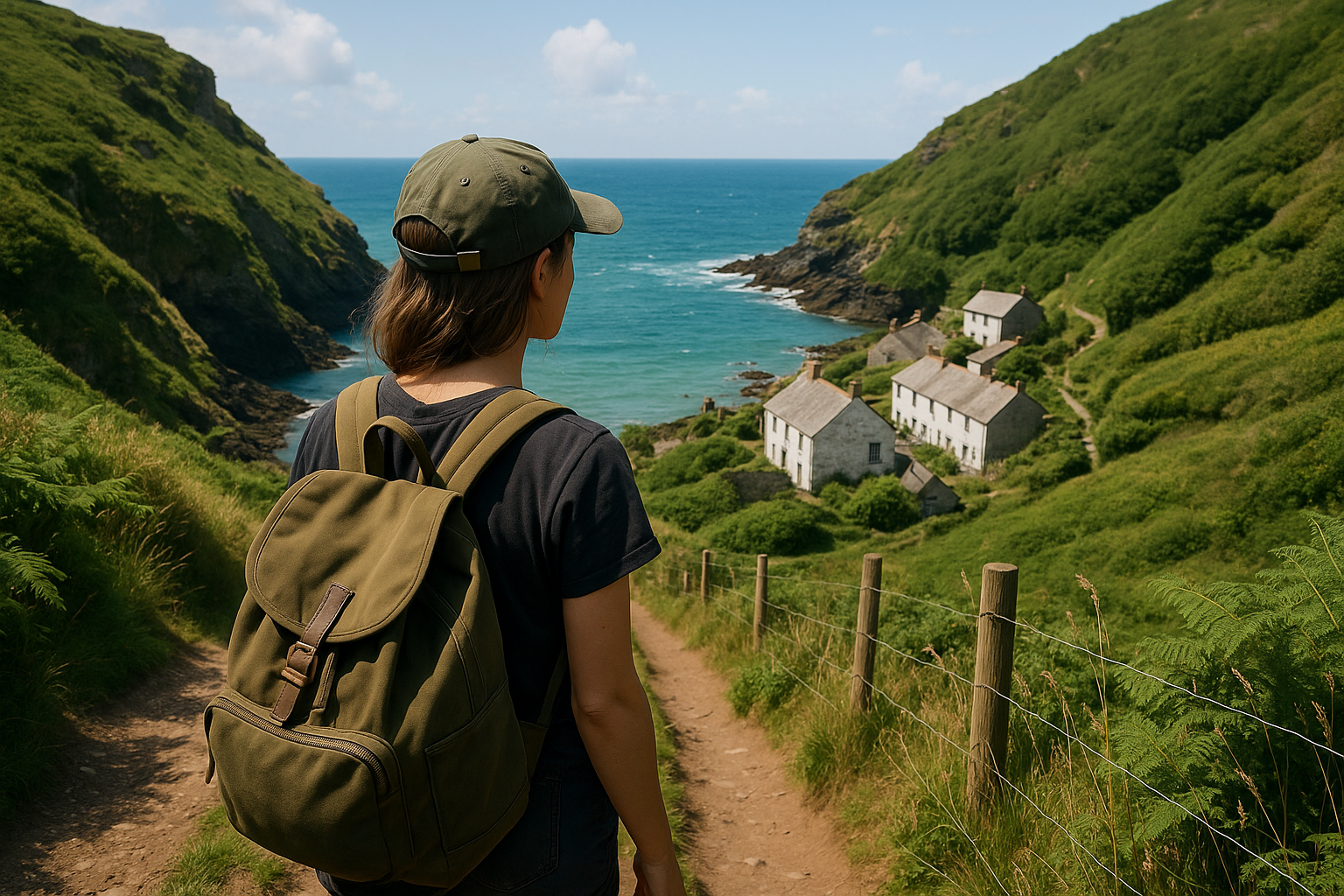
The Isle of Man: A Backpacker’s Underrated Adventure
The Isle of Man sits in the middle of the Irish Sea, roughly equidistant from England, Scotland, Ireland, and Wales. It’s a self-governing Crown dependency with its own parliament, its own currency, its own language (Manx Gaelic, which is experiencing a genuine revival), and a landscape that manages to pack mountains, moorland, dramatic coastlines, and ancient history into a relatively small space.
Most young travelers haven’t considered it. That’s exactly why you should.
Getting There and Getting Around
You can reach the Isle of Man by ferry from several UK and Irish ports, or by flight from a range of regional airports. The ferry crossing from Liverpool or Heysham takes a few hours and is a decent experience in itself — the island appears on the horizon gradually, with the mountains of the interior visible long before you reach the coast.
Once you’re there, the island is small enough to explore thoroughly in a week, but interesting enough to fill that week without difficulty. There’s a public bus network, but renting a bike or a car gives you much more flexibility. The roads in the interior are quiet and scenic, and cycling between villages feels genuinely adventurous rather than just logistically convenient.
Hiking and Wild Landscapes
The island has an extensive network of walking trails, including the Raad ny Foillan — the Road of the Gull — which circumnavigates the entire coastline. It’s a multi-day walk that takes you from sandy beaches and fishing villages on the south coast to the rugged sea cliffs and dramatic headlands of the north and west. You don’t need to complete the whole route to appreciate it; individual sections can be walked as day hikes from various starting points.
The interior of the island is dominated by moorland and the central mountain range, with Snaefell as the highest point. You can reach the summit on foot or, in a wonderfully eccentric Manx touch, on the historic electric mountain railway that has been running since the Victorian era. The view from the top on a clear day extends to England, Scotland, Ireland, and Wales simultaneously — all four countries visible at once.
The UK’s broader network of national trails offers context for how the Isle of Man fits into a wider hiking culture; exploring resources like UTrails’ guide to Britain’s national trails gives you a sense of the variety available across the British Isles before you start planning which hidden trails the UK has that suit your pace and fitness level.
Culture, History, and the Unexpected
The Isle of Man has a history that goes back thousands of years, and the island is scattered with Celtic crosses, ancient burial mounds, and ruined castles. Peel Castle on the west coast sits on a tidal island connected to the town by a causeway — it’s one of the most atmospheric ruins in the British Isles, especially in the late afternoon when the light turns golden and the sea mist starts rolling in.
Douglas, the capital, is a Victorian seaside town with a long promenade, a horse-drawn tram that still runs in summer, and a lively food and drink scene that punches well above its size. The local food culture leans heavily on seafood — the queenies (queen scallops) fished from Manx waters are genuinely excellent — and there are independent cafés, craft breweries, and restaurants that reflect the island’s growing confidence in its own identity.
The Manx language is everywhere: on road signs, in place names, in the growing number of businesses and community spaces that use it. Spending a few days here gives you a genuine sense of a culture that is distinct from mainland Britain in ways that go beyond the obvious — it’s one of those travel experiences that quietly shifts your assumptions about what the British Isles actually are.
Practical Tips for Exploring These Hidden Trails Across the UK
- Timing matters: Cornwall and Scilly are at their best in late spring and early autumn. Summer brings crowds and higher prices; May and September offer similar weather with far more breathing room.
- Book accommodation early for Scilly: The islands have limited beds and they fill up quickly, especially in summer. Camping is an option on some islands and a genuinely good one.
- Layer up: British coastal weather is unpredictable in all seasons. A good waterproof jacket is non-negotiable, even in July.
- Walk the paths, not just the highlights: The best moments on these hidden trails come when you leave the car park behind and keep walking past the point where most people turn back.
- Talk to locals: In all three of these destinations, local knowledge is invaluable. The best beach, the best pub, the path that isn’t on any map — you’ll find all of it by asking the person behind the counter at the village shop.
- Go slow: These are places that reward patience. Don’t try to see everything. Pick a few things and see them properly.
- Budget wisely: Ferries and flights to Scilly and the Isle of Man can be the biggest expense. Book in advance and travel mid-week for better prices. Once you’re there, both destinations are very walkable, which keeps costs down.
Why These Destinations Belong on Your List
There’s a particular kind of travel satisfaction that comes from going somewhere that surprises you — somewhere you didn’t fully expect to love, that turns out to be exactly what you needed. Cornwall, the Isles of Scilly, and the Isle of Man all have that quality. They’re not obscure in the way that requires a 12-hour flight and a complicated visa; they’re accessible, affordable, and genuinely beautiful in ways that don’t require any marketing to sell.
What makes them special is the combination of landscape and character. These are places with their own identities, their own histories, their own ways of doing things. Walking the coastal paths here — whether you’re on a Cornish clifftop, a Scilly beach, or a Manx moorland — you get the sense that the land has been shaped by something older and more persistent than tourism. That feeling is rare, and it’s worth chasing.
The hidden trails the UK holds along these coastlines and islands are some of the most rewarding walking you’ll find anywhere in Europe. You don’t need to go far to find something that feels genuinely remote. You just need to know where to look — and to be willing to keep walking when the path gets interesting.
This article was produced with AI assistance and reviewed editorially.


Documenting Your Journey: Travel Photography Tips for Every Budget

Documenting Your Journey: Travel Photography Tips for Every Budget


