
Roaming Around the World
Where Young Travelers Stay: 15 Hidden Gem Destinations Across Europe, Asia & Beyond (2026)
Discover 15 hidden gem destinations for young travelers across Europe, Asia, and beyond. Find budget-friendly, authentic stays from Gozo to Takayama that connect you with

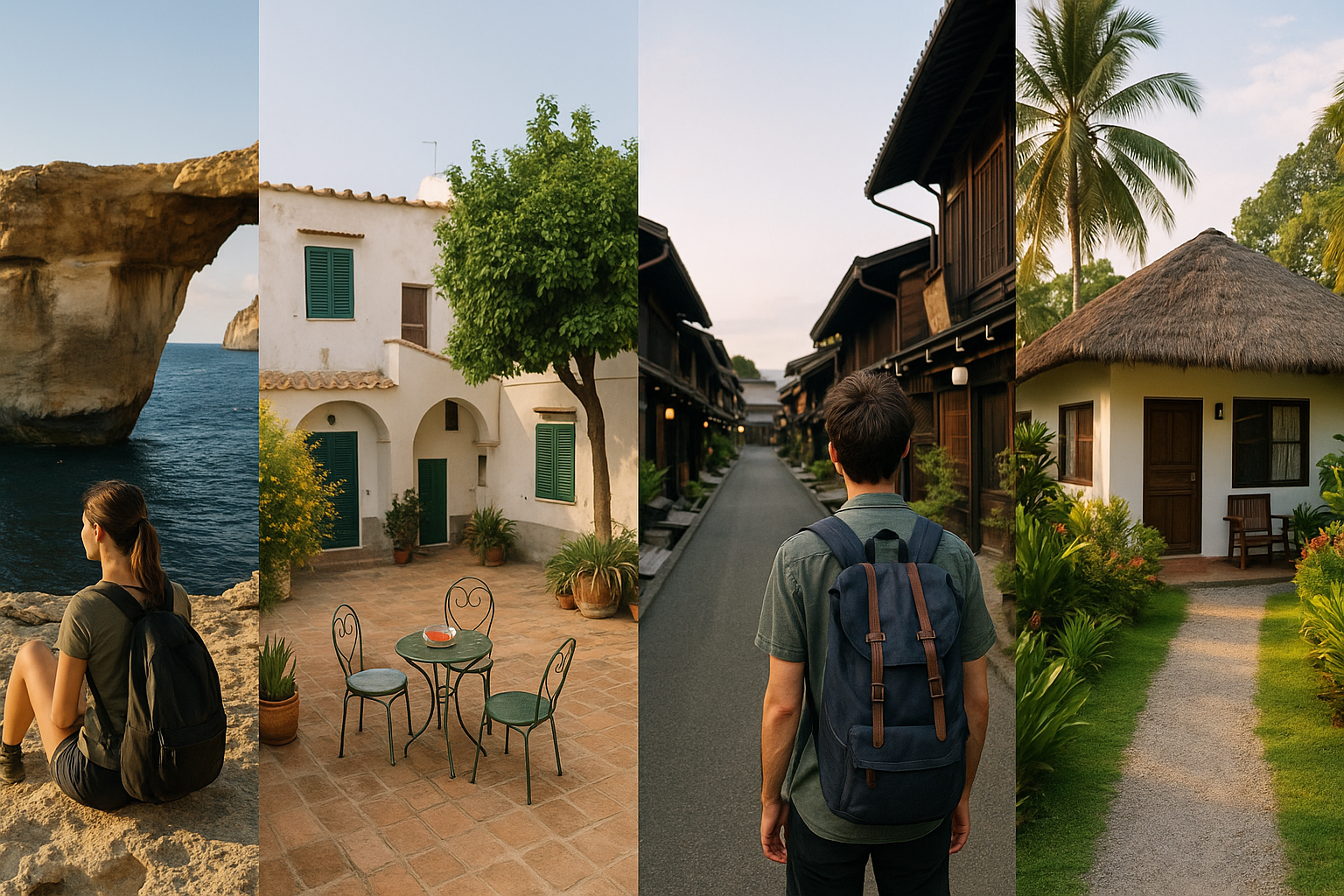
Beyond the Obvious: Hidden Gem Destinations for Young Travelers in 2026
You’ve seen the Instagram posts. You know the crowds. And somewhere between the queues at the Eiffel Tower and the selfie sticks at the Colosseum, you’ve probably wondered: is there more? The answer is yes — a lot more. Hidden gem destinations for young travelers are scattered across every continent, waiting for the kind of curious, open-minded explorer who values a real conversation over a staged photo opportunity. This guide covers 15 destinations across Europe, Asia, and beyond that deserve far more attention than they’re currently getting — and breaks down how to stay in each one in a way that actually connects you to the place.
Europe’s Quiet Corners Worth Discovering
Gozo, Malta
Malta gets the tourists. Gozo gets the soul. This small island sitting just north of Malta moves at a completely different pace — think limestone villages, cliff-top chapels, and fishing boats bobbing in harbors that haven’t changed much in decades. It’s the kind of place where you eat lunch at a family-run restaurant because that’s simply what people do there.
For accommodation, look beyond hotels entirely. Gozo has a strong tradition of converted farmhouses and village townhouses available for short stays. These stone-walled spaces are cool in summer, full of character, and often come with rooftop terraces that make watching the sunset feel genuinely earned. Staying in a village rather than near the ferry port means you wake up to church bells instead of traffic — a trade worth making.
According to Time Out’s guide to underrated European destinations, Gozo consistently earns its place among Europe’s overlooked treasures. It’s small enough to explore in a few days but rich enough to reward a full week.
Ischia, Italy
Capri gets the headlines. Ischia gets the locals. This volcanic island off the coast of Naples has thermal springs, hiking trails through vineyards, and a genuinely relaxed atmosphere that feels worlds away from the polished tourism machine of its more famous neighbor. Condé Nast Traveler highlights Italy as a standout destination for 2026, and Ischia represents exactly the kind of authentic Italian experience that’s increasingly hard to find.
Accommodation here ranges from small guesthouses run by local families to agriturismo-style stays where your breakfast comes from the garden outside. Many places offer thermal bath access, which sounds like a luxury but is really just part of everyday island life. Stay in one of the smaller villages rather than the main port and you’ll quickly find yourself invited into a rhythm that has nothing to do with tourism.
Toulouse and Strasbourg, France
Paris is extraordinary. It’s also exhausting and expensive. Toulouse, in the southwest, is a university city built from warm pink-terracotta brick, buzzing with students, live music, and a food scene that takes its Gascon heritage seriously. Strasbourg, on the border with Germany, is something else entirely — a city that exists in two cultures at once, with timber-framed houses reflected in canal water and a street food scene that blends French and Alsatian traditions in genuinely interesting ways.
Both cities have excellent hostel scenes built around their student populations. You’ll find co-living spaces, affordable guesthouses, and a culture of shared tables that makes meeting people easy. France remains one of Europe’s most recommended destinations, and these two cities offer a version of French life that feels lived-in rather than performed.
Asia’s Hidden Gem Destinations for Young Travelers
Takayama and Nagano, Japan
Japan continues to feature prominently in global travel recommendations, and for good reason. But Tokyo and Kyoto are no longer secrets. Takayama, a beautifully preserved merchant town in the Japanese Alps, offers something rarer: the feeling of stepping into a Japan that hasn’t been reshaped for visitors. Wooden sake breweries, morning markets, and mountain views that shift with every season make this a place that rewards slow travel.
Nagano, meanwhile, carries its own quiet magic. Known internationally for winter sports, it’s equally compelling in other seasons — surrounded by temples, hiking trails, and the famous snow monkeys bathing in hot springs nearby. Staying in a traditional ryokan in either city is one of those travel experiences that genuinely changes how you think about hospitality. You sleep on a futon, eat a multi-course breakfast prepared with seasonal ingredients, and leave feeling like you’ve actually been somewhere.
Budget-conscious travelers will find that guesthouses and smaller ryokan options exist across both towns, often at prices that undercut comparable experiences in the major cities. Japan rewards the traveler who goes a little further off the main route.
Dumaguete, Philippines
The Philippines is consistently named among the world’s most underrated travel destinations, and Dumaguete — a small university city on the island of Negros Oriental — is a strong argument for why. It’s known locally as the City of Gentle People, and the name fits. Life here centers on the boulevard, the markets, and a café culture that reflects the city’s strong student population.
Diving is exceptional in the surrounding waters, with sea turtle sightings and coral gardens accessible from the shore. Accommodation runs from simple guesthouses near the university to small beachfront rooms a short ride from the city center. The cost of living is low, the people are genuinely welcoming, and the pace of life is exactly what you need after a long travel stretch.
Rishikesh, India
India is a country that demands your full attention, and Rishikesh — a riverside city in the foothills of the Himalayas — is one of its most compelling entry points. It sits where the Ganges emerges from the mountains, surrounded by forest and framed by suspension bridges strung with prayer flags. The energy here is unlike anywhere else.
India features in underrated destination lists for 2026, and Rishikesh earns its place not just for yoga retreats and spiritual tourism but for the raw, vivid quality of everyday life along the river. Accommodation ranges from simple ashram-style rooms — where meals, meditation sessions, and a sense of community are part of the package — to small guesthouses with rooftop views over the water. Whatever you choose, the Ganges at dawn will be the thing you remember longest.
Beyond Europe and Asia: More Destinations Worth Your Time
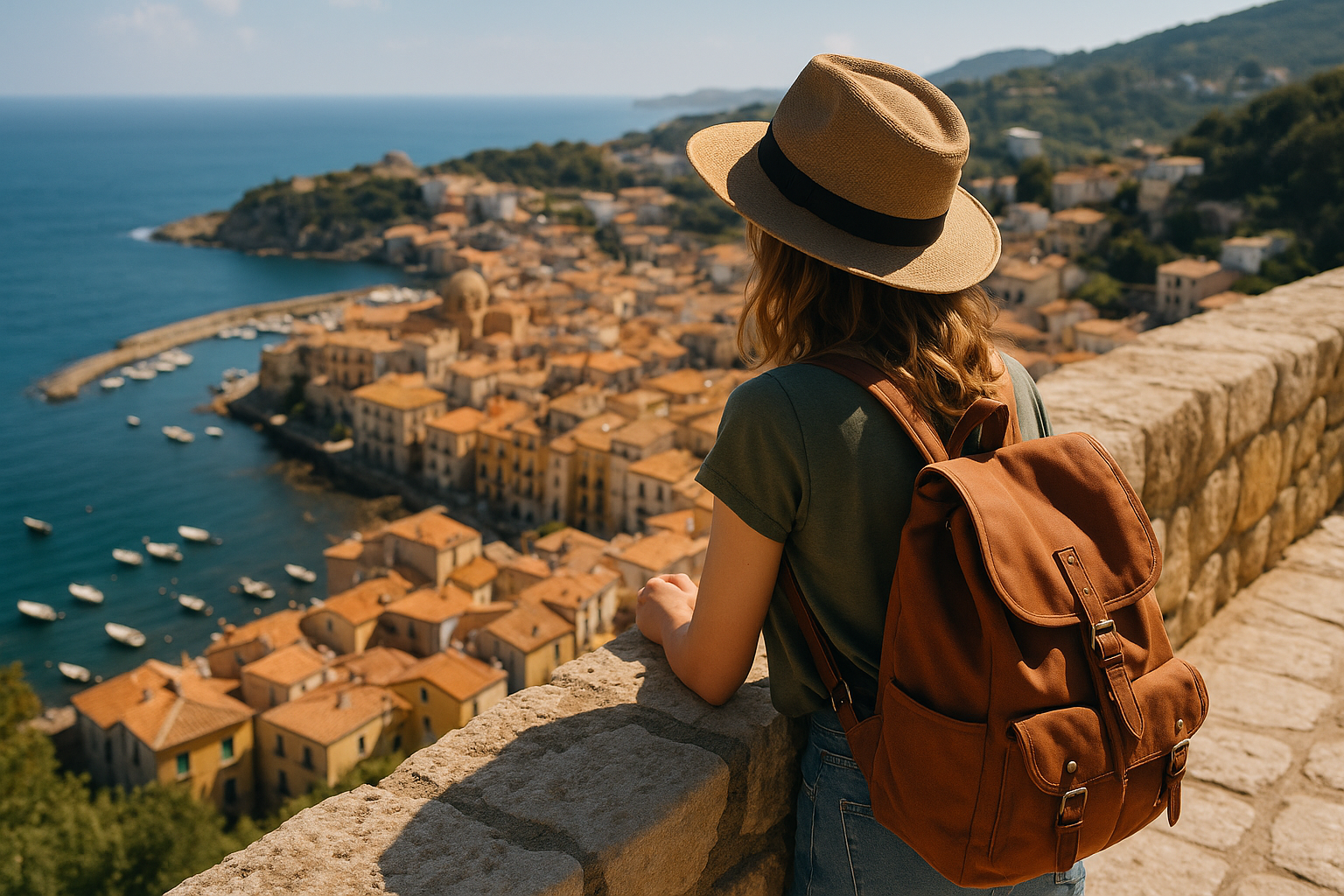
Noosa, Australia
Australia is a long-haul destination that rewards the effort, and Noosa — a coastal town in Queensland — represents one of its most appealing and underappreciated corners. It has a national park that runs directly into the beach, a main street that manages to feel both lively and unhurried, and a surfing culture that welcomes beginners without making them feel like they’re in the way.
Staying here doesn’t have to mean expensive resorts. There’s a solid backpacker and hostel scene, and the surrounding area offers camping options within the national park that put you genuinely inside the landscape. Australia consistently appears in global travel destination recommendations, and Noosa offers a version of the country that’s accessible, beautiful, and far less crowded than its more famous coastal counterparts.
Bacalar and Sayulita, Mexico
Mexico’s budget travel credentials are well established, and both Bacalar and Sayulita represent different sides of what makes the country so compelling for young travelers. Bacalar, in the Yucatán, sits on a lagoon of extraordinary color — a long stretch of freshwater that shifts from turquoise to deep blue depending on depth and light. It’s quiet in the way that places are before they’re fully discovered, with small guesthouses and hammock-strung hostels right on the water.
Sayulita, on the Pacific coast north of Puerto Vallarta, is a surf town with a village soul. Colorful streets, open-air restaurants, and a community of travelers who tend to stay longer than planned. The accommodation here is characterful rather than polished — painted walls, tiled floors, the sound of the ocean at night. Both destinations appear in budget travel guides as strong options for 2026, and both reward travelers who arrive without a rigid itinerary.
New Mexico, Stowe (Vermont), and Big Bear (California), USA
The United States has its own collection of hidden gem destinations for young travelers, and these three offer very different versions of American adventure. New Mexico is a state that surprises almost everyone who visits — ancient pueblos, vast desert landscapes, and cities like Santa Fe and Taos where Indigenous, Spanish, and contemporary American cultures layer on top of each other in genuinely fascinating ways. Accommodation ranges from simple motels and hostels to adobe guesthouses that feel deeply rooted in the landscape.
Stowe, Vermont, is a small mountain town that most people associate with skiing, but it earns its place in any season. In summer and autumn, the surrounding Green Mountains offer hiking, cycling, and the kind of quiet that’s increasingly hard to find. Small inns and bed-and-breakfast style stays dominate here, many of them run by people who moved to Stowe for exactly the lifestyle they’re now offering guests.
Big Bear, in the San Bernardino Mountains east of Los Angeles, is one of those places that Californians know about and rarely share. A mountain lake, pine forest trails, and a village center that operates year-round make it a strong weekend escape — but it also works as a longer base for exploring Southern California’s interior. Cabin rentals and small lodges give it a different feel from the coast, and the altitude means genuinely cool nights even in summer.
How to Stay in Hidden Gem Destinations Without Missing the Point
The accommodation you choose shapes the experience more than most people realize. In all fifteen of these destinations, the most memorable stays tend to share a few qualities: they’re run by local people, they’re embedded in residential neighborhoods rather than tourist zones, and they create natural opportunities to connect with other travelers and with the community around you.
- Prioritize location over amenities. A simple room in the right neighborhood will teach you more about a place than a comfortable hotel in the wrong one.
- Look for locally owned options first. Family guesthouses, small hostels, and community-run stays keep your money in the local economy and tend to offer far better insight into where to eat, what to see, and what to avoid.
- Consider longer stays. Most of these destinations reveal themselves gradually. A week in Gozo or Bacalar will show you things a two-night visit never could.
- Embrace shared spaces. Common rooms, shared kitchens, and communal terraces are where the best travel conversations happen. Don’t retreat to your room every evening.
- Book flexible cancellation where possible. Hidden gem destinations can change quickly — a festival, a local event, or a weather window can completely reshape your plans.
When to Go and What to Expect
Timing matters more in some of these destinations than others. Rishikesh is best visited outside the monsoon season, when the Ganges runs fast and accommodation near the riverbank can flood. Takayama is extraordinary in any season but draws bigger crowds during cherry blossom and autumn foliage periods. Bacalar is most appealing in the dry season, when the lagoon is calm and the colors are at their most vivid.
In general, shoulder seasons — the weeks just before or after peak tourist periods — offer the best balance of good conditions and manageable crowds. You’ll pay less, meet more locals, and have a better chance of the kind of spontaneous experience that turns a good trip into an unforgettable one.
What all fifteen of these destinations share is a quality that’s genuinely hard to define but immediately recognizable when you find it: the sense that you’re somewhere real. Not a backdrop, not a set, not a theme park version of a culture. A place where people live, work, argue, celebrate, and go about their days — and where you, as a traveler, are welcome to watch, participate, and learn.
The Bigger Picture: Why These Destinations Matter
There’s a broader conversation happening in travel right now about the impact of mass tourism on the places and communities that receive it. Over-tourism has reshaped some of the world’s most beloved destinations in ways that are hard to reverse. Choosing to visit places like Dumaguete instead of Boracay, or Ischia instead of Capri, or Strasbourg instead of Paris isn’t just a practical decision — it’s a meaningful one.
When you travel to a place that isn’t yet overwhelmed by visitors, your presence has a different quality. You’re not adding to a problem; you’re part of a solution. Your accommodation booking supports a family business. Your meals go to local restaurants. Your conversations happen with people who are genuinely curious about you, not exhausted by the constant turnover of tourists.
This is what hidden gem destinations for young travelers really offer — not just beautiful scenery or affordable prices, but the chance to travel in a way that feels genuinely good. For the place, for the community, and for you.
Start with one destination from this list. Stay longer than you planned. Talk to the people who run your guesthouse. Eat where they eat. Get a little lost. That’s where the real journey begins — and it’s waiting for you right now.
This article was produced with AI assistance and reviewed editorially.


City Guides for Young Travelers: Buenos Aires, Quito, and Trujillo (Culture, Food & Adventure)

Where to Stay in Southern Africa: Botswana, Namibia & Madagascar for First-Time Visitors


