
Spain
Where to Stay in Gran Canaria: Lodging Guide for Beach Towns and Mountain Villages (2026)
Discover where to stay in Gran Canaria across beach towns like Playa del Inglés and Maspalomas, mountain villages, and urban areas. Find your perfect base.

Finding Your Perfect Base: Where to Stay in Gran Canaria
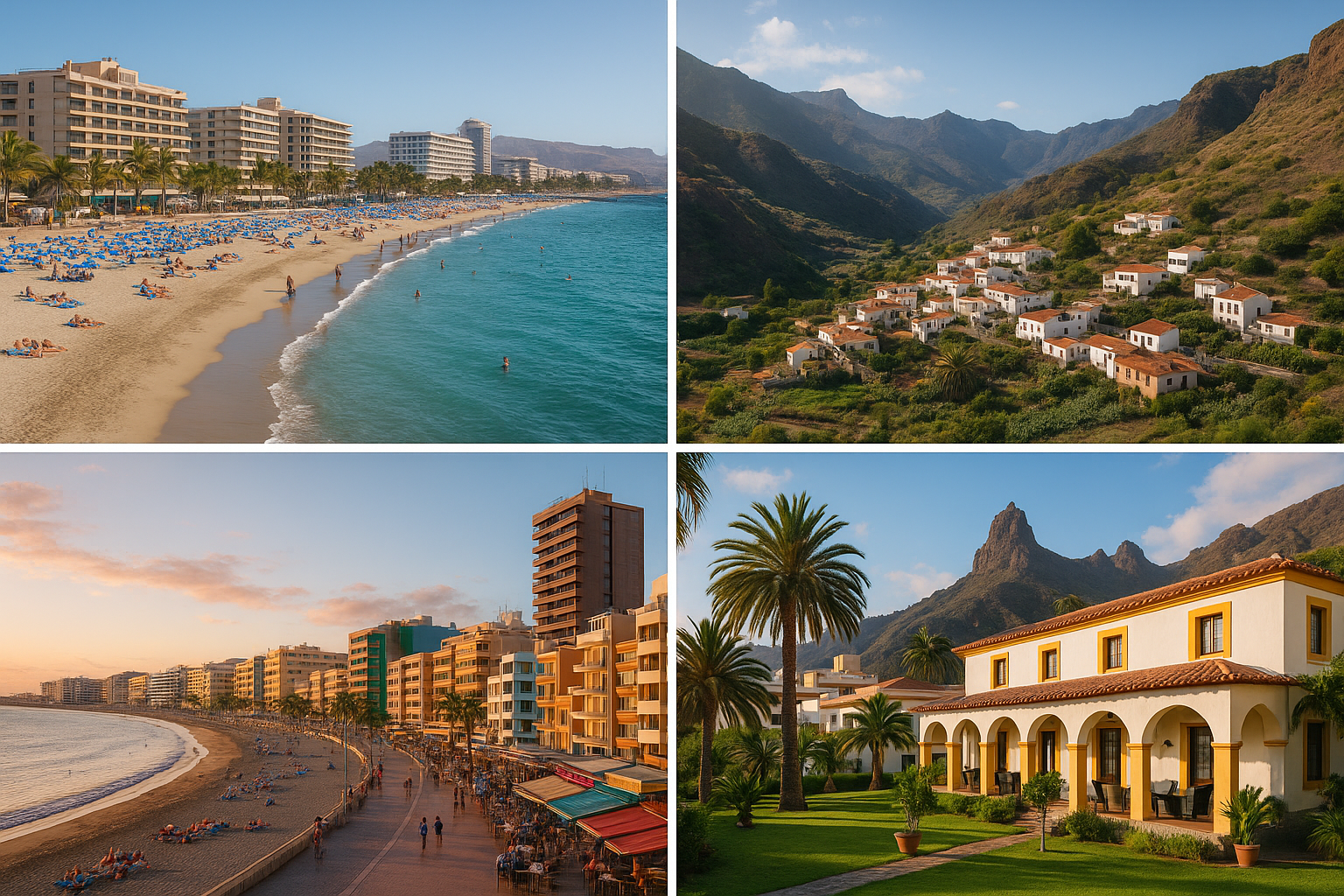
Gran Canaria is one of those islands that genuinely surprises you. You arrive expecting beaches — and yes, the beaches are spectacular — but then you look inland and realize there are volcanic mountains, ancient villages, and pine forests waiting to be explored too. With around 4 million visitors each year, the island clearly knows how to welcome travelers. But knowing where to stay in Gran Canaria is the decision that shapes your entire trip. Get it right, and the island opens up in ways you won’t forget. Get it wrong, and you might spend half your time on buses wishing you’d read something like this first.
The good news? Gran Canaria has something for every kind of traveler. Whether you want to wake up to the sound of waves, lose yourself in cobblestone village streets, or explore a buzzing city with real local energy, there’s a base that fits your vibe. This guide breaks it all down — from the lively southern beach towns to the quieter mountain villages and the urban north — so you can stop scrolling and start packing.
The South: Sun, Sand, and Coastal Energy
If you’re chasing sunshine, warm water, and the kind of evenings that stretch on forever, the south of Gran Canaria is where you want to be. The island enjoys year-round sunshine and temperatures sitting comfortably in the mid-20s even during winter months, which makes the south a genuinely appealing destination at almost any time of year.
Playa del Inglés: For the Social Traveler
Playa del Inglés is one of Gran Canaria’s most lively and well-known areas. It’s the kind of place that hums with energy from morning to late at night. The beach itself is wide and long, backed by the famous Maspalomas dunes — a golden, almost desert-like landscape that feels surreal the first time you see it. But it’s the atmosphere around the beach that really defines staying here.
Accommodation in Playa del Inglés ranges from large resort-style hotels to smaller apartment complexes and guesthouses. If you’re traveling on a tighter budget, you’ll find self-catering apartments that give you the freedom to cook your own meals and come and go as you please. Mid-range options typically include pools, breakfast, and easy access to the seafront promenade. It’s worth booking in advance if you’re visiting between November and February — that’s when northern Europeans descend on the south in full force, and availability tightens up noticeably.
Playa del Inglés suits travelers who want to be in the middle of the action. Restaurants, bars, and beach clubs are all within walking distance. You’re also well-positioned to visit the Maspalomas dunes, explore the surrounding area, and even catch a visit to Sioux City, the Wild West themed park nearby that’s more fun than it sounds.
Maspalomas: A Slightly Calmer Alternative
Right next to Playa del Inglés, Maspalomas has a slightly more relaxed feel without losing access to the same incredible beaches and dunes. It tends to attract a slightly older crowd and those who prefer spacious resort hotels with full amenities. The Lopesan Costa Meloneras Resort & Spa is one of the most recognized properties in this part of the island, offering a polished experience for those who want comfort alongside the coastline.
If you’re the kind of traveler who wants to explore during the day but appreciates coming back to somewhere genuinely comfortable in the evening, Maspalomas delivers. It’s quieter than Playa del Inglés after dark, but the beach is just as good — arguably better, since the dunes feel more accessible from here.
Puerto de Mogán: Slow Down and Breathe
Further west along the coast, Puerto de Mogán is a different experience entirely. This is a fishing village destination — genuinely charming, with colorful boats in the marina, whitewashed buildings draped in bougainvillea, and a pace of life that invites you to slow down. It’s the kind of place where you linger over lunch and don’t feel guilty about it.
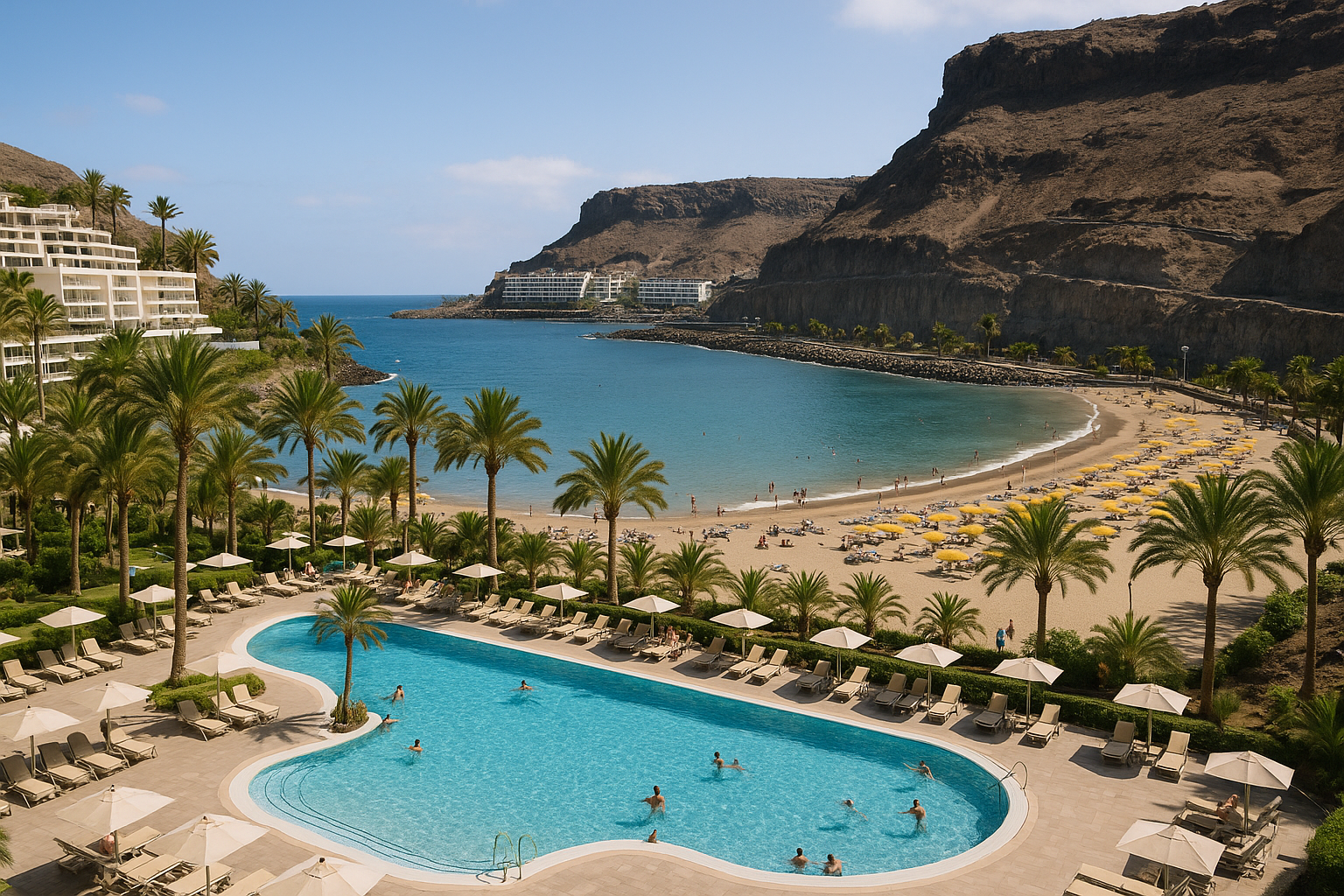
Accommodation here tends to be smaller and more intimate than in Playa del Inglés. You’ll find boutique-style guesthouses, apartments, and a handful of well-regarded hotels. The Radisson Blu Resort & Spa, Gran Canaria Mogan is one of the more prominent options in the area, set along the waterfront with the kind of views that make you understand why people keep coming back to this corner of the island.
Puerto de Mogán is ideal if you’re after authenticity alongside the coast. The weekly market draws locals and visitors alike, the fish restaurants are excellent, and the beach is calm and family-friendly. It’s also a good base if you want to explore the western coastline without being tied to the busier resort strip. Bear in mind that getting around from here without a car requires some planning, as bus connections to other parts of the island can take time.
The North: Las Palmas and Urban Adventure
Gran Canaria isn’t just beaches and dunes. The north of the island tells a completely different story, and its capital, Las Palmas, is one of the most underrated cities in the Atlantic. It’s a real, working city — with a historic old quarter, a surf beach right in the urban center, markets, museums, and a food scene that reflects centuries of cultural crossroads.
Staying in Las Palmas puts you in the heart of Canarian life. You’ll find everything from budget hostels in the old town to mid-range hotels near the beach to stylish boutique properties in renovated colonial buildings. The Vegueta neighborhood — the historic center — is particularly atmospheric, with narrow streets, colonial architecture, and a local energy that no resort town can replicate.
For young travelers especially, Las Palmas offers something the south doesn’t: the chance to actually connect with the city rather than just pass through it. You can spend mornings surfing at Las Canteras beach, afternoons wandering through the market or exploring local galleries, and evenings eating at spots where the menu is written on a chalkboard and the prices reflect a local clientele rather than a tourist one.
Las Palmas is also a practical base if you want to explore the north of the island — the traditional Canarian towns, the green landscapes, and the quieter coastal villages that don’t appear in most travel itineraries. The public bus network (known locally as Global) connects Las Palmas to many parts of the island, making it a genuinely workable hub even without a rental car.
The Interior: Mountain Villages and a Different Kind of Escape
Gran Canaria’s interior is where the island reveals its most unexpected face. The mountains here are dramatic — volcanic peaks, pine forests, deep ravines, and villages that feel centuries removed from the resort towns on the coast. This is the Gran Canaria that most visitors miss entirely, and that’s exactly why it’s worth considering.
Tejeda: High Up and Quietly Spectacular
Tejeda sits in the heart of the island, surrounded by some of the most striking mountain scenery in the Canaries. The village is small, traditional, and genuinely peaceful. Accommodation options are limited compared to the coast — you’re looking at rural guesthouses, small hotels, and self-catering properties rather than large resorts — but that’s part of the appeal. Staying here means waking up to mountain air, hiking trails right from your doorstep, and a quiet that the south simply can’t offer.
The views from Tejeda toward the Roque Nublo — one of Gran Canaria’s most iconic rock formations — are reason enough to make the journey up. If you’re a hiker or someone who finds genuine restoration in natural landscapes, a night or two in the interior can completely change your experience of the island.
Vega de San Mateo: Markets, Farms, and Local Life
Vega de San Mateo is another interior option worth knowing about. It’s a market town set in a fertile valley, known for its weekend market where local farmers sell fresh produce, cheese, and crafts. Staying here gives you a window into everyday Canarian life that’s hard to find anywhere on the coast.
Accommodation in Vega de San Mateo is modest and rural in character. Think small guesthouses and agrotourism properties rather than anything glossy. But if you’re traveling to actually experience a place rather than just photograph it, this kind of stay has real value. You’ll eat better, spend less, and leave with a more complete picture of what Gran Canaria actually is.
How to Choose Based on Your Travel Style
Gran Canaria’s diversity is its greatest strength, but it does mean you need to think about what kind of trip you actually want before you book. Here’s a simple way to think about it:
- You want beach life, nightlife, and easy access to everything: Base yourself in Playa del Inglés. It’s busy, it’s social, and it puts you right in the middle of the southern resort strip.
- You want coast without the crowds: Puerto de Mogán offers a more relaxed, authentic coastal experience with genuine character. Consider renting a car to make the most of it.
- You want city energy and local culture: Las Palmas is the answer. It’s a real city with real life happening in it, and it rewards curious travelers who explore beyond the obvious.
- You want nature, quiet, and something genuinely different: The mountain villages — Tejeda, Vega de San Mateo — offer a completely different rhythm. Even one night in the interior changes your perspective on the whole island.
- You want a mix: Consider splitting your stay. A few nights in the south followed by a night or two in the mountains and a couple of days in Las Palmas gives you a well-rounded experience of what Gran Canaria actually offers.
Budget, Mid-Range, and What to Expect
Gran Canaria covers a wide spectrum when it comes to accommodation costs. The south — particularly Playa del Inglés and Maspalomas — has the highest concentration of hotels and apartments, which means more competition and more options at different price points. You can find self-catering apartments that keep costs manageable, especially if you’re traveling with a friend or two and sharing costs.
Las Palmas tends to offer better value for budget travelers, with hostels in the old town that put you in a genuinely interesting neighborhood rather than a generic resort zone. Mid-range guesthouses and boutique hotels in the city often provide far more character than similarly priced options in the south.
The mountain villages are generally the most affordable option, though the choice is more limited. What you save on accommodation you might spend on transport or a rental car, so factor that in when you’re comparing overall costs.
In terms of timing, the island’s peak season runs from late autumn through winter and into early spring — this is when visitors from colder parts of Europe arrive to escape the cold, drawn by Gran Canaria’s reliable mild climate. If you’re flexible with dates, visiting in late spring or early autumn typically means fewer crowds and more breathing room, while still enjoying excellent weather. Summer is warm and popular with Spanish domestic travelers, particularly in Las Palmas.
Getting Around Between Your Base and the Attractions
How you get around Gran Canaria depends heavily on where you’re staying. The public bus network is reasonably well-developed and connects the main towns, but journey times between the south and the north can be significant. If you’re planning to explore the island widely — combining coast, mountains, and city — renting a car for at least part of your stay makes a real difference.
From Playa del Inglés or Maspalomas, you can reach the Maspalomas dunes on foot and Sioux City by local transport. Getting to Las Palmas by bus is possible but takes time. From Puerto de Mogán, a car is genuinely useful for exploring the western coast. In Las Palmas, the city itself is walkable and has good local transport, and buses connect to many northern towns. The mountain villages are most comfortably reached by car, though buses do serve some routes.
For more practical planning around transport and island logistics, resources like Wanderlust Chloe’s Gran Canaria guide offer useful first-hand perspective on navigating the island.
A Few Things to Know Before You Book
- Book early if you’re visiting between November and February — this is the island’s busiest period, and good accommodation at reasonable prices goes fast.
- Read the small print on self-catering apartments, particularly around check-in times and cleaning fees, which can add up.
- If you’re staying in the mountains, pack a layer — evenings can be noticeably cooler than on the coast.
- Las Palmas has a genuine local nightlife scene that’s quite different from the resort-focused entertainment in the south. Both are worth experiencing; they’re just different.
- Consider your priorities honestly. A beautiful resort in Maspalomas is wonderful, but if you spend the whole trip wishing you’d explored more of the island, you’ll leave with a partial picture.
Gran Canaria Is More Than One Island
That’s the thing about Gran Canaria — it genuinely feels like multiple destinations compressed into one island. The sandy beaches of the south, the traditional Canarian towns of the north, the dramatic volcanic interior, the urban energy of Las Palmas: each of these worlds has its own character, its own rhythm, and its own reasons to stay. Knowing where to stay in Gran Canaria isn’t just a logistical decision — it’s the first step toward deciding what kind of journey you actually want to have. Choose your base thoughtfully, stay curious, and let the island surprise you. Because it will.
This article was produced with AI assistance and reviewed editorially.


City Guides for Young Travelers: Buenos Aires, Quito, and Trujillo (Culture, Food & Adventure)

Where to Stay in Southern Africa: Botswana, Namibia & Madagascar for First-Time Visitors


