
Italy
Beyond the Crowds: Hidden Gems in Capri, Italy (2026)
Discover hidden gems in Capri Italy with quieter neighborhoods, lesser-known trails, and timing strategies to avoid summer crowds while experiencing authentic Mediterrane

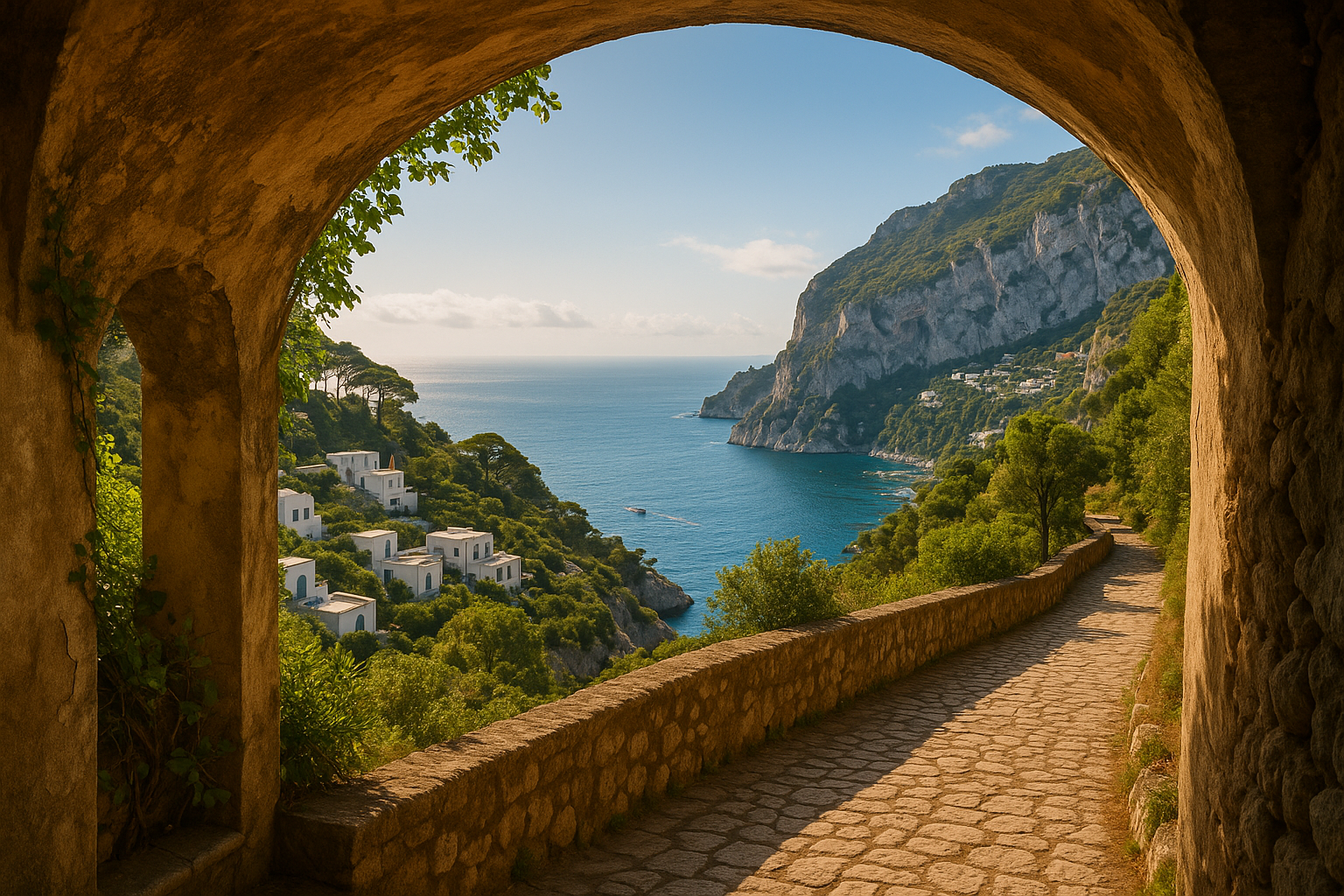
Capri Without the Chaos: Your Guide to the Island’s Hidden Gems
Capri has a reputation problem — not because it isn’t beautiful, but because everyone already knows it is. Every summer, the island fills with day-trippers pouring off ferries from Naples and Sorrento, crowding the Piazzetta, queuing for the Blue Grotto, and turning narrow limestone paths into slow-moving traffic jams. But here’s the thing: the Capri that exists beneath all that noise is still very much there. If you know where to look — and when — you can walk clifftop trails in near-silence, eat lunch at a table with a sea view and no waiting list, and experience the kind of Mediterranean magic the island has always promised. This guide is about finding the hidden gems Capri Italy has been quietly holding onto, even as the crowds keep coming.
Understanding the Crowd Problem (and How to Work Around It)
Capri is a small island. That’s part of its charm, but it also means that when thousands of day-trippers arrive on the same morning ferry, the effect is immediate and overwhelming. The main tourist rush tends to concentrate in a few predictable places: the Piazzetta, the path down to Marina Piccola, and the boat queue for the Blue Grotto. These spots aren’t bad — they’re popular for a reason — but if that’s all you see, you’re missing most of what makes Capri worth visiting.
The most effective strategy is simple: move differently from the crowd. Day-trippers arrive mid-morning and leave by late afternoon. That means early mornings and evenings belong to the people who stay overnight or who are willing to start their day before the ferries dock. It also means choosing trails, neighborhoods, and restaurants that aren’t on the standard day-trip checklist.
If you can visit outside of peak summer — spring and autumn offer warm weather, calmer seas, and dramatically fewer people. The island’s landscape is arguably more beautiful in May or October anyway, when the light is softer and the bougainvillea is still vivid without the heat haze of August.
Anacapri: The Quieter Side of the Island
Most visitors spend their entire time in Capri Town. That alone is your first opportunity to do something different. Anacapri, the island’s second main settlement, sits higher up the hillside and has a noticeably different atmosphere — slower, more residential, and far less crowded. The streets are narrower, the shops are more local, and you’re far more likely to hear Italian than a mix of every language on earth.
From Anacapri, you can access Monte Solaro, the island’s highest point, via a short chairlift ride. The views from the top are the kind that stop you mid-thought — the entire island spread below you, the Tyrrhenian Sea stretching out in every direction, the Faraglioni rock formations visible in the distance. Go early in the morning and you might have the summit almost to yourself. That’s a rare thing on Capri.
Anacapri is also home to Villa San Michele, a historic villa with gardens that look out over the sea toward the mainland. It’s one of those places that feels genuinely peaceful, where you can sit on a bench and actually absorb where you are rather than navigating around a selfie stick. The Philosophical Park is another Anacapri discovery worth making — a quiet, winding garden path with sculptures and viewpoints that most day-trippers never find at all.
Trails That Take You Away From the Crowds
Capri’s walking trails are some of its best-kept secrets. While the main paths near the Piazzetta get busy, the island has routes that take you along dramatic coastal cliffs with almost no one else around.
The Pizzolungo Trail
The Pizzolungo Trail is one of the most rewarding walks on the island. It traces the eastern coastline through rocky terrain, past sea views that shift with every turn, and through vegetation that smells like wild herbs and salt air. It’s not a difficult walk, but it’s long enough to feel like a real adventure rather than a stroll. You’ll pass natural arches, small coves, and stretches where the only sound is the sea below. Start early, bring water, and take your time.
The Fortini Coastal Walk
The Fortini Coastal Walk follows the southwestern edge of the island past a series of small watchtowers — the fortini — that were once used to guard against coastal raids. The scenery is dramatic in a way that feels almost cinematic, with steep cliffs dropping into clear water and the kind of views that make you stop walking just to look. This trail sees far fewer visitors than the more central paths and rewards you with a sense of genuine solitude that’s hard to find anywhere on the island during summer.
The Blue Grotto — Done Differently
You’ve probably seen the Blue Grotto on every Capri travel post ever published. The famous sea cave, accessible by small rowboat, fills with an extraordinary electric-blue light when sunlight refracts through an underwater opening. It’s genuinely stunning. It’s also, during peak season, surrounded by a long queue of boats and a fast-moving tourist operation that can feel more like a theme park ride than a natural wonder.
The trick is timing. Going very early in the morning — before the main ferry traffic arrives — gives you a noticeably different experience. The light inside the grotto is actually best in the late morning when the sun is at the right angle, but arriving early means shorter queues and a calmer atmosphere on the water. You can also explore the area around the grotto’s entrance by swimming or kayaking if conditions allow, which gives you a completely different perspective on the coastline.
For more context on visiting the island’s iconic sites without the overwhelm, this video guide to Capri’s top experiences is a useful starting point for planning your itinerary.
Hidden Spots Worth Finding
Grotta delle Felci (Fern Grotto)
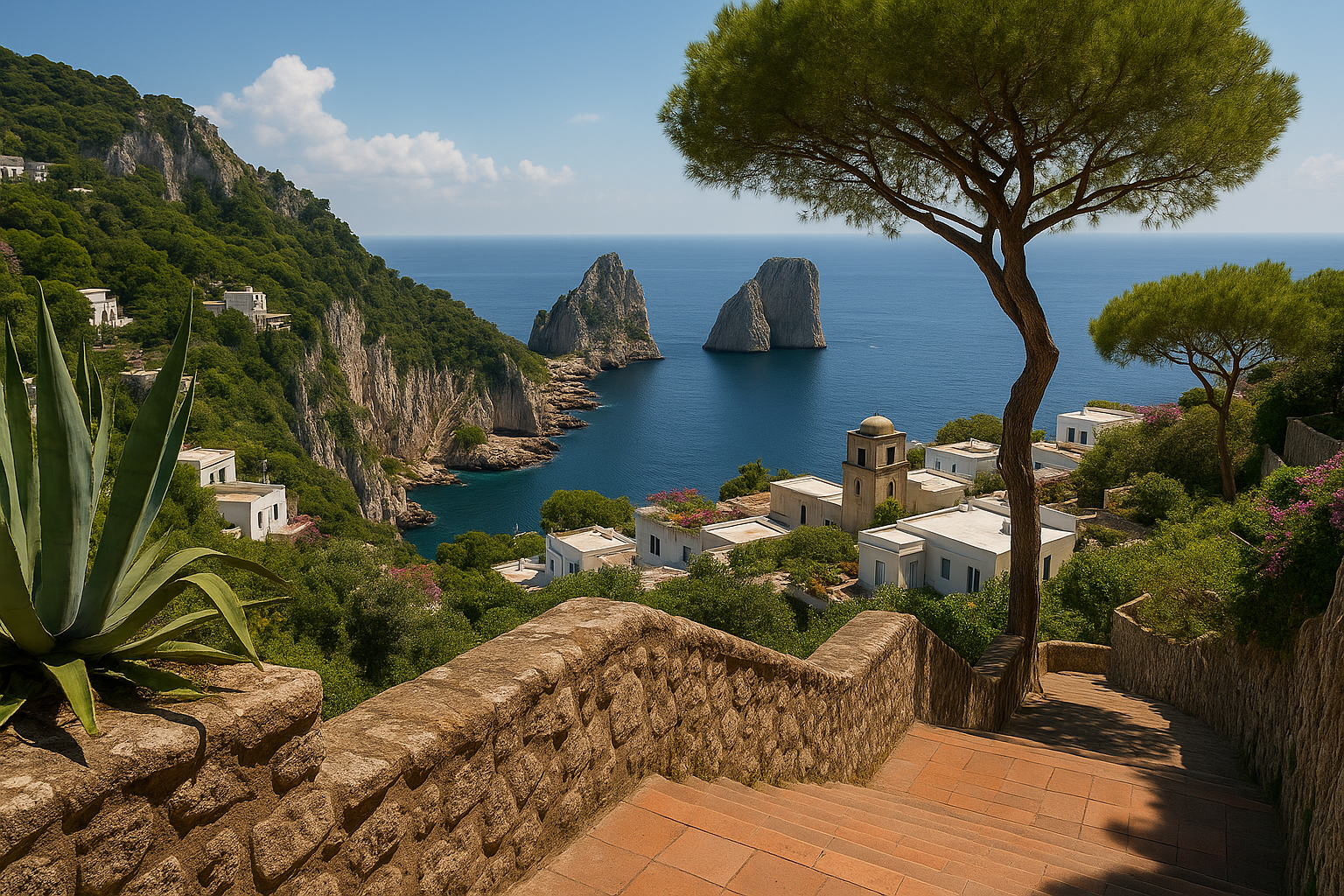
While the Blue Grotto gets all the attention, the Grotta delle Felci — the Fern Grotto — sits quietly on the island’s southeastern side, largely overlooked by the tourist trail. It’s a prehistoric cave that was once inhabited and still holds an atmosphere that feels genuinely ancient. The name comes from the ferns that grow in and around the entrance. It’s not a dramatic spectacle in the way the Blue Grotto is, but it’s the kind of place that stays with you precisely because it feels undiscovered.
Villa Jovis
On the northeastern tip of the island, Villa Jovis is the most substantial of the Roman ruins on Capri — the remains of a vast imperial residence built into the clifftop. The walk up to it is steep enough to deter most casual visitors, which means that when you arrive, you often have the ruins and the extraordinary views largely to yourself. Standing at the edge of the cliff here, looking out over the sea with the ruins around you, is one of those experiences that makes you feel genuinely connected to the history of the place.
Gardens of Augustus
The Gardens of Augustus are technically well-known, but they’re frequently skipped by day-trippers in favor of the Piazzetta and the Blue Grotto. That’s your advantage. These terraced gardens sit above the Via Krupp — the famous zigzagging path cut into the cliff — and offer some of the most composed, beautiful views on the island. Go in the late afternoon when the light is golden and most day-trippers have already headed back to the ferry.
Sant’Andrea Church
Tucked away in Anacapri, Sant’Andrea Church is a small, quietly beautiful place that sees a fraction of the visitors that head to Capri’s more famous sites. It’s the kind of spot you wander into almost by accident and end up staying longer than you planned, sitting in the cool interior while the afternoon heat outside does its thing.
Eating Like a Local
Capri’s dining scene has two very distinct sides. There’s the expensive, tourist-facing restaurant world of the Piazzetta — beautiful settings, high prices, food that’s fine but rarely memorable. And then there’s everything else.
Salumeria da Aldo is exactly the kind of place you want to know about. It’s a local deli-style spot where you can grab a genuinely good lunch — fresh sandwiches, local cheeses, cured meats — without sitting down at a white-tablecloth restaurant and spending a small fortune. It’s the kind of lunch that tastes better because you’re eating it on a wall somewhere with a view, rather than at a table with a laminated menu.
Le Grottelle is a lunch spot that earns its reputation through the food rather than the setting, though the setting — a rustic terrace carved into the rock — is pretty hard to argue with. It’s off the main tourist drag and draws a mix of locals and in-the-know visitors who’ve done their research.
For dinner, Lo Sfizio offers a more relaxed, authentic atmosphere than many of the island’s more prominent restaurants. The menu leans into local ingredients and simple preparation — which is exactly what you want when you’re eating on a Mediterranean island. Book ahead if you’re visiting in summer; word has gotten out about this one.
And if you want a sundowner with a view that doesn’t require a reservation at a famous bar, the roof bar at Hotel La Palma is worth knowing about. The view over the island at golden hour is the kind of thing you’ll be describing to people for months.
Marina Piccola: A Calmer Alternative
Marina Grande is where the ferries dock, which makes it the busiest part of the island by default. Marina Piccola, on the southern side, is smaller, quieter, and genuinely lovely. It’s a proper beach — rocky, as most Italian beaches are — with clear water and a more relaxed atmosphere. It gets busy in peak summer, but go early in the morning or late in the afternoon and it transforms. The light on the water here in the early evening is something else entirely.
Practical Tips for Doing Capri Differently
- Stay overnight if you can. The island changes completely once the day-trippers leave. Evenings and early mornings are when Capri feels like itself again.
- Start early. Whatever you want to see, aim to be there before 9am. The difference in crowd levels is significant.
- Visit in shoulder season. May, June, September, and October offer warm weather and far more manageable crowds than July and August.
- Walk instead of taking the bus. The bus routes are the same ones everyone else takes. The walking trails are where you find the real island.
- Head to Anacapri first. Most visitors spend their whole time in Capri Town. Going straight to Anacapri means you’re immediately doing something different.
- Avoid the Blue Grotto on weekends in summer. If you’re set on seeing it, a weekday visit in the early morning is your best option.
- Eat where the locals eat. Look for places without English menus in the window and without photos of the food on the wall. Those are almost always the better options.
The Capri Worth Discovering
Capri is one of those places that can feel either exhausting or extraordinary depending entirely on how you approach it. The version that makes it onto postcards and Instagram grids — the crowded Piazzetta, the Blue Grotto queue, the designer boutiques — is real, but it’s only a small slice of what the island actually is. The hidden gems Capri Italy keeps tucked away from the main tourist circuit are the things that make the trip genuinely worth it: the clifftop ruins with no one else around, the fern-covered cave that barely anyone visits, the local deli lunch eaten with a sea view, the chairlift ride to a summit that feels like the edge of the world.
You don’t need to avoid Capri’s famous spots entirely — some of them are famous for very good reasons. But the island rewards curiosity. The more you wander away from the obvious path, the more you find a place that still feels genuinely alive, genuinely beautiful, and genuinely worth the journey. That’s the Capri you’ll still be thinking about long after you’ve gone home.
This article was produced with AI assistance and reviewed editorially.


City Guides for Young Travelers: Buenos Aires, Quito, and Trujillo (Culture, Food & Adventure)

Where to Stay in Southern Africa: Botswana, Namibia & Madagascar for First-Time Visitors


