
Mexico
Guanajuato: Mexico’s Most Underrated City for Young Travelers in 2026
Discover why Guanajuato Mexico travel guide reveals this underrated colonial city as a must-visit destination with pastel architecture, rich history, and authentic local

Why Guanajuato Belongs on Your Mexico Itinerary Right Now
Most travelers planning a trip to Mexico reach for the obvious choices — Cancún for the beaches, Mexico City for the chaos and culture, Oaxaca for the food. All great picks. But if you’re the kind of traveler who gets more excited by a winding alley than a resort pool, there’s a city tucked into the mountains of central Mexico that deserves your full attention. This Guanajuato Mexico travel guide is here to make the case for one of the most visually arresting, historically rich, and genuinely underrated cities in the entire country. And once you see it, you’ll wonder how it stayed off your radar for so long.
Guanajuato is the capital of the state of Guanajuato, a colonial city founded by the Spanish in the early 16th century, and designated a UNESCO World Heritage Site in 1988. It sits in the mountains of central Mexico, and that geography alone shapes everything about it — the streets twist and climb, the houses stack on top of each other in cascading colors, and the whole city feels like it was designed by someone who wanted every corner to be a photograph. Which, for a young traveler with a phone in their pocket, is basically the dream.
The City That Looks Like a Painting
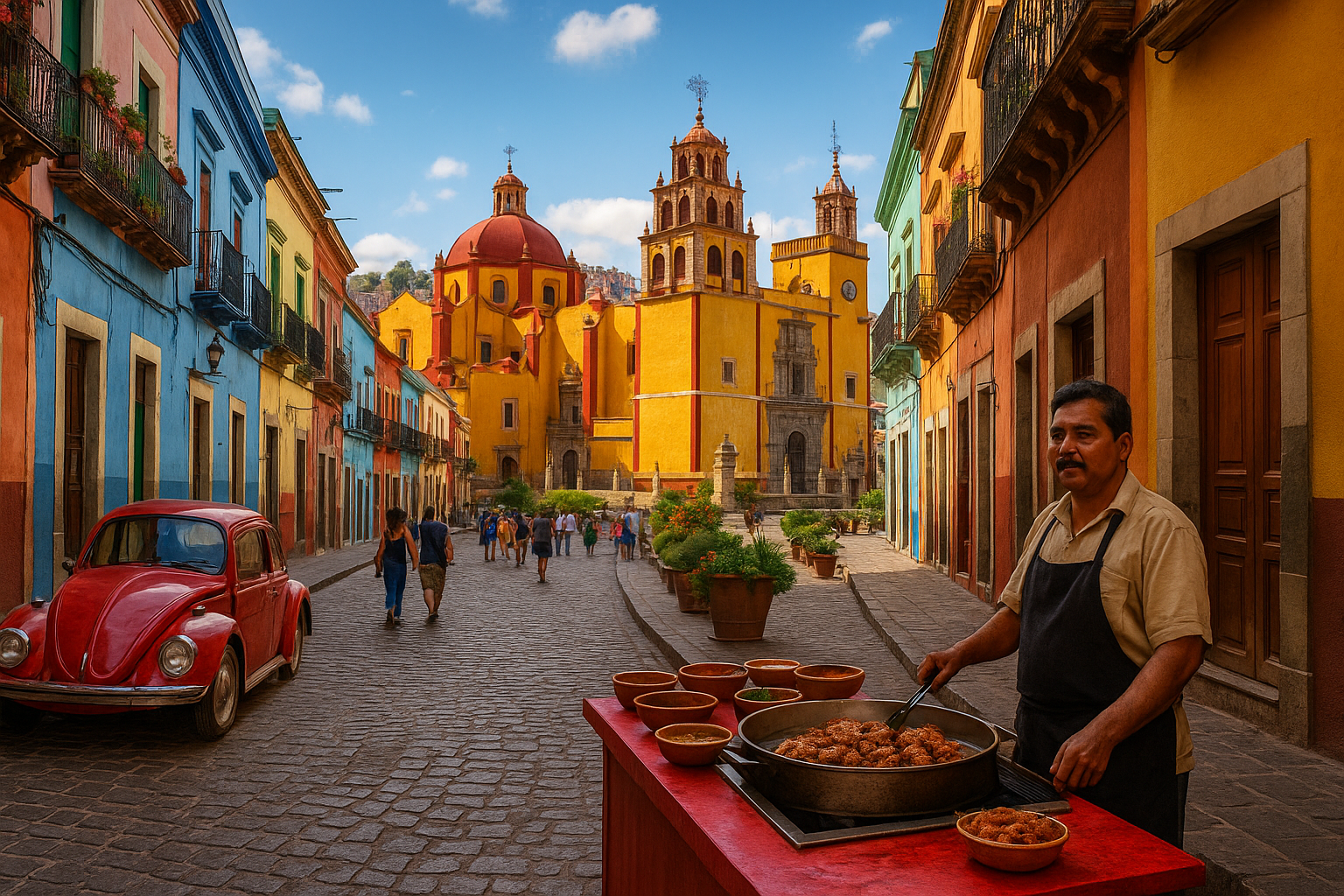
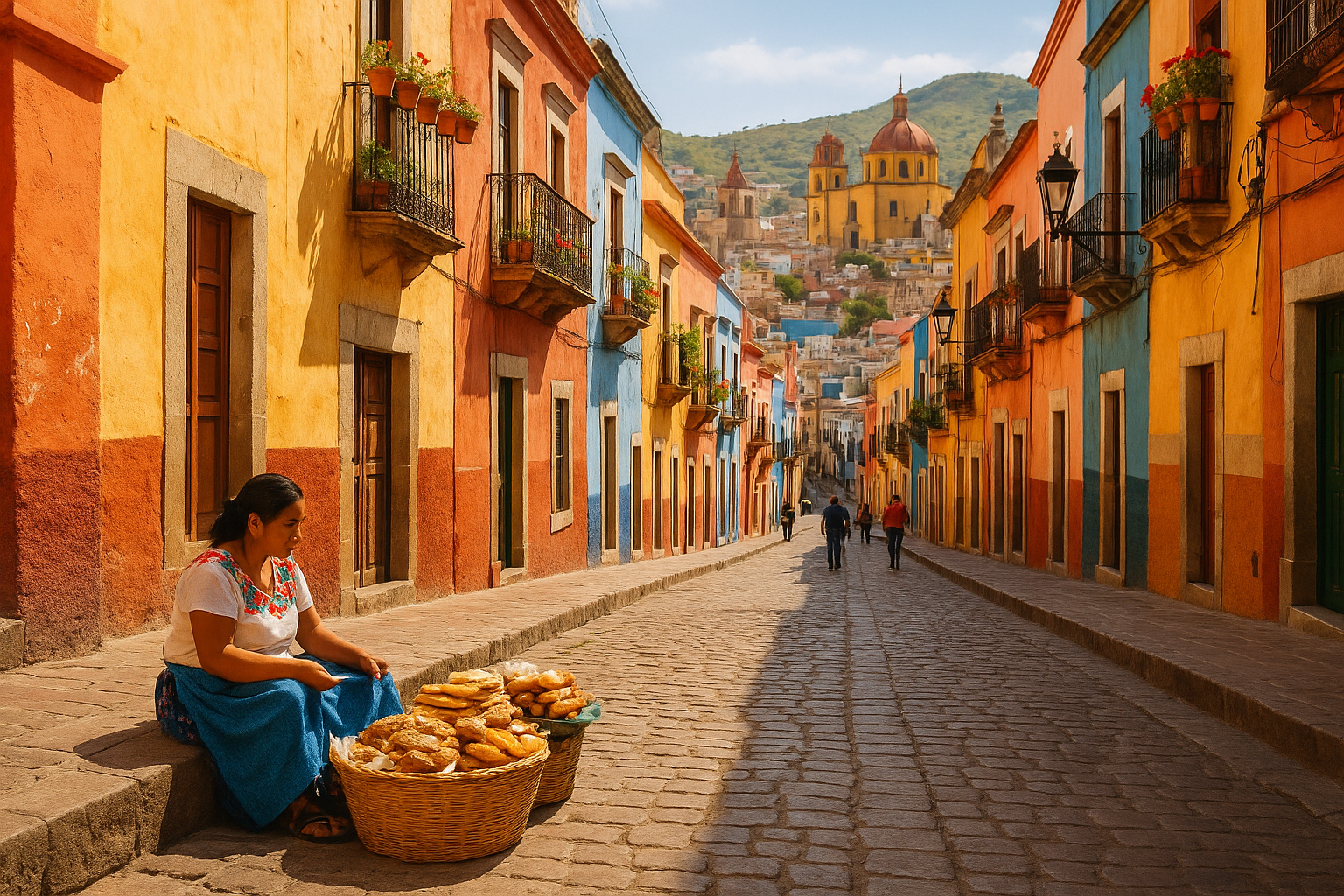
Let’s start with what hits you first: the color. Guanajuato’s houses come in every shade imaginable — fuchsia pink, pillar box red, saffron yellow, baby blue, lime green. They climb the hillsides in layers, each one with wrought-iron balconies and bougainvillea spilling over the facades. Walking through the city feels less like navigating a real place and more like stepping into a mural that someone forgot to finish.
The architecture is colonial through and through. Pastel and terracotta buildings line narrow lanes that weren’t built for cars — and in many cases, cars genuinely can’t fit. Much of the city’s traffic moves through a network of underground tunnels, which means the streets above are quieter, more walkable, and far more pleasant than in most Mexican cities of comparable size. You can wander for hours without a plan and still end up somewhere worth stopping.
The city is dotted with cozy squares — small plazas where locals gather, street musicians play, and the pace of life slows right down. These aren’t tourist traps dressed up as authentic spaces. They’re genuinely lived-in corners of the city where you’ll find grandmothers chatting on benches, kids kicking footballs, and vendors selling corn and fresh fruit. Pull up a spot and just watch. Some of the best moments in Guanajuato cost nothing at all.
History That Actually Feels Alive
Guanajuato isn’t just pretty — it’s historically significant in a way that’s hard to overstate. By the 18th century, it had become the world’s leading silver-extraction centre. The wealth that flowed through this city shaped not just its architecture but its identity, and you can still feel that legacy in the grand churches, the ornate facades, and the general sense that this was once a place of enormous importance.
That history isn’t locked behind glass. It’s in the streets, the buildings, and the stories locals will share if you ask. The Basílica Colegiata de Nuestra Señora de Guanajuato stands as one of the city’s most striking landmarks, its yellow facade visible from much of the surrounding hillside. Nearby, Plaza de la Paz is the kind of central square that rewards you for simply sitting still — surrounded by colonial architecture, with the energy of the city flowing through it at all hours.
For a city this size, the depth of what you can explore is genuinely surprising. The underground tunnel system, the hilltop monuments, the mining history — all of it layers together into a place that feels like it has more stories than it can hold.
The Alley of the Kiss and Other Stories Worth Finding
One of Guanajuato’s most famous spots is the Alley of the Kiss — a lane so narrow that the balconies of the houses on either side almost touch. The legend attached to it is exactly the kind of romantic, slightly melancholy story that makes a place memorable. Couples come here, locals will tell you the tale, and even if you’re traveling solo, it’s worth the visit just to understand how a city can build mythology out of its own geography.
This is what sets Guanajuato apart from more heavily touristed destinations: the stories are still being told by the people who live here. It hasn’t been polished into a theme park version of itself. The culture is present, active, and genuine.
The city also holds some of Mexico’s most atmospheric Day of the Dead celebrations. If you can time your visit to coincide with late October and early November, you’ll experience something that goes far beyond decoration and face paint. Guanajuato’s celebrations are rooted in real tradition — altars built with care, families gathering at cemeteries, and the city taking on a different kind of beauty that’s both solemn and joyful at the same time. It’s one of those experiences you carry with you long after the trip ends.
Food, Coffee, and Eating Like a Local
Guanajuato’s food scene is the kind that rewards curiosity over comfort. You won’t find the same concentration of internationally recognized restaurants that you’d get in Mexico City, and that’s actually the point. The best eating here happens in mercados, small family-run spots, and street stalls that have been serving the same dishes for generations.
Look for enchiladas mineras — a regional specialty that reflects the city’s mining heritage in name and character. Street food is everywhere and genuinely good. Tamales, gorditas, fresh juices, and aguas frescas in flavors you won’t find on any menu back home. The food markets are worth visiting even if you’re not hungry, just for the atmosphere and the colors.
The café scene has grown steadily, with independent coffee shops tucked into colonial buildings, their interiors mixing old stone walls with the kind of carefully considered aesthetic that appeals to anyone who appreciates a good flat white and a quiet corner to read in. Many of these spots are run by young locals who are proud of what they’ve built. Spending time in them feels like a genuine connection to the city, not a transaction.
Getting Out of the City: Day Trips Worth Taking
The region surrounding Guanajuato rewards exploration. The wider state is full of smaller towns, natural landscapes, and cultural sites that most travelers never reach because they don’t know to look.
- León — a larger city known for leather goods and a vibrant local culture, reachable in under an hour and worth an afternoon if you’re interested in Mexican craftsmanship.
- San Miguel de Allende — another colonial city, well-known and beloved for its arts scene and stunning architecture. It’s more polished than Guanajuato, but the two complement each other well if you’re spending a week or more in the region.
- The surrounding volcanic landscape — the Guanajuato region sits near more than 30 inactive volcanic craters, and the terrain around the city is genuinely dramatic. If you’re into hiking or just want to see Mexico from a different angle, getting out into this landscape is well worth the effort.
Renting a car gives you the most freedom, but local buses connect many of these destinations affordably. Ask at your accommodation for current options — locals almost always know the most practical routes.
Where to Stay and What to Budget
Guanajuato has a solid range of accommodation options, from budget hostels to boutique hotels set in converted colonial buildings. For young travelers, the hostel scene is genuinely good — social, well-located, and far more characterful than the average chain hotel. Many hostels are built into old townhouses, which means you might be sleeping under a vaulted ceiling or waking up to a courtyard full of plants.
Boutique guesthouses are another option worth considering, especially if you’re traveling as a pair or in a small group. Prices are considerably lower than comparable accommodation in Mexico City or tourist-heavy coastal destinations, and the quality-to-cost ratio tends to be excellent.
As a general rule, Guanajuato is more affordable than Mexico’s biggest tourist cities. Food, transport, and accommodation all come in at a level that makes it genuinely accessible on a backpacker budget, while still offering enough variety for travelers who want to spend a little more on comfort. Check current listings on platforms like Hostelworld for up-to-date pricing, since costs shift with seasons and demand.
When to Visit and What to Expect
Guanajuato sits at altitude, which means the climate is milder than you might expect from a Mexican city. Temperatures are generally comfortable year-round, without the intense heat of coastal destinations. The rainy season runs roughly from late spring through early autumn, bringing afternoon showers that cool things down but rarely last long enough to disrupt a full day of exploring.
The dry months — broadly speaking, late autumn through early spring — tend to be the most popular with visitors, and the city can get busy around major holidays and cultural events. That said, Guanajuato never reaches the saturation point of somewhere like Tulum or Los Cabos. Even during peak periods, it retains a sense of being a real city rather than a tourist destination.
If you can visit during Day of the Dead (late October to early November) or during the Festival Internacional Cervantino — an internationally recognized arts festival held annually in October — you’ll experience the city at its most vibrant and culturally alive. These events draw visitors from across Mexico and beyond, and for good reason. Book accommodation early if you’re planning around either of these periods.
Practical Tips Before You Go
- Get comfortable with the tunnels. The underground road network is how the city moves. It sounds disorienting at first, but you’ll get used to it quickly, and it makes the streets above far more enjoyable to walk.
- Wear comfortable shoes. The streets are cobbled, hilly, and often steep. Trainers or solid walking shoes will serve you far better than anything flat-soled or flimsy.
- Learn a little Spanish. Guanajuato is not heavily touristed, which means English is less widely spoken than in Mexico City or resort areas. Even basic Spanish will open doors and make interactions warmer and more genuine.
- Carry cash. Many smaller restaurants, market stalls, and local spots don’t accept cards. ATMs are available in the city centre, but it’s worth keeping some pesos on you at all times.
- Give yourself more time than you think you need. Most travelers who visit Guanajuato wish they’d stayed longer. Plan for at least three to four days, and be open to extending if the city gets under your skin — which it probably will.
For deeper planning, resources like the Indie Traveller Guanajuato guide offer solid practical detail alongside genuine travel perspective.
Why Guanajuato Feels Different
There’s a version of travel where you visit a place and leave with a collection of photographs. And then there’s the kind of travel where a city actually changes the way you think about what a city can be. Guanajuato tends to fall into the second category.
It’s not trying to be anything other than itself. The colors aren’t painted for Instagram — they’ve been there for centuries. The squares aren’t curated for tourists — they’re where people actually live. The food isn’t adapted for foreign palates — it’s what people here have always eaten. That authenticity is increasingly rare, and it’s exactly what makes this place worth the journey.
This Guanajuato Mexico travel guide can point you in the right direction, but the city will do the rest. Wander without a plan, follow the sound of music down an unfamiliar alley, eat something you can’t pronounce, and watch the sun go down over a skyline that looks like it was painted by someone in a very good mood. You’ll leave with stories worth telling — and probably a strong urge to come back.
This article was produced with AI assistance and reviewed editorially.


City Guides for Young Travelers: Buenos Aires, Quito, and Trujillo (Culture, Food & Adventure)

Where to Stay in Southern Africa: Botswana, Namibia & Madagascar for First-Time Visitors


