
Food
Barcelona & Lisbon: Local Food & Drink Guides for Young Travelers
Discover authentic local food and drink recommendations in Barcelona and Lisbon. Skip tourist traps and explore neighbourhood markets, cafes, and bars like a resident.

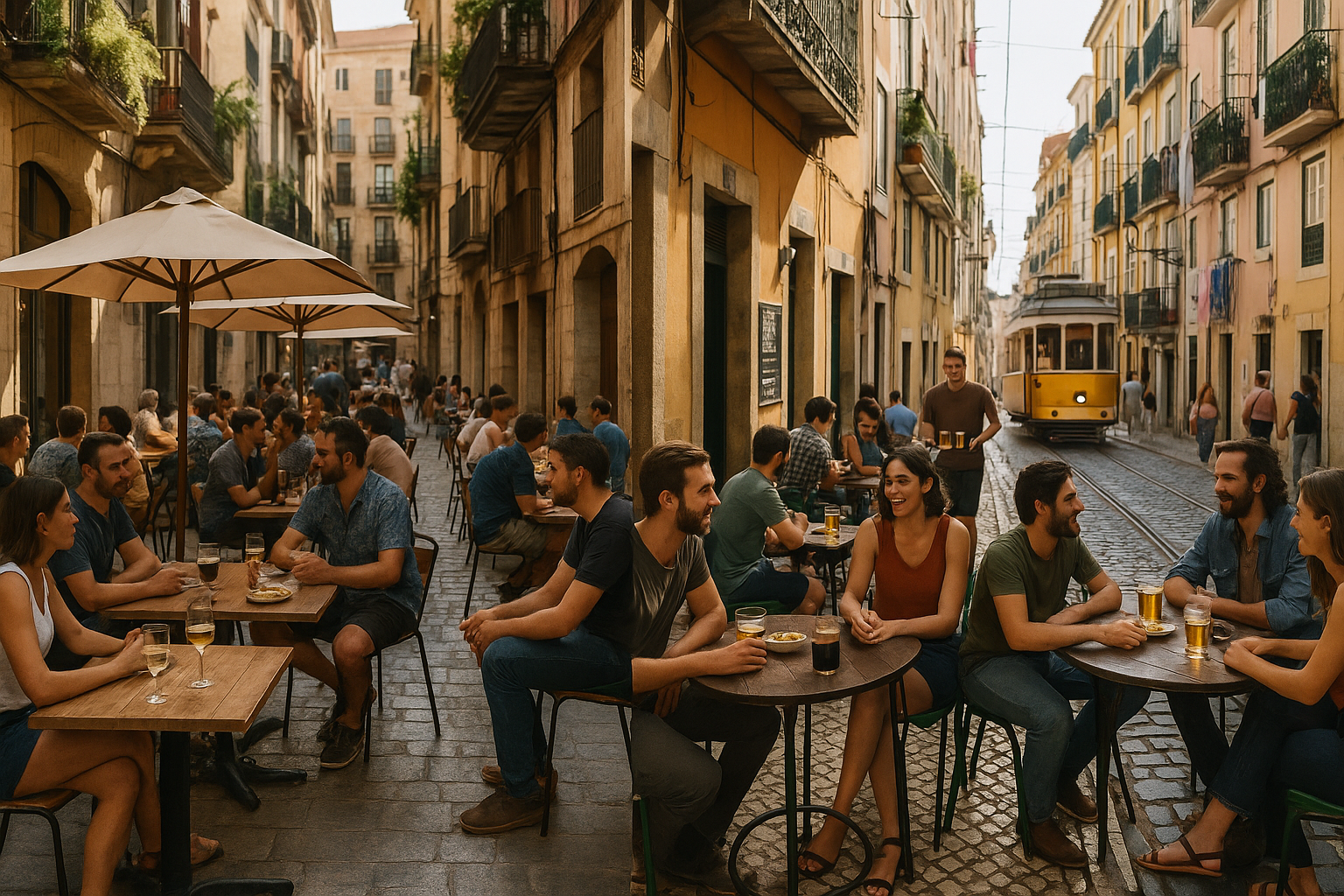
Your Essential Food and Drink Guide for Barcelona and Lisbon
If there are two cities in southern Europe that genuinely reward curious eaters and adventurous drinkers, it’s Barcelona and Lisbon. Both are vibrant, sun-drenched, and packed with flavour — but they each have their own distinct rhythm, their own street-corner rituals, and their own unspoken rules about when and how to eat. This food and drink guide for Barcelona and Lisbon is designed to get you past the tourist menus and into the places where locals actually spend their evenings. Whether you’re planning a two-week Euro trip or dedicating a full week to just one city, knowing where to eat and drink like a resident changes everything.
Why These Two Cities Belong on Every Young Traveler’s Food Map
Barcelona and Lisbon are often mentioned in the same breath — both coastal, both historic, both magnetic for young travelers. But their food cultures couldn’t be more different, and that contrast is exactly what makes visiting both so rewarding.
Barcelona sits at the intersection of Catalan tradition and modern creativity. The city has a long history of market culture, neighbourhood taverns, and a serious obsession with fresh seafood and cured meats. Lisbon, on the other hand, moves at a slower pace. It’s a city of tascas — those small, traditional Portuguese taverns where the menu changes daily and the wine is poured generously. Both cities have been shaped by their geography, their history, and a deep pride in local ingredients. And both are genuinely affordable compared to Paris or Amsterdam, which makes them ideal for budget-conscious travelers who still want to eat and drink well.
Barcelona: Eating Beyond the Boqueria
La Boqueria market on Las Ramblas is beautiful, yes. But it’s also one of the most tourist-saturated spots in the city. The locals mostly stopped shopping there years ago. If you want to understand Barcelona’s food culture, you need to look a little further.
The Neighbourhood Markets Worth Visiting
Barcelona is a city of neighbourhood markets, and each one has its own personality. The Mercat de Santa Caterina in the El Born district is a stunning building with a mosaic rooftop, and it’s far less crowded than La Boqueria. The stalls sell fresh produce, fish, and local cheeses at prices that make sense. The Mercat de l’Abaceria in Gràcia is another favourite among residents — a slightly chaotic, wonderfully authentic space where you can pick up olives, jamón, and freshly baked bread for a picnic in one of the nearby parks.
These markets aren’t just places to shop. They’re places to stand at a counter with a glass of cava at ten in the morning and eat a plate of anchovies without anyone finding it unusual. That’s Barcelona.
What to Eat in Barcelona
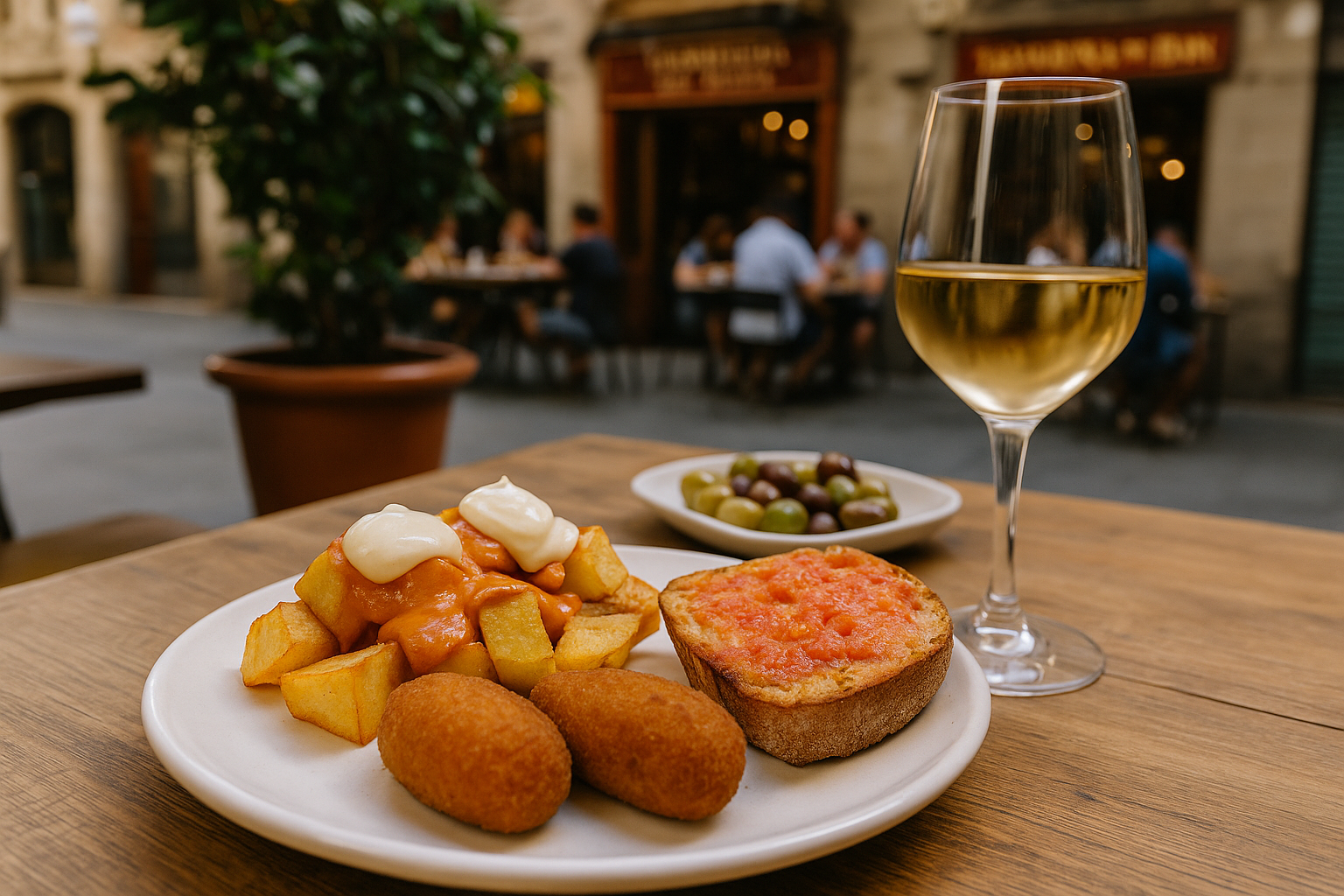
Catalan cuisine is bold and ingredient-driven. Start with pa amb tomàquet — bread rubbed with ripe tomato and drizzled with olive oil. It sounds simple, and it is, but done well it’s one of the most satisfying things you’ll eat on the trip. From there, explore escalivada (roasted aubergine and peppers), croquetes (creamy, crispy croquettes usually filled with jamón or bacallà), and fideuà, a noodle-based cousin of paella that’s popular along the coast.
Seafood is everywhere, and the quality is high. Look for restaurants near the Barceloneta neighbourhood that have been around for decades rather than the ones with laminated menus and photos of every dish. A good rule: if the menu is only in English, keep walking.
Where to Drink in Barcelona
Barcelona’s cocktail scene has grown significantly in recent years. The El Born and Sant Antoni neighbourhoods are particularly good for bar-hopping. El Born has a mix of wine bars, vermouth spots, and cocktail bars tucked into narrow medieval streets. Sant Antoni, centred around the old market building, has become a hub for younger locals — it’s where you’ll find natural wine bars, craft beer spots, and terraces that stay busy well into the night.
Vermouth culture is something you shouldn’t skip. In Barcelona, Sunday vermouth — vermut — is almost a sacred ritual. Around midday on weekends, locals gather at old-school bars for a glass of house vermouth with olives and chips. It’s low-key, convivial, and completely free of tourist pressure if you find the right spot. The Poble Sec neighbourhood is one of the best areas for this.
For a deeper dive into Barcelona’s culinary landscape, Culinary Backstreets’ Barcelona guide is one of the most thoughtful resources available — it’s written by people who genuinely know the city’s food culture from the inside.
Neighbourhoods to Explore for Food
Beyond the Gothic Quarter and Las Ramblas, several Barcelona neighbourhoods offer a more local dining experience:
- Gràcia — a village-within-a-city feel, full of independent restaurants and leafy squares where you can eat outside without fighting for a table.
- Poble Sec — the Carrer de Blai street is famous for its pintxos bars, where small bites are laid out along the counter and you point at what you want.
- Sant Pere — quieter than El Born but equally charming, with a growing number of small wine bars and neighbourhood restaurants.
- Sarrià-Sant Gervasi — further up the hill, this is where many Barcelona residents actually live and eat. The restaurants here are less flashy but consistently good.
Timing Your Visit
Barcelona in July and August is genuinely hot and genuinely crowded. If you can visit in spring (April to early June) or autumn (September to October), you’ll find more manageable temperatures, shorter queues, and a city that feels more like itself. The shoulder seasons are when locals reclaim their terraces and the pace of life slows down to something more enjoyable.
Lisbon: A City That Feeds You Well
Lisbon is one of those cities that gets under your skin through its food. It’s not showy or trend-obsessed. It’s generous, honest, and rooted in tradition. The kind of place where a bowl of soup, a piece of grilled fish, and a glass of local wine can feel like the most satisfying meal you’ve had in months.
The Classics You Need to Try
Portuguese food is built around a handful of iconic ingredients. Bacalhau — salted cod — is the most famous, and locals will tell you there are hundreds of ways to prepare it. Baked, grilled, shredded into a salad, or mixed with eggs and potatoes, it appears on menus everywhere and rarely disappoints. Grilled sardines are another essential, especially in summer when the city fills with the smell of them cooking on street grills during the Santos Populares festivals.
Beyond fish, look for bifanas — pork sandwiches served in a soft roll with mustard and a splash of sauce — which are the ultimate Lisbon street food. Chouriço, the smoky Portuguese sausage, often arrives at the table still flaming in a clay dish. And then there are pastéis de nata, the custard tarts that have become famous worldwide but taste entirely different when eaten warm from a local bakery, dusted with cinnamon and powdered sugar.
For a genuinely thorough food tour of the city, the Migrationology Lisbon travel guide covers an impressive range of local dishes and dining spots with real depth and honesty.
Tascas: The Heart of Lisbon Dining
If there’s one thing that defines eating in Lisbon, it’s the tasca. These small, traditional taverns are the backbone of the city’s food culture — unfussy, welcoming, and focused on doing a few things really well. A typical tasca will have a handwritten daily menu, a handful of tables, and a proprietor who’s been cooking the same recipes for decades.
The food is usually simple: a soup to start, a main of fish or meat with potatoes and greens, and a glass of house wine that costs almost nothing. It’s not Instagram-ready. It’s better than that. It’s real. The neighbourhoods of Mouraria, Intendente, and Penha de França are good places to find tascas that haven’t been entirely discovered by tourists yet.
Drinking in Lisbon
Lisbon’s drinking culture is relaxed and genuinely enjoyable. Wine is the default — and Portugal produces some outstanding bottles at prices that feel almost unreasonably low. Look for wines from the Alentejo region, which tend to be full-bodied and deeply flavoured, or explore the wines of the Douro Valley. Port wine is something you should try in a proper setting, ideally a wine bar where staff can talk you through the different styles.
The city also has a growing cocktail bar scene, particularly in the Bairro Alto and Cais do Sodré neighbourhoods. Cais do Sodré, once a slightly rough port district, has transformed into one of the most exciting nightlife areas in Europe. The streets around Pink Street (Rua Nova do Carvalho) are lined with bars that stay open late and attract a genuinely international crowd.
For something more local, try a ginjinha — a sour cherry liqueur that’s been part of Lisbon’s drinking culture for generations. You’ll find small ginjinha bars in the Rossio area where it’s served in a tiny glass or, if you prefer, in a chocolate cup. It’s sweet, slightly tart, and completely addictive.
Neighbourhoods Worth Exploring
Lisbon rewards those who wander beyond the obvious. Alfama is beautiful but busy. Here are some areas that offer a more local experience:
- Mouraria — one of Lisbon’s oldest and most multicultural neighbourhoods, with a brilliant mix of Portuguese tascas and international food.
- LX Factory — a converted industrial complex in Alcântara with independent restaurants, food stalls, and a Sunday market that draws locals from across the city.
- Príncipe Real — elegant and leafy, with excellent wine bars, gourmet delis, and a Saturday organic market in the garden.
- Intendente — once overlooked, now one of the most interesting neighbourhoods in the city for food and community.
Day Trips and the Coast
One of Lisbon’s great advantages is its proximity to the coast and the surrounding countryside. The Atlantic coastline west of the city offers beaches, seafood restaurants, and a completely different pace of life. A day spent eating grilled fish by the ocean, watching the waves roll in from the Atlantic, is one of those travel experiences that stays with you.
Sintra, the fairy-tale town in the hills above Lisbon, is also worth a visit — and it comes with its own food culture, including travesseiros (almond and egg pastries) and queijadas (small cheese tarts) that you can only really find there.
When to Visit Lisbon
Like Barcelona, Lisbon in peak summer can feel overwhelming. The city is small, and the most popular areas get genuinely crowded between June and August. Spring and early autumn are the sweet spots — warm enough to eat outside, cool enough to walk comfortably, and calm enough that you can actually get a table at the restaurant you want without booking weeks in advance.
Budgeting for Food and Drink: What to Expect
Both cities are relatively affordable by western European standards, though costs have risen in recent years. In Lisbon, eating at a tasca will typically cost you far less than a sit-down restaurant in the city centre. A lunch menu (soup, main, drink, and dessert) at a neighbourhood tasca is one of the best-value meals you’ll find anywhere in Europe. In Barcelona, the menú del día — a set lunch menu offered by most restaurants on weekdays — is similarly excellent value and usually includes several courses with wine or water.
Drinking is affordable in both cities if you order local. House wine, local beer, and regional spirits are always cheaper than imported options. Cocktails in tourist-heavy areas carry a significant premium; move a few streets away and the same quality drink costs noticeably less.
Practical Tips Before You Go
- In both cities, lunch is the main meal of the day. Restaurants fill up between 1pm and 3pm, and many offer their best value at this time.
- Dinner in Barcelona rarely starts before 9pm. In Lisbon, 8pm is common. Arriving earlier often means eating alone in a half-empty restaurant.
- Learn a few words in the local language. In Barcelona, Catalan is appreciated alongside Spanish. In Lisbon, even a simple obrigado (thank you) goes a long way.
- Avoid restaurants with photographs on the menu, staff standing outside trying to attract customers, or menus translated into six languages. These are reliable indicators of tourist-trap pricing.
- Both cities have excellent food markets that are worth visiting even if you’re not buying — they’re a window into local life and a great place to graze on small bites.
- For Lisbon dining inspiration backed by local knowledge, resources like Lonely Planet’s local Lisbon food recommendations offer a solid starting point alongside your own wandering.
Two Cities, One Unforgettable Journey
The best food and drink guide for Barcelona and Lisbon isn’t a list of restaurants. It’s a way of thinking about how you move through a city — slowly, curiously, and with your eyes open to the places that don’t advertise themselves. Both Barcelona and Lisbon reward that kind of traveler. They reward the person who ducks into a narrow side street, sits down at a table with no English menu, and orders whatever the person next to them is having. They reward patience, appetite, and a genuine interest in the people who call these cities home. Go hungry. Stay curious. And don’t be afraid to get a little lost — in both cities, that’s usually when the best meals happen.
This article was produced with AI assistance and reviewed editorially.


City Guides for Young Travelers: Buenos Aires, Quito, and Trujillo (Culture, Food & Adventure)

Where to Stay in Southern Africa: Botswana, Namibia & Madagascar for First-Time Visitors


