
Asia
Seasonal Travel Reality Check: What to Expect During Burning Season in Chiang Mai
Learn what burning season in Chiang Mai actually means for your trip. Understand air quality impacts, safety tips, and how to plan smarter around this seasonal reality.

The Honest Truth About Burning Season in Chiang Mai
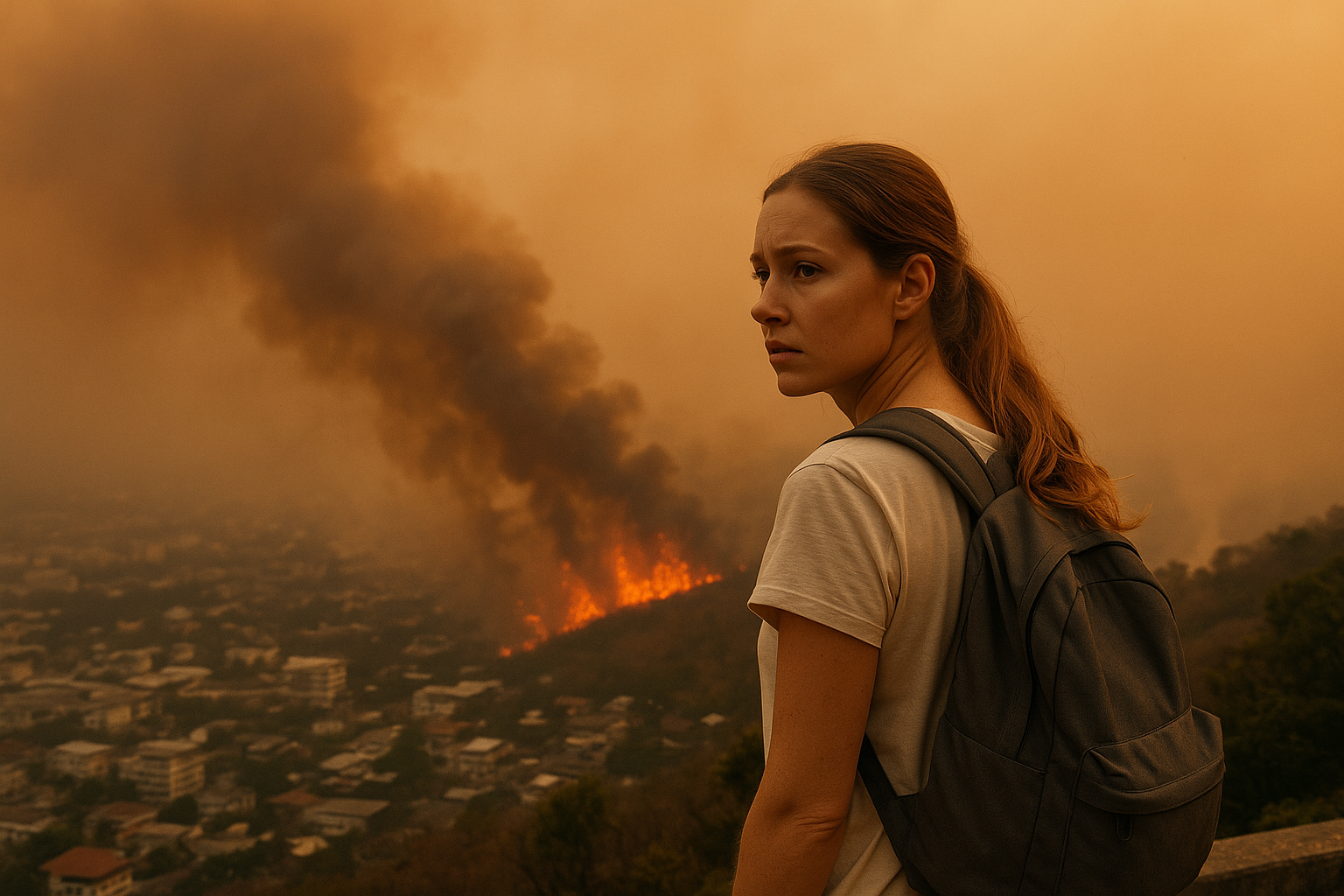
If you’ve been dreaming about temples, street food, and misty mountain trails in northern Thailand, Chiang Mai is probably already on your list. And it absolutely deserves to be. But before you book those flights, there’s something worth knowing — something most travel blogs skip right past in their rush to sell you the highlight reel. The burning season in Chiang Mai is real, it’s significant, and depending on when you’re planning to go, it could shape your entire experience. This isn’t a reason to cancel your trip. It’s a reason to plan it smarter.
Good travel isn’t about pretending every destination is perfect at every time of year. It’s about going in with your eyes open, making informed choices, and knowing what trade-offs you’re willing to make. So here’s the honest version — what burning season actually is, what it feels like to be there during it, and how to think through your options like someone who’s done their homework.
What Is Burning Season in Chiang Mai?
Every year, between February and April, northern Thailand — and Chiang Mai in particular — experiences a dramatic drop in air quality. This period is known as burning season, and it’s driven by widespread agricultural and forest burning practices across the region. Farmers burn crop residue and clear land in preparation for the next planting cycle. Forest fires, both accidental and intentional, add to the smoke. The geography of Chiang Mai doesn’t help either: the city sits in a valley surrounded by mountains, which traps smoke and haze rather than letting it disperse.
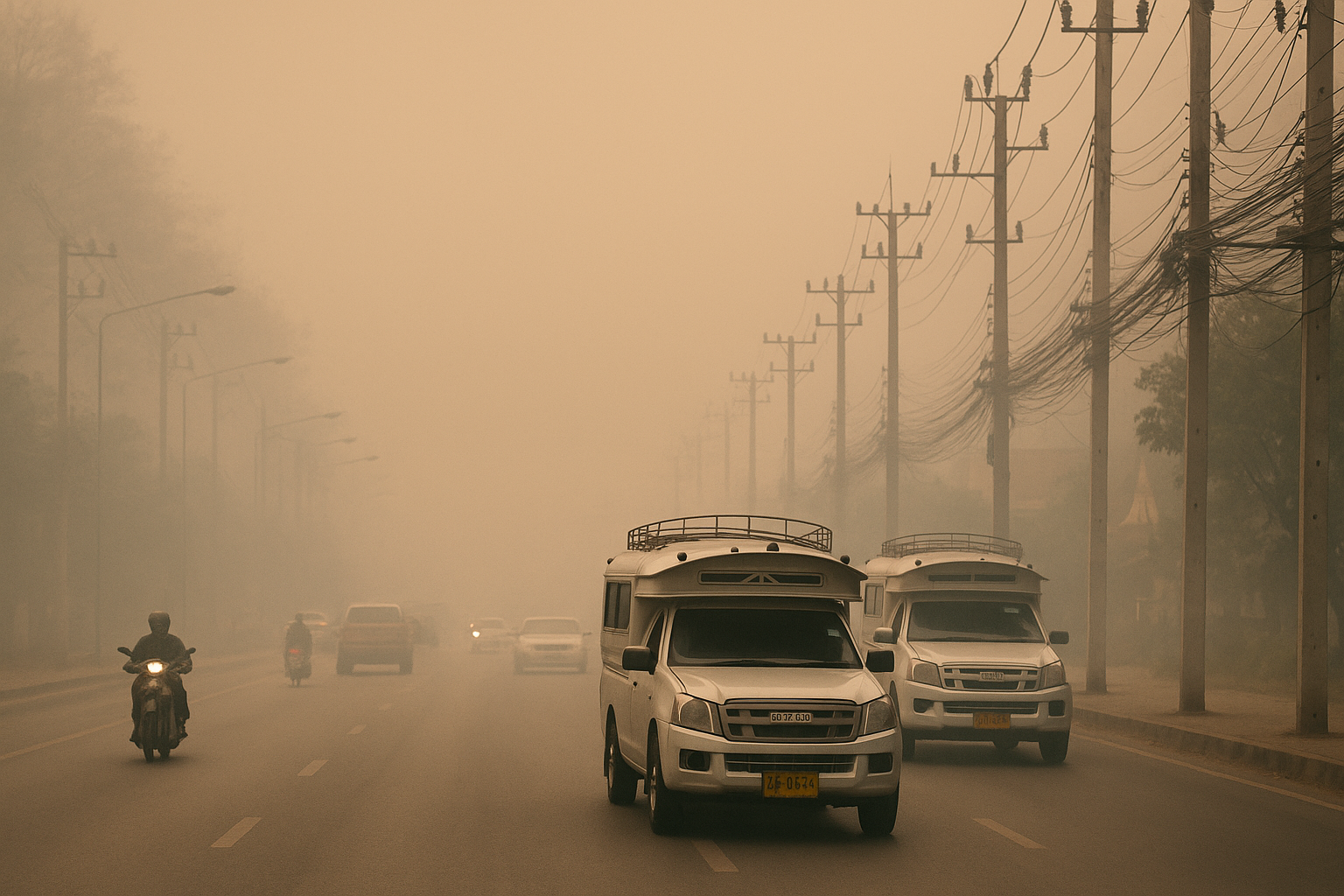
The result is a thick, grey-brown smog that settles over the city for weeks at a time. By March, Chiang Mai regularly appears on lists of the worst air quality cities in the world. That’s not an exaggeration — it’s a well-documented seasonal reality that locals, expats, and regular visitors all have to navigate. The mountains that make this region so stunning also make it one of the most affected places in Southeast Asia during this time of year.
Understanding the cause matters, because it helps you understand the scale. This isn’t a one-day pollution spike from traffic or industrial output. It’s a sustained, weeks-long phenomenon driven by hundreds of individual fires across a vast geographic area. Some days are worse than others, but the overall trend through February, March, and into April is consistently poor air quality with limited visibility.
What It Actually Feels Like to Be There
Imagine landing in Chiang Mai expecting clear skies and views of Doi Inthanon — Thailand’s highest peak — and instead stepping out into air that smells faintly of smoke, with a haze that turns the sky a dull, milky white. The mountains you were planning to hike? Barely visible. The golden stupas of Doi Suthep temple, usually gleaming against a blue sky? Shrouded in a grey veil.
That’s the reality for many travelers who arrive during peak burning season. It doesn’t mean Chiang Mai loses its charm entirely — the food is still extraordinary, the temples are still magnificent up close, the night markets are still buzzing with energy. But the visual experience of the city changes dramatically. Outdoor photography looks flat and washed out. Sunsets, which should be spectacular from the hilltops around the city, often disappear into a smoky haze instead of turning golden.
For people who are sensitive to air quality — those with asthma, allergies, or other respiratory conditions — the experience can go beyond aesthetic disappointment. Even healthy travelers may notice irritation in their eyes, throat, or lungs on particularly bad days. The air during the worst stretches of burning season in Chiang Mai is not something to take lightly, especially if you’re planning to spend a lot of time outdoors.
On the other hand, some days during this period are more manageable than others. Rain can temporarily clear the air. Wind can shift the smoke. And the city’s indoor culture — its coffee shops, cooking classes, art galleries, and wellness retreats — continues uninterrupted regardless of what’s happening outside. If you’re flexible and prepared, you can still have a genuinely good time.
Should You Still Go? Weighing the Trade-Offs
This is the question every traveler ends up asking, and the honest answer is: it depends on what you’re coming for.
If your main reason for visiting Chiang Mai is trekking through the jungle, cycling through the countryside, or spending long days exploring outdoor markets and temples in the open air, then the burning season in Chiang Mai is probably not your ideal window. The outdoor experience you’re imagining will be significantly compromised, and no amount of positive thinking changes the air quality index.
But if you’re drawn to Chiang Mai for its culture, its food scene, its creative community, its wellness offerings, or its role as a base for exploring northern Thailand more broadly — and you’re flexible about how you spend your days — then visiting during this period can still be worthwhile. Accommodation tends to be more affordable during burning season because it overlaps with lower tourist demand. The city is less crowded. You’ll encounter fewer tour groups at popular temples and more space to explore at your own pace.
There’s also something to be said for experiencing a place during a less-than-perfect moment. Traveling during burning season connects you to a real, ongoing challenge that the people of Chiang Mai live with every year. It opens conversations with locals about agriculture, climate, land use, and the complicated trade-offs of development in northern Thailand. That kind of depth isn’t available on a postcard-perfect trip.
Who Should Probably Wait
- Travelers with asthma, chronic respiratory conditions, or other health vulnerabilities that make poor air quality genuinely risky
- Anyone whose primary goal is hiking, cycling, or extended outdoor activity in the mountains
- Photographers who specifically want clear skies and mountain vistas
- Travelers who find it hard to adjust plans on the fly and need predictable, consistent outdoor conditions
Who Might Still Have a Great Time
- Culture-focused travelers who prioritize temples, cooking classes, and local markets
- Digital nomads and slow travelers who can monitor air quality daily and plan accordingly
- Budget-conscious adventurers who want more city for less money during the quieter season
- Anyone genuinely curious about the environmental and social dynamics of northern Thailand
Practical Ways to Navigate Burning Season
If you do decide to visit Chiang Mai between February and April, going prepared makes a real difference. Here’s how to approach it thoughtfully.
Monitor Air Quality Daily
Air quality during burning season isn’t static — it fluctuates based on wind, rainfall, and the intensity of fires on any given day. Get into the habit of checking a reliable air quality index before planning your day. On lower-pollution days, you can venture out more freely. On the worst days, it’s worth shifting your plans toward indoor experiences. Treating air quality like a weather forecast — something you check every morning and factor into your plans — is the most practical mindset you can adopt.
Invest in a Quality Mask
A basic surgical mask won’t do much against fine particulate matter, which is the main concern during burning season. If you’re planning to spend time outdoors, a well-fitting mask rated for fine particles is worth carrying. It won’t eliminate exposure, but it meaningfully reduces it on days when the air quality is poor. Pack one before you leave home rather than trying to source one locally during peak season.
Lean Into Indoor Chiang Mai
One of the things that makes Chiang Mai genuinely special is how rich its indoor culture is. The city has a thriving café scene, a growing number of art spaces and creative studios, excellent cooking schools, traditional Thai massage and wellness centres, and some of the best street food in Southeast Asia — much of which is enjoyed in covered market settings. Burning season is actually a good time to slow down and go deeper into these experiences rather than rushing between outdoor sights.
Consider Day Trips Strategically
On clearer days, the surrounding region opens up. Day trips to nearby towns, temples, and villages can be genuinely rewarding even during burning season, especially if you time them after rainfall. Keep your plans flexible and be ready to pivot based on conditions rather than committing to a rigid itinerary.
Think About Timing Within the Season
February tends to be less severe than March, which is typically the peak of burning season in Chiang Mai. If you have flexibility in your travel dates and want to visit during this general window, leaning toward early February or late April — when conditions are beginning to improve — gives you a better chance of more manageable air quality. That said, conditions vary year to year, so no timing within this window comes with guarantees.
When to Visit for the Best Conditions
If you’re still deciding when to go and burning season is a dealbreaker for you, the good news is that Chiang Mai is genuinely rewarding year-round — just at different times for different reasons.
The cool season, running roughly from November through January, is widely considered the most comfortable time to visit. Temperatures are pleasant, skies are clear, and the mountains are at their most accessible and visually striking. This is peak tourist season, which means more crowds and higher prices, but the conditions for outdoor exploration are excellent.
The rainy season, from around May through October, brings lush green landscapes, fewer tourists, and a very different atmosphere. Rain tends to fall in intense bursts rather than all day, which means you can often still get out and explore. The countryside is beautiful, waterfalls are at their most dramatic, and the air is clean and fresh. If you’re on a tighter budget and don’t mind occasional wet afternoons, this is an underrated window.
For deeper reading on the burning season phenomenon and how it’s being discussed and documented, you can explore this detailed overview of burning season in Chiang Mai or watch this firsthand video account of what the season looks and feels like on the ground.
The Bigger Picture: Travel With Awareness
There’s a version of travel that pretends every destination is flawless, every season is ideal, and every experience is Instagram-ready. That version is comfortable, but it’s not honest — and it doesn’t actually help you travel better.
The burning season in Chiang Mai is part of a much larger story about land use, agriculture, climate, and the pressures facing communities across Southeast Asia. When you travel with awareness of that context, you show up differently. You ask different questions. You have different conversations. You come home with a more complete picture of a place rather than just a curated highlight reel.
Chiang Mai is one of those cities that rewards curiosity. Its temples, its food culture, its creative energy, its surrounding mountains — all of it is worth experiencing. The burning season is a real consideration, but it’s not a reason to write the city off. It’s a reason to think carefully about when you go, what you prioritize, and how you prepare. And that kind of thoughtful planning is what separates a good trip from a great one. Go with your eyes open, and Chiang Mai will give you more than you expected — even if the sky isn’t always as clear as you’d hoped.
This article was produced with AI assistance and reviewed editorially.


City Guides for Young Travelers: Buenos Aires, Quito, and Trujillo (Culture, Food & Adventure)

Where to Stay in Southern Africa: Botswana, Namibia & Madagascar for First-Time Visitors


