
Europe
European Hidden Gems: Korcula Croatia, Peak District UK & Gran Canaria’s Best Neighborhoods
Discover three underrated hidden gem European destinations offering authentic experiences away from crowds: Korcula’s Dalmatian coast, Peak District hiking, and Gran Cana

Why These Three Hidden Gem European Destinations Deserve Your Attention Right Now
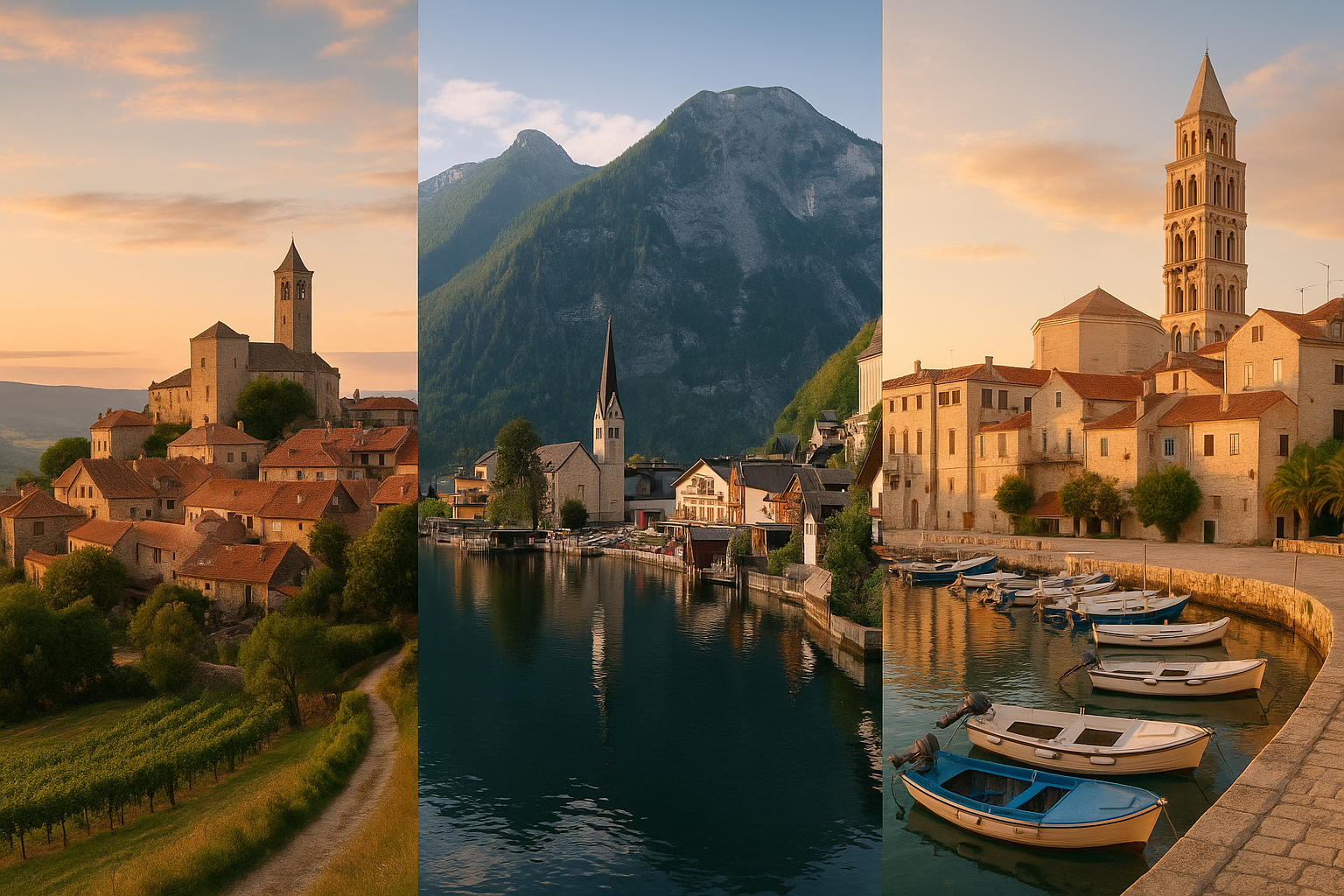
Everyone knows about Venice. Everyone’s seen the Barcelona photos. And while those places are popular for good reason, there’s a growing crowd of young travelers who are done fighting for space on the same bridges and beaches as millions of other tourists. If you’re one of them — curious, a little spontaneous, and genuinely interested in experiencing places rather than just photographing them — then you’re going to love what Europe still has tucked away. These hidden gem European destinations aren’t secrets exactly, but they haven’t been overrun yet. Korčula in Croatia, the Peak District in the UK, and Gran Canaria’s lesser-known neighborhoods each offer something the big-name spots can’t: room to breathe, space to connect, and the feeling that you actually discovered something.
Here’s a proper look at all three — what makes them special, what to do when you get there, and why now is the right time to go.
Korčula, Croatia: The Dalmatian Island You Haven’t Heard Enough About
Say it right first: it’s KOR-chew-lah. Now that you’ve got that down, let’s talk about why this small Dalmatian island deserves a serious place on your travel list.
Korčula sits between Dubrovnik and Hvar on the Adriatic coast, which already tells you something. It’s surrounded by two of Croatia’s most famous destinations — and yet it manages to stay relatively under the radar. Most travelers rush past it on their way to Hvar’s beach clubs or Dubrovnik’s city walls, which means Korčula gets to keep its quiet, unhurried atmosphere largely intact. That’s a gift, honestly.
What Makes Korčula Town So Special
The island covers around 106 square miles — small enough to feel intimate, large enough to explore properly. At its heart is Korčula Town, one of the most beautifully preserved medieval settlements on the Adriatic. Walk through its cobbled lanes and you’ll find ancient stone houses, fortress towers, and storied churches that have been standing for centuries. The layout of the old town is almost perfect: streets curve gently to channel sea breezes in summer and block winter winds, a design so clever it still works today.
What sets Korčula apart from other Croatian island towns isn’t just the architecture — it’s the vibe. It has a relaxed, grown-up feel that’s hard to manufacture. The restaurants are genuinely good. The wine bars pour local Pošip and Grk, two white wines produced on the island that you won’t find easily anywhere else. There’s no pressure to perform for the crowd, because the crowd hasn’t fully arrived yet.
Korčula is often overshadowed by neighbouring Hvar, which attracts a louder, more party-focused scene. If that’s what you’re after, Hvar delivers. But if you want quiet beaches, unspoiled landscapes, and a destination rich in history and culture without the chaos, Korčula is genuinely hard to beat. For more detailed planning, Condé Nast Traveler’s guide to Korčula is an excellent starting point.
What to Do on the Island
Beyond wandering the old town — which you should absolutely do slowly, preferably in the early morning before other visitors are up — the island rewards exploration. Rent a bike or a scooter and head into the interior, where vineyards and olive groves stretch between small villages. The roads are quiet and the scenery is genuinely lovely.
The beaches here aren’t the sandy postcard kind you’ll find further south. Most are pebble or rock, and the water is extraordinarily clear. That clarity makes snorkeling surprisingly rewarding. There are also sea kayaking tours that take you around the coastline and into sea caves, which is one of the best ways to experience the island if you’re comfortable on the water.
For cultural depth, look into the Moreška sword dance, a traditional performance that’s been kept alive by the local community for generations. It’s the kind of thing that sounds like a tourist trap but turns out to be genuinely fascinating — a reminder that this island has its own distinct identity, separate from the Croatian mainland and from the more commercialized islands nearby.
Where to Stay and When to Visit
Korčula Town itself is the most convenient base, putting you within walking distance of the old town, restaurants, and ferry connections. For a more secluded experience, smaller villages around the island offer private rooms and guesthouses where you’ll interact more directly with local families. Shoulder season — late spring and early autumn — is the sweet spot. The weather is warm, the water is swimmable, and the island is noticeably quieter than it is in peak summer. You’ll get a more authentic experience and almost certainly pay less for accommodation. Adventurous Kate’s Korčula travel guide covers practical logistics in useful detail if you’re planning an independent trip.
The Peak District, UK: Where England’s Wild Side Comes Out
Most people think of the UK and picture London. Maybe Edinburgh. But England has a wilder, quieter side that doesn’t get nearly enough attention from international travelers — and the Peak District is one of its finest expressions.
Located roughly in the center of England, the Peak District was the country’s first national park and remains one of its most visited — but that footfall is spread across a genuinely vast and varied landscape. You can walk for hours without feeling crowded. The scenery shifts constantly: dramatic moorland in the north, softer green dales and limestone valleys in the south, and stone villages scattered throughout that look like they’ve barely changed in two centuries.
Hiking and Outdoor Life
If you love being outdoors, the Peak District will keep you busy for days. The northern section, known as the Dark Peak, is characterized by exposed gritstone edges and vast moorland plateaus. Trails up to places like Kinder Scout — the highest point in the Peak District — offer genuinely challenging walks with panoramic views that stretch in every direction on a clear day. The landscape up here has a raw, slightly dramatic quality that feels miles away from anything urban.
The southern White Peak is gentler and arguably more scenic in a traditional sense. River valleys cut through limestone hills, and old railway lines have been converted into flat, easy cycling and walking routes that anyone can enjoy. The Monsal Trail is a particularly popular example — former Victorian railway infrastructure turned into a scenic path through one of the most photogenic valleys in England.
Rock climbing is another option. The gritstone edges that run along the eastern side of the Dark Peak are legendary among climbers, attracting people from across the country who come to work routes on natural rock faces. If you’ve never tried outdoor climbing, this is a genuinely exciting place to start with a guided session.
Villages Worth Exploring
The Peak District’s villages are part of its charm. Places like Castleton, Bakewell, and Eyam each have their own distinct character and history. Bakewell is famous for its market and its pastries — the Bakewell pudding is a local institution, and the debate over the difference between a pudding and a tart is taken more seriously than you might expect. Eyam has a genuinely haunting history as a village that quarantined itself during a plague outbreak in the seventeenth century, and the story is told with remarkable openness by the local community.
For accommodation, the Peak District offers everything from youth hostels in converted historic buildings to cozy bed and breakfasts in village farmhouses. The hostels in particular are excellent value and often located in spectacular spots — some are right on the edge of moorland, which makes early morning walks incredibly easy to pull off.
Off-Season Advantages
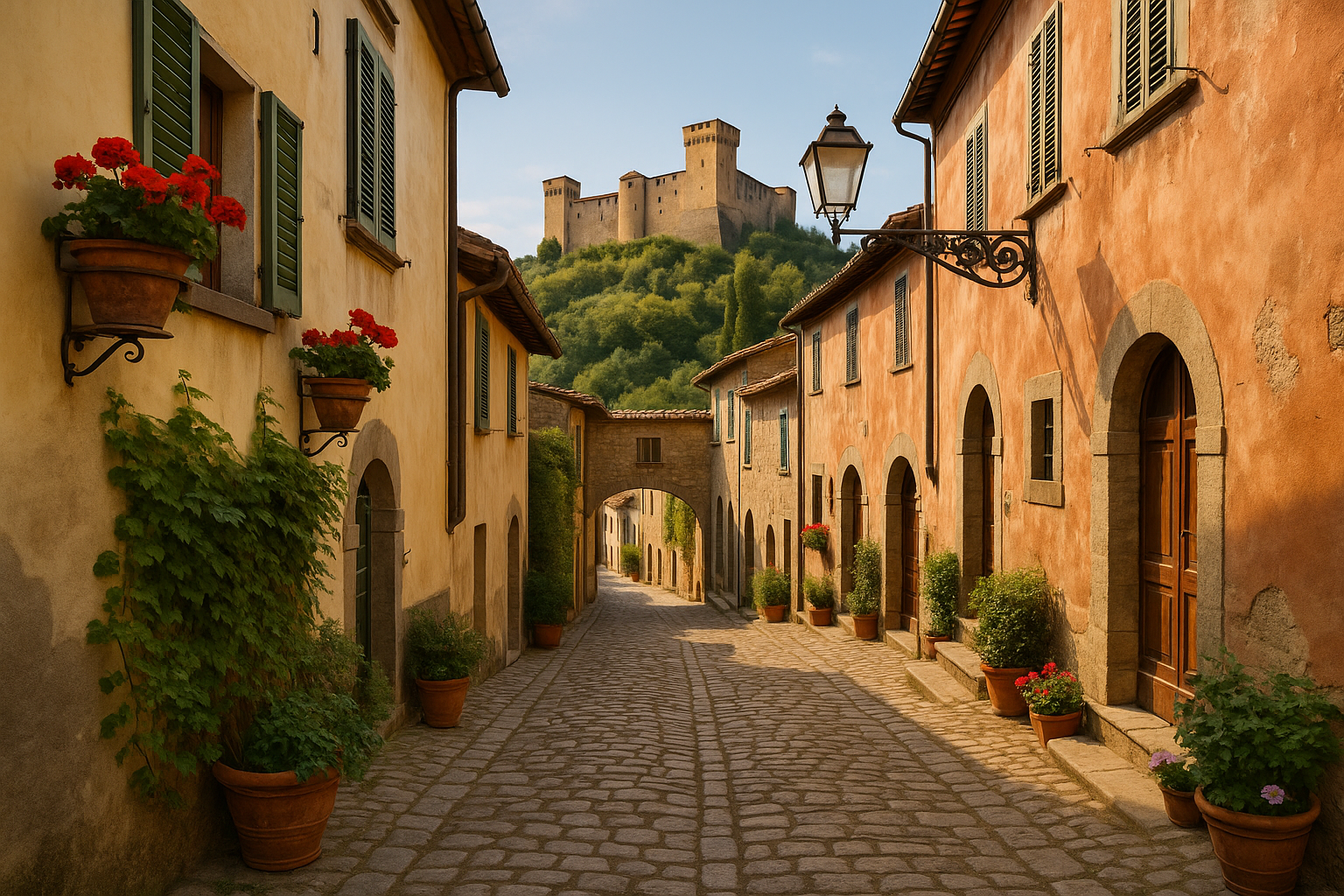
Visiting outside of summer has real advantages here. Autumn turns the moorland copper and gold. Winter brings low mist and frost that makes the stone villages look like something from a film set. Spring arrives slowly but beautifully, with wildflowers appearing in the limestone dales before the crowds return. Any of these seasons offers a quieter, more atmospheric version of the Peak District that summer visitors rarely get to experience.
Gran Canaria: Beyond the Beach Resorts
Gran Canaria attracts around four million visitors a year, which puts it firmly in the popular category. But here’s the thing: the vast majority of those visitors head straight to the southern resort towns, plant themselves on the beach, and never venture further. That leaves the rest of the island — which is genuinely extraordinary — almost entirely to those willing to explore a little.
The island is essentially three destinations in one. The south has beautiful sandy beaches and the resort infrastructure you’d expect. The north is home to traditional Canarian towns with a completely different pace and atmosphere. And the volcanic interior — mountains, craters, pine forests — is one of the most dramatic and unexpected landscapes you’ll find anywhere in Europe.
The Interior: Where Gran Canaria Gets Interesting
Most people never make it to the center of Gran Canaria, which is a genuine shame. The volcanic landscape here is stark and beautiful in equal measure. Mountain roads wind through pine forests and past dramatic rock formations, and the air is noticeably cooler and cleaner than on the coast. The change in scenery from beach to mountain can happen in under an hour of driving — it’s one of those geographical contrasts that makes the island feel much larger than it actually is.
Hiking in the interior is genuinely rewarding. Trails connect mountain villages and pass through landscapes that feel worlds away from the tourist south. You’ll encounter few other walkers, particularly if you go midweek or outside the main holiday periods. The terrain is varied enough to suit different fitness levels, and the views — when the weather cooperates — are extraordinary.
Northern Towns and Local Culture
The northern part of Gran Canaria is where traditional Canarian culture is most alive. Towns here have local markets, old churches, and a pace of life that hasn’t been reshaped by tourism. The food in these areas tends to be more authentic too — papas arrugadas (small wrinkled potatoes served with mojo sauce) tastes noticeably better when you’re eating it in a family-run restaurant in a quiet northern town than it does in a resort buffet.
If you’re staying in the south for beach access, consider renting a car for at least one or two days specifically to explore the north and interior. It completely changes your understanding of the island and gives you a much richer experience overall.
Practical Tips for Gran Canaria
Budget accommodation options in Gran Canaria tend to cluster in the south, but the north and interior have smaller guesthouses and rural lodges that offer excellent value and a more immersive experience. Traveling in spring or autumn avoids the peak summer heat and the busiest periods, while still giving you warm, swimmable weather. The island’s year-round mild climate means there’s genuinely no bad time to visit — just different trade-offs depending on what you prioritize.
For a deeper look at what the island offers beyond the obvious, Hidden Gem Guide’s breakdown of Gran Canaria’s lesser-known spots is worth bookmarking before you go.
How to Choose Between These Three Destinations
All three of these hidden gem European destinations offer something distinct, and the right choice depends entirely on what kind of trip you’re looking for.
- Korčula is for you if you want a Mediterranean island experience with genuine history, excellent food and wine, and a relaxed pace that feels earned rather than manufactured. It’s ideal for late spring or early autumn travel.
- The Peak District is for you if you want to get outdoors properly — hiking, cycling, climbing — while also dipping into English village life and history. It works year-round and suits solo travelers, pairs, and small groups equally well.
- Gran Canaria is for you if you want variety in a single destination: beach days, mountain hikes, cultural exploration, and local food all within reach of each other. It’s particularly good value outside peak season.
None of these places will feel like a compromise. That’s the point. Each one offers a genuinely rich experience — just without the queues, the inflated prices, and the sense that you’re moving through a theme park version of a destination rather than a real place.
Making the Most of Off-Season Travel in Europe
One thing all three of these destinations have in common is that they reward travelers who visit outside the peak summer window. Shoulder season — broadly April through June and September through November — consistently delivers better value, smaller crowds, and a more authentic experience across Europe. Locals are more present in their own spaces, accommodation is easier to find and cheaper to book, and the pace of life feels more real.
This is especially true for Korčula, where the summer influx, while smaller than on Hvar, still changes the atmosphere noticeably. In May or October, the island belongs almost entirely to people who actually live there — and to travelers smart enough to show up when everyone else isn’t.
The Peak District and Gran Canaria both have year-round appeal, but autumn and spring bring their own particular magic to each. The Peak District’s moorland in autumn is one of England’s great natural spectacles. Gran Canaria in spring, when the interior is green and the north is in bloom, is a completely different island from the sun-scorched summer version most tourists experience.
Start Planning — But Leave Room for Spontaneity
The best travel experiences rarely follow the plan exactly. You book the ferry to Korčula and end up spending an extra day because a local invited you to a wine tasting. You set out for a Peak District summit and get distracted by a village market you didn’t know existed. You rent a car in Gran Canaria to see the north and end up eating lunch at a roadside spot that has no reviews anywhere online and is absolutely the best meal of your trip.
These three destinations are built for that kind of travel. They have enough structure to make planning easy, and enough depth to reward wandering. Whether you’re a first-time solo traveler or someone who’s been collecting passport stamps for years, each of these places offers something genuinely worth discovering — and the kind of experience you’ll still be talking about long after you’ve come home.
Your next adventure doesn’t have to be the obvious one. Sometimes the best trips are the ones that happen just slightly off the map — in a cobbled island town, on a windswept English moor, or on a volcanic mountain road with no other cars in sight. These hidden gem European destinations are waiting. Go find them.
This article was produced with AI assistance and reviewed editorially.


City Guides for Young Travelers: Buenos Aires, Quito, and Trujillo (Culture, Food & Adventure)

Where to Stay in Southern Africa: Botswana, Namibia & Madagascar for First-Time Visitors


