
Mexico
Mexico’s Underrated Cities: Guanajuato and the Yucatán Peninsula Beyond Cancun
Discover Mexico’s hidden gems beyond the resorts. Explore Guanajuato’s colonial charm and authentic Yucatán destinations away from typical tourist crowds.

Why Mexico’s Underrated Cities Deserve a Spot on Your Travel List
Everyone’s heard of Cancun, Mexico City, and Tulum. They’re iconic for a reason. But if you’re the kind of traveler who wants to wander streets that aren’t packed with tour groups, eat at places where the menu is handwritten in Spanish, and actually connect with a place — then Mexico has so much more to offer. The underrated cities in Mexico are where the real magic lives. Vibrant, layered, and full of stories, these destinations reward curious travelers who are willing to look a little further than the resort brochure.
This guide covers two major areas worth your attention: the colonial heartland of central Mexico, particularly the city of Guanajuato, and the Yucatán Peninsula beyond the resort strip. Whether you’re planning a solo adventure, a trip with friends, or your first time stepping foot in Latin America, these destinations offer something genuinely memorable.
Guanajuato: The Colonial City That Stops You in Your Tracks
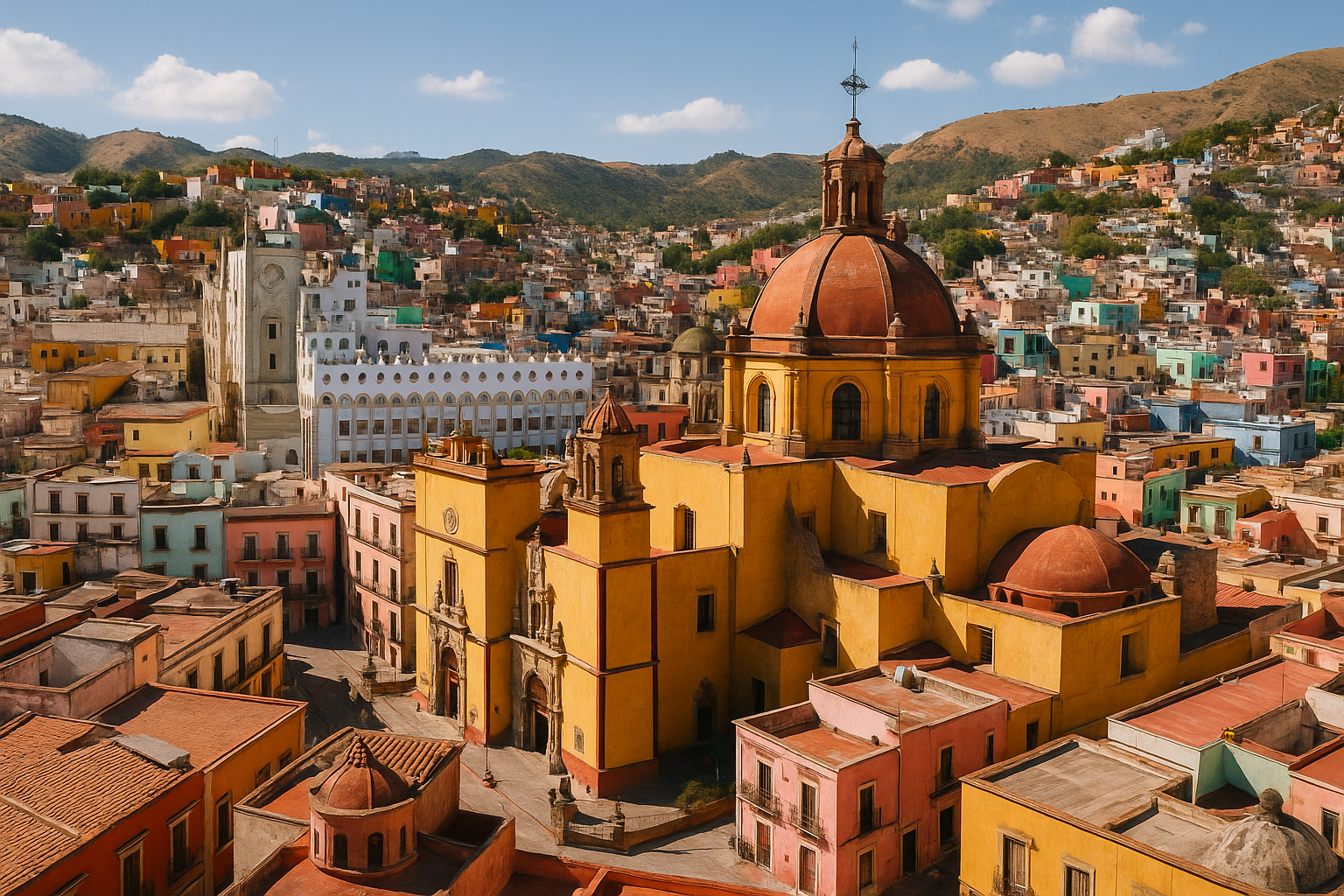
There are cities you visit, and then there are cities that stay with you. Guanajuato is firmly in the second category. Tucked into a narrow valley in central Mexico, this UNESCO World Heritage city is built on layers — literally. Its streets twist uphill, dip underground through old mining tunnels converted into roads, and open suddenly onto plazas where musicians play and students spill out of university buildings.
The architecture is extraordinary. Colourful facades in terracotta, yellow, blue, and pink climb the hillsides in every direction. The city’s wealth came from silver mining during the colonial era, and that history is written into every ornate church facade and cobblestone alley. But Guanajuato doesn’t feel like a museum. It feels alive. It has a large student population, a thriving arts scene, and a calendar full of festivals that draw visitors from across Mexico and beyond.
What to Do in Guanajuato
- Climb to the Pípila monument for a panoramic view of the city — especially worth it at sunset when the coloured buildings glow.
- Walk the Callejón del Beso, a narrow alley where two balconies nearly touch overhead. The legend tied to it is worth looking up before you go.
- Explore the Alhóndiga de Granaditas, a former granary turned museum that played a pivotal role in Mexico’s War of Independence.
- Visit the Teatro Juárez, an ornate neoclassical theatre that hosts performances throughout the year.
- Get lost on purpose. The best parts of Guanajuato are the ones you stumble upon — a hidden courtyard, a street food stall serving enchiladas mineras, a local bar with live folk music.
The food scene is another reason to linger. Guanajuato’s regional cuisine features dishes you won’t find on every Mexican restaurant menu abroad. Try enchiladas mineras, stuffed with potato and carrot and topped with a mild red sauce. Order a gordita from a market stall. Eat slowly, and eat often.
When to Visit and How to Get There
Guanajuato is worth visiting year-round, but the dry season — roughly from November to April — offers the most comfortable temperatures and clearest skies. If you can time your visit around the Festival Internacional Cervantino, which takes place every October, you’ll experience one of Latin America’s most celebrated arts and culture festivals in one of its most beautiful settings.
The nearest major airport is in León, known as the Bajío International Airport, which receives direct flights from several Mexican cities and some international destinations. From there, Guanajuato is about a 45-minute drive. Buses from Mexico City’s central bus terminals also connect regularly to Guanajuato, and the journey takes roughly four to five hours — comfortable, affordable, and scenic.
The Yucatán Peninsula: Beyond the Resort Zone
The Yucatán Peninsula is one of the most geographically and culturally rich regions in the entire Americas. Most travelers experience it through the lens of Cancun — the hotel zone, the beach clubs, the all-inclusive resorts. And look, there’s nothing wrong with a beach holiday. But if you’ve come all the way to the Yucatán and you only see the inside of a resort, you’ve missed something extraordinary.
The peninsula is home to ancient Mayan ruins, cenotes (natural sinkholes filled with crystal-clear freshwater), colonial towns, flamingo reserves, and a culinary tradition that’s completely distinct from what you’d find in central or northern Mexico. The underrated cities in Mexico’s Yucatán region — places like Valladolid, Izamal, and Campeche — are all within reach and all worth your time.
Resources like FlashpackerConnect’s guide to off-the-beaten-path Yucatán locations and Viator’s roundup of underrated Mexican destinations both highlight how much this region offers beyond the tourist corridor — and travelers who take the time to explore are consistently rewarded.
Getting from Cancun to Tulum
If Cancun is your entry point — which it likely will be, given its international airport — then Tulum is often the first stop beyond the resort zone. The journey is straightforward and doesn’t require a rental car, though having one gives you more flexibility.
The most budget-friendly option is the ADO bus, which runs regularly between Cancun’s bus terminal and Tulum. The ride takes roughly two hours and is comfortable, air-conditioned, and very affordable. Buses depart throughout the day, so you don’t need to book far in advance — though checking schedules ahead of time is always smart.
Colectivos — shared minivans — are another popular option. They run along the main highway between Cancun and Tulum, stopping at towns and junctions along the way. They’re even cheaper than the bus and give you the flexibility to hop off at Playa del Carmen or Akumal if you want to break up the journey. Just flag one down on the roadside or find the departure point near the bus station.
If you’re traveling with a group or have a lot of luggage, a private transfer or rental car might make more sense. The highway is well-maintained and the drive is easy, passing through small towns and stretches of jungle. Keep an eye out for the turnoff to Cobá — the ancient Mayan ruins there are worth a detour if you have the time.
Getting from Cancun to Isla Mujeres
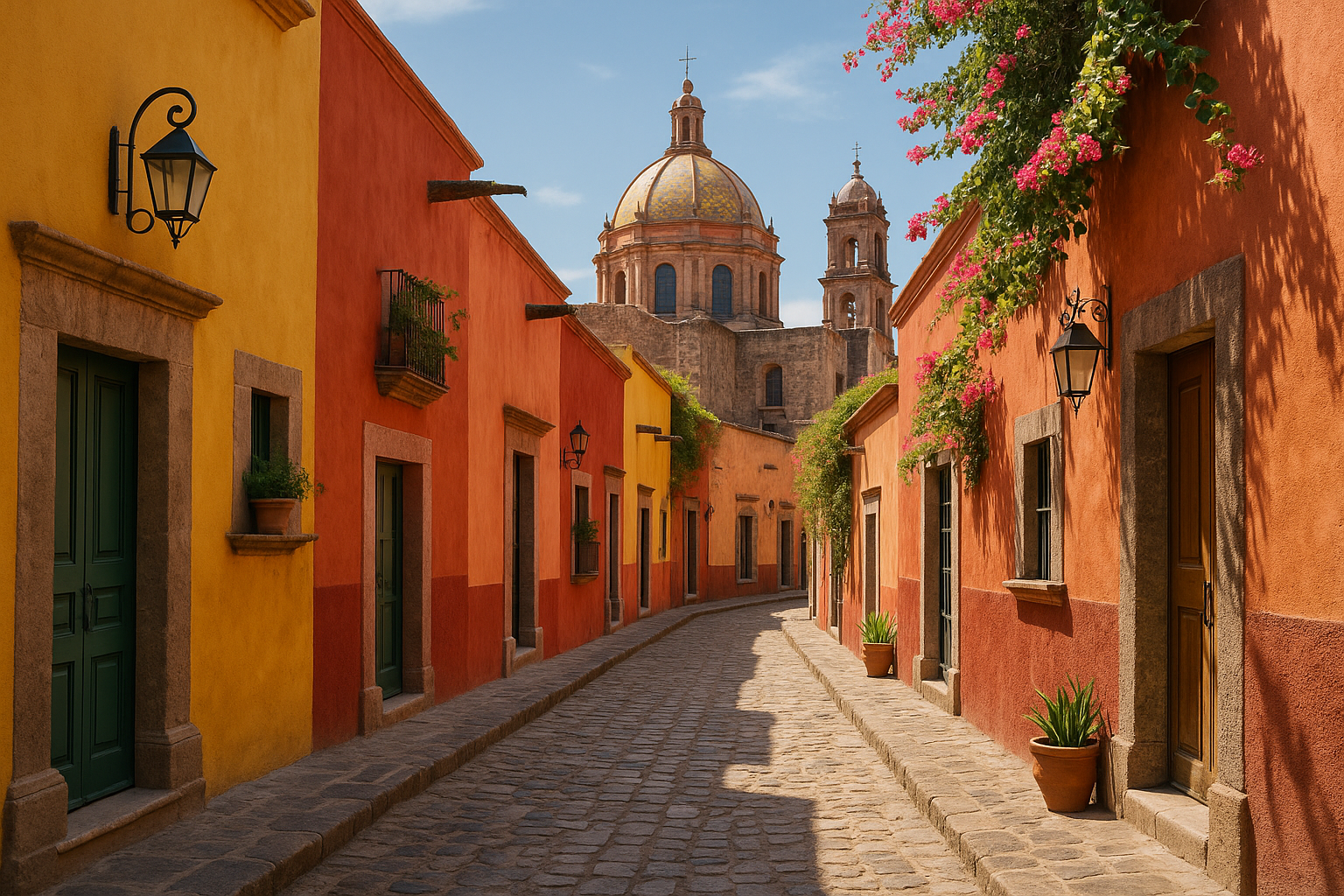
Isla Mujeres is one of those places that feels like a reward. A small island just off the coast of Cancun, it has a completely different energy — slower, quieter, more local. Getting there is part of the experience.
Ferries to Isla Mujeres depart from several points in and around Cancun. The most convenient for most travelers is the Puerto Juárez ferry terminal, which is located north of the hotel zone and accessible by taxi or bus from the city center. Ferries run frequently throughout the day, and the crossing takes around 20 to 30 minutes. The views of the Caribbean on the way over are genuinely lovely.
There are also ferry departures from Gran Puerto and from the hotel zone itself, which can be more convenient if you’re staying along the beach strip. Prices are reasonable, and most ferries accept walk-up passengers without advance booking — though during peak season, arriving a little early is wise.
Once on the island, the best way to get around is by renting a golf cart. It sounds touristy, but it’s genuinely the most practical option on an island this size, and it’s fun. You can circle the entire island in under an hour. Stop at the southern tip to see the cliffs and the small temple dedicated to Ixchel, the Mayan goddess of the moon. Swim at Playa Norte, which consistently ranks among the most beautiful beaches in the Caribbean. Eat fresh fish tacos at a plastic-table restaurant right on the waterfront.
Valladolid: The Yucatán’s Most Underrated Town
Sitting roughly halfway between Cancun and Chichen Itza, Valladolid is a colonial town that most travelers pass through without stopping. That’s a mistake. The town has a gorgeous central plaza, a 16th-century convent, and some of the best food in the entire Yucatán. It’s also home to Cenote Zaci, a dramatic open-air cenote right in the middle of the city where you can swim surrounded by hanging vines and cave walls.
Valladolid has developed a small but excellent selection of boutique hotels and independent restaurants in recent years, making it a genuinely comfortable base for exploring the region. From here, Chichen Itza is about 45 minutes west, the pink lakes of Las Coloradas are a couple of hours north, and the flamingo reserve at Río Lagartos is within day-trip distance. It’s a strategic and deeply rewarding place to stay.
Izamal: The Yellow City
Izamal is painted entirely in yellow — every building, every wall, every arch. The effect is striking and slightly surreal, especially in the afternoon light when the whole town seems to glow. At the center of it all is a vast Franciscan convent built on top of a Mayan pyramid, which gives you a sense of just how layered Mexican history really is.
The town is quiet and walkable, and you can explore it comfortably in a day. Horse-drawn carriages still serve as taxis here, which adds to the sense that Izamal exists slightly outside of regular time. It’s one of those places you’ll photograph constantly and still struggle to fully capture.
Practical Tips for Exploring Mexico’s Hidden Gems
Before you go, a few things worth knowing that will make your trip smoother and more rewarding.
- Learn some Spanish. Even basic phrases go a long way, especially in smaller towns where English is less common. People appreciate the effort, and it opens doors.
- Use ATMs wisely. Withdraw cash in larger cities or towns rather than at tourist hotspots, where fees tend to be higher. Many local markets and small restaurants only accept cash.
- Travel by bus. Mexico’s intercity bus network is excellent — comfortable, reliable, and affordable. ADO is the main operator in the Yucatán and covers most of the routes you’ll need.
- Eat where the locals eat. The best food in Mexico is almost never in a restaurant with an English menu and photos of the dishes. Follow the crowds, look for handwritten menus, and trust your instincts.
- Respect local customs. Many of the towns mentioned in this guide have deep religious and cultural traditions. Dress modestly when visiting churches or historic sites, and be a thoughtful guest.
- Stay flexible. Some of the best experiences in Mexico happen when something doesn’t go according to plan. Miss the bus? You’ve just found an extra hour in a town you might have otherwise rushed through.
Why These Destinations Matter Right Now
Travel trends are shifting. More young travelers are actively seeking out underrated cities in Mexico precisely because the well-worn tourist trail can feel crowded and curated. There’s a growing desire for experiences that feel genuine — places where you’re a visitor rather than a consumer, where the culture you’re engaging with hasn’t been packaged for your convenience.
Guanajuato, Valladolid, Izamal, and Isla Mujeres all offer that. They’re not undiscovered — they have their own visitors, their own tourism infrastructure, their own Instagram moments. But they haven’t been smoothed out. They still have edges and surprises. They still feel like Mexico, in all its complexity and colour and warmth.
And that’s exactly what makes them worth the effort.
Your Next Mexican Adventure Starts Off the Beaten Path
Mexico is one of the most diverse countries on earth — in landscape, culture, food, history, and people. The traveler who only sees Cancun’s hotel zone has seen one sentence of a very long book. The underrated cities in Mexico are the chapters that most people skip, which means they’re waiting for you with fewer crowds, more authentic encounters, and the particular satisfaction of discovering something that feels genuinely your own.
Start planning, stay curious, and don’t be afraid to take the road that isn’t on the highlight reel. The best memories from Mexico tend to be the ones you didn’t plan for — a conversation with a stranger in a Guanajuato café, a spontaneous swim in a cenote outside Valladolid, watching the sun come up over the Caribbean from a quiet corner of Isla Mujeres. That’s the kind of travel that stays with you. That’s the Mexico worth going for.
This article was produced with AI assistance and reviewed editorially.


Southeast Asia on a Shoestring: Sri Lanka, Laos, and Chiang Mai Itineraries

Mexico’s Underrated Cities: Guanajuato and the Yucatán Peninsula Beyond Cancun


