
Italy
Capri Without the Crowds: 9 Authentic Experiences Beyond the Tourist Trail
Discover how to experience Capri authentically by avoiding peak-season chaos. Learn insider timing strategies and local spots that reveal the island’s true character.

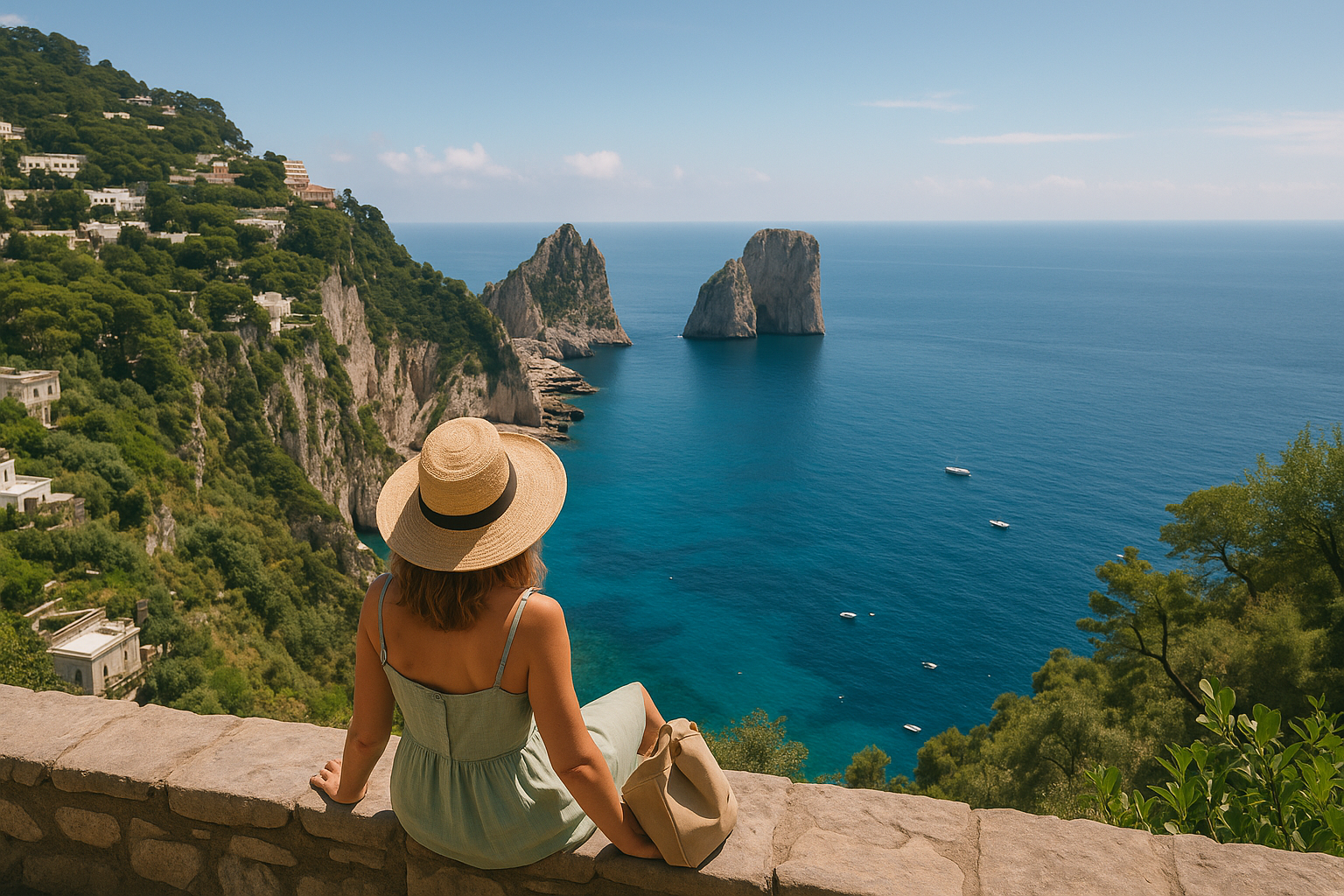
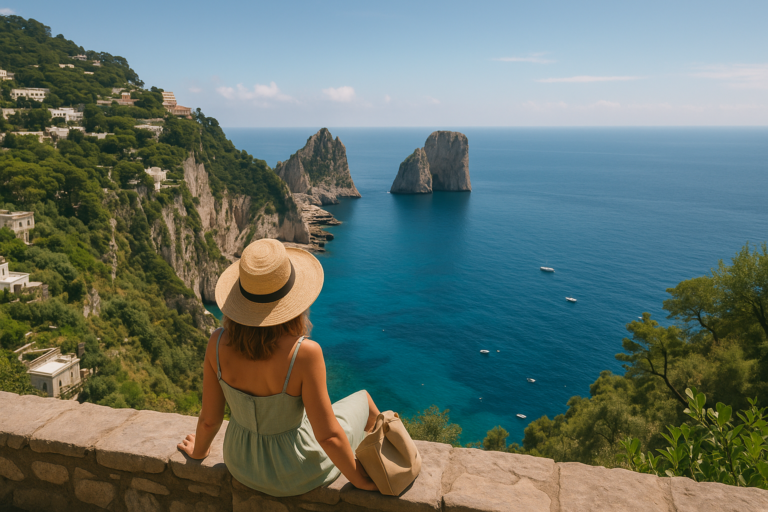
Why Capri Deserves More Than a Day-Trip Selfie
There’s a version of Capri that exists in travel dreams — crystalline water, dramatic limestone cliffs, sun-bleached terraces overflowing with bougainvillea. Then there’s the version most visitors actually experience: shoulder-to-shoulder crowds at the marina, overpriced espresso in a queue, and a ferry ride home wondering what they missed. Experiencing Capri without crowds isn’t just a preference — it’s the difference between actually connecting with one of Italy’s most extraordinary islands and simply passing through it. The good news? That quieter, more authentic version of Capri is absolutely real. You just have to know how to find it.
Capri is a 10-square-kilometre island off the Sorrentine Peninsula in Campania, and despite its compact size, it holds an almost unreasonable amount of beauty, history, and character. First inhabited by the Greeks in the 8th century B.C., it has been drawing visitors for thousands of years — and right now, in the height of the summer season, it shows. But step off the tourist trail, arrive at the right time, or simply walk in the opposite direction of the crowd, and you’ll discover an island that still feels genuinely wild and deeply Italian.
Understanding the Crowd Problem (So You Can Outsmart It)
Capri is accessible from both Naples and Sorrento by ferry, which makes it one of the easiest day trips on the entire Amalfi Coast. That convenience is a double-edged sword. By mid-morning in peak summer, ferries are unloading wave after wave of visitors into Marina Grande, the island’s main port — and tourists swarm the marina throughout the season. Most of them follow the same path: up to Capri Town, a quick look at the Piazzetta, maybe a boat tour of the Blue Grotto, and then back to the ferry by late afternoon.
That predictable pattern is your greatest advantage. The crowds are concentrated in specific places at specific times. Learn those patterns, and you can build an entirely different kind of itinerary — one that puts you in the right places just as everyone else is somewhere else entirely.
Timing Is Everything
If you have any flexibility over when you visit, use it. The shoulder seasons — spring and early autumn — offer a dramatically different experience on Capri. The weather is still warm and the sea is swimmable, but the sheer volume of visitors drops significantly. Mornings and evenings in any season are calmer than midday, and staying overnight on the island (rather than doing a day trip) gives you access to the magical hours when the day-trippers have gone and the island breathes again.
Arriving on an early ferry before the main rush, or planning your key activities for late afternoon, can transform your experience. The light is better for photography anyway, and you’ll actually be able to hear yourself think.
Escape to Anacapri: The Island’s Quieter Soul
Most visitors to Capri never make it to Anacapri — and that’s exactly why you should go. Perched higher up the island, Anacapri is consistently described as the quieter, more local side of Capri, with some of the best views and the most rewarding hidden gems anywhere on the island. The atmosphere shifts noticeably the moment you arrive. Streets are narrower, the pace is slower, and the vibe feels less like a tourist attraction and more like an actual Italian village.
From Anacapri, you can take the Monte Solaro chairlift — a single-seat open-air ride that carries you up to the island’s highest point. It’s one of those experiences that sounds simple but ends up being genuinely memorable. You rise above the rooftops, above the terraced gardens, above the noise, until you’re looking out over the entire island with the Tyrrhenian Sea stretching in every direction. On a clear day, you can see the whole sweep of the Amalfi Coast. It’s the kind of view that makes you understand why people have been coming here for millennia.
Anacapri also rewards slow exploration on foot. Wander the backstreets, find a café where the locals actually eat, and take your time. Nobody is rushing you here.
Walk the Pizzolungo Trail Before the Heat Hits
One of the most underrated ways to experience Capri without crowds is simply to put on your walking shoes and head for the trails. The Pizzolungo Trail is a walking route that takes you along the island’s dramatic coastline, through Mediterranean scrub, past sea-carved rock formations, and to viewpoints that no boat tour can match. The trail winds through some of the most unspoiled parts of the island, and because it requires actual effort — as in, walking — it filters out a significant portion of the day-trip crowd almost automatically.
Start early. The trail is far more enjoyable before the midday sun turns it into a challenge. Bring water, wear decent shoes, and give yourself enough time to stop whenever something catches your eye — because it will. The coastline along this route is genuinely spectacular, and the sense of space and quiet you’ll find here is rare on an island this famous.
The Pizzolungo is also a reminder that Capri’s natural landscape is its greatest attraction. The designer boutiques and the celebrity associations are surface-level. What makes this island truly extraordinary is the rock, the sea, and the light.
Villa Jovis: History Without the Hustle
At the far eastern tip of the island, the ruins of Villa Jovis sit quietly above the sea. This ancient Roman site is one of Capri’s most historically significant attractions, yet it sees a fraction of the visitors that crowd the Piazzetta or line up for the Blue Grotto. The walk up to Villa Jovis takes you through residential streets and past local gardens — it’s a journey through the living island as much as the historical one.
When you arrive, you’ll find sweeping views, ancient stonework, and a sense of place that’s genuinely moving. This is a site that has been here for roughly two thousand years, and standing among the ruins with the sea far below, you feel that weight of time in a way that’s hard to articulate but easy to feel.
The relative solitude here is part of the experience. This is Capri without crowds in its most literal form — a major historical site that most visitors simply don’t bother to seek out. Their loss, your gain.
The Blue Grotto: Go Early or Go Differently
The Blue Grotto is Capri’s most famous attraction, and it earns its reputation. The way the light filters through the underwater entrance and illuminates the cave in an electric, otherworldly blue is genuinely stunning. But the experience of waiting in a long queue of boats, being rushed through in minutes, and paying a premium for the privilege can undercut the magic considerably.
If you want to visit the Blue Grotto, the strategy is straightforward: go as early as possible. The first boats of the day face the shortest queues, and the light inside the grotto is beautiful throughout the morning. Alternatively, consider exploring some of Capri’s other sea caves and grottos by kayak or small boat — the island has several, and experiencing them without the organised tour infrastructure around them feels completely different. You can find local boat rental options that let you explore the coastline at your own pace, dipping into quieter coves and finding your own version of the island’s marine magic.
For more context on planning a visit to the grotto and the island’s other coastal highlights, Travel + Leisure’s Capri travel guide covers the practicalities clearly and is worth reading before you book anything.
Gardens of Augustus and the Via Krupp: Beauty on a Quieter Schedule
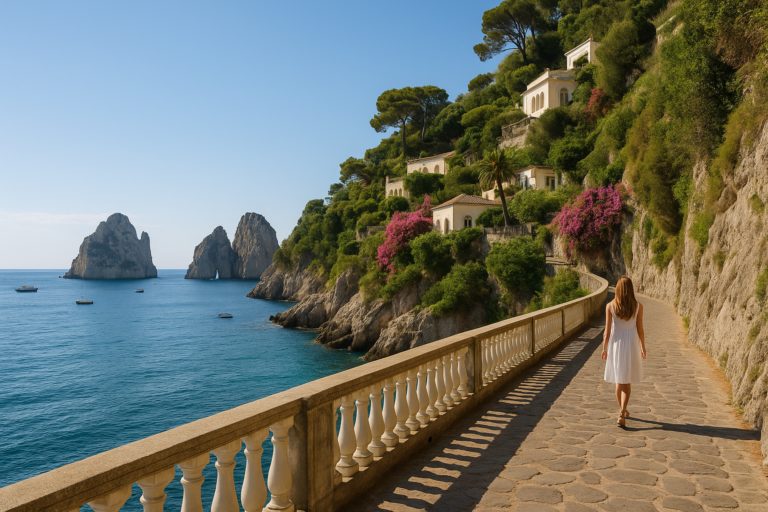
The Gardens of Augustus are one of those places that justify the entire trip. Terraced gardens overlooking the Faraglioni rock formations and Marina Piccola below — it’s a view that appears on countless postcards, and for good reason. But unlike some of Capri’s other highlights, the gardens reward visitors who arrive outside the midday rush with something approaching genuine peace.
Early morning here, with the light still soft and the air cool, is extraordinary. The gardens are immaculately kept, the flowers are vivid, and the viewpoint over the sea is one of the most beautiful on the entire island. From here, you can look down toward Marina Piccola — the smaller, more sheltered beach area on the island’s southern side — and plan your afternoon accordingly.
Marina Piccola itself is a worthwhile destination, particularly if you want to swim somewhere that feels a little less chaotic than the main tourist areas. It’s still popular, but the atmosphere is more relaxed, and the water is as clear and inviting as anywhere on the island.
Eat Where the Locals Eat (And When They Eat)
Food in Capri can be extraordinary or deeply mediocre, and the difference usually comes down to where and when you choose to eat. The restaurants clustered around the main tourist areas cater to a fast-moving crowd and price accordingly. But wander a little further — particularly in Anacapri or in the residential streets away from the main piazzas — and you’ll find places where the food is genuinely good and the prices reflect the fact that locals actually eat there.
Italians eat lunch later than most tourists expect, and dinner later still. Eating at Italian hours — lunch after 1pm, dinner from 8pm onward — means you’ll often find tables available at restaurants that looked fully booked at noon. You’ll also find yourself eating alongside locals rather than other tourists, which changes the entire atmosphere of the meal.
Look for places serving Caprese salad made with tomatoes that were actually grown nearby, fresh seafood caught that morning, and the island’s own limoncello. These aren’t hard to find if you’re willing to walk a few extra minutes and resist the pull of the first menu you see.
Stay Overnight and Own the Island at Dusk and Dawn
This is the single most effective strategy for experiencing Capri without crowds: stay the night. Once the last ferries have carried the day-trippers back to the mainland, the island transforms. The Piazzetta — which spends most of the day as a bottleneck of selfie sticks and tour groups — becomes a genuinely lovely place to sit with a drink and watch the evening unfold. The streets quiet down. The light turns golden, then deep pink, then the kind of blue that makes you understand why painters have been coming here for centuries.
Dawn is equally magical. Walking through Capri Town before the first ferries arrive is an experience that most visitors never have. The streets are empty, the light is extraordinary, and the island feels like it belongs to you. This is the version of Capri that the postcards are trying — and mostly failing — to capture.
Accommodation on Capri ranges from genuinely affordable guesthouses and B&Bs to high-end hotels, and staying even one night changes your entire relationship with the place. For a deeper look at what makes the island tick from a local perspective, Italy Segreta’s guide to Capri with a local is one of the most honest and insightful resources available.
Nine Experiences Worth Seeking Out
To pull it all together, here are the nine authentic experiences that make Capri genuinely worth the journey — all of them achievable with a little planning and a willingness to move at your own pace:
- Ride the Monte Solaro chairlift from Anacapri for the island’s most expansive views, ideally on a clear morning before the crowds arrive.
- Walk the Pizzolungo Trail along the wild coastline — early start, good shoes, no rush.
- Explore Villa Jovis at the island’s eastern tip, where Roman history meets panoramic solitude.
- Visit the Blue Grotto on the first boat of the day to experience the light at its best with the shortest possible wait.
- Spend a morning in the Gardens of Augustus before the midday tour groups arrive, and let yourself linger over the view toward the Faraglioni.
- Swim at Marina Piccola in the late afternoon when the light is warm and the energy is calmer.
- Wander Anacapri’s backstreets without a fixed destination — the best discoveries here happen by accident.
- Eat dinner at Italian hours in a neighbourhood restaurant away from the main tourist drag, and take your time over it.
- Stay overnight and experience the island at dusk and dawn, when it finally, briefly, feels like yours.
The Capri That’s Still Worth Finding
Capri’s reputation as a crowded, expensive, over-touristed island isn’t entirely undeserved — but it’s also not the whole story. The island that inspired Greek settlers, Roman emperors, and generations of artists and writers is still there, underneath the tourist infrastructure. It takes a little more intention to find it now, but the effort is absolutely worth making.
Go in the shoulder season if you can. Arrive early and stay late. Head uphill when everyone else heads down. Walk when others take the bus. Eat when the locals eat. And give yourself at least one night on the island, so you can experience the quiet that falls when the last ferry leaves and Capri remembers what it actually is — a small, ancient, extraordinarily beautiful island rising out of one of the most spectacular seas in the world. That version of Capri is still waiting for you. You just have to show up at the right time.
This article was produced with AI assistance and reviewed editorially.


Southeast Asia on a Shoestring: Budget Travel Guide to Border Crossings & Regional Itineraries

London Beyond the Eye: 8 Walks from Landmarks to Hidden Neighborhoods (2026)


