
Portugal
Azores vs. Madeira: A Local’s Guide to Choosing Your Portuguese Island Adventure
Compare Azores and Madeira to find your perfect Portuguese island escape. Local insights on geography, climate, activities, and travel style to help you decide.

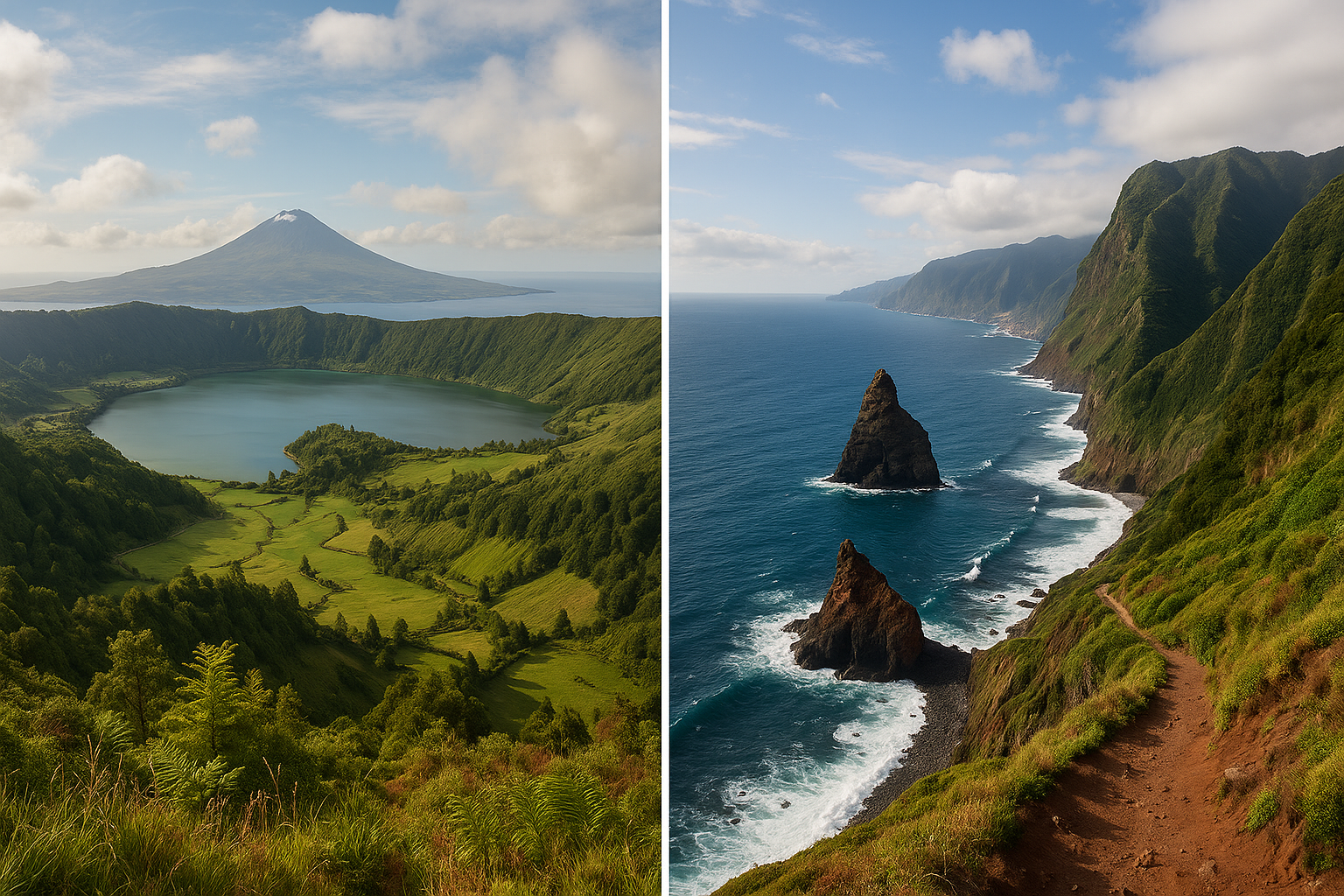
Two Islands, One Big Decision: Azores vs. Madeira
If you’ve been scrolling through travel content lately and keep landing on photos of emerald crater lakes, dramatic sea cliffs, and levada trails disappearing into mist, you’ve probably already stumbled into the Azores vs. Madeira debate. Both archipelagos belong to Portugal, both will absolutely stop you in your tracks, and both are wildly underrated on the young traveler circuit. But they’re not the same experience — not even close. Choosing between them depends entirely on who you are as a traveler, what kind of week you want to have, and whether you’d rather wake up to ocean swims or summit hikes. This guide breaks it all down so you can stop overthinking and start packing.
Understanding the Geography First
Before you compare activities or costs, it helps to understand what you’re actually dealing with geographically, because these two destinations are very different in scale and structure.
The Azores: Nine Islands in the Middle of the Atlantic
The Azores are a string of nine volcanic islands sitting roughly 1,000 miles from mainland Portugal, out in the open Atlantic. That distance alone tells you something about the vibe — remote, raw, and genuinely off the beaten path. Each island has its own character. São Miguel is the most visited and the most accessible, with crater lakes, hot springs, and lush green valleys. But Faial, Pico, Flores, and the others each offer something distinct. If you have the time and the appetite for island-hopping, the Azores can become a multi-week adventure where every ferry ride reveals a new landscape.
The scale of the archipelago means planning matters. You won’t see all nine islands in a week, and you probably shouldn’t try. Picking two or three islands and going deep is almost always more rewarding than rushing through five.
Madeira: Compact, Dramatic, and Always Surprising
Madeira is essentially one main island plus the smaller Porto Santo — a quieter, sandier neighbor worth a day trip if you’re craving a beach break. The main island is roughly 57 km long and 22 km wide, which sounds small until you realize that almost every kilometer of it involves a steep cliff, a deep ravine, or a mountain ridge. Funchal, the capital, sits on the southern coast and gives you a real city feel — cobblestone streets, markets, cable cars, and a surprisingly vibrant food scene.
Because Madeira is more compact, a week there feels full without feeling rushed. You can cover a lot of ground, but the island rewards slowing down too. The levada walks — ancient irrigation channels turned into hiking trails — can keep you busy for days if you let them.
Climate and When to Go
Weather is one of the most practical factors in this decision, and it’s where the two destinations genuinely diverge.
Madeira: The Mild One
Madeira has a subtropical climate with temperatures hovering between 19°C and 25°C year-round. That consistency is a real selling point. You can visit in January and still have warm enough days to sit outside with a glass of local wine. The north side of the island tends to be cloudier and wetter than the south, so where you base yourself matters. If you want reliable sunshine, stay near Funchal or the southern coast. If you want dramatic mist rolling through ancient laurel forest, head north.
The lack of a strong seasonal swing means Madeira is genuinely a year-round destination. There’s no bad time to go, though spring brings the famous flower festival and the island feels especially alive.
The Azores: Embrace the Unpredictability
The Azores have a reputation for changeable weather, and it’s earned. You can experience four seasons in a single day on São Miguel — which sounds dramatic until you’re actually standing in a cloud-wrapped caldera and you realize the atmosphere is half the point. Summer months, roughly June through September, offer the most stable conditions and the warmest ocean temperatures for swimming and diving. Spring and autumn are quieter, often still beautiful, and easier on the budget. Winter travel is possible but comes with more rain and rougher seas between islands.
If your trip hinges on outdoor activities — whale watching, diving, long hikes — aim for late spring through early autumn. The weather won’t always cooperate, but your odds are better.
What You’ll Actually Do: Activities Across Both Islands
This is where the comparison gets interesting, because both destinations offer outdoor adventure but in very different flavors.
Things to Do in the Azores
- Hike to Sete Cidades: The twin crater lakes on São Miguel — one blue, one green — are one of the most visually striking landscapes in all of Europe. The hike around the rim is manageable and completely worth it.
- Soak in Furnas: Natural thermal pools, steaming volcanic ground, and food cooked underground in geothermal pots. It’s unlike anything you’ve experienced.
- Go whale watching: The Azores sit along major whale migration routes, making this one of the best places in the world to see sperm whales, blue whales, and dolphins in the wild.
- Dive or snorkel: Crystal-clear Atlantic water, volcanic rock formations, and rich marine life make the Azores a serious destination for underwater exploration.
- Climb Pico Mountain: On Pico Island, Portugal’s highest peak rises dramatically from the sea. The summit hike is challenging but the views — on a clear day — stretch across to neighboring islands.
- Explore the Algar do Carvão lava tube: A volcanic cave on Terceira that takes you deep into the island’s geological past.
- Visit the Caldeira on Faial: A massive volcanic caldera you can walk around, with views that shift dramatically as the weather moves through.
- Kayak along volcanic coastlines: Many islands offer guided kayak tours along dramatic sea cliffs and through sea caves.
- Try canyoning: Fast-moving streams, waterfalls, and lush ravines make the Azores a great spot for canyoning, especially on São Miguel and Flores.
- Spend time on Flores: Often called the most beautiful island in the archipelago, Flores is covered in hydrangeas, waterfalls, and lagoons. It’s harder to reach, but that’s the point.
- Eat cozido das Furnas: A slow-cooked stew prepared using volcanic heat underground. It’s genuinely delicious and completely unique to this part of the world.
- Surf on São Miguel’s west coast: The Atlantic swells are real, and the surf scene here is growing fast among travelers who want waves without the crowds of mainland Portugal.
- Island-hop by ferry or small plane: The experience of moving between islands — watching new volcanic silhouettes emerge from the ocean — is an adventure in itself.
Things to Do in Madeira
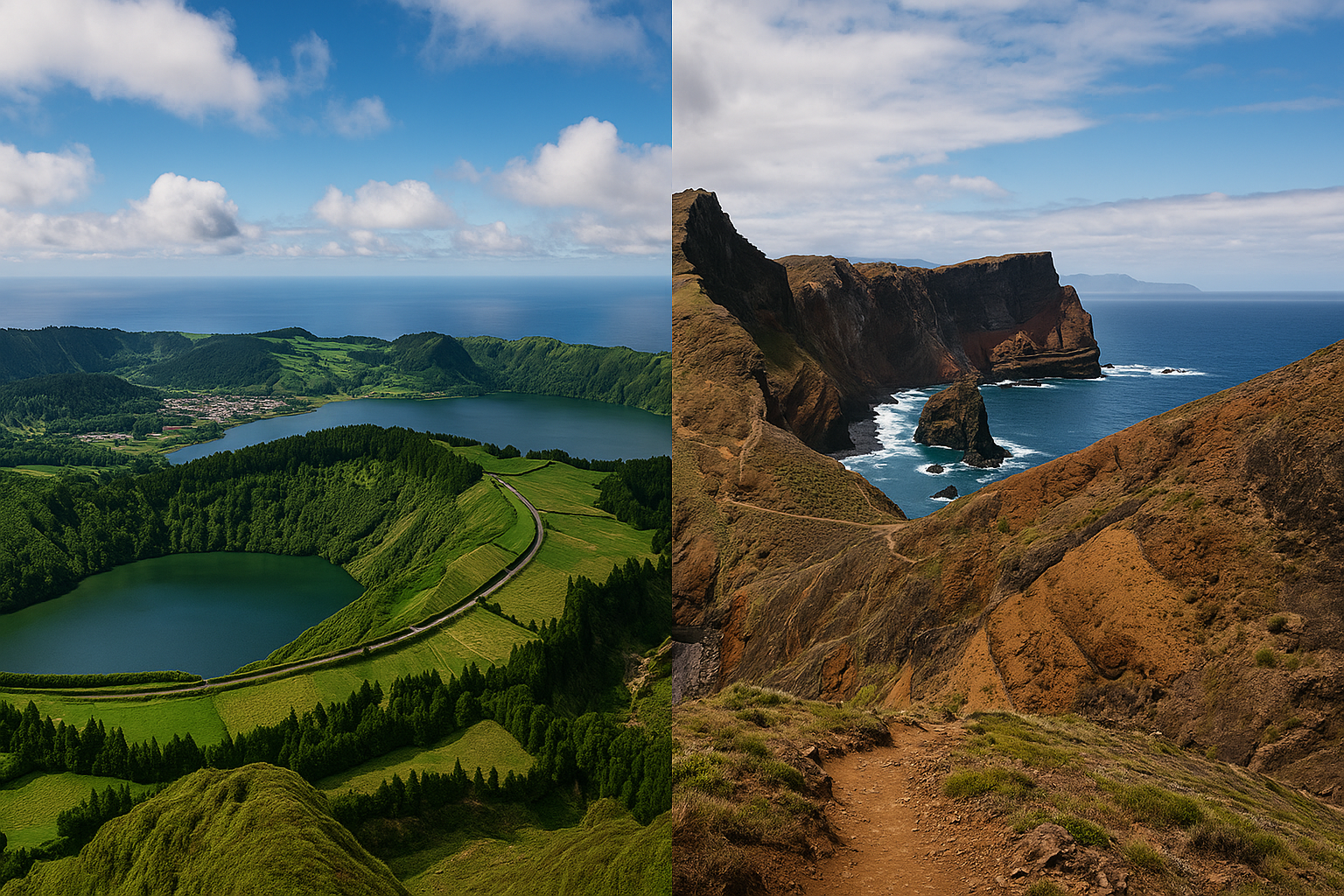
- Walk a levada trail: These ancient irrigation channels cut through the island’s interior, turning into some of the most atmospheric hiking routes you’ll find anywhere. The Levada do Caldeirão Verde is a classic.
- Hike Pico Ruivo: Madeira’s highest peak offers views above the clouds on a clear morning. Start early, bring layers, and don’t rush it.
- Explore Funchal’s Mercado dos Lavradores: The covered market in the capital is full of exotic fruit, fresh fish, and local color. Go in the morning when it’s busiest.
- Take the cable car to Monte: Ride up from Funchal and come back down in a traditional wicker toboggan steered by men in white suits. It’s touristy, yes, but it’s also genuinely fun.
- Visit the Laurisilva forest: A UNESCO-listed ancient laurel forest that covers a significant portion of the island’s interior. Walking through it feels like stepping into another era.
- Swim at natural lava pools: Porto Moniz on the northwest tip has natural seawater pools carved into volcanic rock. Bring your swimsuit and a good book.
- Day trip to Porto Santo: Take the ferry to Madeira’s quieter neighbor and spend the day on a long golden beach — a rare thing in an archipelago known more for cliffs than sand.
- Surf or bodyboard at Jardim do Mar: A well-known surf spot on the southwest coast with consistent waves and a relaxed village feel.
- Try paragliding: Launch from the mountains above Funchal and glide down toward the coast. The views are extraordinary.
- Eat espetada: Madeira’s signature dish — beef skewered on a bay laurel branch and cooked over an open fire. Find it at a local restaurant away from the tourist strip.
- Explore the old town of Funchal: Painted tile murals, independent coffee shops, and a genuinely lived-in atmosphere make Zona Velha one of the most enjoyable neighborhoods to wander.
- Watch the sunset from Cabo Girão: One of the highest sea cliffs in Europe, with a glass-floored skywalk over the edge. The view down to the ocean is dizzying in the best way.
- Visit the Botanical Garden: Madeira’s botanical garden sits on a hillside above Funchal and showcases the island’s extraordinary plant diversity.
Suggested 7-Day Frameworks
You don’t need a rigid itinerary, but having a loose structure helps — especially when you’re working with limited time.
A Week in the Azores
Base yourself in São Miguel for the first four days. Spend one day in Furnas soaking in thermal pools and tasting the volcanic stew. Dedicate another to the Sete Cidades hike. Use a third day for the eastern side of the island — Nordeste has dramatic coastal cliffs and almost no tourists. On day four, take a whale-watching tour in the morning and explore Ponta Delgada in the evening.
Then fly or ferry to Pico for two days. Attempt the mountain on day five if the weather cooperates, and spend day six exploring the island’s volcanic vineyards — a UNESCO landscape where vines grow behind low stone walls built to protect them from Atlantic winds.
End the week on Faial. Walk the Caldeira on day seven, visit the marina in Horta (covered in murals painted by sailors passing through), and let the last evening unfold slowly. That’s the Azores pace.
A Week in Madeira
Arrive in Funchal and spend the first day getting your bearings — the market, the old town, a cable car ride, a good dinner. Day two, drive west along the south coast to Porto Moniz and swim in the lava pools. Day three, tackle one of the levada walks in the interior — the Caldeirão Verde or the PR1 to Pico Ruivo are both excellent choices depending on your fitness level.
On day four, take the ferry to Porto Santo and spend the day on the beach. It’s a different pace entirely and a good midweek reset. Day five, explore the north coast — São Vicente, the volcanic caves, the dramatic coastal road. Day six, go paragliding or spend the day hiking around the Ponta de São Lourenço peninsula on the eastern tip, where the landscape turns dry and lunar. Save your last evening for a long dinner in Funchal’s old town.
Which One Is Right for You?
Here’s the honest answer: if you want a more compact, accessible adventure with reliable weather, excellent food, and a mix of hiking and city culture, Madeira is your island. It’s easier to navigate, more forgiving with planning, and still genuinely wild in its interior.
If you want something more remote, more geologically dramatic, and more suited to multi-island exploration — if you want to feel like you’ve genuinely gone somewhere few people your age have bothered to reach — the Azores will reward you in ways that are hard to put into words. The Azores vs. Madeira comparison ultimately comes down to depth versus breadth: one island done slowly, or a whole archipelago explored with curiosity and flexibility.
Both archipelagos feature dramatic volcanic landscapes, fresh seafood, and coastlines that remind you why the Portuguese spent centuries sailing out into the unknown. You can read more about the natural highlights of each destination at Salt in Our Hair’s detailed comparison guide or explore activity options through Adrenaline Adventures Portugal.
Practical Things Worth Knowing
Both destinations are part of Portugal, which means EU travel rules apply for European passport holders, and the euro is the currency. English is widely spoken, especially in tourist areas, so language is rarely a barrier.
Getting to Madeira is generally easier — Funchal’s airport has direct connections from many European cities. Reaching the Azores usually means flying into São Miguel first, then connecting onward. Budget carriers serve both destinations, which keeps costs reasonable if you book ahead.
Accommodation ranges from budget hostels and guesthouses to boutique hotels and rural quintas. Both islands have options at every price point, though booking ahead in summer is strongly recommended, especially in the Azores where accommodation on smaller islands is limited.
Renting a car is almost essential in both destinations. Public transport exists but is limited, and the best experiences — the coastal roads, the hidden viewpoints, the villages that don’t appear in any guidebook — are only reachable if you can drive yourself there.
The Bottom Line
The Azores vs. Madeira question doesn’t have a wrong answer. Both archipelagos offer something genuinely rare in modern travel: landscapes that feel untouched, food that tastes like somewhere specific, and a pace that forces you to slow down and actually be present. If you have the luxury of time, visit both — they’re different enough that there’s no repetition, only contrast. But if you’re choosing one for now, let your travel style make the decision. Adventure with structure? Madeira. Adventure with a spirit of discovery and no fixed plan? The Azores. Either way, you’re going somewhere worth going.
This article was produced with AI assistance and reviewed editorially.


Caribbean & Central America Escapes: Belize, Isla Mujeres & Island Life (2026)

Azores vs. Madeira: A Local’s Guide to Choosing Your Portuguese Island Adventure


