
Portugal
Portugal and Spain: Best Budget Routes for Summer
Explore Portugal and Spain affordably this summer. Discover efficient routes, money-saving tips, and must-see destinations across the Iberian Peninsula.

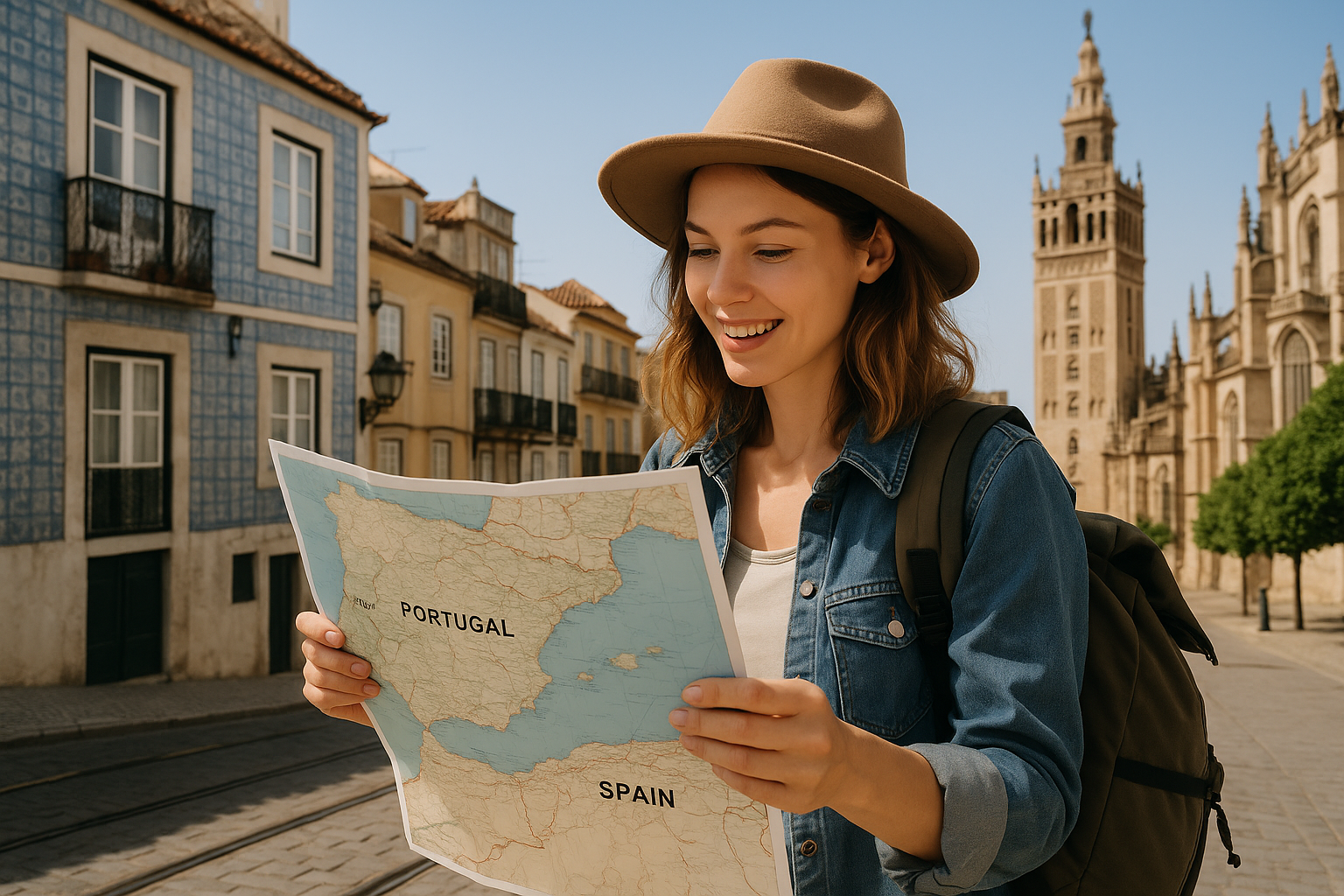
Why Portugal and Spain Should Be at the Top of Your Summer List
If you’re dreaming of cobblestone streets, golden beaches, centuries-old architecture, and food that makes you want to cancel your flight home, then budget travel in Portugal and Spain might be exactly what your summer needs. These two countries share the Iberian Peninsula at the southwestern corner of mainland Europe, and together they offer one of the most rewarding travel combinations you can experience — especially when you’re watching your spending without wanting to sacrifice the adventure.
Spain and Portugal are among Europe’s trendiest travel destinations right now, and it’s easy to see why. The culture is rich, the landscapes are wildly varied, and both countries have a long tradition of welcoming curious travelers. Best of all, compared to western European heavyweights like France or Switzerland, your money genuinely stretches further here. You can eat well, sleep comfortably, and fill your days with unforgettable experiences — without draining your account.
This guide is built for young travelers who want to do both countries properly, move smartly between cities, and come home with stories worth telling. Whether you’ve got two weeks or a little more, here’s how to make it work.
Planning Your Route: How to Connect Portugal and Spain
The key to smart budget travel in Portugal and Spain is understanding the geography first. Because both countries sit on the same peninsula, you’re not dealing with expensive long-haul flights between destinations. You can move between them by train, bus, or even on foot in border towns — and that flexibility is a huge advantage for budget-conscious travelers.
Most travelers enter through Lisbon or Madrid, both of which have major international airports with plenty of affordable flight options. From there, you can build a loop that covers highlights in both countries without doubling back on yourself.
The Classic Western Loop
One of the most logical and efficient routes starts in Lisbon, moves south through the Algarve, crosses into southern Spain through Seville, continues east to Granada, then north toward Madrid or Barcelona before flying home. This loop keeps your travel flowing in one direction, cuts down on backtracking, and lets you experience the contrast between Portugal’s quieter, more melancholic charm and Spain’s louder, more theatrical energy.
The Northern Alternative
If beaches aren’t your priority and you’re more drawn to wine, history, and dramatic landscapes, consider starting in Porto. Wander through the Old Town, taste port wine along the Douro River with its terraced vineyards climbing into the hills, then head south to Lisbon before crossing into Spain through the north. This route connects naturally with cities like Salamanca and eventually Madrid, and it tends to feel less crowded in summer than the southern coastal corridors.
Portugal on a Budget: Where to Go and What to Prioritize
Portugal is genuinely one of the most affordable countries in Western Europe. Lonely Planet’s guide to enjoying Portugal on a budget outlines seventeen practical ways to keep costs down without missing out — and the honest truth is that budget travel here doesn’t feel like a compromise. It feels like the right way to experience the country.
Lisbon
Start in Lisbon. The city rewards slow exploration — wander through the Alfama, the hillside neighborhood where narrow lanes twist between colorful tiled buildings and fado music drifts out of open doorways. Ride the old trams not just for the novelty but because they’ll drop you somewhere genuinely beautiful. Eat a pastel de nata from a local bakery, grab a cheap lunch at a tascas (a traditional Portuguese tavern), and spend your evenings watching the sun go down over the Tagus River from one of the miradouros, the city’s famous viewpoints.
Free and low-cost experiences are everywhere in Lisbon. Many of the city’s best museums offer free entry on certain days or reduced rates for young visitors. Street art, public squares, and markets cost nothing but give you everything.
Porto
Porto is smaller, grittier, and arguably even more atmospheric than Lisbon. The riverfront Ribeira district is a UNESCO World Heritage Site, and you can spend hours there without spending much at all. Cross the Dom Luís I Bridge on foot for views over the Douro, visit the port wine caves across the river in Vila Nova de Gaia, and pick up a cheap meal from one of the local tascas where a full lunch with wine often costs less than you’d expect.
The Algarve
In summer, the Algarve’s beaches are hard to resist. The coastline is dramatic — golden limestone cliffs, hidden sea caves, and water that shifts between turquoise and deep blue depending on the light. Budget travelers should look at towns like Lagos or Tavira rather than the more developed resort areas, where accommodation is cheaper and the vibe is more local. Camping is also a popular and affordable option along this coast.
Spain on a Budget: Navigating the Country’s Best Cities
Spain is larger and slightly more expensive than Portugal in some areas, but it’s still very manageable on a tight budget — especially if you’re strategic about where you stay and when you eat. The Spanish habit of eating the main meal at lunch, when many restaurants offer a menu del día (a fixed-price multi-course lunch), is one of the best budget hacks in Europe. You’ll eat like a local for a fraction of what dinner would cost.
Seville
Cross from Portugal into Andalusia and you’ll arrive in Seville — an Andalusian city of quaint cobblestone streets, orange trees lining every avenue, and flamenco that you’ll hear drifting from bars at midnight. Seville in summer is hot, genuinely hot, but the city comes alive in the evenings when temperatures drop and everyone spills outside. The historic center is walkable, the tapas culture means you can eat well for very little, and the free sights — plazas, churches, riverside parks — are as impressive as anything you’d pay to enter.
Granada
Granada is where Spain reveals one of its most extraordinary treasures: the Alhambra Palace, a masterpiece of Moorish artistry that sits above the city like something from another world. Book your entry tickets in advance — this is one of the most visited monuments in Spain and slots fill up fast, especially in summer. Beyond the Alhambra, the Albaicín neighborhood offers free wandering through whitewashed streets with views back across to the palace, and the city’s university culture means tapas are often served free with drinks in traditional bars.
Madrid
Spain’s capital is a city that rewards curiosity. Madrid’s art museums — including the Prado and the Reina Sofía — are world-class, and many offer free or reduced entry during certain hours. The city’s parks, markets, and neighborhoods are endlessly explorable without spending much. Stay in one of the many well-located hostels in the Malasaña or Lavapiés neighborhoods for the best mix of price, atmosphere, and access to local life.
Barcelona
Spain’s cultural capital is a natural endpoint for the classic Iberian loop. Barcelona has a reputation for being pricier than other Spanish cities, and that’s partly true — but it’s still very doable on a budget if you plan ahead. Book accommodation early for summer, use the city’s excellent metro system, and balance paid attractions like Gaudí’s Sagrada Família with free experiences like the beach, the Gothic Quarter, and the Boqueria market. Spend the afternoon wandering colorful streets before ending the day with live music by the beach — that’s Barcelona doing what it does best.
Getting Around: Trains, Buses, and Smart Connections
Transport is one of the biggest costs on any Iberian trip, but there are ways to keep it manageable. TourRadar’s Portugal and Spain travel guide highlights the range of ways travelers connect between the two countries, and the options are genuinely flexible.
- Buses: Long-distance buses are often the cheapest way to move between cities. Companies operating across the Iberian Peninsula offer comfortable overnight options that save you a night’s accommodation while covering ground.
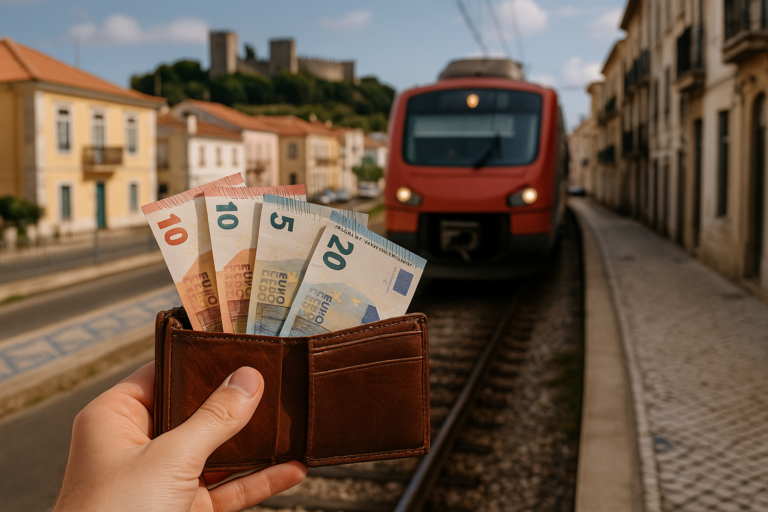
- Trains: Portugal’s rail network is affordable and scenic. Spain’s high-speed AVE trains are faster but pricier — book in advance for the best fares, and consider slower regional trains for shorter journeys.
- Budget flights: For longer stretches — say, from Lisbon to Barcelona — a budget airline can sometimes undercut even the bus if you book early enough. Always check baggage fees before assuming it’s the cheapest option.
- Ridesharing apps: Carpooling platforms are popular across both countries and can be a great low-cost option for routes that aren’t well-served by public transport.
Where to Sleep Without Spending a Fortune
Accommodation is where many young travelers find the biggest savings — and the most unexpected experiences. Hostels in both Portugal and Spain are genuinely good. Many offer private rooms as well as dorms, have communal kitchens, organize free walking tours, and create the kind of social atmosphere where you’ll end up exploring the city with people you met over breakfast.
Beyond hostels, look at guesthouses and locally-run pensões in Portugal — family-run places that are often cheaper than chain hotels and far more characterful. In Spain, the equivalent casas de huéspedes offer similar value. Booking platforms let you filter by price and guest rating, so you’re not flying blind.
If you’re flexible with dates, traveling in early June or late August rather than peak July tends to bring noticeably lower accommodation prices, especially in coastal areas.
Eating Well on a Tight Budget
Food is one of the genuine joys of budget travel in Portugal and Spain, because eating cheaply here doesn’t mean eating badly. It means eating the way locals eat.
- In Portugal, look for the prato do dia — the dish of the day — in local restaurants. It’s usually a full meal at a very reasonable price.
- In Spain, the menu del día at lunchtime is your best friend. Three courses, often including a drink, at a price that would barely cover a sandwich in many other European cities.
- Markets are gold. Both countries have vibrant food markets where you can pick up fresh produce, local cheeses, cured meats, and bread for almost nothing.
- Avoid eating right next to major tourist attractions — walk two streets back and prices often drop significantly.
- Supermarkets are useful for breakfast and snacks. Save your restaurant budget for the meals that matter.
Practical Tips Before You Go
A few things that make a real difference when planning budget travel in Portugal and Spain:
- Both countries use the euro, so no currency conversion headaches as you cross the border.
- A 14-day itinerary is a realistic and popular timeframe for covering both countries meaningfully — enough time to explore without rushing, but tight enough to stay focused.
- Book major attractions — the Alhambra in Granada especially — well in advance during summer. These sell out.
- Both countries are generally very safe for solo travelers, including young women traveling alone.
- Learn a few words of Portuguese and Spanish. Locals genuinely appreciate the effort, and it opens doors that a phrasebook alone never will.
- Summer heat in Andalusia and inland Spain can be intense. Plan outdoor sightseeing for mornings and evenings, and embrace the afternoon siesta culture.
The Real Reason to Do This Trip
There’s something about the Iberian Peninsula that gets under your skin in a way that’s hard to explain until you’ve been there. Maybe it’s the way Lisbon feels like a city that’s been lived in for centuries and is proud of every scar. Maybe it’s standing in Granada’s Alhambra and realizing that human beings built this by hand. Maybe it’s the moment you’re sitting at a small table in Seville with a cold drink, watching the street come alive at ten in the evening, and thinking: I could stay here forever.
Budget travel in Portugal and Spain isn’t about doing the trip on the cheap — it’s about doing it right. It’s about choosing the local restaurant over the tourist trap, the overnight bus over the expensive flight, the hostel common room conversation over the hotel room isolation. It’s about being present, curious, and open to whatever the day brings.
The Iberian Peninsula is waiting. Pack light, plan smart, and go collect some stories worth keeping.
This article was produced with AI assistance and reviewed editorially.


Southeast Asia on a Shoestring: Budget Travel Guide to Border Crossings & Regional Itineraries

London Beyond the Eye: 8 Walks from Landmarks to Hidden Neighborhoods (2026)


