
Mexico
Mexico’s Yucatán Peninsula: Getting Around & Hidden Cities
Navigate the Yucatán Peninsula with practical transport tips, ferry routes from Cancun to Isla Mujeres, and discover colonial cities most travelers miss.

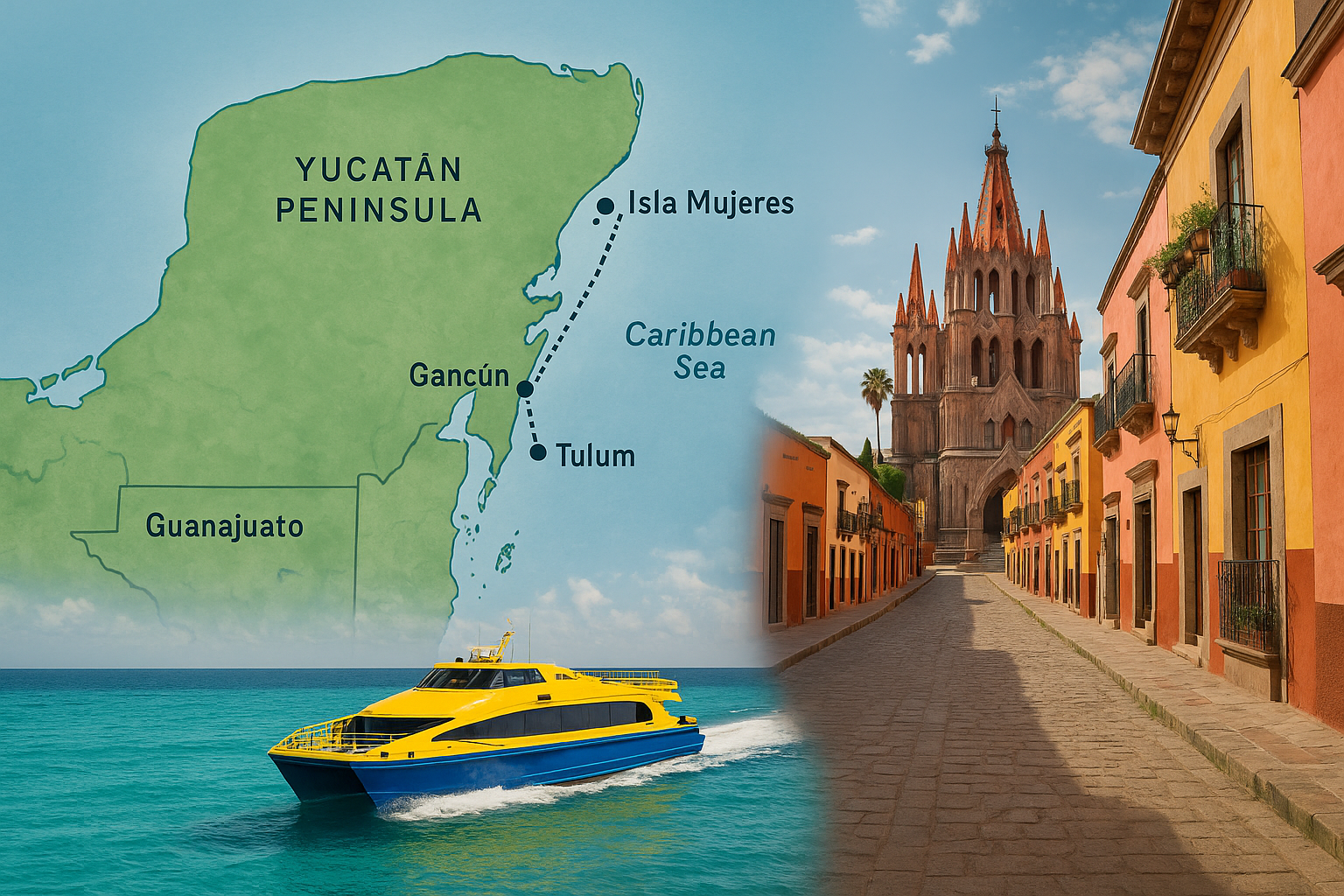
Your Yucatán Peninsula Travel Guide: Getting Around, Hidden Spots, and Everything In Between
If you’ve ever opened a map of Mexico and felt genuinely overwhelmed by the options, you’re not alone. But there’s one region that keeps pulling travelers back — and for good reason. This Yucatán Peninsula travel guide is here to cut through the noise, give you practical transport advice, and point you toward the destinations that actually deserve your time. Whether you’re island-hopping off the coast of Cancun or heading inland to discover colonial cities most tourists skip entirely, the Yucatán rewards the curious traveler in ways that few places in the world can match.
What Is the Yucatán Peninsula, Exactly?
The Yucatán Peninsula is a large landmass in southeastern Mexico, bordered by the Caribbean Sea to the east and the Gulf of Mexico to the north and west. It’s made up of three distinct states: Campeche, Yucatán, and Quintana Roo. Each one has its own personality, its own pace, and its own reasons to visit.
Most travelers land in Cancun or Tulum, drawn by the coastline and the promise of turquoise water. And yes, the beaches are genuinely stunning. The stretch of coast known as the Riviera Maya runs south from Cancun and is lined with everything from all-inclusive resorts to small eco-lodges tucked into the jungle. But the real magic of the peninsula goes far beyond the beach clubs.
Popular destinations across the region include Tulum, Cancun, Mérida, Cozumel, Calakmul, and Mahahual — and each one offers something completely different. You can spend a morning at a Maya archaeological site, eat lunch in a market that’s been running for generations, and watch the sun set over the Caribbean, all in the same day. That kind of variety is rare, and it’s what makes the Yucatán so worth exploring properly.
One more thing worth knowing before you go: the Yucatán Peninsula is widely considered one of the safer regions in Mexico for travelers. Unlike some other parts of the country, it doesn’t carry the same concerns around cartel-related violence that you might read about elsewhere. That doesn’t mean you switch off your common sense, but it does mean you can move around with a lot more freedom and confidence.
Getting to Isla Mujeres from Cancun: The Ferry Route Worth Taking
If you’re starting your trip in Cancun, one of the best first moves you can make is jumping on a ferry to Isla Mujeres. It takes less than half an hour, and the difference between the two places is almost comical — in the best possible way. Cancun’s hotel zone is loud, busy, and built for mass tourism. Isla Mujeres is quiet streets, painted walls, and the kind of slow mornings that remind you why you travel in the first place.
The ferry runs regularly throughout the day from Puerto Juárez, which is just north of Cancun’s main hotel zone. You’ll want to head there rather than to the hotel zone ferry terminals, as the Puerto Juárez route tends to be the most straightforward and consistent option for independent travelers. A round-trip ferry ticket to Isla Mujeres costs around 560 pesos — a small price for what genuinely feels like a different world.
On the island itself, you can rent a golf cart and loop around the whole place in a couple of hours, stopping at viewpoints, snorkeling spots, and small restaurants along the way. The southern tip of the island offers some of the clearest water you’ll find anywhere on this coast. Go early, before the day-trippers arrive, and you’ll have stretches of it almost to yourself.
A few practical notes:
- Bring cash for the ferry ticket — card payments aren’t always available at the terminal.
- The last ferry back runs in the evening, but check the schedule on the day, as times can shift slightly by season.
- If you want to stay overnight on the island (which we’d genuinely recommend), book accommodation in advance during high season.
- The island is small enough to walk, but renting a golf cart or scooter gives you the freedom to explore at your own pace.
Cancun to Tulum: Choosing Your Transport
Tulum sits roughly 130 kilometers south of Cancun, and getting between the two is one of the most common journeys on the peninsula. The good news is that you have real options, each with its own trade-offs.
ADO Bus
The ADO bus network is the backbone of long-distance travel across the Yucatán. Buses between Cancun and Tulum run frequently throughout the day, they’re comfortable, air-conditioned, and genuinely reliable. The journey takes roughly two hours depending on stops. For budget travelers, this is almost always the best option. You can book tickets at the bus terminal or, in many cases, online in advance. It’s one of those travel experiences that feels surprisingly pleasant — you get to watch the jungle roll past the window without worrying about navigation.
Colectivos
If you want to travel the way locals do, take a colectivo. These are shared minivans that run along the main highway between Cancun, Playa del Carmen, and Tulum. They’re faster than the bus in some cases, cheaper, and they’ll drop you off at points along the route rather than just at the main terminals. The trade-off is that they can get crowded and you might end up standing for part of the journey. Still, it’s an authentic experience and a great way to meet people.
Renting a Car
If you’re planning to explore beyond the main tourist corridor — and you should — renting a car opens up the peninsula in a way that buses simply can’t. The roads in the Yucatán are generally well-maintained, signage is decent, and driving gives you the freedom to stop at cenotes, ruins, and small towns that don’t appear on any tour itinerary. For a 10-day to two-week trip, which is the recommended timeframe for a proper Yucatán road trip, having your own wheels makes a significant difference.
Shared Shuttles
Several companies run shared shuttle services between Cancun airport and Tulum, which can be convenient if you’re arriving with luggage and don’t want to navigate local transport straight off a flight. They cost more than the bus but less than a private taxi, and they’ll pick you up and drop you off at your accommodation.
Beyond the Coast: Mérida and the Interior
Most travelers spend their entire Yucatán trip on the Caribbean coast, and while that’s completely understandable, it means they miss what might be the most interesting part of the peninsula: the interior.
Mérida, the capital of Yucatán state, is one of those cities that genuinely surprises people. It’s colonial, colorful, and deeply rooted in Maya culture — but it also has a thriving food scene, excellent museums, and a local energy that feels nothing like the resort towns on the coast. The city’s main plaza, the Paseo de Montejo boulevard, and the markets are all worth exploring on foot. Spend at least two full days here.
From Mérida, you’re also well-positioned to visit some of the peninsula’s most impressive archaeological sites. Chichén Itzá is the most famous — and yes, it gets crowded, so arrive as early as possible. But Uxmal, which sees far fewer visitors, is arguably more atmospheric. The architecture is extraordinary, and on a quiet morning, you can walk through it with a real sense of discovery.
Getting from Tulum or Cancun to Mérida by ADO bus is straightforward and takes a few hours. It’s a journey worth making.
Calakmul and the South: The Road Less Traveled
If you really want to go off the beaten path, head south into Campeche state. Calakmul is one of the largest Maya cities ever discovered, set deep inside a biosphere reserve that’s home to jaguars, howler monkeys, and an astonishing variety of birds. Getting there requires effort — you’ll need a car or a guided tour, and the final stretch of road runs through dense jungle — but that’s exactly the point. This is the kind of place that reminds you why you travel.
Mahahual, a small coastal town on the southern Caribbean coast, is another destination worth knowing about. It’s quieter than Tulum, less developed, and has a genuinely laid-back atmosphere. The reef just offshore is part of the Mesoamerican Barrier Reef, the second largest in the world, which makes it an excellent base for snorkeling and diving.
To reach this part of the peninsula, you’ll either need your own transport or be prepared to piece together a route using local buses and colectivos. It takes more effort, but the south of Campeche and the quieter parts of Quintana Roo feel like a different Mexico entirely — and that’s a good thing.
Practical Tips for Getting Around the Peninsula
The Yucatán is genuinely one of the more accessible regions in Mexico for independent travelers. Here’s what will actually help you on the ground:
- Plan your direction: Most travelers move either north to south (Cancun → Tulum → Bacalar) or loop the whole peninsula (Cancun → Mérida → Campeche → Calakmul → Tulum). Knowing your rough direction helps you avoid backtracking.
- Book buses in advance during peak season: December through March and July through August see the highest tourist traffic. ADO buses can sell out on popular routes, so booking ahead saves headaches.
- Carry pesos: Many smaller towns, cenotes, and local transport options are cash-only. ATMs exist in larger cities but can be unreliable in smaller places.
- Start early: Archaeological sites, ferries, and popular cenotes are all significantly more enjoyable before 10am. The heat is also more manageable in the early hours.
- Use WhatsApp: Locals, guesthouses, and small tour operators across the peninsula communicate via WhatsApp. It’s worth downloading before you arrive.
- Give yourself time: Ten days to two weeks is the recommended minimum for a proper Yucatán trip. Rushing through it means missing the moments between the highlights — and those moments are often the best part.
A Note on Guanajuato: Worth Your Time, Just Not on This Map
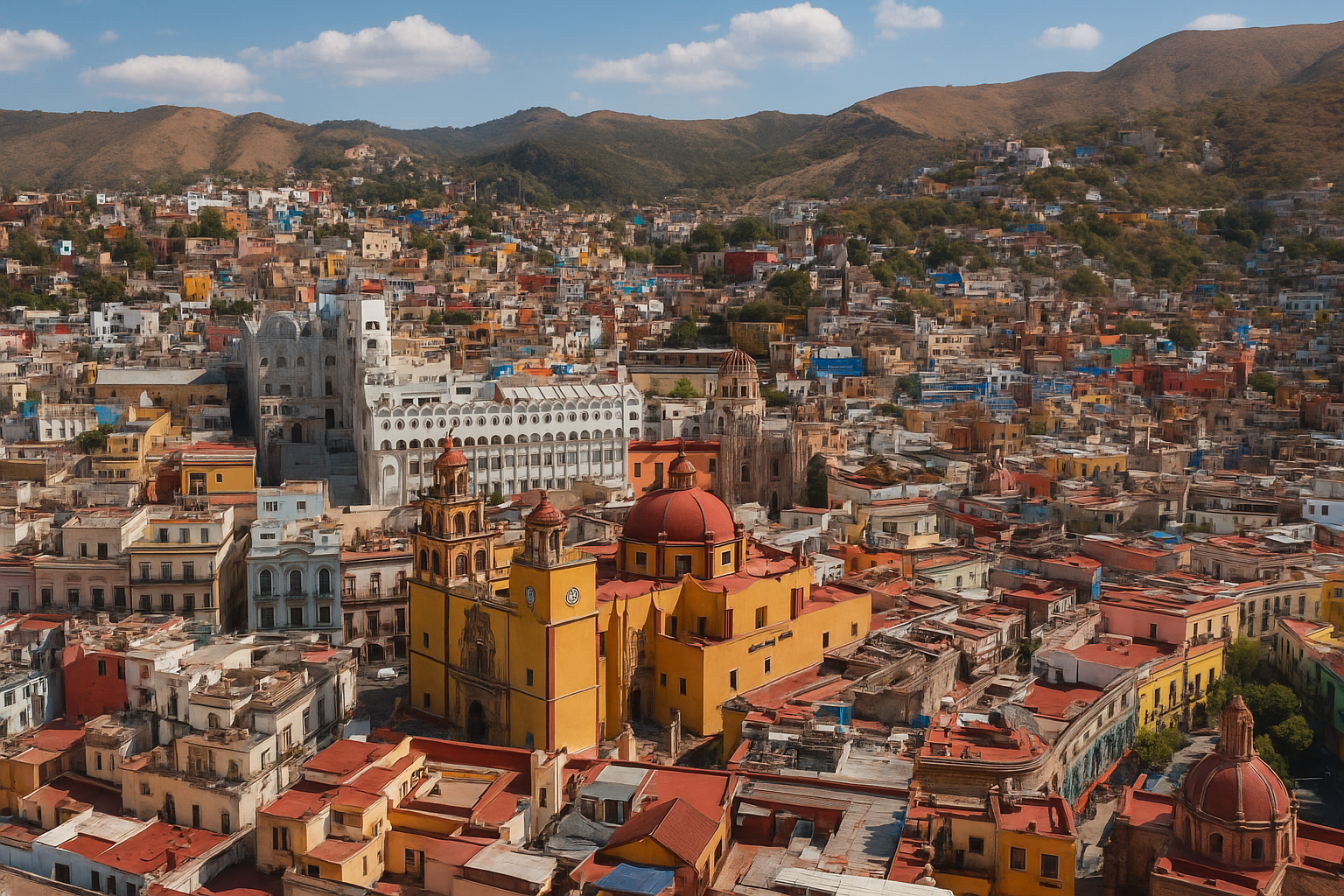
You might have seen Guanajuato mentioned alongside the Yucatán in some travel content, and it’s worth clearing something up: Guanajuato is a state in central Mexico, in the Bajío region, and it’s not part of the Yucatán Peninsula at all. Geographically, they’re about as far apart as two Mexican destinations can be.
That said, Guanajuato City is absolutely worth a separate trip. Its colorful hillside architecture, underground road network, and university-town energy make it one of the most visually distinctive cities in the country. But it deserves its own dedicated guide — not a footnote in a Yucatán itinerary. If you’re planning a longer trip through Mexico and want to combine the peninsula with central Mexico, you’d typically fly between the two rather than drive, as the distance is considerable.
For now, keep your Yucatán itinerary focused on the peninsula itself. There’s more than enough here to fill two weeks without feeling like you’ve rushed anything.
Where to Learn More Before You Go
Before you finalize your plans, it’s worth spending some time with resources that go deep on the region. Lonely Planet’s Yucatán Peninsula guide covers the major destinations with solid practical detail. For a more personal, ground-level perspective, Indie Traveller’s Yucatán guide is written by someone who’s actually moved through the region independently and shares the kind of advice you’d get from a well-traveled friend.
Both are worth reading alongside this guide to build a fuller picture before you land.
The Yucatán Is Waiting — Go Explore It Properly
The Yucatán Peninsula is one of those places that reveals itself gradually. The first day, you might think it’s just beaches and ruins. By the end of the first week, you’re eating at a market stall in Mérida, planning a detour to a cenote you heard about from someone at your hostel, and reconsidering your flight home. That’s the thing about this part of Mexico — it’s layered in a way that rewards people who slow down and pay attention. Use this Yucatán Peninsula travel guide as your starting point, stay curious, and let the peninsula show you what it’s actually made of. The best parts of any trip are rarely the ones you planned in advance.
This article was produced with AI assistance and reviewed editorially.


Local Food & Drink Guides: Barcelona Cafes, Cocktail Bars & Hidden Eats

Budget Backpacking Southeast Asia: Sri Lanka, Laos & Beyond


