
Roaming Around the World
Beyond the Beaches: Unexpected Adventures in Familiar Destinations
Discover hidden attractions tropical destinations like mangrove forests, waterfalls, and highland hikes that go beyond the typical beach experience.

Beyond the Beaches: Hidden Attractions in Tropical Destinations You’ve Probably Overlooked
You’ve seen the photos. Turquoise water, white sand, a hammock swaying between two palm trees. Tropical destinations sell that image hard, and honestly, it’s not wrong — the beaches are stunning. But if you fly halfway around the world and spend every day parked on the same stretch of sand, you’re leaving the best parts of the trip untouched. The hidden attractions in tropical destinations — the mangrove forests, volcanic craters, night markets, ancient temples, and waterfall hikes that don’t make it onto the resort brochure — are often what turn a good holiday into a story you’re still telling years later. This guide is for travelers who want to dig deeper, wander further, and come back with more than a tan.
Why Tropical Destinations Are So Much More Than Their Coastlines
There’s a reason tropical destinations get reduced to their beaches in travel marketing. Beaches photograph beautifully, they’re universally appealing, and they require zero explanation. But that simplicity flattens what are often incredibly complex, layered places with rich ecosystems, living cultures, and landscapes that shift dramatically once you move inland.
Think about what actually shapes a tropical island or coastal region. Volcanic activity creates dramatic highlands, crater lakes, and lava fields. Heavy rainfall carves out river systems, gorges, and cascading waterfalls. Dense rainforests shelter wildlife you won’t find anywhere else on earth. And centuries of trade, migration, and cultural exchange leave behind architecture, food traditions, and community rituals that have nothing to do with the sea.
The beach is the welcome mat. The real house is everything behind it.
Mangrove Forests: The Underrated Ecosystem Worth Exploring
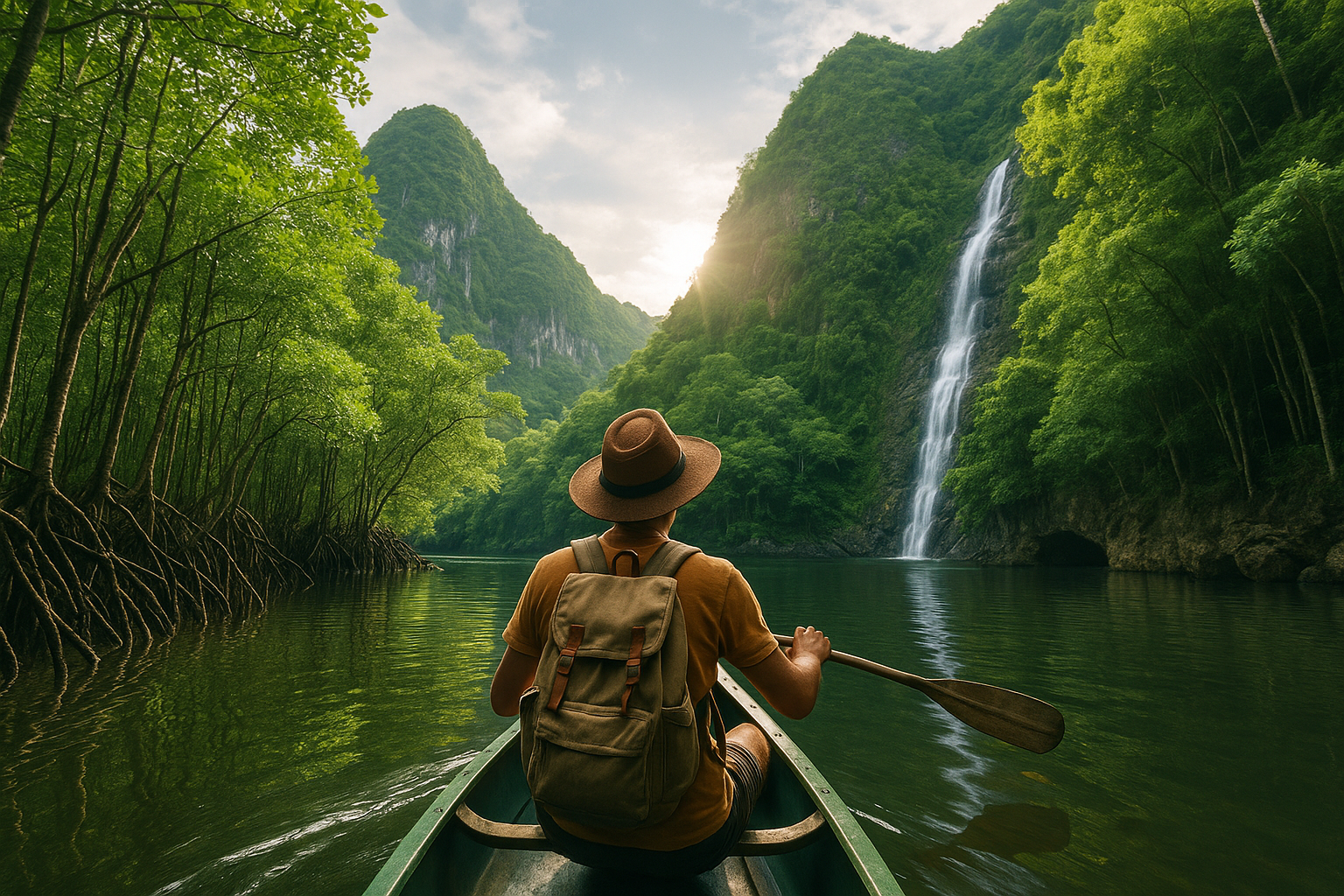
If you’ve never kayaked or taken a boat through a mangrove forest, it belongs on your list. Mangroves grow in the brackish, tidal zones where rivers meet the sea — and they create some of the most otherworldly environments you’ll ever move through. The roots twist and arch out of the water like something from a fantasy novel. The light filters through the canopy in ways that feel almost theatrical. And the wildlife is extraordinary: monitor lizards, sea eagles, proboscis monkeys, kingfishers, and dozens of species that call this ecosystem home.
Many tropical destinations have mangrove systems that are easily accessible by guided boat tour or kayak rental. You don’t need to be an experienced paddler. Most tours are calm, sheltered, and genuinely suitable for anyone who’s reasonably comfortable on the water. What you do need is a willingness to swap the sunbed for a paddle for half a day.
The experience is quieter than most tourist activities. That’s part of the appeal. Moving slowly through a mangrove channel, listening to the birds, watching the roots disappear into dark water — it’s the kind of moment that resets something in you.
Tips for Mangrove Exploration
- Book with a local guide rather than a large resort operator — they’ll know the quieter channels and better wildlife spots.
- Go early morning for the best wildlife activity and softer light.
- Wear light, long-sleeved clothing to protect against insects.
- Bring a waterproof bag for your phone — you’ll want to take photos.
- Ask your guide about the ecosystem; most are genuinely passionate about it and will share things you’d never read in a guidebook.
Waterfalls and Highland Hikes: The Interior Landscape
Almost every tropical destination with elevation has waterfalls. Not the kind you see in a curated Instagram post with a lone figure standing dramatically underneath — actual, accessible waterfalls that you can hike to, swim in, and enjoy without a crowd if you’re willing to start early or go mid-week.
The hike to reach them is usually part of the experience. You’ll move through jungle, cross streams on stepping stones, hear the sound of the falls before you see them, and arrive at something that feels genuinely earned. That feeling is different from pulling up to a beach in a taxi. It stays with you.
Beyond waterfalls, many tropical islands and coastal regions have highland interiors worth exploring on their own terms. Tea plantations, rice terraces, volcanic peaks, and highland villages offer a completely different side of a destination that most visitors never see. The air is cooler, the pace is slower, and the views — looking down over the coastline from above — are often more dramatic than anything you’d see from sea level.
If you’re visiting somewhere with a recognizable volcanic peak or highland trail, even a half-day excursion inland will shift your entire understanding of the place. You stop seeing it as a beach destination and start seeing it as a living landscape.
Hidden Caves and Underground Worlds
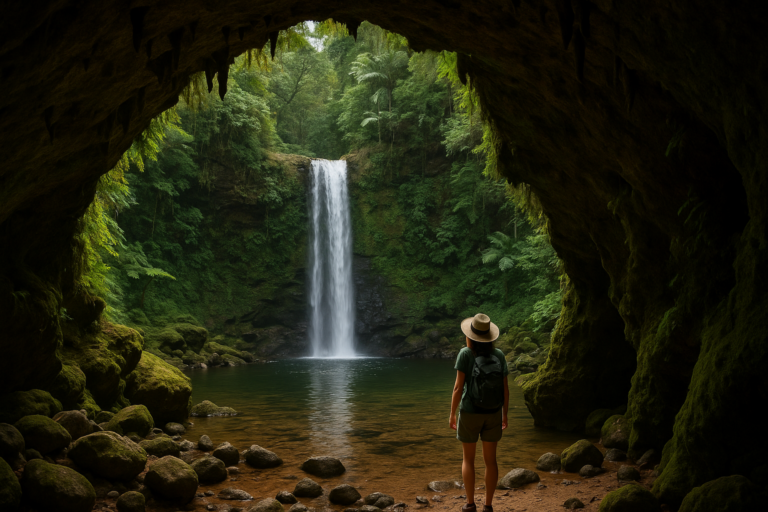
Tropical regions are home to some of the world’s most spectacular cave systems, and they’re among the most overlooked hidden attractions in tropical destinations. Limestone karst landscapes — common across Southeast Asia, the Caribbean, and parts of the Pacific — create cave networks that range from cathedral-sized chambers to narrow passages that open suddenly into underground lakes.
Some of these caves have been used for thousands of years: as shelters, sacred sites, or burial grounds. Walking through them connects you to a human history that predates tourism by millennia. Others are purely geological — formations of stalactites and stalagmites built over hundreds of thousands of years that look like something no human hand could design.
Many cave systems offer guided tours that are accessible without any specialist equipment or experience. Others require a headlamp, some confidence in tight spaces, and a guide who knows the route. Either way, the experience tends to be genuinely humbling. There’s something about being underground, surrounded by geological time, that puts a beach holiday in perspective.
What to Know Before You Go Underground
- Always use a certified local guide — cave systems can be disorienting and conditions change.
- Wear shoes with grip, not sandals.
- Check for seasonal flooding; some caves are only accessible during dry season.
- Respect any cultural or spiritual significance the site may hold for local communities.
- Don’t touch the formations — the oils from your hands damage structures that took millennia to form.
Local Markets, Food Culture, and Community Experiences
One of the most reliable ways to understand a place is to eat what the people who live there actually eat. Not the resort buffet. Not the tourist-facing restaurant with an English menu and a sunset view. The actual food — the dishes that have been passed down through generations, cooked in ways that reflect the local climate, history, and available ingredients.
Morning markets in tropical destinations are particularly worth seeking out. They’re usually done by mid-morning, which means you need to be up and moving early — but that’s a small price for what you get. You’ll see the full range of local produce, hear the sounds of a working community going about its day, and often find the best food of your trip being served from a small stall with no sign and a queue of locals.
Beyond food, look for community-based tourism initiatives. Many tropical destinations now offer experiences run directly by local families or cooperatives: cooking classes in someone’s home, guided walks led by community members, traditional craft workshops, or visits to working farms and fishing villages. These experiences tend to be more meaningful than anything you’d book through a large tour operator, and the money goes directly to the people who live there.
For inspiration on finding authentic local experiences beyond the typical tourist trail, Condé Nast Traveler’s travel inspiration hub regularly features destination guides that highlight cultural and community-based activities worth seeking out.
Wildlife Encounters That Don’t Involve a Zoo
Tropical ecosystems are among the most biodiverse on the planet. The wildlife you can encounter — in the wild, in its natural habitat — is extraordinary. But it requires moving away from the beach and into the environments where animals actually live.
Rainforest canopy walks, river boat trips, early morning birdwatching sessions, and guided night walks (where legal and responsibly managed) all offer genuine wildlife encounters. You might see sea turtles nesting on a quiet beach accessible only by boat. You might spot a troop of monkeys in the forest canopy above a waterfall trail. You might watch fireflies light up a mangrove channel after dark in a display that looks completely unreal.
The key is to choose experiences that are ethically run and wildlife-focused rather than entertainment-focused. A good guide will keep a respectful distance, avoid disturbing animals, and prioritize the welfare of the ecosystem over getting you a close-up photo. That approach also tends to produce better wildlife sightings, because animals behave naturally when they’re not being stressed.
For travelers who want to combine adventure with responsible wildlife tourism, Backroads’ adventure travel tours offer a useful model of how guided outdoor experiences can be structured around genuine exploration rather than manufactured spectacle.
How to Find the Hidden Attractions in Tropical Destinations You’re Visiting
The challenge with hidden attractions isn’t that they’re secret — it’s that they’re not being marketed to you. The resort wants you to book their beach cabana. The tour operator wants to sell you the sunset cruise. The hidden waterfall trail, the local market, the community-run mangrove tour — these things exist, but you have to look for them.
Here’s how to actually find them.
Talk to People Who Live There
This sounds obvious, but most travelers don’t do it. Ask your guesthouse host, your taxi driver, the person selling fruit at the roadside stall. Ask what they do on their days off. Ask where they’d take a friend who was visiting. You’ll get answers that no travel blog can give you, because they’ll be specific to the current moment — a new trail that just opened, a festival happening this weekend, a fishing village that’s worth the detour.
Look Beyond the First Page of Search Results
The first page of any travel search is dominated by the most commercially successful options, not the most interesting ones. Go deeper. Look for travel forums, local tourism boards, and community-based travel platforms. Search for the destination name alongside words like “local,” “off the beaten path,” or “inland.”
Build in Unplanned Time
Some of the best hidden attractions are discovered by accident when you’re not following a schedule. Leave gaps in your itinerary. Take a road you haven’t researched. Follow a sound or a smell or a trail marker. The spontaneity that makes travel feel alive often comes from not having every hour accounted for.
Hire Local Guides for Specific Experiences
A local guide who specializes in a particular activity — birdwatching, cave exploration, jungle hiking — will know things about their area that no international tour operator could replicate. They often charge reasonable rates, and the quality of the experience is usually significantly higher than a generic group tour.
Making the Most of Your Time Without Abandoning the Beach
This isn’t an argument against beaches. Spending a morning swimming in warm, clear water and doing absolutely nothing is one of life’s genuine pleasures. The point is balance — making sure that the beach is one part of your experience rather than the whole thing.
A practical approach: structure your days so that the more active, exploratory experiences happen in the morning when it’s cooler and the light is better. Save the beach for the afternoon when the heat peaks and the light flattens. End the day at a local spot — a market, a viewpoint, a small restaurant — rather than the resort bar.
That rhythm gives you the best of both worlds. You get the relaxation that tropical destinations genuinely offer, and you get the depth that makes a trip feel like it was worth the journey.
The Mindset Shift That Changes Everything
Ultimately, finding the hidden attractions in tropical destinations comes down to one thing: curiosity. The willingness to ask a question you don’t know the answer to. To take a path without knowing exactly where it leads. To spend a morning doing something that wasn’t on your original plan.
That curiosity is what separates a holiday from a travel experience. A holiday is something that happens to you. A travel experience is something you actively create — through the choices you make, the people you talk to, and the moments you’re willing to step outside your comfort zone to find.
The beach will always be there. The mangrove channel you kayaked through at dawn, the cave system that made you feel genuinely small, the waterfall you hiked two hours to reach and had entirely to yourself — those are the things you’ll still be talking about long after the tan has faded. Go find them.
This article was produced with AI assistance and reviewed editorially.


Southeast Asia on a Shoestring: Budget Travel Guide to Border Crossings & Regional Itineraries

London Beyond the Eye: 8 Walks from Landmarks to Hidden Neighborhoods (2026)


